



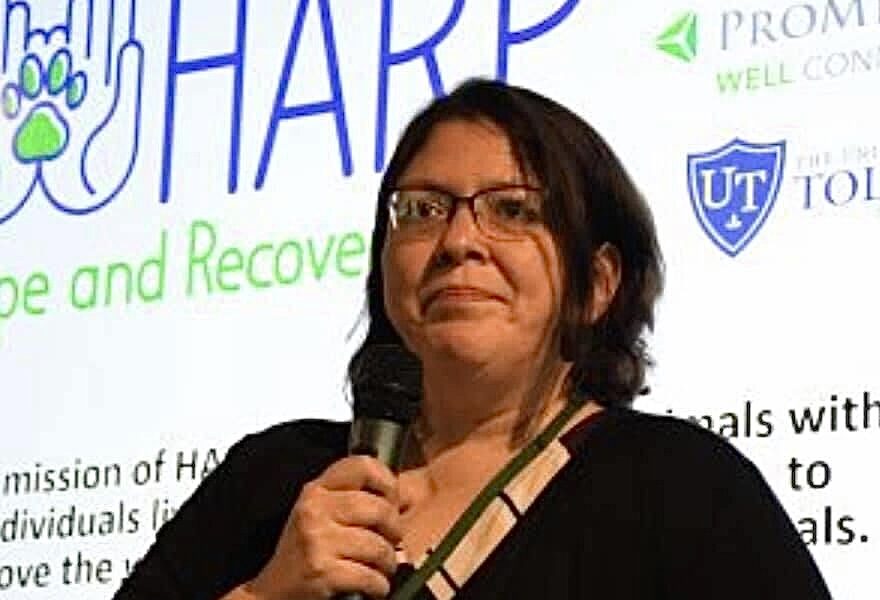
Today we’d like to introduce you to Janet Hoy-Gerlach.
Hi Janet, so excited to have you on the platform. So before we get into questions about your work life, maybe you can bring our readers up to speed on your story and how you got to where you are today.
The story of my human-animal bond work started many years ago when I was working as a mental health clinician and doing suicide risk assessments. One question I always asked (and still ask) people I was doing a risk assessment with is “what’s stopped you up until now from acting on your suicidal thoughts and plan?”. The question isn’t mine; I was taught to ask it when I learned to do risk assessments. I often got the answers I’d been taught to expect – well-known protective factors against suicide – such as “I can’t hurt my family or friends like that” “I don’t want to do that to my kids” or “it’s against my faith, I believe it’s wrong”. However, often enough what gave me pause was the response “I don’t want to leave my pet”.
Two things about this struck me: 1) as an “animal person”, I got it, it made sense to me; and 2) as a mental health clinician, nowhere in my training or education had I been taught to even ask about or consider a person’s relationship with their companion animal, yet on a regular basis, people were telling me that their animals were literally why they were still alive talking with me. That realization really sparked my awareness of how animals can be partners in human well-being! Today I research and develop training and programs that support and leverage human-animal bond benefits within health and mental health care systems, human services, education, and veterinary settings. I work from a “one health” approach; simply put, this approach focuses on connections between human and animal well-being to maximize benefits for both.
I’m sure you wouldn’t say it’s been obstacle free, but so far would you say the journey has been a fairly smooth road?
My biggest bump was being diagnosed with colon cancer in 2017 and having a series of related complications. I was in the middle of writing a book titled Human-Animal Interaction: A Social Work Guide; my co-author and former student Scott Wehman and I had a book contract with NASW Press, NASW stands for the National Association of Social Workers; they are the biggest professional social organization in the US, so we were thrilled.
My co-author, NASW Press, my colleagues, and the Toledo community were wonderfully supportive throughout, and we managed to finish and publish the book! I also learned a lot first-hand about the biopsychosocial benefits of the human-animal bond through the support of my own dog, Henderson. I’m happy to say I am currently healthy, with “no evidence of disease”! Here’s a bit more on that: https://www.toledoblade.com/news/medical/2017/08/21/University-of-Toledo-professor-learns-first-hand-how-pets-can-help-heal/stories/20170820205
Appreciate you sharing that. What else should we know about what you do?
I am currently a professor in the social work program at the University of Toledo (UT) and have worked as a clinical social worker in community mental health for many years. My scholarship and service work focuses on the mental health benefits of the human-animal bond, I serve as an expert witness for the US Department of Justice Civil Rights Division on Emotional Support Animals (ESAs), and my research on ESAs – done in partnership with Toledo Humane Society and ProMedica – has been focused on national news venues such as Discover Magazine and Psychology Today.
I’m most proud that I’ve helped raise awareness of the legitimate benefits of and need for animal companionship to help with mental health difficulties, as well of strategies for maximizing the mutual well-being of people and animals!
Risk-taking is a topic that people have widely differing views on – we’d love to hear your thoughts.
Great question! I am in process of taking a major risk. I have loved my students and colleagues and is a professor at UT for the past nearly fifteen years. After much thought, I have decided to pursue my passion for human-animal bond support development work in health and human services on a full-time basis through my consulting business, OneHealth People-Animal Wellness Services (OHPAWS)! I will be leaving UT at the end of this academic year, and it feels a bit like when I jumped out of an airplane years ago.
I’m leaving a tenured full professorship at a state university with great benefits to do my own business, because there is work I want and need to do in this world, and I don’t want to wonder years later “what if”. I would rather take the risk and give my new venture everything I can, and have that knowledge. People’s relationships with their animal’s matter, and impact both human and animal well-being; that’s my “why”, and it’s worth taking a risk for me. For me, taking this big risk entailed knowing my “why”, and making a conscious choice to choose the risk and all the unknowns it entails, rather than choosing the security of the status quo with the element of wondering “what if”.
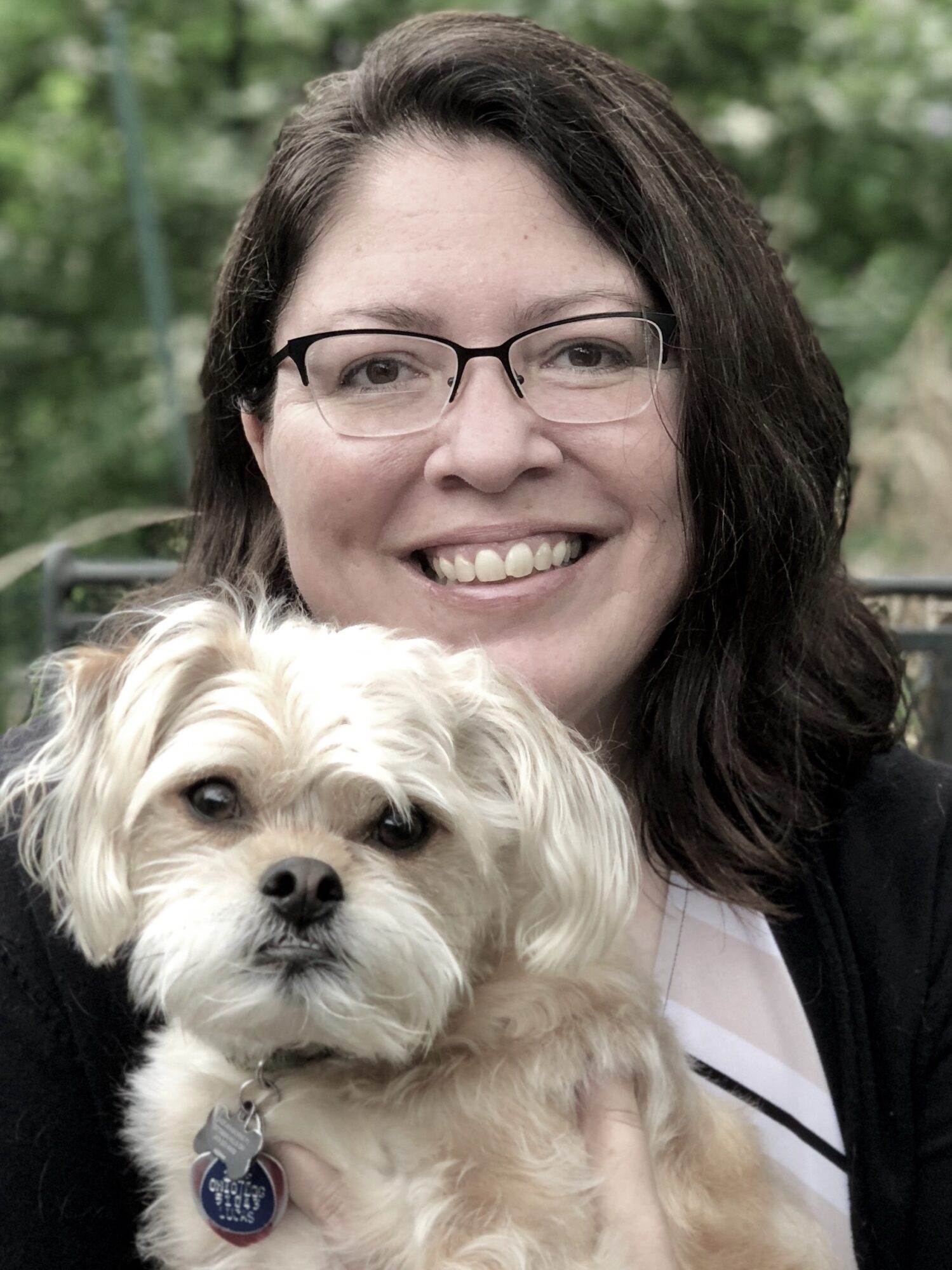
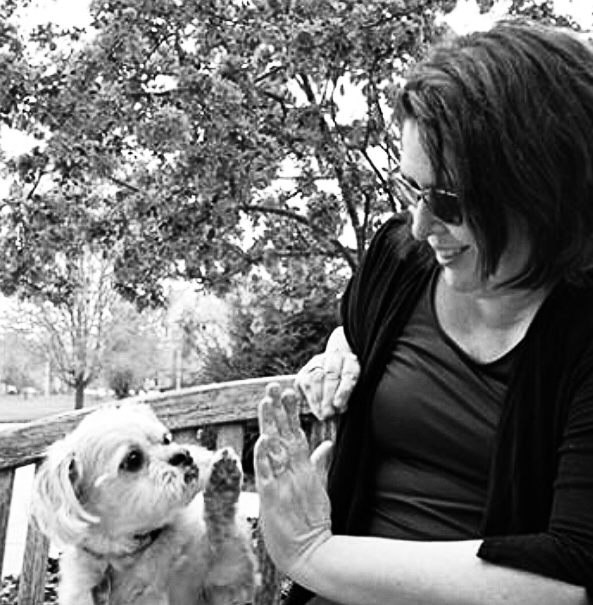
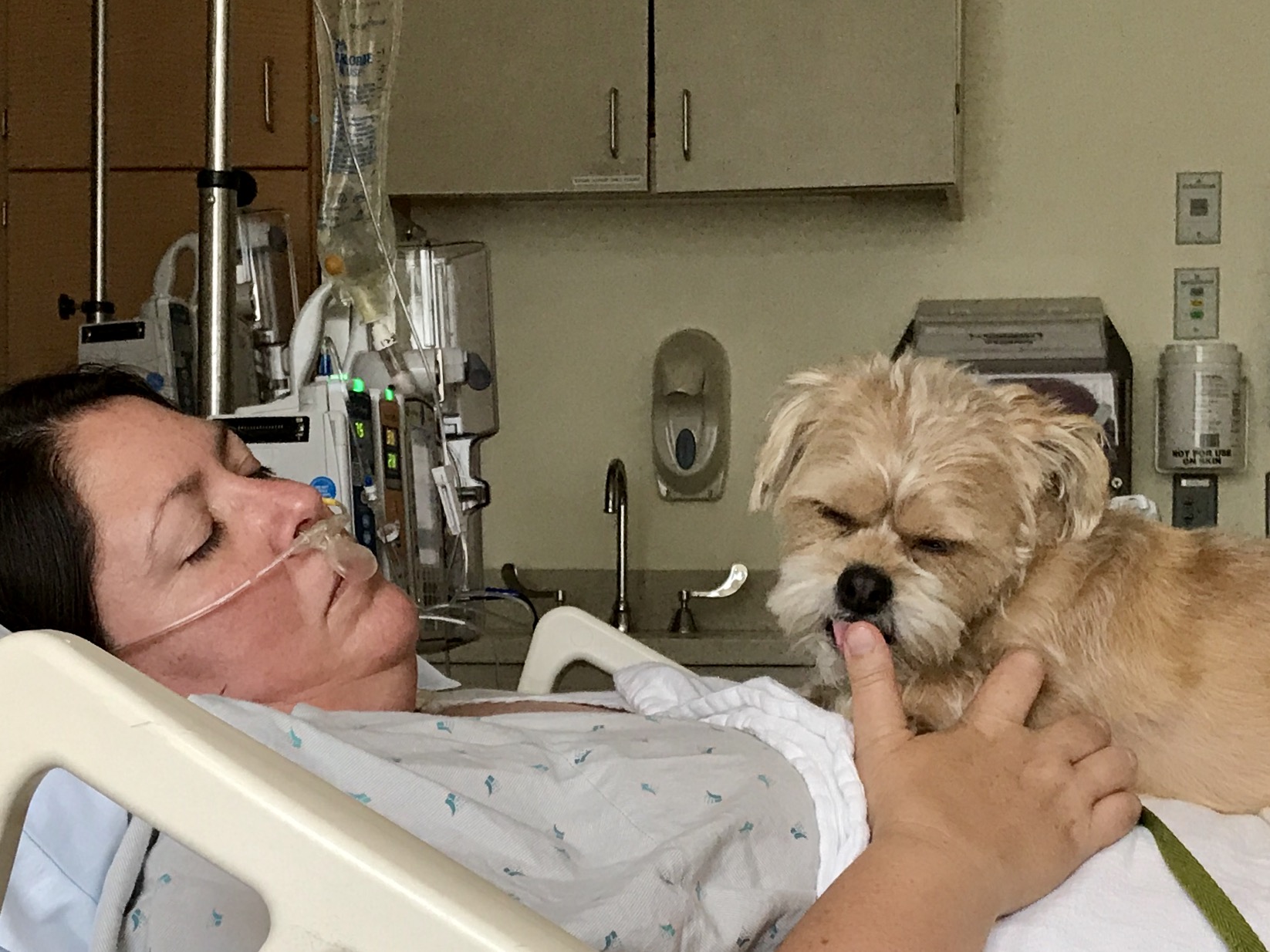
Image Credits
The University of Toledo and Jennifer Hoy-Gerlach
Popular
-

The Change-Makers: stories that inspire
-

Hidden Gems: Local Businesses & Creatives You Should Know
-

Take Flight: Lamar Thomas on Building an Inclusive Brand Rooted in Youth, Community, and Purpose
-

Cultivating Inner Clarity: Angel Inspires on Thought, Healing, and Purpose
-

Local Highlighter Series
-

Highlighting Local Gems