



Today we’d like to introduce you to Sanjeethi.
Sanjeethi, we appreciate you taking the time to share your story with us today. Where does your story begin?
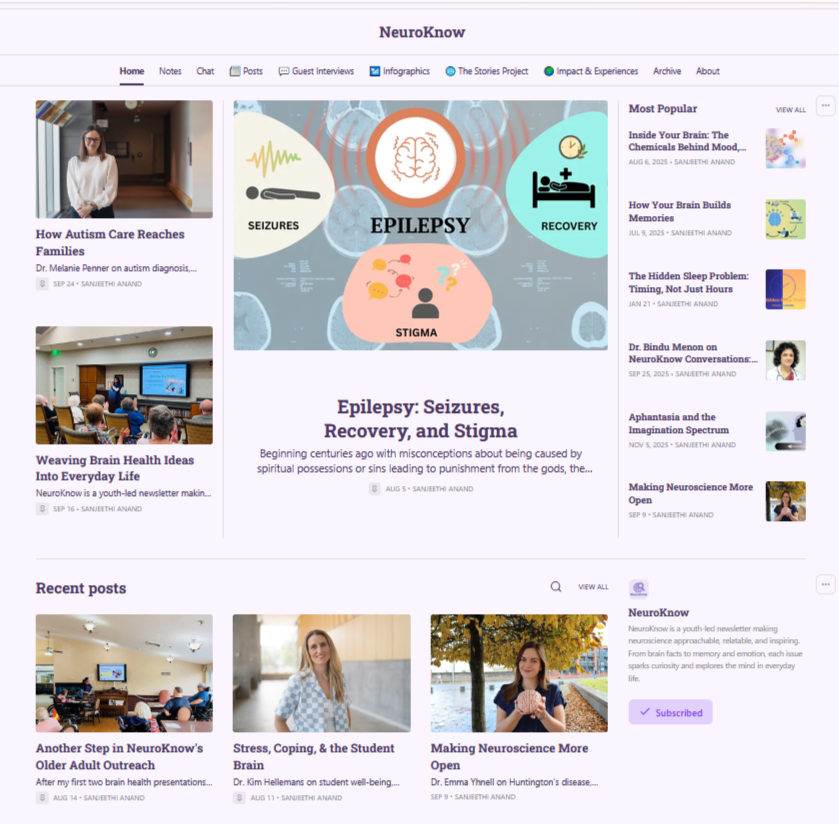
I am Sanjeethi Anand, a high school senior from Gilmour Academy. During high school, I started NeuroKnow, a neuroscience and brain-health newsletter and outreach initiative.
My interest in neuroscience goes back several years. As I learned more, I became fascinated by how much researchers have discovered about the brain and how much remains unknown. I also started reading more about neurological conditions and the importance of paying attention to brain health throughout life. Looking back, I wish I had been introduced to neuroscience earlier.
NeuroKnow began as a newsletter where I explored questions I was curious about and shared what I was learning with others. I wanted to make reliable brain science easier for people without a neuroscience background to understand, while also encouraging readers to think about their own brain health and mental well-being.
As I continued writing, I began reaching out to researchers, clinicians, educators, and science communicators for interviews. Hearing directly from people working in the field added another dimension to NeuroKnow and introduced me to areas of neuroscience I hadn’t explored before.
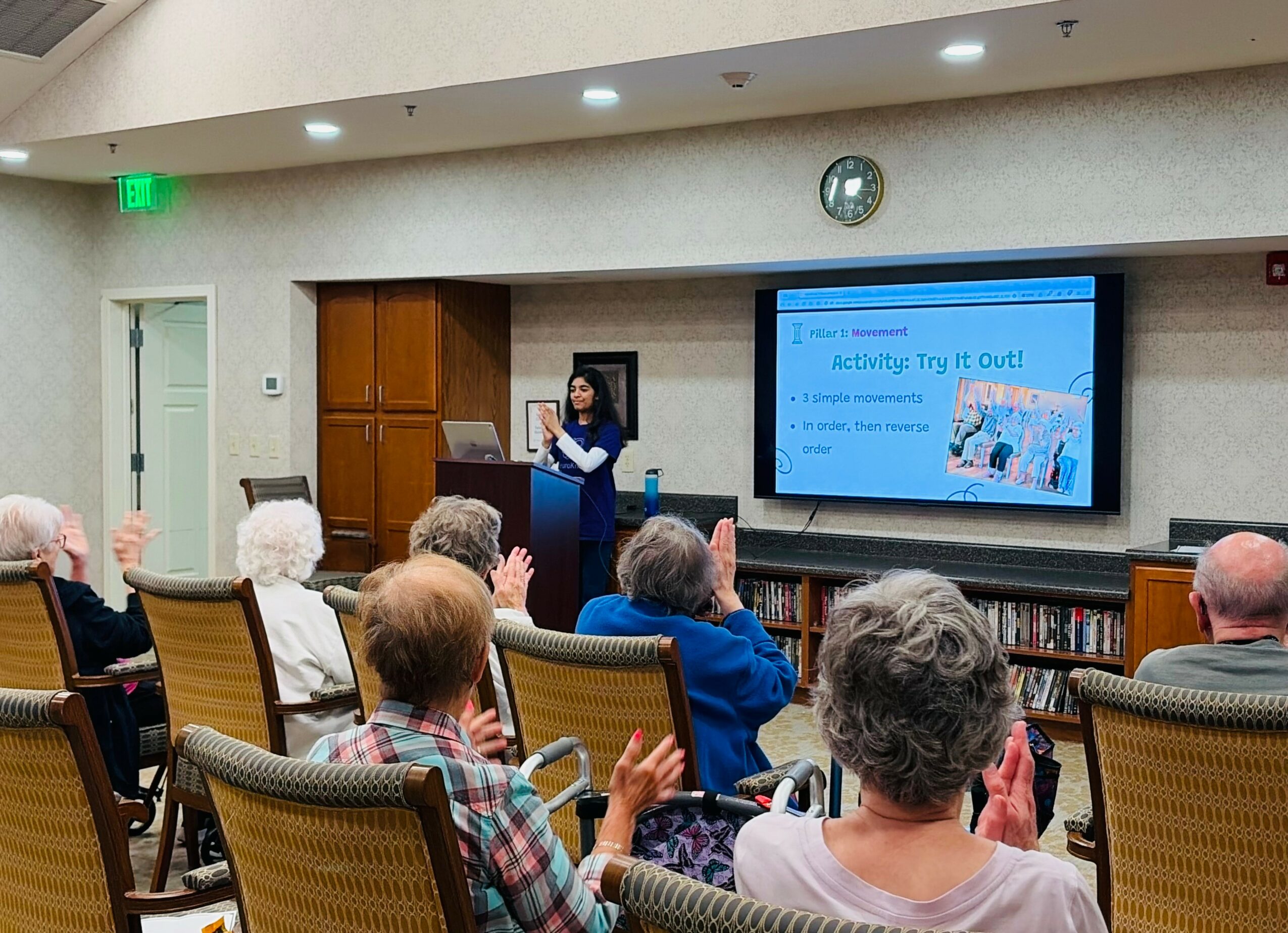
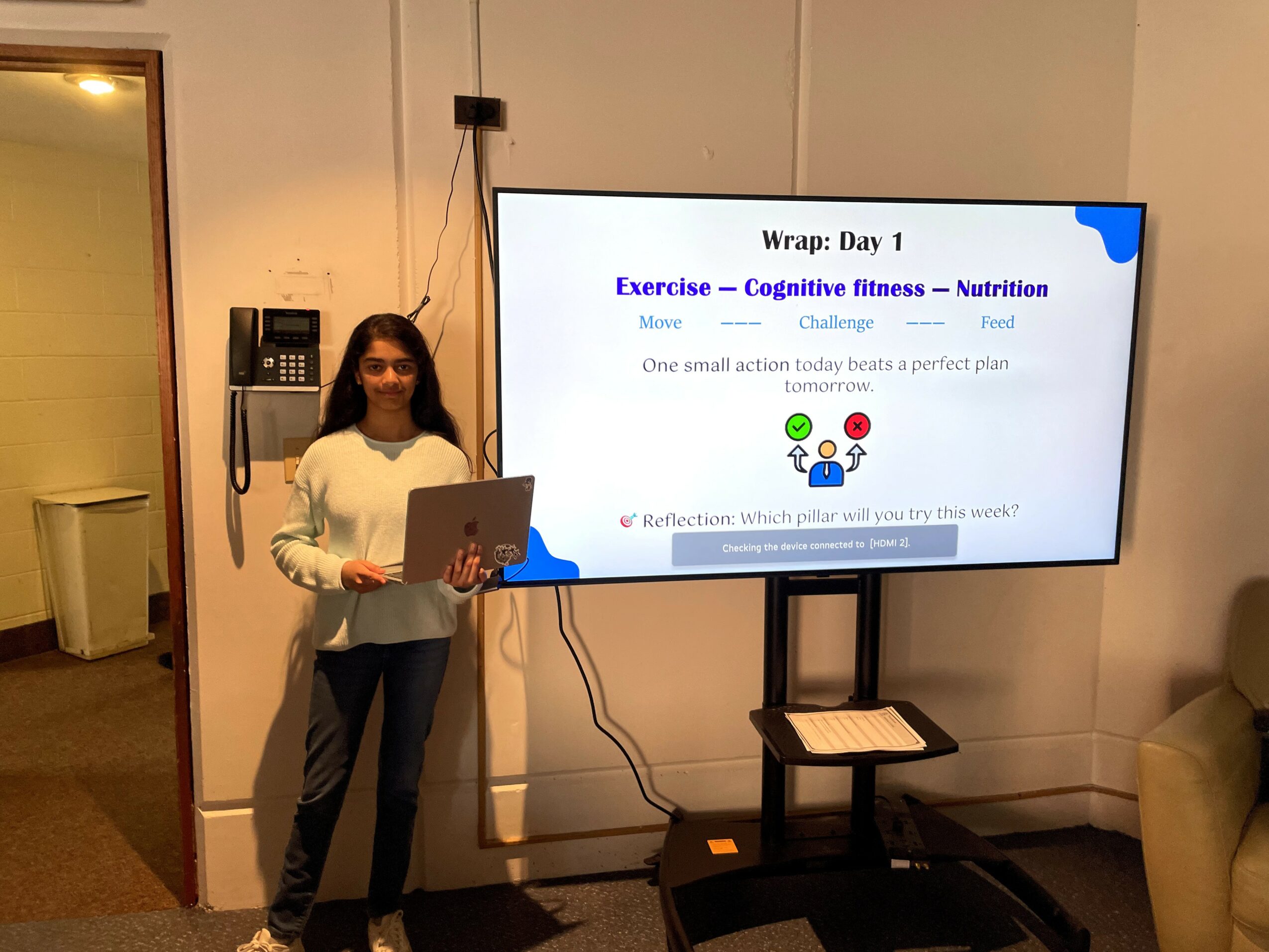
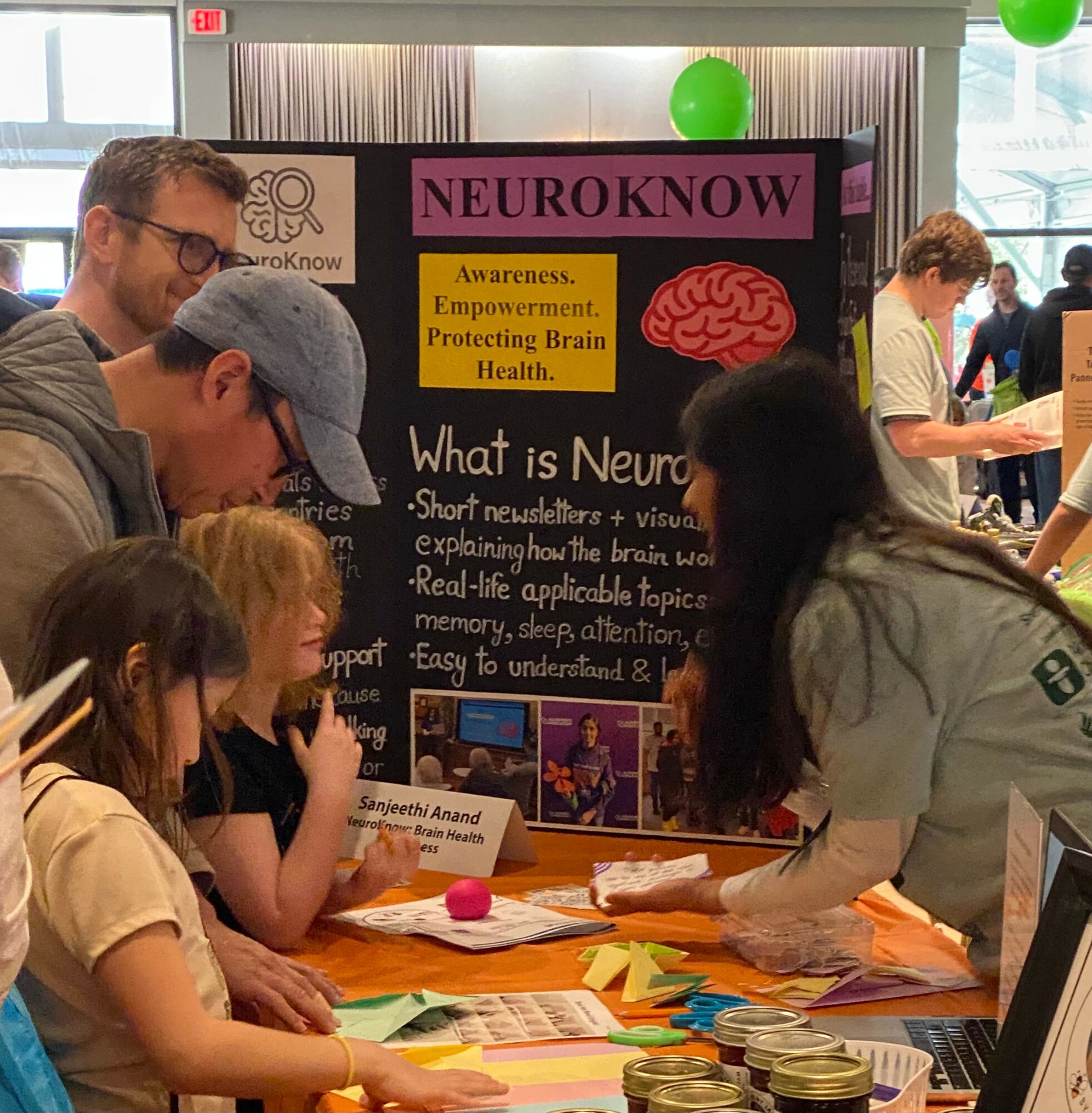
I eventually wanted to take my work beyond the newsletter. I began reaching out to community organizations, developing brain-health presentations for students and older adults, and organizing public library outreach and hands-on activities.
NeuroKnow has grown quite a bit since I started it, and I hope to keep building on both the educational writing and the community work.
Would you say it’s been a smooth road, and if not what are some of the biggest challenges you’ve faced along the way?
One of the biggest adjustments has been moving from work that I can mostly control myself, like writing a newsletter, into community settings where there are many more parts to consider.
I’ve learned that having a good idea does not automatically mean it will fit the way an organization works. There are schedules, programming rules, staff availability, space, and the needs of a particular audience to consider. At one point, I was planning a brain-themed program for young children at a public library, but the format I originally had in mind did not work with the library’s policies. This made me think more carefully about how the same idea could be adapted rather than assuming there was only one way to carry it out.
Presenting at senior living communities taught me something similar. I’ve had to adjust my presentations for each audience and setting. At one event, the environment was particularly busy, so I had to stay focused and work with what was happening around me.
NeuroKnow has several pieces now, so I have become more selective about which ideas I take on and how much time I give them. I would rather develop something properly than add another project simply because I can.
These experiences have made me much better at working within real constraints. I still plan carefully, but I no longer assume the original plan will always be the best one.
Thanks for sharing that. So, maybe next you can tell us a bit more about your work?
NeuroKnow combines neuroscience education, brain-health awareness, interviews, and community outreach.
I publish a newsletter on Substack where I explore questions about the brain and brain health, including memory, sleep, stress, migraine, epilepsy, and topics that come up in everyday life. For these, I spend time reading and researching before I write because I want someone without a neuroscience background to be able to follow the topic without losing the important details. The Substack has now reached more than 4,000 readers. I also use NeuroKnow’s Instagram to share updates of the project.
Another part of NeuroKnow is NeuroKnow Conversations, where I interview researchers, clinicians, educators, and science communicators from different places and areas of neuroscience. I develop questions based on each guest’s work and share their responses with readers.
Outside the digital platforms, I’ve developed and delivered brain-health presentations for older adults, led a workshop for students, organized public library outreach for World Brain Day and Brain Awareness Week, and brought hands-on brain activities to community events.
The community presentations have been particularly meaningful to me. Some older adults have told me they learned information they hadn’t known before, identified habits they wanted to try, or recognized concerns they wanted to follow up on. One resident who had been having trouble sleeping said they planned to speak with their caregiver about it after the presentation.
I value being able to share the same subject in different ways. Someone might first encounter NeuroKnow through an article, an interview, an Instagram post, or a presentation at a local community center. The newsletter is free to read, and I hope to continue making the information available to people who are curious about the brain or want to learn more about their brain health.
What quality or characteristic do you feel is most important to your success?
I would say curiosity, especially the kind that makes me continue checking whether I actually understand something.
When I started NeuroKnow, I was mainly focused on learning about neuroscience and finding ways to explain it. As I’ve continued writing, I’ve realized how important it is to look closely at what research actually shows, especially when discussing health-related topics.
For example, while working on a post about migraines, I had to think carefully about the difference between potential triggers versus symptoms that can begin before a headache. It is easy to make a statement overly simplistic while the underlying explanation is more complicated. I spend time reading further, checking sources, and revising the wording so that the explanations are understandable.
The interviews have also been an important part of this learning. When I prepare questions for someone whose work is unfamiliar to me, I usually end up reading far beyond what I originally expected just so I can understand what I truly want to ask.
I believe this willingness to keep questioning what I know has helped me with NeuroKnow and has made working on it more interesting. There is always another subject I want to explore or something I realize I need to understand better.
Contact Info:
- Website: https://theneuroknow.substack.com/
- Instagram: https://www.instagram.com/theneuroknow
- Facebook: https://www.facebook.com/theneuroknow
Popular
-

Hidden Gems: Local Businesses & Creatives You Should Know
-

The Change-Makers: stories that inspire
-

Portraits of Ohio
-

Take Flight: Lamar Thomas on Building an Inclusive Brand Rooted in Youth, Community, and Purpose
-

Cultivating Inner Clarity: Angel Inspires on Thought, Healing, and Purpose
-

Local Highlighter Series