



Today we’d like to introduce you to Jess Boeke.
Hi Jess, please kick things off for us with an introduction to yourself and your story.
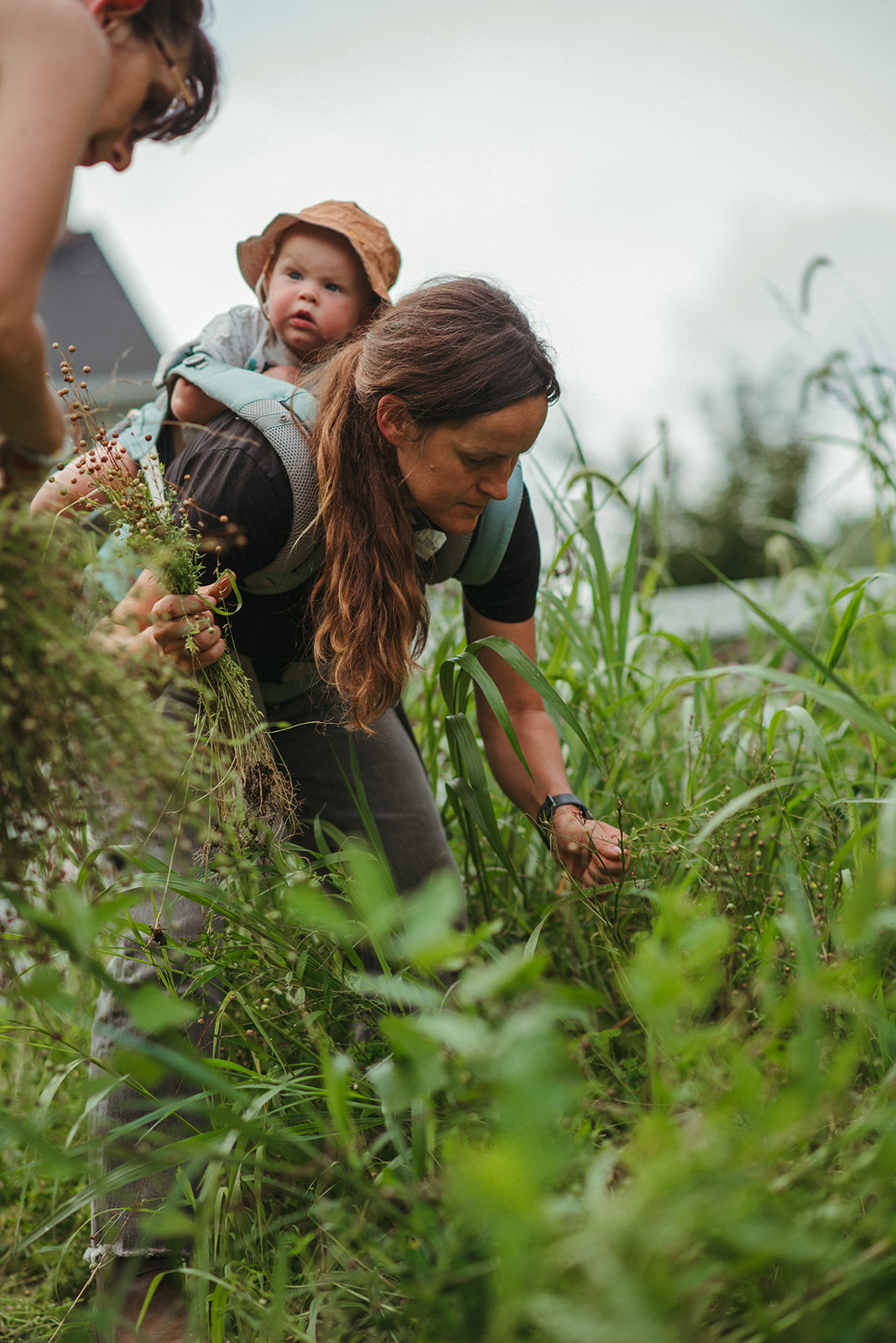
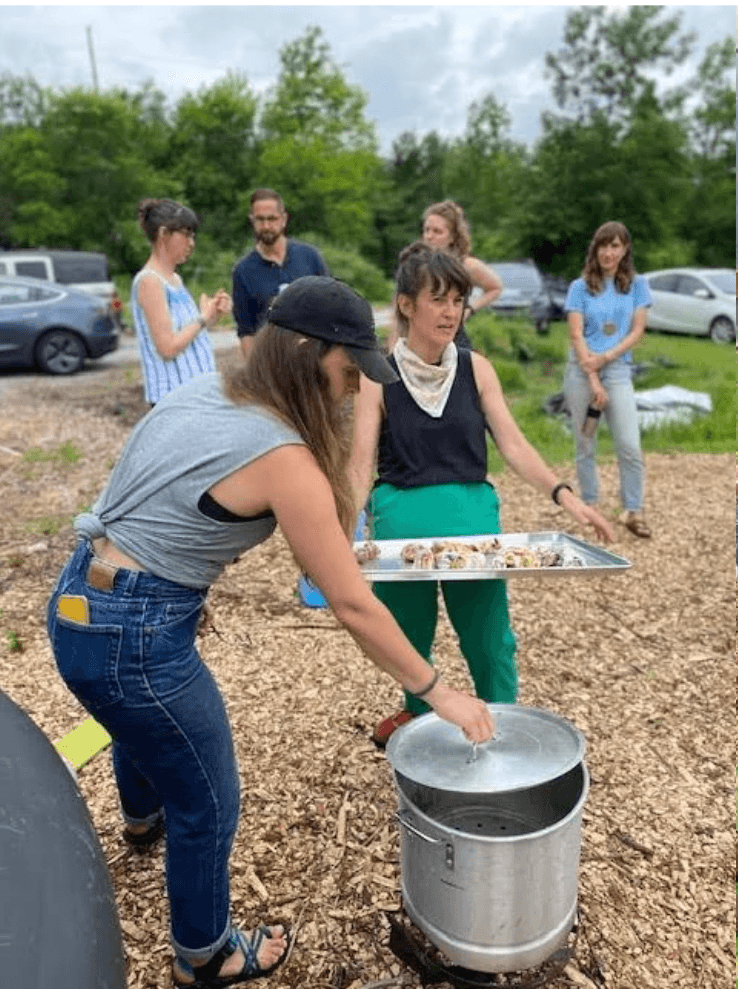
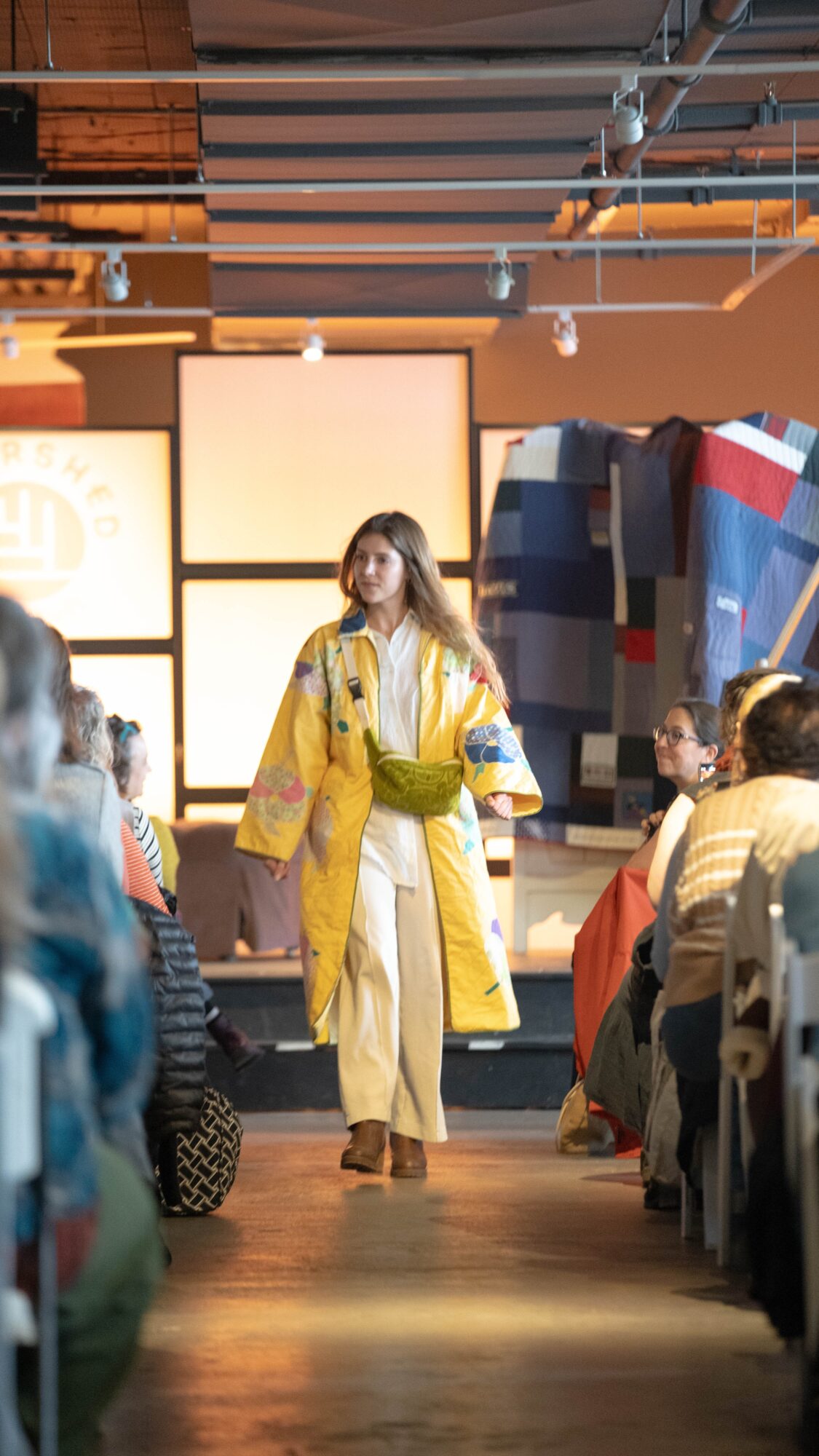
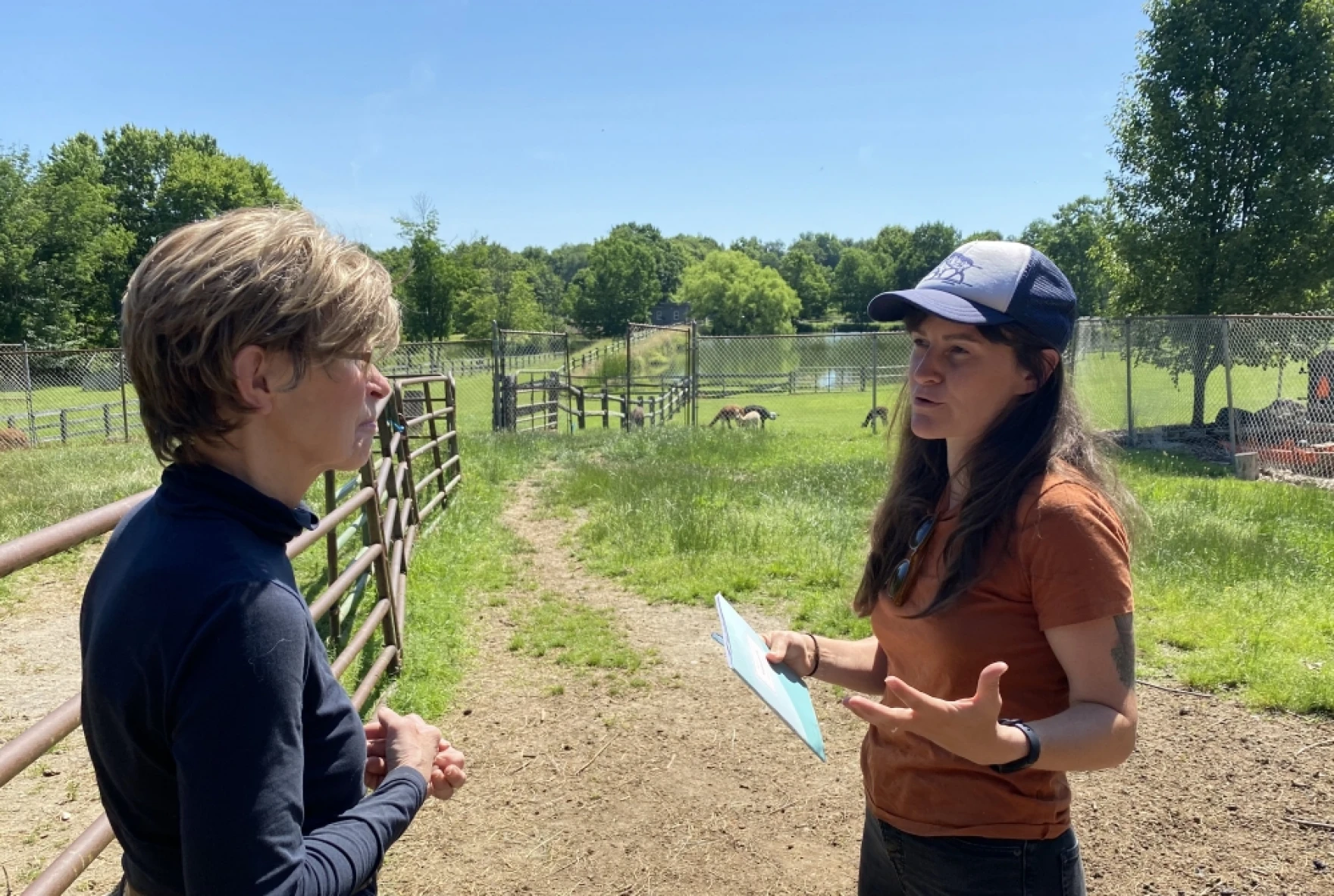
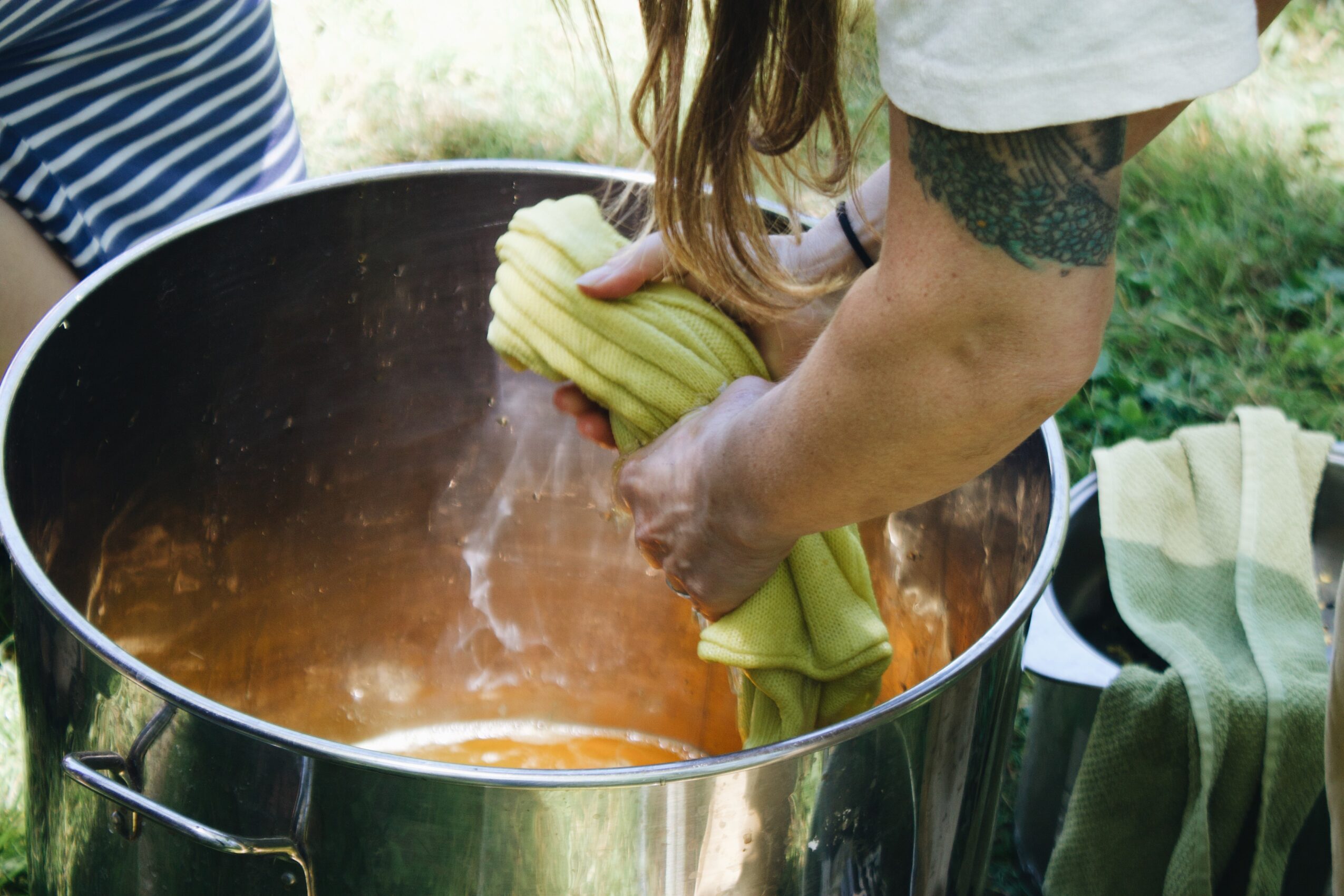
My twin sister and I were both English teachers, and worked on organic farms in the summer while we were in our early 20s. We were- and still are- very strong advocates for the local food scene. At the same time, we also loved textiles and started reupholstering futurniture when we started to actually question where the fabric came from and what was it made of! This sent us on a whole rabbit hole of material origin, and what we learned about fibers and dyes and labor was so shocking, but also aligned so well with what we knew about extractive farming practices, and even translated to our day jobs of the extractive educational system. So, for the next 15 years we’ve been devoting all our spare time- and now more full time work- to this idea of building up a bioregional textile ecosystem. It’s been so exciting!
Would you say it’s been a smooth road, and if not what are some of the biggest challenges you’ve faced along the way?
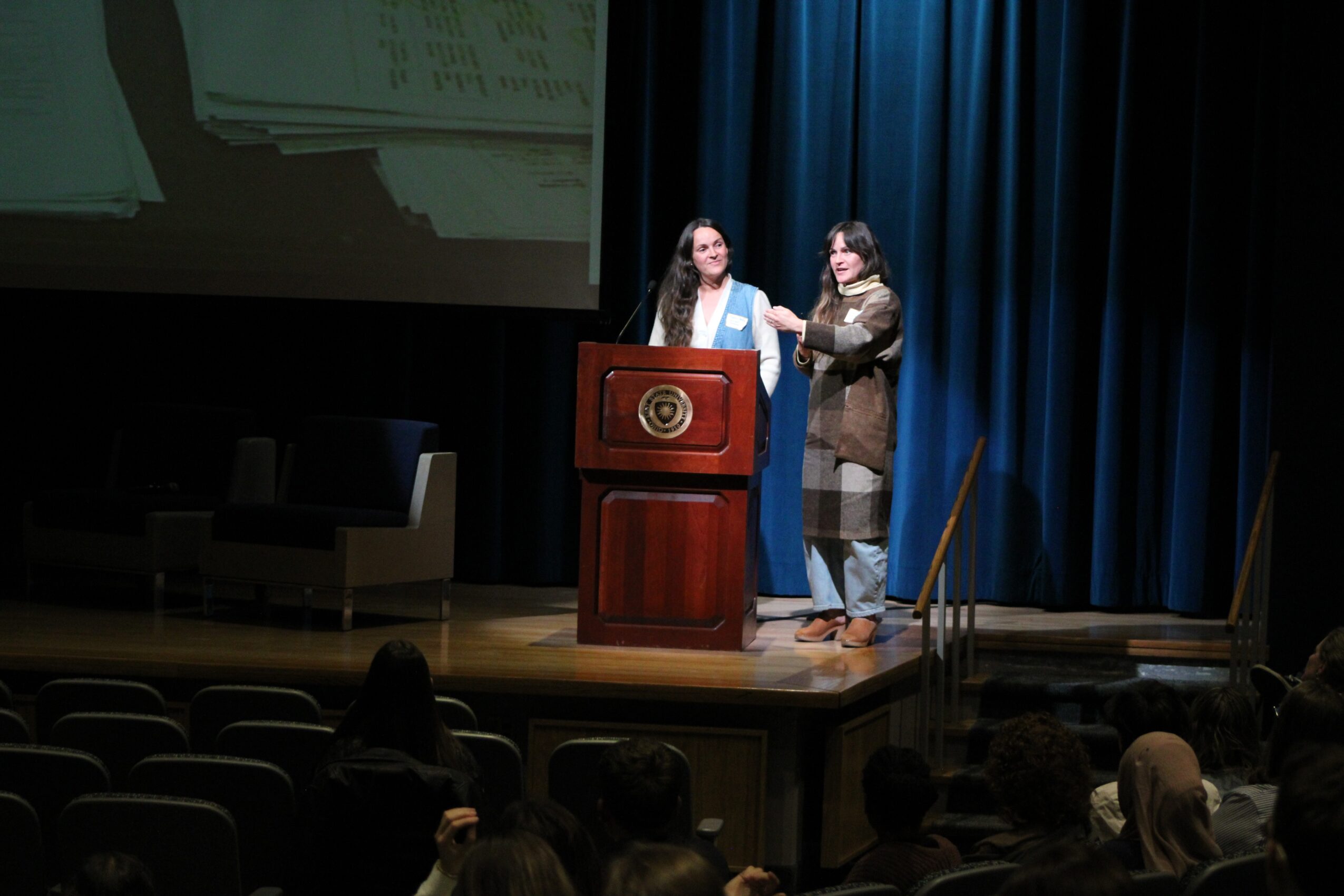
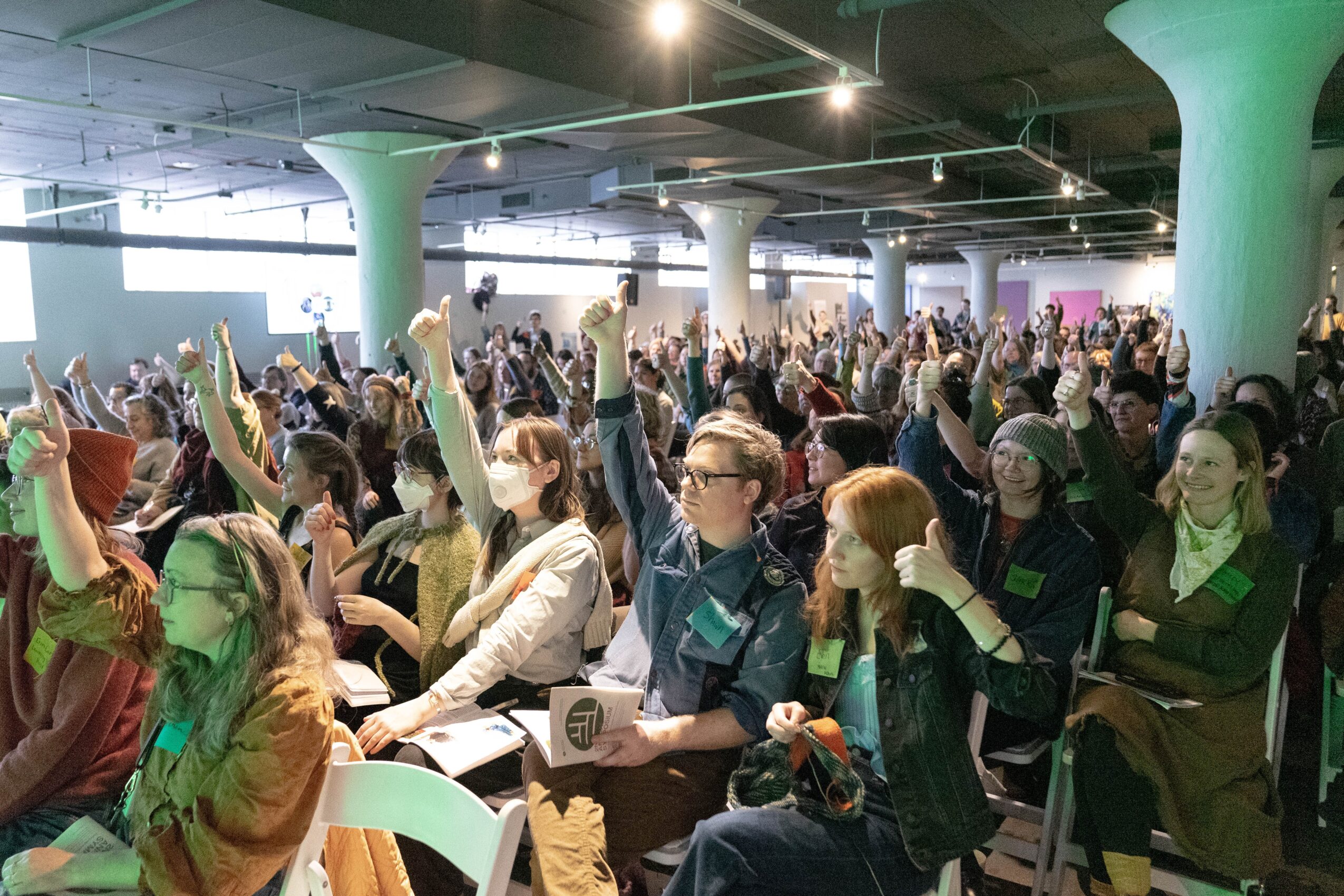
I’d say, actually, yes, it’s been smooth! I mean, we like to think of the Rust Belt Fibershed as a co-creative, emergent, decentralized movement within this region. In that regard, it’s been pretty seamless. In 2018 we established the Rust Belt Fibershed as an affiliate of Fibershed, which was very helpful in legitimizing how we were trying to catalyze our community toward local textiles. We started talking with fiber farmers in the area and designers and create a little community of folks working together. Our first project was the Cleveland Flax Project, now known as the Rust Belt Linen Project, and with that momentum we started the One Year One Outfit project. Over the years these projects have included almost 1000 engaged participants. Additionally, both of those projects are now practiced among other fibersheds, so it’s been exciting to watch that ripple out into other areas. This is our 4th year planning an Annual Symposium on bioregional textiles- with speakers from our community, for our community- and every year we sell out of seats with standing room only. Our community is so strong and involved! It’s truly incredible. Mark you calendar for January 30, 2027- you can livestream it if you can’t make it! Because of the momentum and community growth, we were able officially organize as a 501c3 in order to be able to receive funding.
That’s been the toughest part: the funding. Sarah and I have been working on this project for nearly a decade, and it’s grown beautifully, but we haven’t been able to consistently pay ourselves. We are, however, paid in different forms of capital- incredible friendships, skill sharing, and the challenge to pull it all off has been rewarding in and of itself. But hey- if folks are out there and would like to fund us- we will happily receive those funds! 🙂
Alright, so let’s switch gears a bit and talk business. What should we know about your work?
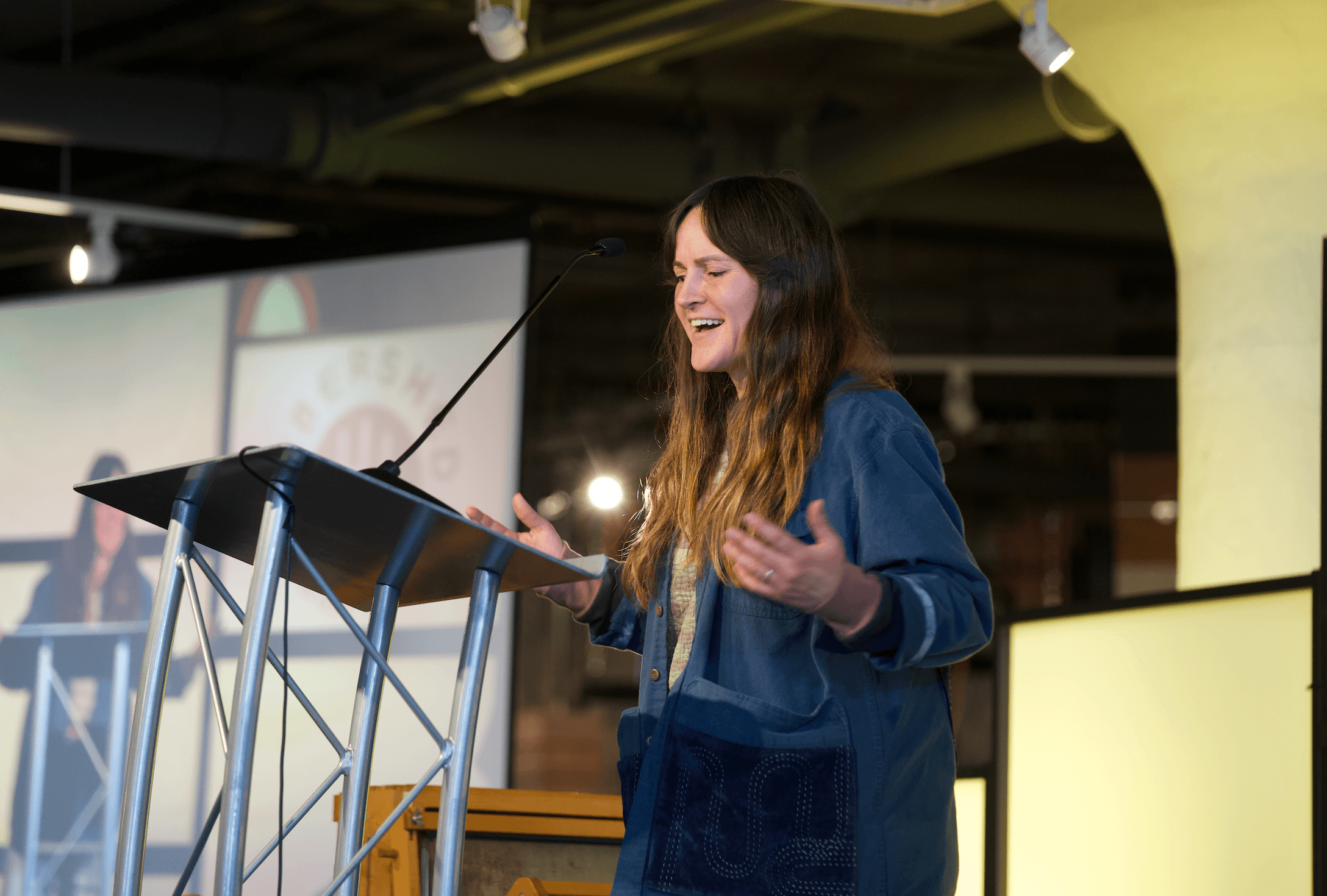
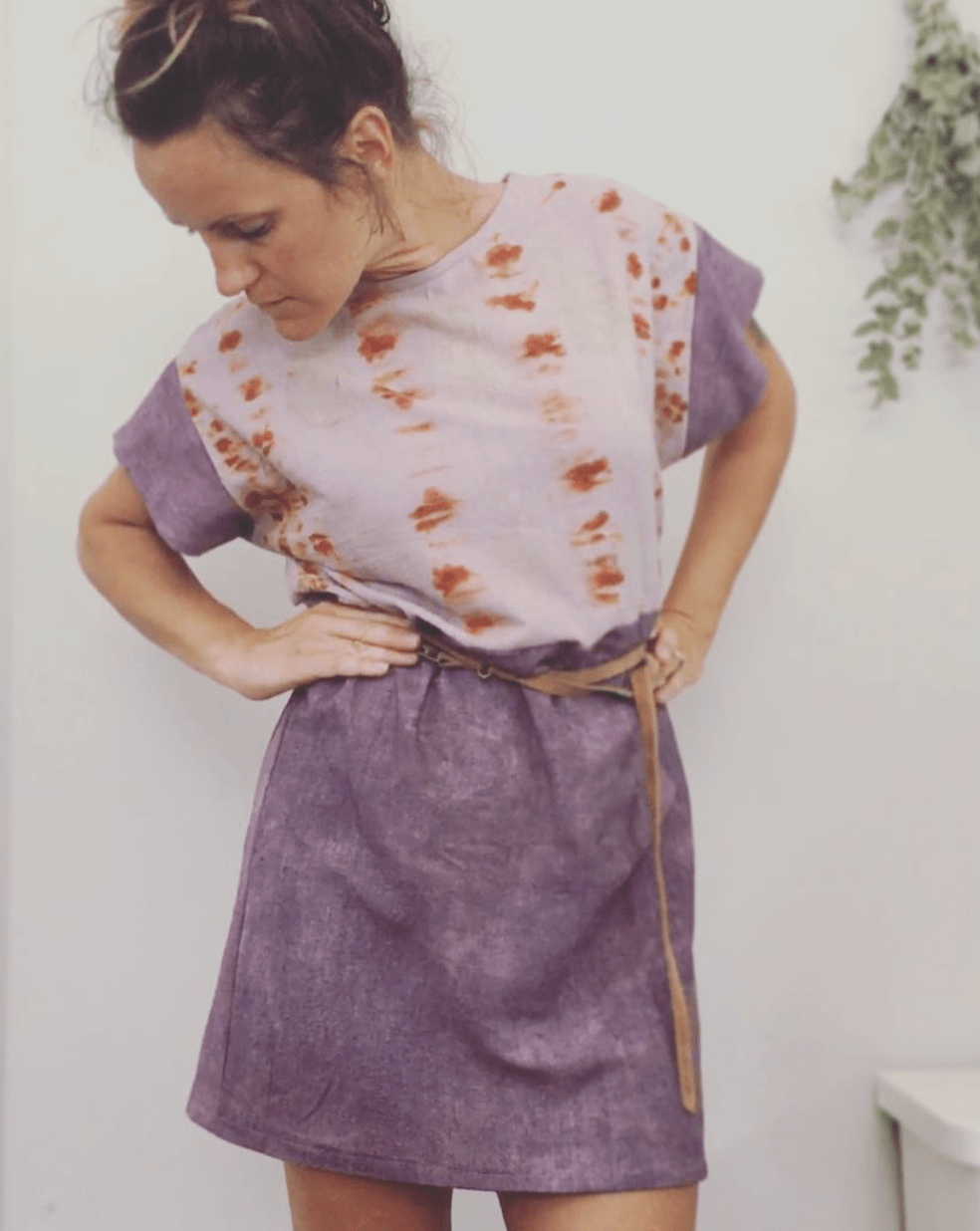
What am I known for? Depends on who you talk to! I’m a mom and a wife and an identical twin, all of which frame much of my identity. As an artist, my practice for almost 18 years now has been natural dyes. My sister Sarah and I co-founded Drift Lab Dye Studio in 2010 and made our own textiles for markets, worked with designers, and taught workshops for about a decade. I also love mending/embroidery and have an art project called Soft Interventions, with textiles as a form of engagement for enlivenment, and Sarah and I also have a new project called Givees that inspires people to participate in the Gift Economy. In addition to being a textile artists and a co-founder of the Rust Belt Fibershed, some of my identity lies in public education. This my 20th year as an English teacher (quite a milestone there!). I’ve learned so much over the years from food and textile systems that have completely changed how I run my public high school English classes. So, I’m currently working on a book – called Edshed, go figure!- to talk about the flow of energy and information from a classroom out into a community and back again. I’m a professional speaker- I speak on place-based systems and initiatives, whether that’s place-based education or textiles or community-oriented art projects. I train schools and Universities to create curriculum centered on place-based education. I think what sets me apart is exactly what Rust Belt Fibershed is about- it’s breaking down the silos of what we think of when we think who should be bothered or involved with the textile industry- it’s everyone! All sorts of different people, with different positions in reality, bringing their experience and varying perspectives to build something local that serves people and place. I guess that’s how I think of myself- with all of these different hats that I wear- privileged to be the person to see the intersections and pull them together. Everything is entangled, always.
What sort of changes are you expecting over the next 5-10 years?
Yes! I absolutely see people finding the value in the experience, in the contribution to their place. I actually can’t see it any other way. We are swimming in consumerism, and we know that the things we buy from big box stores aren’t necessarily making us happier. When we know our neighbors and support them, and they support us, that creates a culture of care. A culture of gifting- of reciprocity! And the economic benefits of shopping locally- I think people have no idea what that would do for our communities. For some reason, people think it would limit us, and I can’t see that at all. I think with certain types of innovation and with all of the information we have, to create local economies around any system, we haven’t even scratched the surface of the benefits- and I’m talking including the financial wellness, but also the things we know we’re missing in our society- the feeling of belonging. We don’t have to shift entirely to a handmade future, but I think people are really looking for something that scratches that itch to help them belong. And I can’t see a more direct line then buying food to nourish yourself from a local farmer or buying a sweater that was knit with the sheep that live and graze 20 miles away.
Pricing:
- Zoom presentations/ Online keynotes for place-based subjects, sliding scale $100-$500
- University Trainings and Workshops on place-based initiatives: $1000+ depending on location and timeframe
- Support the Rust Belt Fibershed – Any Donation Is Incredible! Even just $5/month!
Contact Info:
- Website: https://rustbeltfibershed.org
- Instagram: https://www.instagram.com/rustbeltfibershed/
- Facebook: https://www.facebook.com/p/Rustbeltfibershed-100064834115423/
- LinkedIn: https://www.linkedin.com/in/jessalyn-boeke-7a057a87
- Youtube: https://www.youtube.com/@rustbeltfibershed972
- Other: https://ripple.place/for-colleges-universities
Popular
-

The Change-Makers: stories that inspire
-

Hidden Gems: Local Businesses & Creatives You Should Know
-

Portraits of Ohio
-
Take Flight: Lamar Thomas on Building an Inclusive Brand Rooted in Youth, Community, and Purpose
-

Cultivating Inner Clarity: Angel Inspires on Thought, Healing, and Purpose
-

Local Highlighter Series