



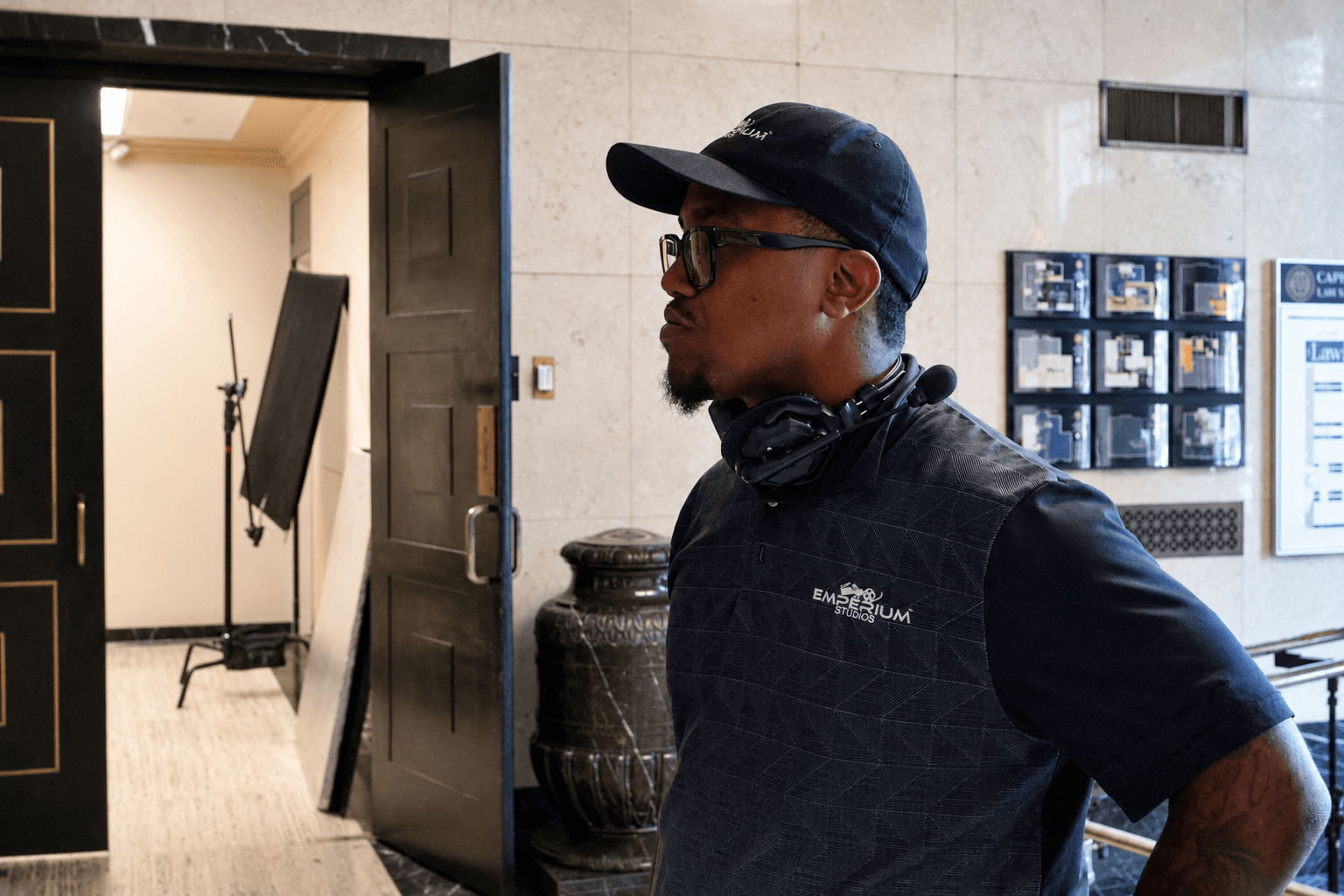
Today we’d like to introduce you to Dom Campbell.
Hi Dom, so excited to have you with us today. What can you tell us about your story?
I got hooked on filmmaking before I understood it was a career option. I was fourteen at a summer camp making a scrappy little short called Fork with a bunch of other kids, and I remember being way more into the filming and editing than anything else that summer. That “putting something together” feeling never really left.
By junior year I was obsessed with Smallville and decided I’d write my own eighteen-episode superhero origin series. I had zero idea what I was doing on the page, no formatting, no structure, just instinct. We shot exactly one production day of it. But I taught myself screenplay format using a free program called Celtx, and I kept writing scripts for years after that, piecing the craft together one YouTube tutorial at a time, the way most self-taught filmmakers do.
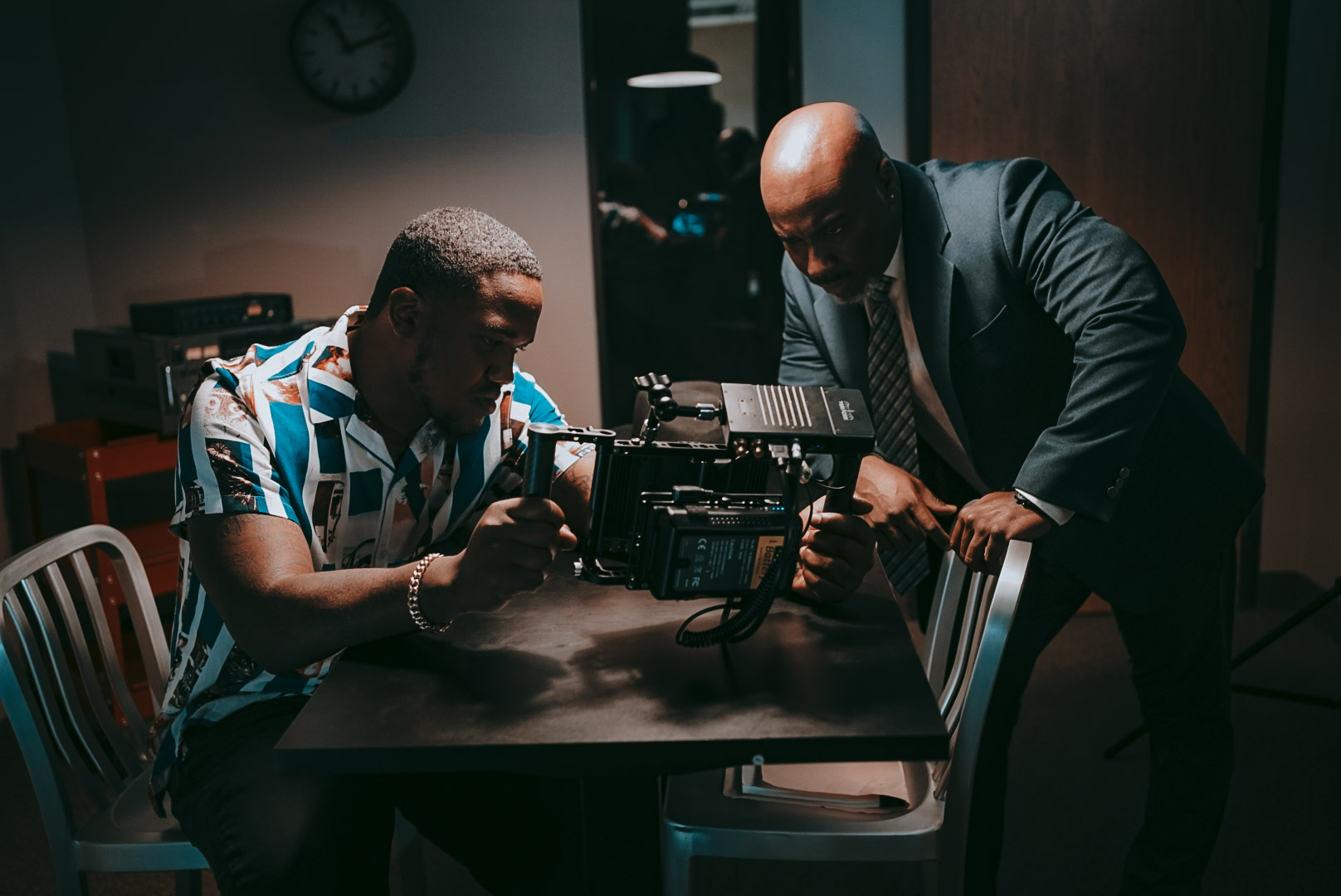
2016 is really where it turned real. I was shooting music videos for a friend trying to break out as a rap artist, which put me in the middle of the local scene and got me on other people’s sets just to watch and learn. That’s how I met a videographer named Chem Vision, and when I finally made my first short film, The Last Draw, I asked him to shoot it. I showed up to that pitch meeting with a full shot list, storyboards, a locked script, a schedule, basically trying to prove the project already existed before I’d spent a dollar.
I thought I had the writing figured out by 2019. I sent a script to my local film commissioner, feeling good about it, and got back a note asking if I’d considered hiring a script doctor. That one stung, but it was the best thing that could’ve happened. It led me to a writer out of LA, Kyle Simone, who tore my script apart and taught me what actually makes a page trustworthy to a stranger.
From there it was repetition: short films, features, projects nobody but me will ever see. My first feature, The Female Hustler, came out in 2021, pulled straight from my mother’s past, and it’s the film that became Emperium Studios. Temporary Suspicion followed in 2022. I started producing for other directors too, and along the way I got burned badly enough by a shady distribution deal that I ended up building my own solution, a company called Blue Crown Motion Pictures and a platform called CrownPlay.TV, so other underserved filmmakers wouldn’t have to learn that lesson the way I did.
Today I’ve got a feature that just released on Tubi, Ava and the Boy She Loved, a short film making its way through festivals called Every Mile Home, and I’m finishing a book on everything this decade has taught me about making movies with the resources you actually have, instead of the resources you wish you had.
I’m sure it wasn’t obstacle-free, but would you say the journey has been fairly smooth so far?
Not even close to smooth. Honestly, if it had been,
The first real gut check came in 2019. I sent a script I was proud of to my local film commissioner, and the note that came back wasn’t about my story at all, it was a suggestion that I hire a script doctor. That’s the kind of feedback that stops you cold, because it tells you the professional reading your pages couldn’t even trust you to hand them something shootable. It sent me back to the drawing board on the most basic level, learning proper format and structure from scratch.
The bigger one, though, was distribution. On Tears for Tasha, I trusted a guy who claimed he had direct relationships with major platforms. He didn’t. For six months I kept hearing “they’re looking at it, management’s going through changes,” and then the film landed on Tubi anyway, the exact platform I could have gone through myself the whole time. A movie that cost us over fifty thousand dollars to make brought in twenty three thousand, and it still hasn’t come close to recouping. I ended up hiring an entertainment attorney just to get the rights back. That whole ordeal is honestly the reason I built my own distribution company, Blue Crown Motion Pictures, and a platform called CrownPlay.TV, because I never wanted another filmmaker to sit where I was sitting, texting someone weekly for updates that never came.
I also made the mistake of moving too fast at one point, funding my next film off the profits of the last one before I’d honestly evaluated whether that last one had actually earned it. I was watching other producers pump out features at a pace that looked impressive from the outside and tried to match their rhythm without their model underneath it. A couple of those projects barely broke even because of it.
None of it stopped me. I’ve learned more from the deals that went sideways and the films that underperformed than from any of the ones that worked exactly as planned.
Thanks for sharing that. So, maybe next you can tell us a bit more about your work?
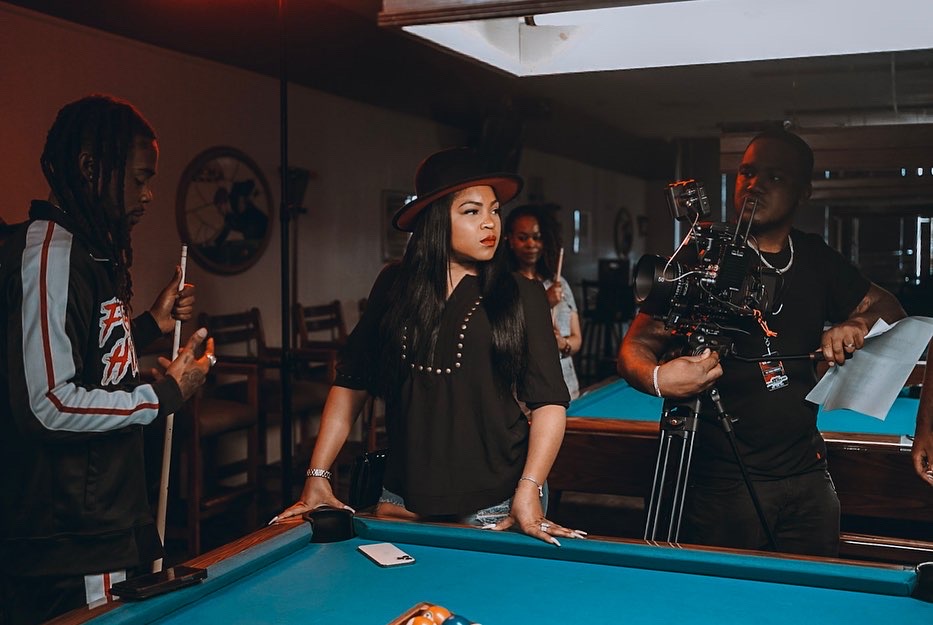
I run Emperium Studios, where I write, direct, and produce, tv and film projects. I also built platforms for filmmakers to take control of their distribution.
I specialize in grounded, character-driven stories, mostly drama with a psychological or emotional edge, though I’ve stretched into comedy and family content too.
What I’m proudest of is that I’ve built something sustainable, not just one film that landed. Emperium Studios exists because The Female Hustler worked, and everything since has been about proving that wasn’t a fluke.
What sets me apart is that I’ve genuinely done every job on a set myself, writer, director, producer, actor, even acting instructor. A lot of people in this industry only ever operate from one seat. I’ve sat in most of them, which shapes how I approach every project now.
Contact Info:
- Website: https://www.emperiumstudios.com/domcampbell
- Instagram: https://instagram.com/emperiumstudios
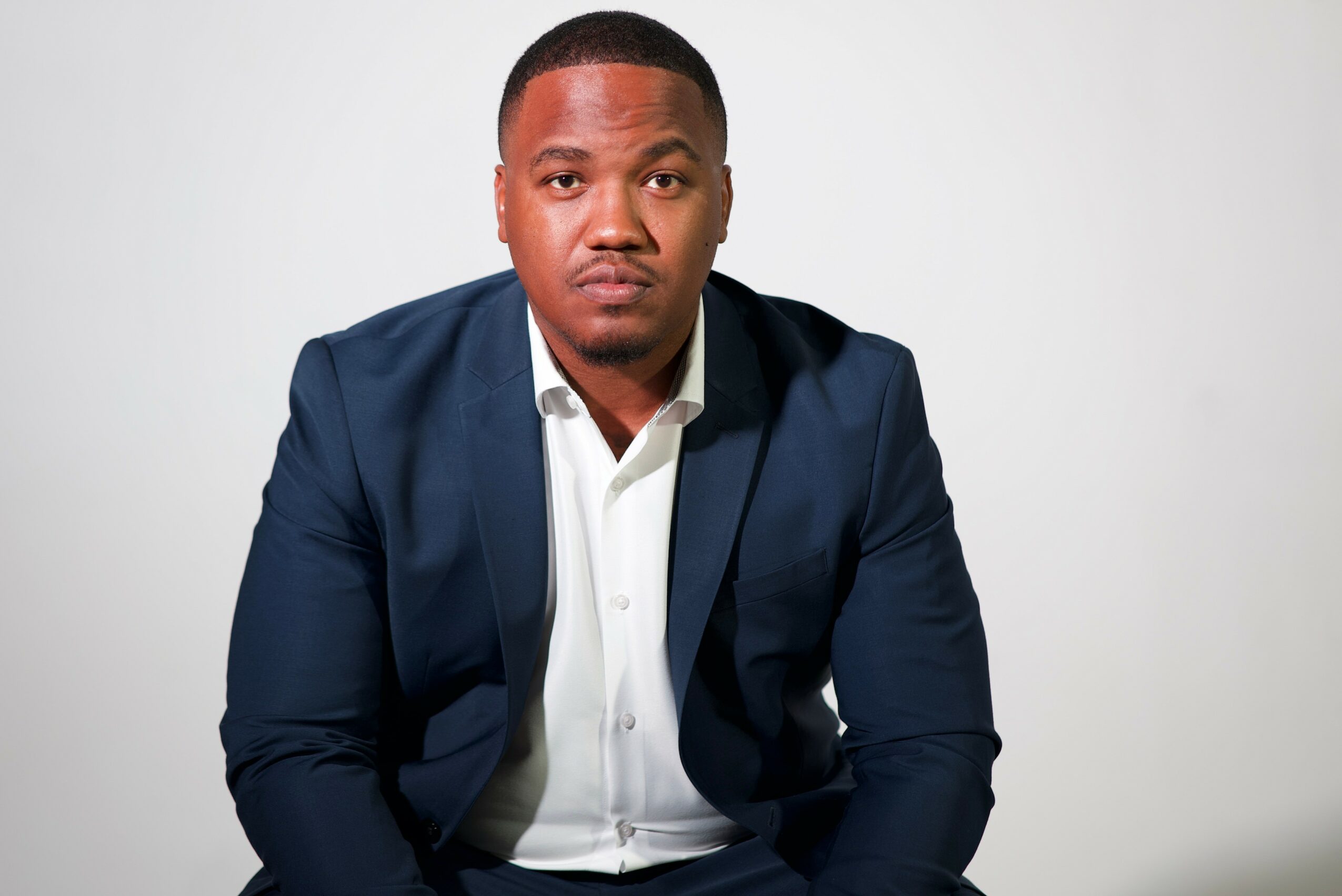
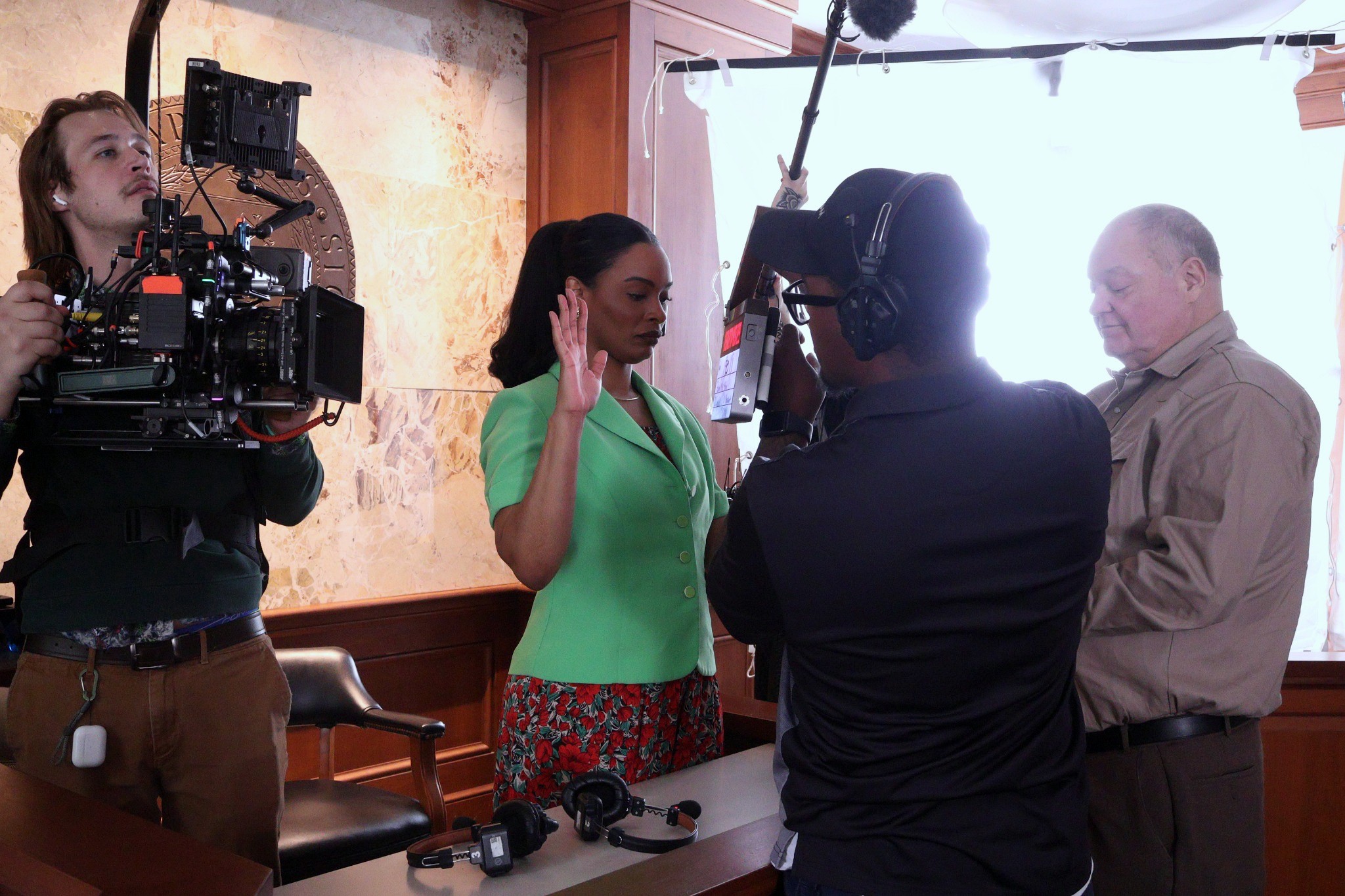
Popular
-

The Change-Makers: stories that inspire
-

Hidden Gems: Local Businesses & Creatives You Should Know
-

Portraits of Ohio
-

Take Flight: Lamar Thomas on Building an Inclusive Brand Rooted in Youth, Community, and Purpose
-

Cultivating Inner Clarity: Angel Inspires on Thought, Healing, and Purpose
-

Local Highlighter Series