



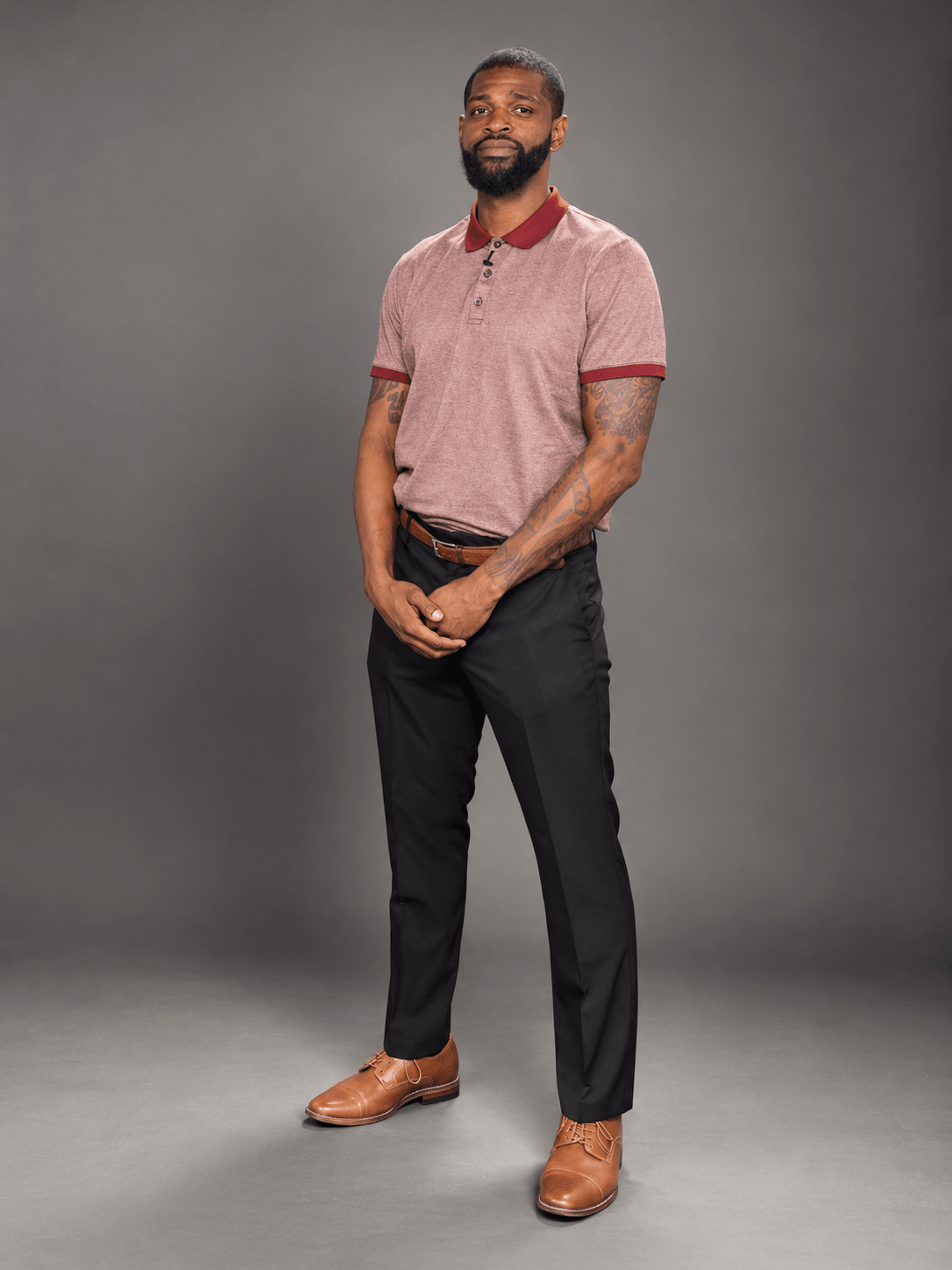
Today we’d like to introduce you to Willis Brownlee.
Alright, so thank you so much for sharing your story and insight with our readers. To kick things off, can you tell us a bit about how you got started?
Basketball was an escape for me long before it ever became a career.
My father passed away from prostate cancer just two weeks after my fifth birthday. Then, shortly after my seventh birthday, I lost my sister following an incident during Mardi Gras. After her passing, her only son—my nephew—came to live with my mother and me. Because we were so close in age and grew up in the same household, our relationship became much more like brothers than uncle and nephew.
Through everything happening around me, I found basketball. I fell in love with the game at an early age and always felt like I was born to play. I became dedicated to working out, training, and learning the game, but even that journey came with adversity.
In seventh grade, right after making the basketball team for the first time, I was diagnosed with Osgood-Schlatter disease. It took me away from basketball and physical activity throughout my seventh and eighth-grade years. Being forced to sit down for nearly a year and a half gave me a completely different appreciation for my body, movement, training, and development—things that would eventually become important parts of the work I do with young athletes today.
By ninth grade, I was back at full strength and able to restart my basketball journey. Then, going into my sophomore year, Hurricane Katrina changed everything. My mother, nephew, and I were displaced, and I eventually landed in Atlanta, Georgia. As difficult as that experience was, basketball once again became a bridge for me. Being in Atlanta exposed me to another level of competition, training, and opportunity.
We eventually returned to Mississippi, where I finished my high school career ranked among the top players in our division. I participated in the Mississippi All-Star Game and won the dunk contest in 2007.
My senior year also gave me one of the experiences that would eventually influence the creation of the Willis Brownlee Foundation.
I had multiple Division I opportunities, but Hurricane Katrina had created complications with my academic records. While attending school in Georgia after the storm, my courses and classification were handled differently. By the time I returned to Mississippi and prepared to graduate and sign, I learned that I did not qualify academically for Division I basketball because of how I had been reclassified.
I had done the work. I had the basketball opportunities. But I didn’t have the knowledge or guidance at the time to understand how something happening behind the scenes academically could completely change my path.
So I went to Mississippi Gulf Coast Community College.
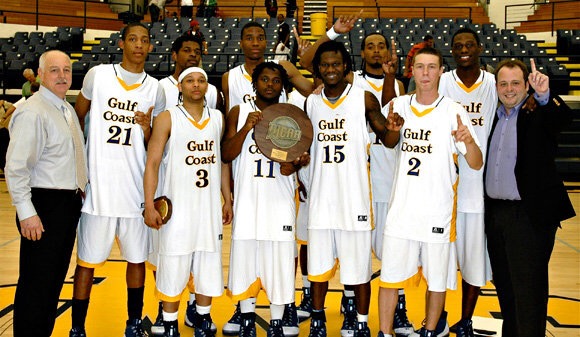
Even there, adversity followed me. During my freshman year, I fractured my tibia and missed the first two months of practice and conditioning. I eventually returned and played that season while dealing with the injury and the risks that came with it. I recovered, and our team went on to win a state championship and advance to the national tournament in Kansas.
The following season, I averaged around 16 points and nine rebounds and earned an opportunity at Alcorn State University. After a difficult season and a coaching change, I found myself at another crossroads. Fortunately, I had developed a great relationship with Kentucky basketball legend Dale Brown, and that connection ultimately helped lead me to Clark Atlanta University for my senior season.
We had an amazing year, and after college I had an opportunity to pursue the draft process. I ultimately chose not to move forward with the opportunities presented because the contractual situations weren’t right for me. But that didn’t stop my basketball journey.
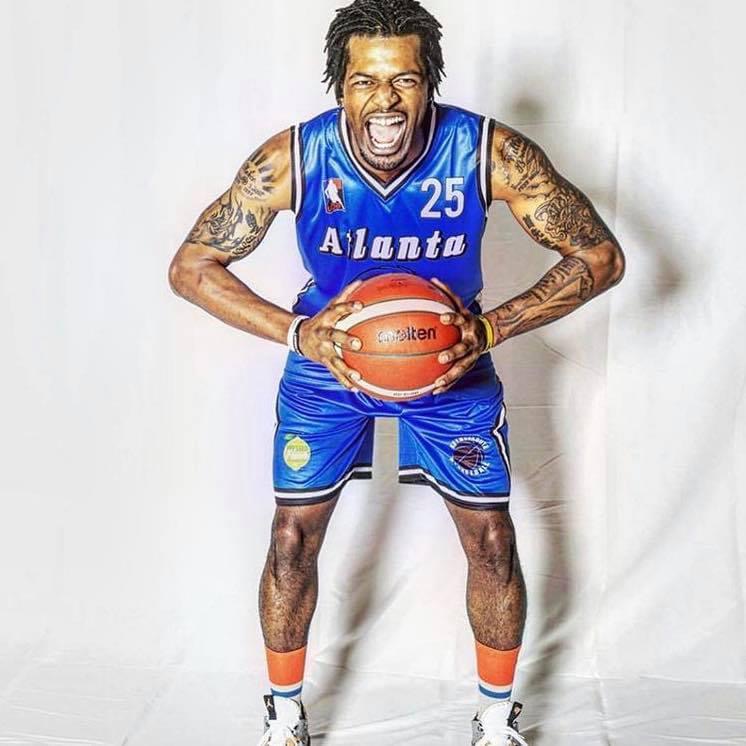
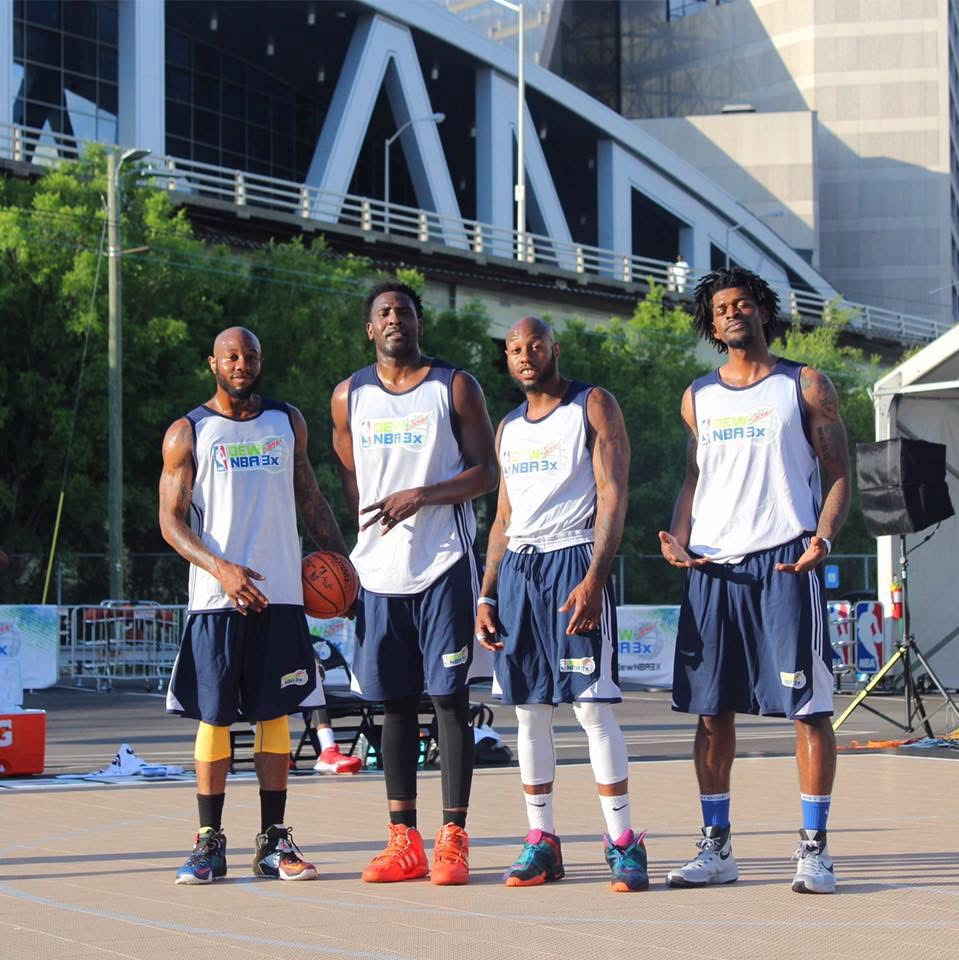
I continued playing professionally and built a career that took me places I never could have imagined as that kid using basketball as an escape. I spent two seasons as part of the Ball Up Tour and television show, played in Australia out of Melbourne, toured China and parts of Canada, and competed throughout professional and high-level leagues and tournaments in the United States.
Every city, team, setback, injury, opportunity, and relationship taught me something.
Then the pandemic happened, and for the first time in a long time, everything slowed down. I couldn’t continue traveling and pursuing basketball the way I had before, so I finally had time to sit down and ask myself what all of these experiences were preparing me to do next.
That’s where the vision became bigger than basketball.
I wanted to create something that could give young people some of the guidance I wish I had throughout my own journey. Basketball became the platform, but the mission became much greater.
Today, through the Willis Brownlee Foundation, we use athletics to connect with young people while focusing on leadership, mentorship, player and skill development, education, community outreach, and support for children and families in need. We’re also building our scholarship initiative to provide opportunities for both male and female student-athletes pursuing their education.
When I look back, my journey has been nothing short of amazing—but it has also been extremely difficult. Some of those difficulties were unavoidable parts of life. Others could have been different if I had simply had access to the right information, resources, or person at the right moment.
That’s what drives me now.
I can’t remove every obstacle a young person will face, and I don’t want to. Adversity helped build who I am. But if my experiences can help a young person avoid an unnecessary setback, recognize an opportunity, understand their body, navigate the transition from high school to college, believe in themselves, or simply know that somebody is in their corner, then everything I’ve gone through has another purpose.
That’s really what the Willis Brownlee Foundation represents to me. We’re building people brick by brick.
I believe everybody needs help at some point. Needing guidance doesn’t make someone weak, and not having every answer doesn’t make a parent or family a bad person. Sometimes it simply takes another person willing to step into their position as a mentor, coach, teacher, neighbor, or leader.
If more of us are willing to do that, we can give the next generation more opportunity, more confidence, and a stronger foundation than the one we inherited. That’s the work I’m committed to now, and in many ways, it’s what my entire journey has been preparing me for.
Alright, so let’s dig a little deeper into the story – has it been an easy path overall and if not, what were the challenges you’ve had to overcome?
It definitely has not been a smooth road. If anything, my journey has taught me how to keep moving when the road changes completely.
I experienced loss very early in life, losing my father shortly after my fifth birthday and my sister a couple of years later. Basketball became my escape, but even basketball came with its own challenges. Osgood-Schlatter disease took the game away from me for nearly a year and a half as a kid. Hurricane Katrina displaced my family and eventually took me from Mississippi to Atlanta. When I returned home, complications with my academic records and classification after the storm caused me to miss out on Division I opportunities that I had worked extremely hard to earn.
Then I fractured my tibia during my freshman year of college. Later, after earning another opportunity at Alcorn State, a coaching change forced me to reevaluate my future again. Even when I reached the professional level, there were contracts I had to walk away from, opportunities that didn’t work out as planned, and the constant uncertainty that comes with trying to build a career in professional basketball.
Then the pandemic brought that chapter of my life to another unexpected stop.
For a long time, it felt like every time I built momentum, life presented another obstacle. But looking back, those experiences taught me how to adapt. I learned that sometimes the original plan doesn’t work, but that doesn’t mean your purpose has changed.
Some of the hardest moments were actually the situations that I believe could have been avoided with better information, resources, mentorship, or guidance. That’s a major reason the Willis Brownlee Foundation means so much to me today. I know what it feels like to have the talent, the work ethic, and the opportunity in front of you, but still encounter obstacles you weren’t prepared to navigate.
My goal isn’t to make life easy for the young people we serve. Challenges are part of growth. My goal is to help prepare them for those challenges and make sure they don’t have to learn every lesson the hard way.
I’ve learned that setbacks don’t necessarily mean you’re going backward. Sometimes they’re redirecting you, developing you, or preparing you for something you couldn’t see at the time. A lot of what I once viewed as obstacles are now experiences I use to help someone else.
That’s why “Brick by Brick” means more than a motto to me. It’s how I’ve had to build my entire life.
We’ve been impressed with Willis Brownlee Foundation, but for folks who might not be as familiar, what can you share with them about what you do and what sets you apart from others?
The Willis Brownlee Foundation is a 501(c)(3) nonprofit organization built around a simple idea: use basketball as a platform to create opportunities that extend far beyond the game.
Our mission is centered around youth development, mentorship, education, wellness, leadership, and community impact. Basketball may be what initially connects us with a young person, but our goal is to develop the person underneath the jersey.
One thing that sets us apart is that a lot of what we do comes directly from experiences I’ve lived myself. I’ve been the young athlete trying to figure out what comes next. I’ve dealt with injuries, academic setbacks, recruiting, transferring schools, coaching changes, professional opportunities, contracts, international basketball, and eventually figuring out who I was when basketball wasn’t the only thing in front of me anymore. Instead of keeping those lessons to myself, I wanted to turn them into resources for the next generation.
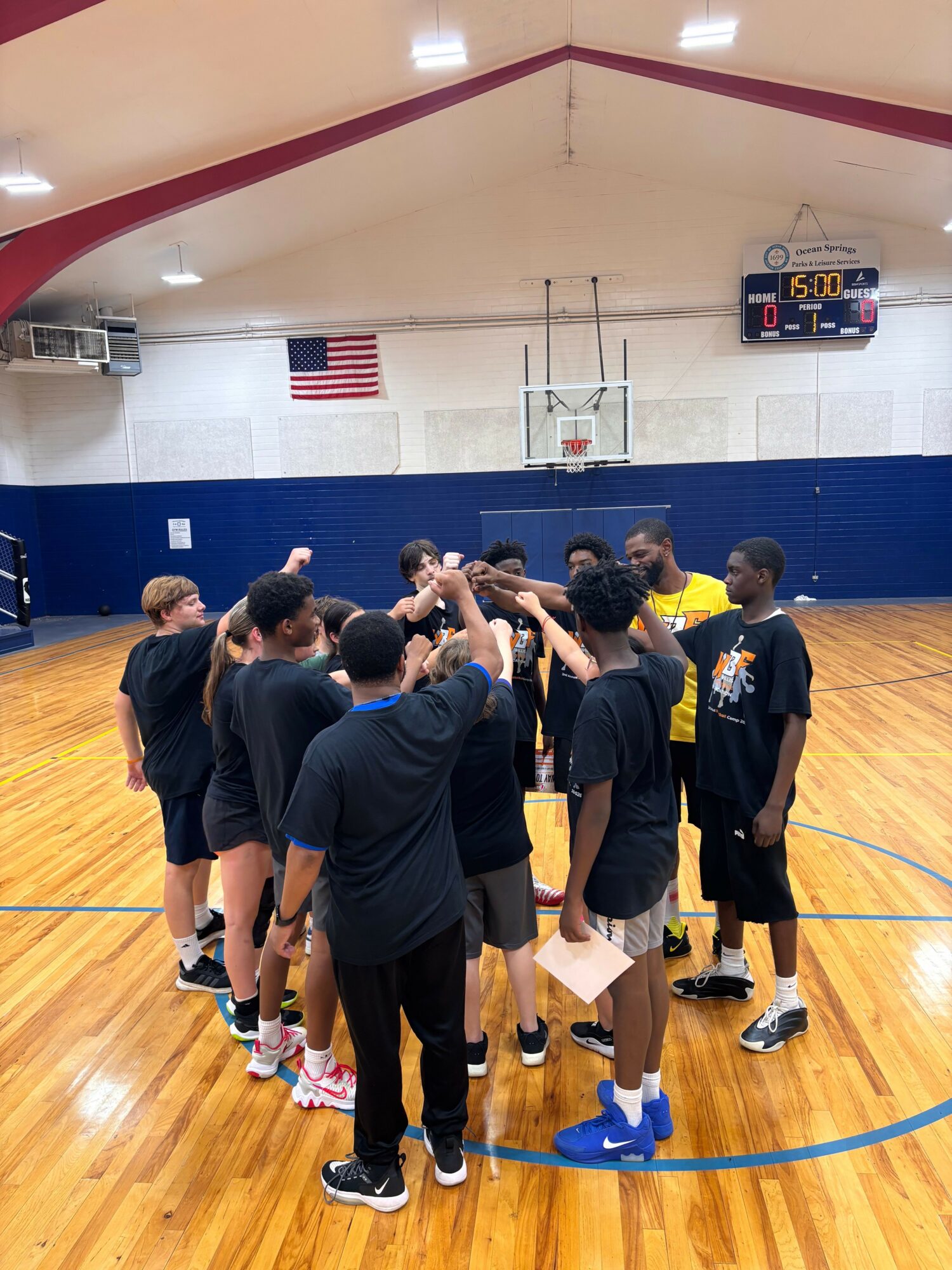
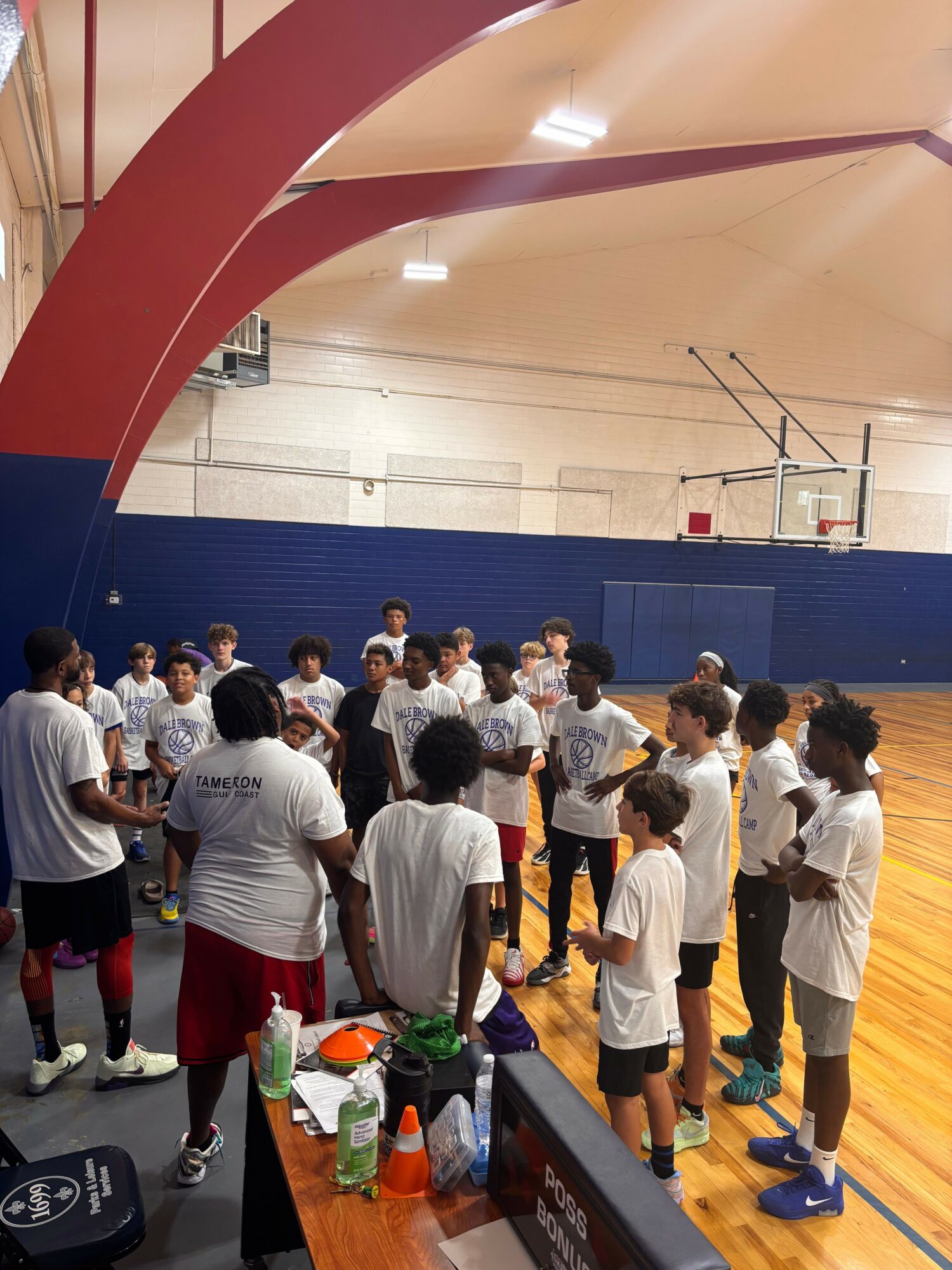
Athletically, we focus heavily on understanding the difference between simply training an athlete and actually developing one. We teach mechanics, movement, footwork, body control, skill development, and how young athletes can better understand their growing bodies. As they progress, we want to help them develop the skills, discipline, confidence, and basketball IQ necessary to reach another level.
But WBF is much bigger than basketball.
Education is extremely important to us. We’re developing college and career readiness opportunities because I personally understand how one missing piece of information can alter an athlete’s entire path. We’re also building our Legacy Scholars initiative, through which we plan to award scholarships to both male and female student-athletes and help provide resources as they transition into higher education.
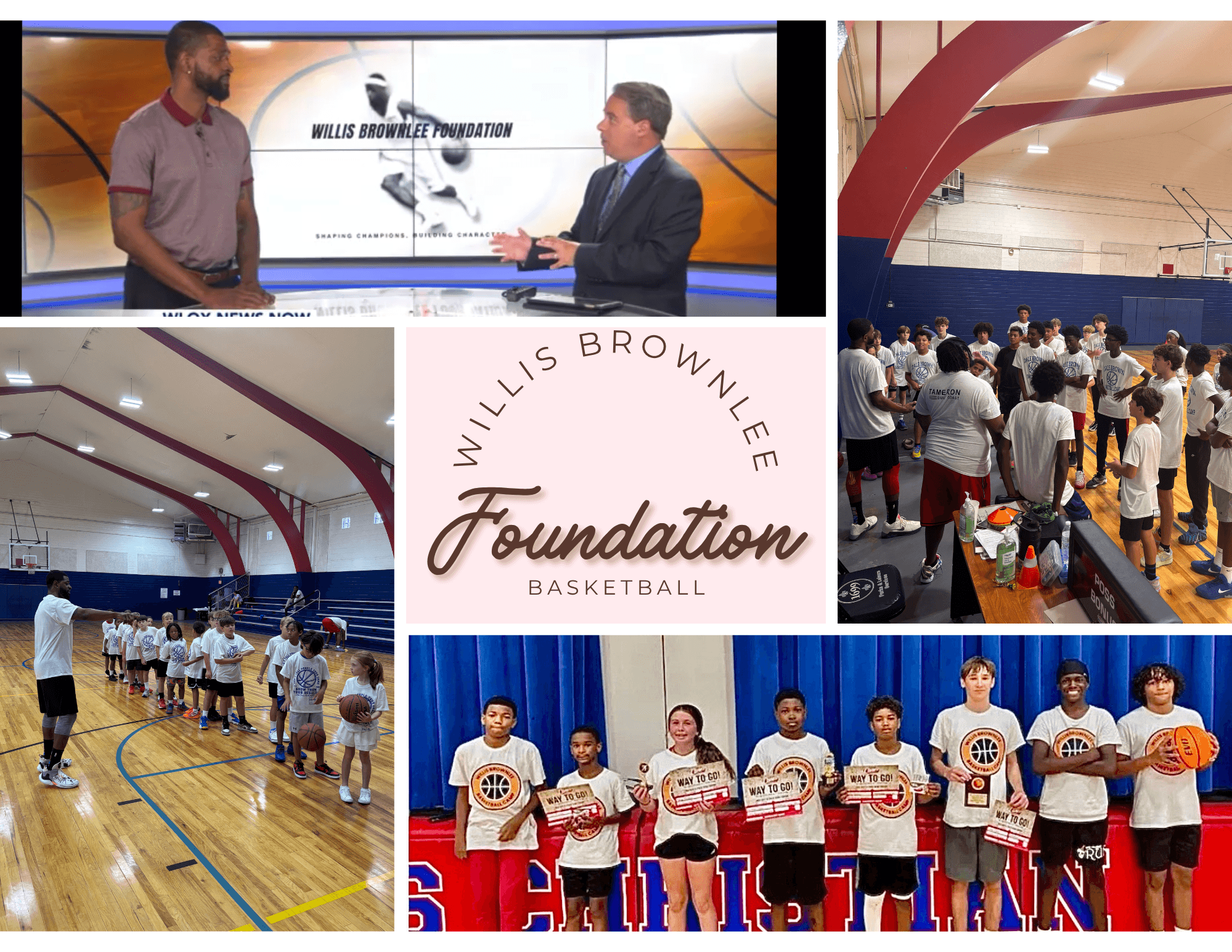
Community service is another major part of our identity. Through initiatives like Box Out Hunger and Kids Christmas Care, we serve children and families beyond the basketball court. We also host basketball camps, mentorship opportunities, community events, and programs designed to expose young people to experiences and relationships they may not otherwise have access to.
What I’m probably most proud of brand-wise is that we’re building something authentic. We’re not trying to look like a huge organization before becoming one. We’re building relationships with families, schools, businesses, coaches, community organizations, and supporters one connection at a time. Every partnership, every child we serve, every volunteer, every donation, and every opportunity we create becomes another brick in the foundation.
That’s where our motto, “Brick by Brick,” comes from.
It represents patience, development, consistency, and understanding that meaningful impact isn’t built overnight. The same way you develop an athlete or build a successful life, we’re building this organization one brick at a time.
Ultimately, I want people to understand that the Willis Brownlee Foundation isn’t just about creating better basketball players. We want to help develop healthier, more prepared, educated, confident young men and women who understand that their potential extends beyond whatever sport they play.
Basketball opened doors around the world for me. Now I’m using that same game to hold the door open for somebody coming behind me.
So, before we go, how can our readers or others connect or collaborate with you? How can they support you?
There are quite a few ways people can work with, collaborate with, or support the Willis Brownlee Foundation. We try to make ourselves accessible through our website, social media platforms, and direct involvement within the communities we serve.
For individuals, support can be as simple as volunteering at an event, attending one of our programs, sharing our mission, making a donation, becoming a recurring supporter through our Legacy Builders community, or connecting us with a young person or family who could benefit from our resources.
We’re also always interested in collaborating with coaches, trainers, educators, schools, community organizations, nonprofits, and other individuals who share our passion for youth development. We believe collaboration allows us to provide young people with resources and expertise that go far beyond what any one organization could provide alone.
For businesses and corporations, there are opportunities to sponsor programs and events, provide financial or in-kind donations, host collection locations for our community initiatives, contribute equipment or supplies, support scholarships, or develop longer-term community partnerships with us.
One thing I want people to understand is that support doesn’t always have to be financial. Sometimes the most valuable contribution is a relationship, an introduction, a resource, knowledge, time, or simply helping us reach someone we wouldn’t have been able to reach otherwise.
We’re building this organization around community, so I always welcome conversations with people who believe they can contribute to the mission. Whether you’re a parent, athlete, volunteer, educator, business owner, corporation, coach, or simply someone who believes in creating better opportunities for young people, there’s a way to become part of what we’re building.
That’s really the meaning behind “Brick by Brick.” Everybody can bring a brick.
Pricing:
- Legacy Builders Membership – $10/month: Our recurring supporter community helps sustain the Willis Brownlee Foundation’s youth programs, community initiatives, educational opportunities, and continued growth.
- Youth Camps, Clinics & Programs: Pricing varies depending on the program. We work to keep our programs affordable and accessible to families, with discounts and sponsored opportunities available when possible.
- Community Events & Initiatives: Many of our community outreach initiatives are provided at no cost to the children and families we serve.
- Donations & Sponsorships: Individuals and businesses can support the Foundation at any level through one-time donations, recurring contributions, in-kind donations, event sponsorships, and community partnerships.
- For current program registration, upcoming events, sponsorship opportunities, or ways to support our mission, we encourage readers to connect with the Willis Brownlee Foundation through our website and social media platforms.
Contact Info:
- Website: https://www.willisbrownleefoundation.org/
- Instagram: https://www.instagram.com/willisbrownleefoundation/
- Facebook: https://www.facebook.com/willis.e.brownlee
- Youtube: https://youtube.com/@willisbrownleefoundation?si=c5pu19NI8ArVPI9M
Popular
-

The Change-Makers: stories that inspire
-

Hidden Gems: Local Businesses & Creatives You Should Know
-

Portraits of Ohio
-

Take Flight: Lamar Thomas on Building an Inclusive Brand Rooted in Youth, Community, and Purpose
-

Cultivating Inner Clarity: Angel Inspires on Thought, Healing, and Purpose
-

Local Highlighter Series