



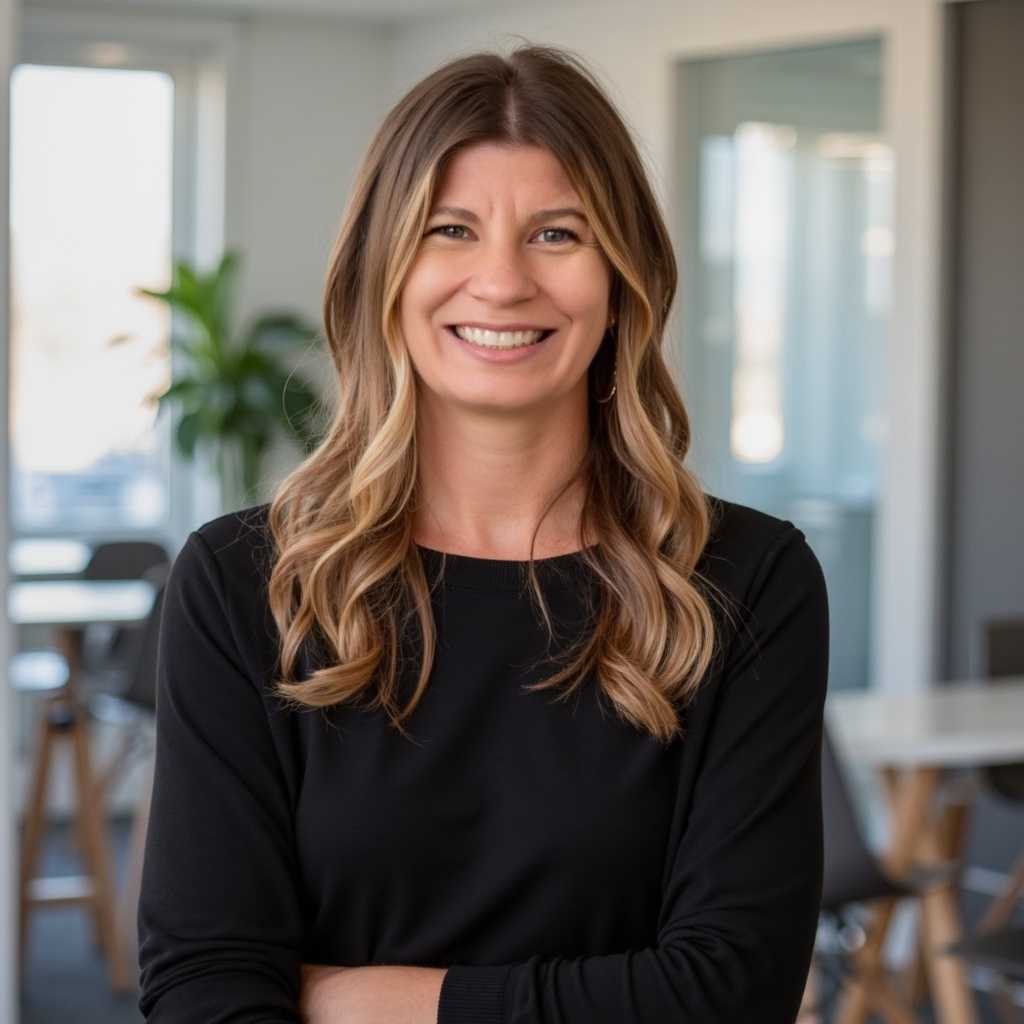
Today we’d like to introduce you to Jennie.
Hi Jennie, can you start by introducing yourself? We’d love to learn more about how you got to where you are today?
My path into marketing didn’t follow a straight line, and I’ve stopped apologizing for that.
I started college, left after one semester to study abroad, and then came back and picked up where I left off. I was living at home and taking classes, and life felt like it was running on the same track it always had.
Then I joined the military. I got married, we had kids, and we moved to Arkansas. I took a job at a bank there, and someone told me that $9 an hour was good money for a woman. That comment offended me, and it never left me. It’s a big part of why I moved back home and went back to finish my bachelor’s degree.
I had my third child while I was finishing that degree. She was born on a Friday, and I was back in class on Monday. I was carrying a double course load because I had kids to take care of and needed to start earning a real income as fast as I could.
When I asked for a letter of recommendation, the answer surprised me. They offered to recommend me for a teaching assistant position. My first reaction was that I couldn’t afford it, because I needed a job that paid the bills. Then they explained that the position paid and that my master’s degree would be free. I took it on the spot.
While I worked on my master’s, I landed a job at a PR firm. That led to a role at a digital marketing agency, and from there I was recruited by TMW Systems in Mayfield Heights. That was 2016, and it was my introduction to transportation and logistics. Once you’re in this industry, you don’t really leave.
TMW later merged with PeopleNet and TenFour to become Trimble Transportation. After that, I joined a friend at Transportation Insight, but the job had me flying to North Carolina for a week every month. With three young kids at home, that schedule wasn’t sustainable, so I found a role closer to home at Banyan Technology in Westlake, Ohio.
Then COVID hit, and a friend asked me to join her at her marketing agency. I’m naturally risk-averse, and I hesitated before I said yes. I joined in 2020, and when she decided to step away in 2021, I took over full ownership. We served transportation and logistics companies exclusively.
By 2026, AI had changed the way I work from the ground up. In 2025, most people were using it to write. In 2026, the work became agentic and integrated. I was connecting APIs and MCPs and building my own interfaces, and I realized that one person with the right systems could do what used to take a whole team.
So I made a hard decision. I moved away from the agency model and became a fractional head of marketing for a small number of companies. I work from home, and I love it.
I have one requirement for every client, which is that they provide the computer I work on. I build everything inside their systems, including the automations and the agents. If we ever part ways, they keep all of it. Nothing they paid for walks out the door with me.
That’s what I do today, and that’s how I got here.
We all face challenges, but looking back would you describe it as a relatively smooth road?
No no smooth road at all. As I had mentioned in my first response, there were a lot of ups and downs. There was a lot of figuring things out. There was a lot of “What path do I take from here?”
Most recently, I think having the agency and then making the decision to let people go and embrace technology was really hard. I still think the people that I let go are phenomenal, and I highly recommend them to everybody I talk to that’s looking for a writer.
I just feel like I couldn’t go into the room anymore and say, “Hey, do you want to blog for $3,000?” AI just changed the game in all ways, and it’s probably the biggest obstacle that I’ve ever seen in this industry. At the same time, it’s the biggest opportunity. That’s kind of how I like to think about things: obstacles are opportunities, and you got to rise to the occasion.
As you know, we’re big fans of Virago Marketing. For our readers who might not be as familiar what can you tell them about the brand?
Virago Marketing is my firm, and it has served the transportation and logistics industry exclusively since 2020.
Today I work as a fractional head of marketing. I connect a client’s systems, build the marketing strategy and the go-to-market plan, and then I execute it myself. I’m a one-person team, and I often direct a client’s internal staff or outside vendors alongside my own work.
Virago used to be known for great content, largely because I had a great writer on the team. Now it’s known for something different. I plug into your team and become your marketing department, and I cover the full range of work without a staff behind me. I can handle video editing, social media and go-to-market strategy with equal confidence. A landing page used to cost you $1,600 from an outside designer, and now I can build it myself with AI. I’m scrappy, and my clients get the benefit of that.
I’ve also started two other ventures that grow out of the same belief that the best work comes from real connections.
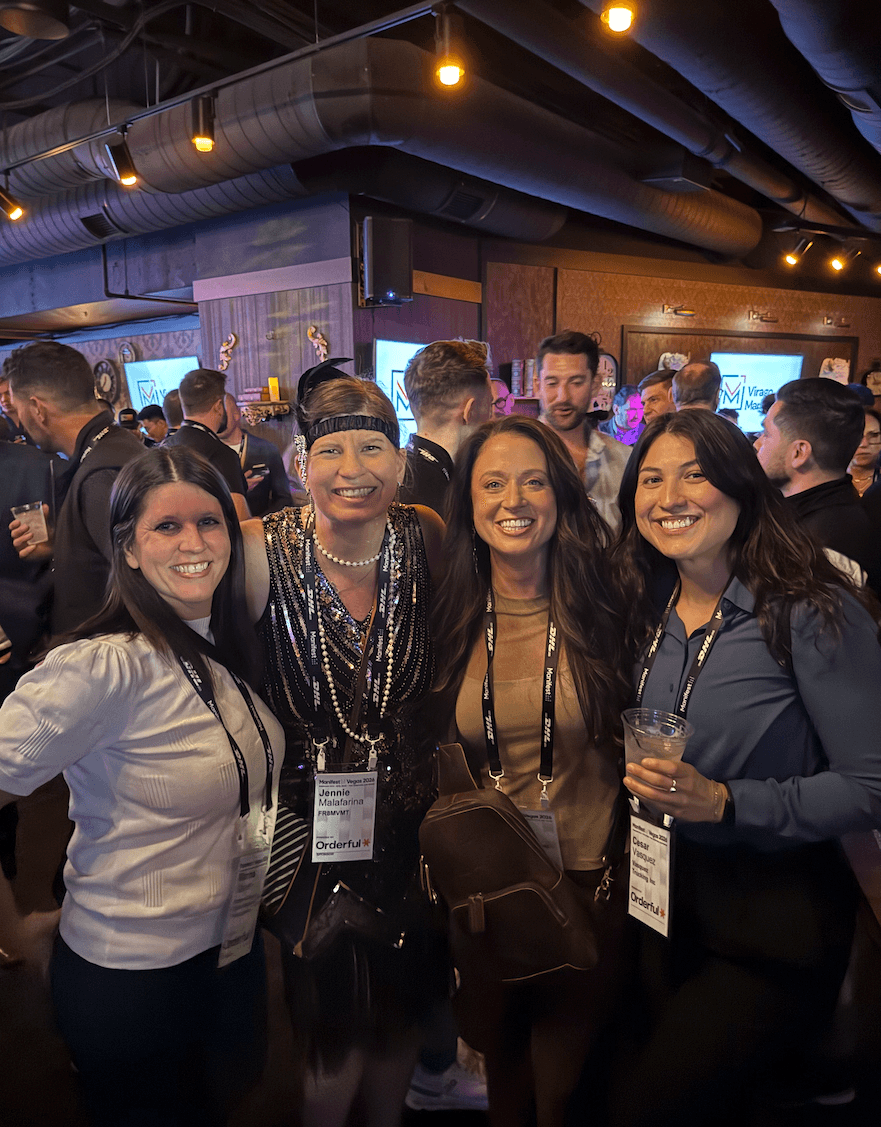
The first is FR8MVMT, which runs local freight industry events. We pop up in cities across the country and alongside major national conferences. The whole point is to get people in the same room, because you never know what will come out of a single conversation. Breaking down silos between carriers, brokers and shippers is at the heart of everything we do.
The second is CAMMI, which stands for Chat Agent Marketing Manager Interface. I took everything I know about marketing and turned it into templates, including how I build go-to-market strategies, how I define ICPs, and how I approach the rest of the work. Then I taught an AI agent to follow that same thinking. CAMMI lets other companies buy that agent and run their marketing with the frameworks and judgment I’ve built over the years.
What has been the most important lesson you’ve learned along your journey?
I have a work hard, play hard mentality, and I’ve never lost that along the way. I think you put in the work, you do a good job, but then you reward yourself for the solid work, and you celebrate with your team. You celebrate the successes, big or small. You should appreciate what you do. I know that I wake up every day with something new to do, and I love that. I could not imagine doing anything else.
Owning a business isn’t all rainbows and lollipops. It’s hard, and a lot of the hard parts are things nobody prepares you for, like knowing what to prioritize or how to handle your taxes.
The smartest move I’ve made is surrounding myself with people who know what I don’t. Find those people, trust them to do their part, and give yourself room to focus on what you do best. You’ll both do better work that way.
Relationships matter more than almost anything else in business. That goes for employees, colleagues, clients and the people you meet at an event who don’t seem relevant yet. Invest in them, because they’re what carry you through the rough stretches.
The hardest lesson I learned was about partnership. Think very carefully before you go into business with someone. You might start out sure you’re building something together, and that can change faster than you expect. When it changed for me, I suddenly owned a business I wasn’t prepared to run on my own. I had to learn how to run it and grow it the hard way. I wasn’t willing to give up, so I pushed through, and that’s the part I’d tell anyone starting out. You’ll hit moments when quitting looks easier, and pushing through is usually what makes the difference.
Contact Info:
- Website: https://viragomarketing.com
- LinkedIn: https://www.linkedin.com/in/jennie-malafarina/
Popular
-

The Change-Makers: stories that inspire
-

Hidden Gems: Local Businesses & Creatives You Should Know
-

Portraits of Ohio
-

Take Flight: Lamar Thomas on Building an Inclusive Brand Rooted in Youth, Community, and Purpose
-

Cultivating Inner Clarity: Angel Inspires on Thought, Healing, and Purpose
-

Local Highlighter Series