




Today we’d like to introduce you to Danielle Delaine.
Hi Danielle, so excited to have you with us today. What can you tell us about your story?
Herban Vegans began as something deeply personal long before it became a business.
Years ago, I was diagnosed with an immune-related illness. At the time, my doctors had very few answers beyond prescribing medications to manage my symptoms. Eventually, after exhausting the options they could offer, they released me from their care. That experience became a defining moment for me. I promised myself I would keep searching for a better quality of life and become an active participant in my own healing.
I felt strongly that food was connected to how I was feeling, even though I had never considered myself a particularly unhealthy eater. My transition happened gradually. I gave up beef and pork 29 years ago during my pregnancy, and after my son was born, I never returned to eating them. Because I had never been a heavy meat eater, that first transition was not especially difficult. Over the years, I eliminated chicken and turkey and then lived as a pescatarian for approximately 13 years before eventually becoming fully vegan.
With each transition, I felt better. That feeling became a personal challenge and, honestly, an obsession with discovering what my own optimal health could feel like. I would ask myself, “If I feel better now, what might the next step feel like?” Then I would eliminate something else and find out.
I had spent years not feeling well, and very few people could relate to my journey. At that time, there was also far less information available about my diagnosis. I wanted more than symptom management. I wanted to pursue healing and understand what my body really needed.
I was raised with a strong spiritual foundation, so I already believed that God provided what we need to live well—we simply have to become open to what is being revealed to us. The more I practiced that belief, the more resources seemed to find me. I encountered people, research, documented experiences, and other forms of evidence that supported what I had already begun to feel within myself.
As I started feeling better than I had in years, I got excited to share what I was learning through the dishes I created at home. I was already a foodie before Herban Vegans was ever imagined. I loved dining out, exploring different cultures and flavors, and experimenting in my own kitchen. Even before becoming vegan, I would taste a dish and immediately begin thinking about what I could add or change to make it even better. Creativity and curiosity have always run through my veins; the medium never mattered.
My first pop-up was in 2017. A dear friend and I secured a space, prepared the food, and offered the entire experience on a donation-only basis. We believed in the food enough to allow people to decide what the experience was worth. The response and feedback were incredible—and we actually received more through donations than we might have made by setting a fixed price.
After that, I began inviting people into my home to try the recipes I had been perfecting, often asking each guest to bring someone with them. What started as an idea quickly grew in popularity. Because seafood had been the last category I gave up after being pescatarian for so many years, many of my earliest creations were plant-based interpretations of the seafood dishes I had most recently loved. Back then there weren’t plant-based seafood options, so I had to create them from scratch. I used my senses and my kitchen instincts as my guide. Those dishes became a hit and helped establish one of the creative foundations of Herban Vegans.
We later partnered with Café Vivace, a jazz café and lounge, to host a weekend plant-based brunch experience called “Vrunch.” Every Saturday and Sunday, we served sold-out crowds. We received our first feature in The Cincinnati Enquirer, which we proudly framed. We were being noticed from the very beginning, and it felt incredible to experience so much early momentum and support.
Inclusivity was always central to the vision. I never wanted our customer base to resemble anything I had already seen. I wanted Herban Vegans to become a melting pot of people who could enjoy the same culinary experience together, regardless of whether they identified as vegan. I wanted every guest to receive exceptional food, genuine hospitality, and a level of customer care they might not have experienced elsewhere.
By early 2020, the word was spreading so quickly that we could barely keep up. Then the pandemic shutdown happened just as we were finding our footing at Café Vivace. We could no longer serve people in the same way, so we used the interruption to strengthen the internal foundation of what we were building. We also continued cooking for many of our regular customers and delivering meals directly to their homes. We did not want them to feel forgotten or be without the food they had come to enjoy. Being able to serve them during that time meant a great deal to us.
When things began reopening, I knew Findlay Kitchen was where I needed to be. As a seasoned entrepreneur, I understood business, but I also recognized that the restaurant industry had many moving parts and that I needed industry-specific knowledge and support. Findlay Kitchen gave me access to a culinary incubator, experienced chefs, organizations, resources, and a sense of camaraderie I couldn’t have gotten from a classroom alone. My business and finance background alone couldn’t have prepared us for all we learned.
We hosted events, participated in the weekend markets, offered delivery through DoorDash, and continued expanding our audience. We also participated in Taste of Cincinnati and built strong momentum. After using the shutdown to strengthen the concept, I was in full “go mode.” I had a vision for Herban Vegans that I had never seen executed before, and I was excited to bring everything I had put on paper to life. Even today, we are nowhere near the full vision I see for the company.
We were eventually selected for a storefront opportunity connected to the Findlay Market district. I applied immediately because I was serious about our growth and ready to take another leap of faith. I remember thinking, “It is now or never.”
Opening that first restaurant became one of the greatest learning experiences of my life. The program included classroom components, but nothing compared to the hands-on education of showing up every day and being responsible for rent, food costs, utilities, vendors, accounting, and the labor expenses of an eight-person team. We learned by doing.
We had sold-out days that further confirmed we were building something special. Being located in the Findlay Market business district introduced Herban Vegans to the public on a much larger scale, and our following grew tremendously. We expanded into house-made sauces and beverages for retail and developed additional concepts, including Pantry Potion Tinctures and RAZAA, a zero-proof adult beverage brand that we are preparing to reintroduce.
During the first few months of operating our restaurant, we entered Taste of Cincinnati almost on a hunch. We didn’t know how the public would receive our plant-based gumbo-and-jambalaya combination, but our signature Gumbolaya won a Best of Taste award. It remains a customer favorite today.
Our Miracle Mac also became a favorite. Guests couldn’t believe chickpeas formed the base of a dish that still had the comforting taste and experience of traditional baked macaroni and cheese. That sense of surprise is how the name “Miracle Mac” stuck.
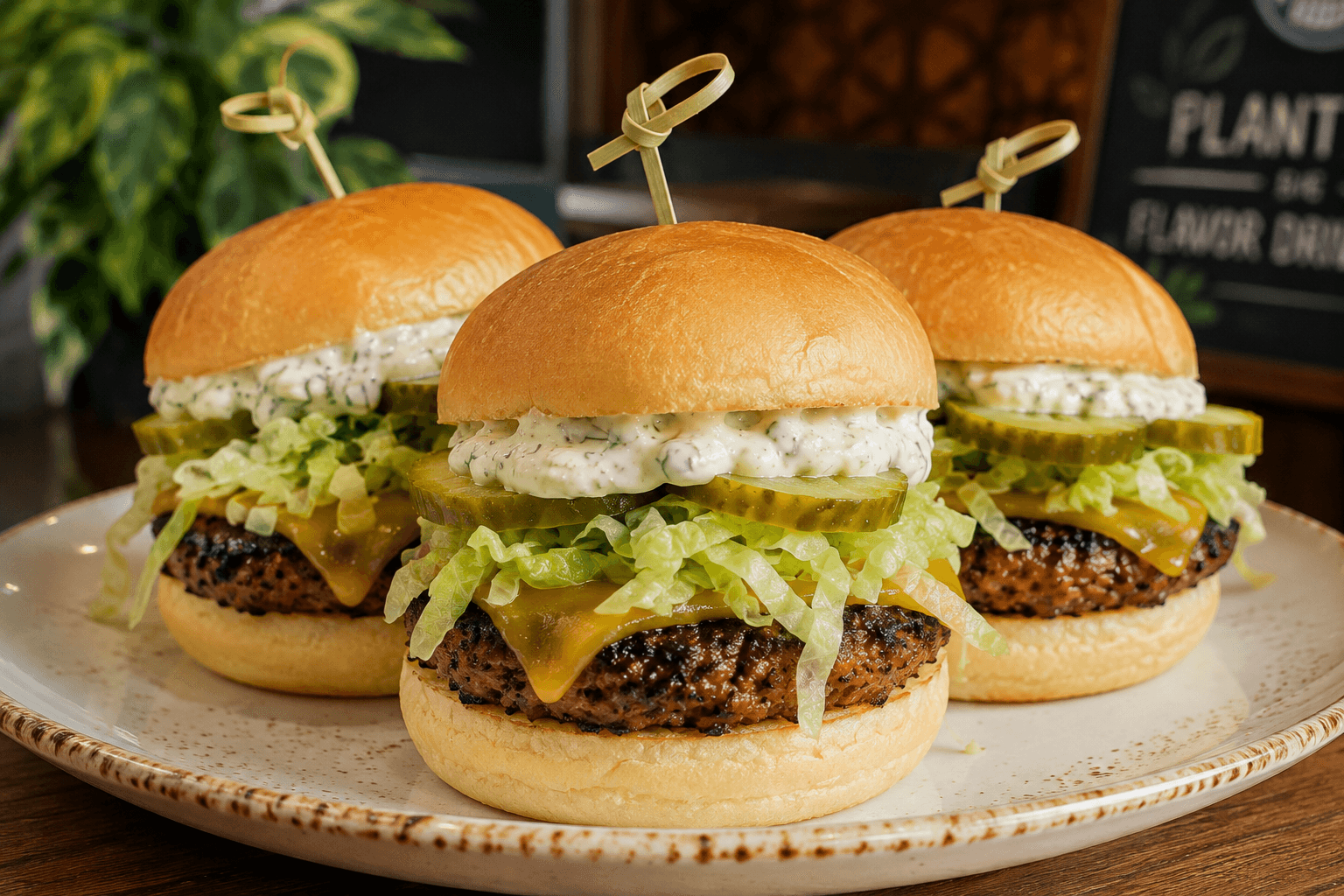
Our menu has always reflected the foods I genuinely love: sliders and sandwiches, seafood-inspired dishes, and homestyle cooking influenced by cultures from around the world. I only create food that I would personally want to eat. I draw inspiration from travel, culture, restaurant experiences, and the belief that plant-based creativity isn’t about taking everything away. It is about discovering how much more can be included.
Our work attracted local television coverage, regional and national publications, and even an international feature in Germany. People traveled to Cincinnati specifically to try our food, and we were approached multiple times about franchising. Those moments showed us that what we were creating could reach far beyond one location.
When our lease ended, we had to decide whether to remain downtown or find a more centrally located home. Construction and parking challenges had become concerns for many of our customers, so we began working with a commercial real estate agent. We searched extensively, but no location felt like the right match.
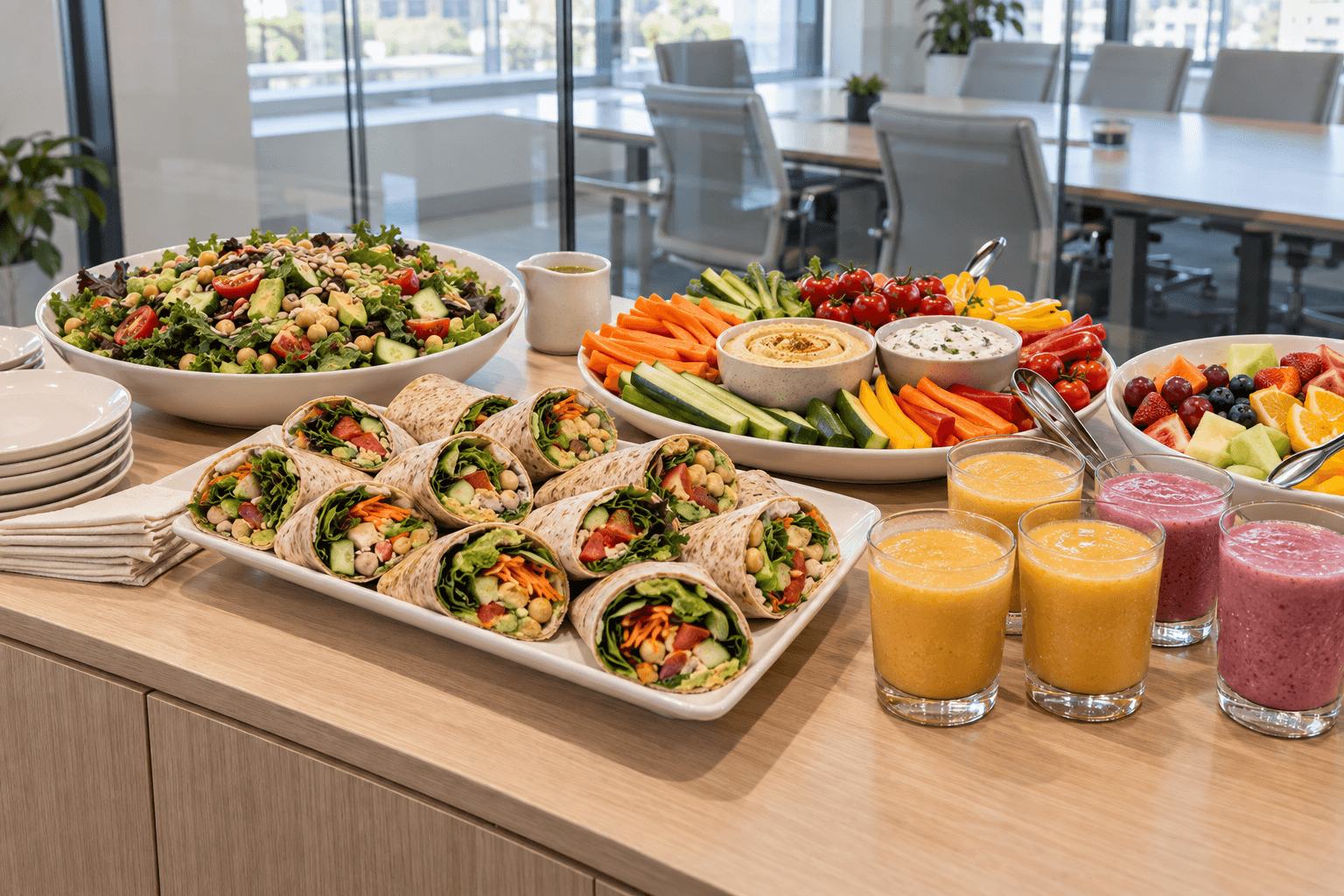
Instead of standing still, we expanded our catering services. Demand was strong, and few comparable plant-based caterers offered the variety and cultural range we provided. We began building our corporate catering services and culinary immersion experiences while we continued searching for the right restaurant opportunity.
Eventually, we opened as a pop-up inside another food hall. Our first day there was incredibly difficult. Equipment failed, support was limited, and nearly everything that could go wrong did. We left devastated, believing that our opportunity might be over before it had truly begun.
But after regrouping and returning to the drawing board, we opened again in that same location. Our customers returned as though we had never been away. We stayed there for about a year and a half before unexpectedly learning the food hall would be closing. All of the tenants were shocked, and I remember thinking, “Here we go again.”
Throughout every transition, corporate wellness, catering, and culinary immersions like our communal table experiences remained a source of stability. Still, I missed the face-to-face connection of having a brick-and-mortar space. For a moment, I wondered whether Herban Vegans was meant to remain primarily a catering company. Instead of abandoning my desire for a restaurant, I began developing a new concept: Herbistro.
Around that time, I was selected for the Goldman Sachs 10,000 Small Businesses program. I knew my growth opportunity would be Herbistro—a modern culinary bistro that maintained the creative thread and inclusive spirit of Herban Vegans while allowing us to explore an even broader range of plant-forward, flavor-driven cuisine.
We later received a call about an opportunity at The Gatherall food hall inside Factory 52 in Norwood. We could not wait to get back in front of our customers. Today, Herbistro is our restaurant concept and the newest chapter of the Herban Vegans story.
What began as my private promise to pursue healing has grown into a plant-based hospitality group encompassing a restaurant, catering, culinary immersion experiences, retail products, and additional brands and concepts that we are preparing to release. We are bringing together entertainment, exceptional food, meaningful connection, and a greater purpose.
The journey has not been perfect or linear. However, every chapter has taught us something, strengthened the vision, and confirmed that there is space for what we are creating.
The dream is continuing to unfold before my eyes, and I am incredibly excited about what the future holds. After everything we have accomplished, I still believe we are only getting started.
I’m sure it wasn’t obstacle-free, but would you say the journey has been fairly smooth so far?
It has not always been a smooth road, but every stage has strengthened the business and prepared us for sustainable growth.
One of our earliest challenges was building a concept that did not have an established roadmap. When Herban Vegans began, plant-based dining—particularly the culturally inspired, seafood-forward cuisine we were creating—was still unfamiliar to many people. We often encountered questions about whether enough customers wanted this type of food. However, sold-out events, repeat customers, media recognition, industry awards, and guests traveling to Cincinnati to experience our menu consistently validated the demand.
The pandemic became our first major external disruption. We were gaining significant momentum through sold-out weekend brunches at Café Vivace when in-person dining suddenly shut down. We adapted by preparing meals for regular customers, delivering directly to their homes, and using that period to strengthen the internal foundation of the company. That experience taught us how important it was to remain flexible, maintain strong customer relationships, and build more than one way to generate revenue.
Opening our first brick-and-mortar restaurant presented a different type of learning curve. I entered the industry with extensive entrepreneurial, business, and financial experience, but restaurant ownership required me to apply that knowledge in an entirely new environment. Managing food costs, staffing, inventory, vendors, utilities, customer experience, and daily operations taught us lessons that could never have been learned through planning alone. That hands-on experience gave us a much clearer understanding of what a restaurant needs to operate efficiently and grow responsibly.
Real estate and location changes have also required resilience. After our first lease ended, we chose to search for a more centrally located space that would offer customers greater accessibility. Later, after successfully rebuilding our restaurant presence inside a food hall, that property unexpectedly closed, affecting every tenant. Although circumstances beyond our control interrupted our physical locations, they never eliminated demand for the brand.
Throughout those transitions, our diversified business model became one of our greatest strengths. Corporate wellness, catering, culinary immersions, communal dining experiences, and special events allowed us to continue serving customers and expanding our reach even when we were between restaurant locations. What initially began as a response to change has become an important part of our long-term growth strategy.
Building the right team and systems has been another meaningful lesson. Our standard extends beyond preparing excellent food. We are building a hospitality company centered on genuine care, consistency, creativity, and exceptional service. As we grow, we have become increasingly intentional about operational systems, training, accountability, and placing the right people in the right roles. That foundation is essential because the goal is not simply to operate another restaurant—it is to build a scalable hospitality organization with a culture that can be replicated without losing what makes the experience special.
The challenges along the way have helped us identify what works, what needs to be strengthened, and where the greatest opportunities exist. They led us to refine the relationship between Herban Vegans and Herbistro, diversify our revenue streams, strengthen our operational knowledge, and clarify our larger vision for a plant-based hospitality group.
I never viewed the difficult chapters as setbacks. They were market tests, learning opportunities, and preparation. Through every transition, the brand retained its customers, continued attracting new audiences, and proved that people connect with both the food and the experience we provide.
The road has not been perfectly linear, but the direction has remained clear. We have demonstrated demand, adaptability, customer loyalty, and the ability to reemerge stronger after change. Those experiences have made us more prepared for thoughtful expansion and even more confident in the future of what we are building.
Thanks – so what else should our readers know about RAZAA Group ( Herban Vegans/ Herbistro)?
RAZAA Group is a Cincinnati-based hospitality company created to house our growing portfolio of culinary brands, experiences, and concepts. Herban Vegans and Herbistro are the first expressions of that larger vision, with additional brands and concepts currently in development that we are not yet ready to reveal.
Herban Vegans leads our curated catering, corporate wellness, weddings and private events, communal dining experiences, and culinary immersions. Herbistro, located inside The Gatherall at Factory 52 in Norwood, is our modern plant-driven, flavor-forward restaurant concept. Together, the brands allow us to serve people in different ways while maintaining the same foundation of exceptional food, culture, creativity, inclusion, entertainment, genuine hospitality, and service.
When Herban Vegans began more than six years ago, we were the first in our area to introduce this particular style of culturally inspired plant-based cuisine and present it in a way that felt familiar, exciting, and accessible to a mainstream audience. Today, we see more businesses and creators exploring concepts similar to what we introduced years ago. That confirms what we have always believed about the potential of this industry. However, what continues to distinguish us is the depth of our vision, the range of our offerings, the intention behind our recipes, and the fact that we are personally living this journey.
For us, this is about much more than creating a profitable bottom line. Herban Vegans grew from my own health transformation and from a sincere desire to share what helped me feel better. That personal connection influences how we develop our food, care for our customers, and envision the future. The business is purpose-driven, but it is also built to grow.
During our first full year, we built Herban Vegans into a multi-six-figure business. We were proud of that accomplishment, but we were even more excited to be of service and to prove the concept behind something we deeply believed in. We knew people would appreciate the type of food and hospitality we were creating because it was not being offered in the same way anywhere else in our market.
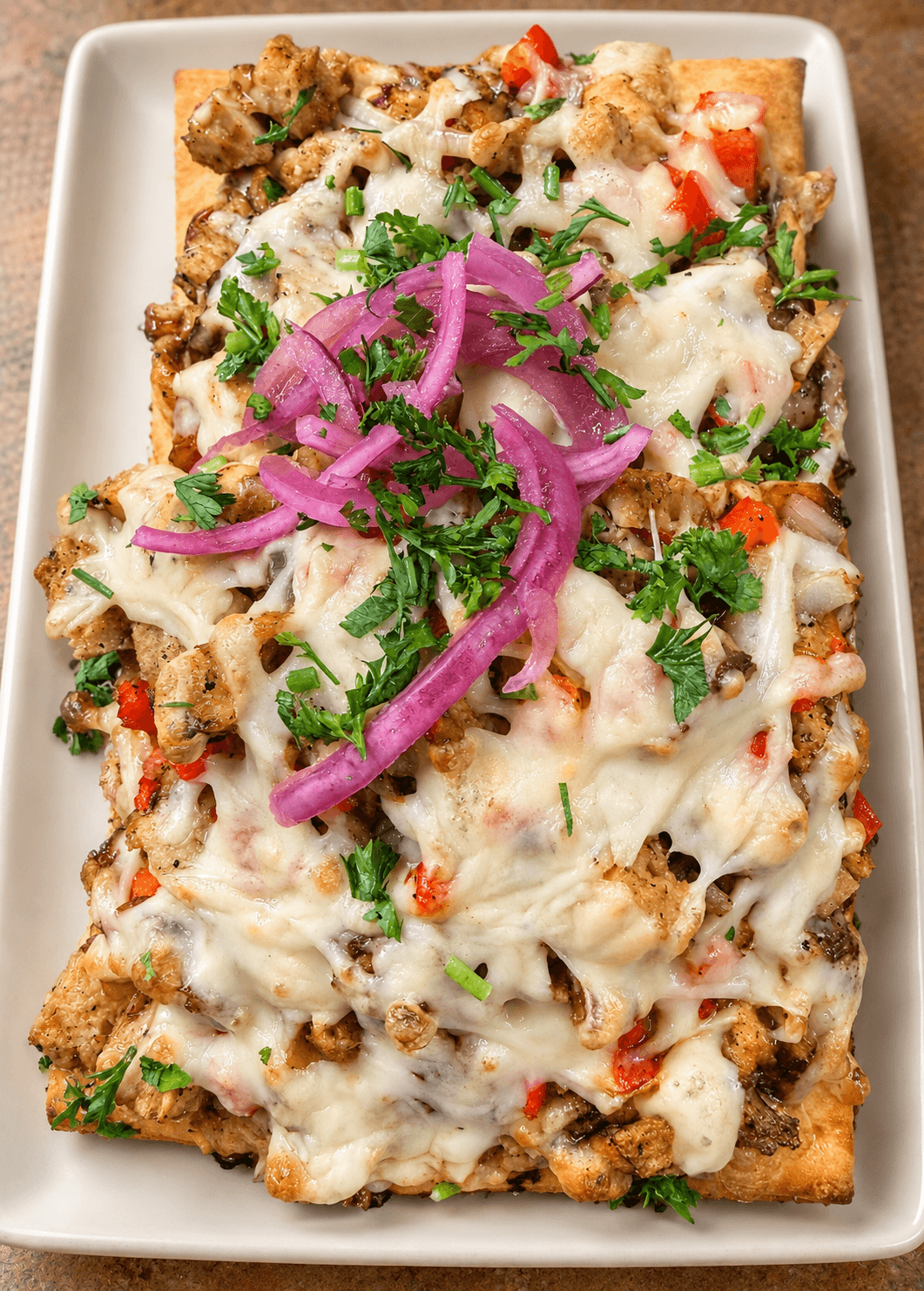
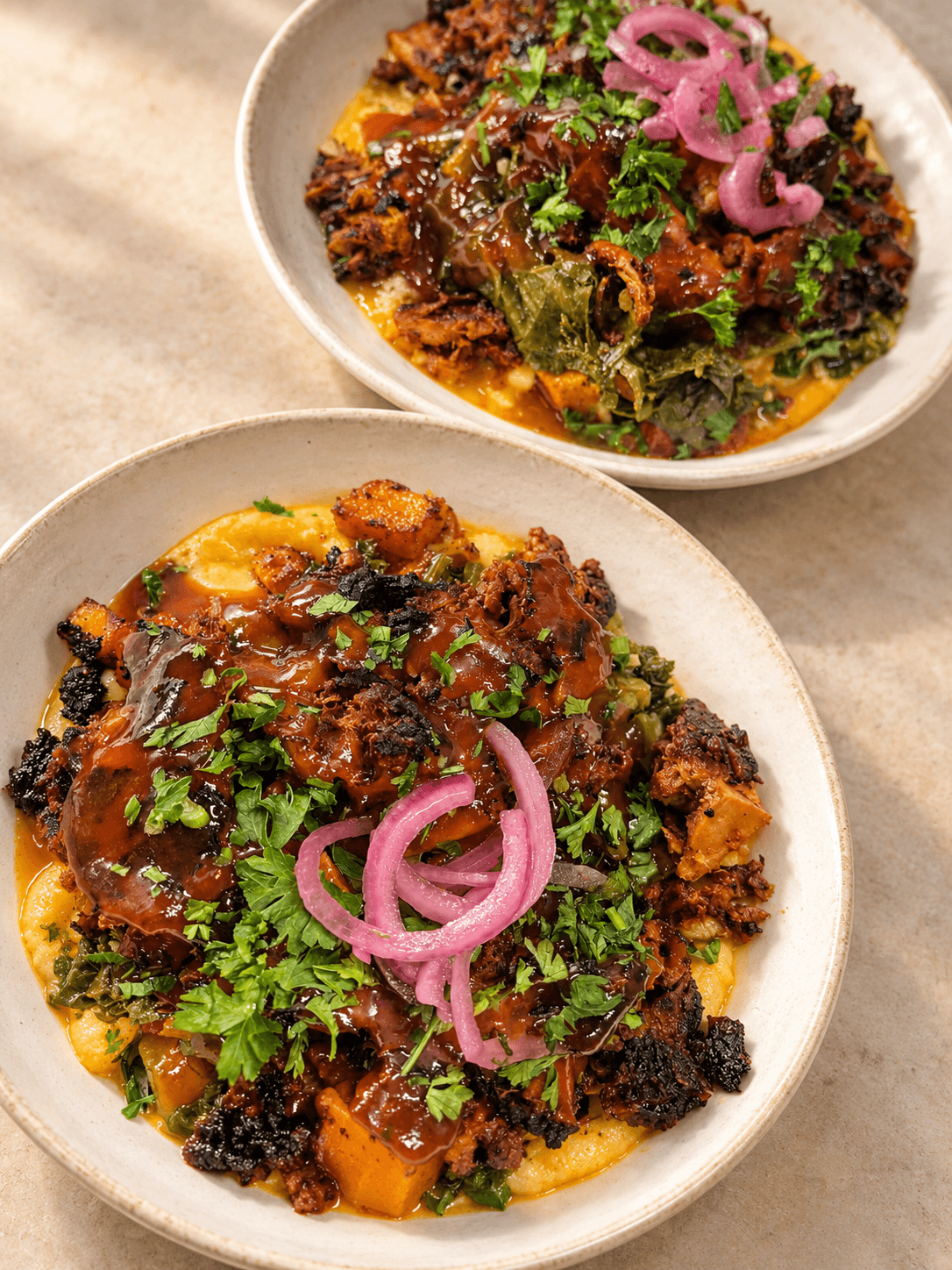
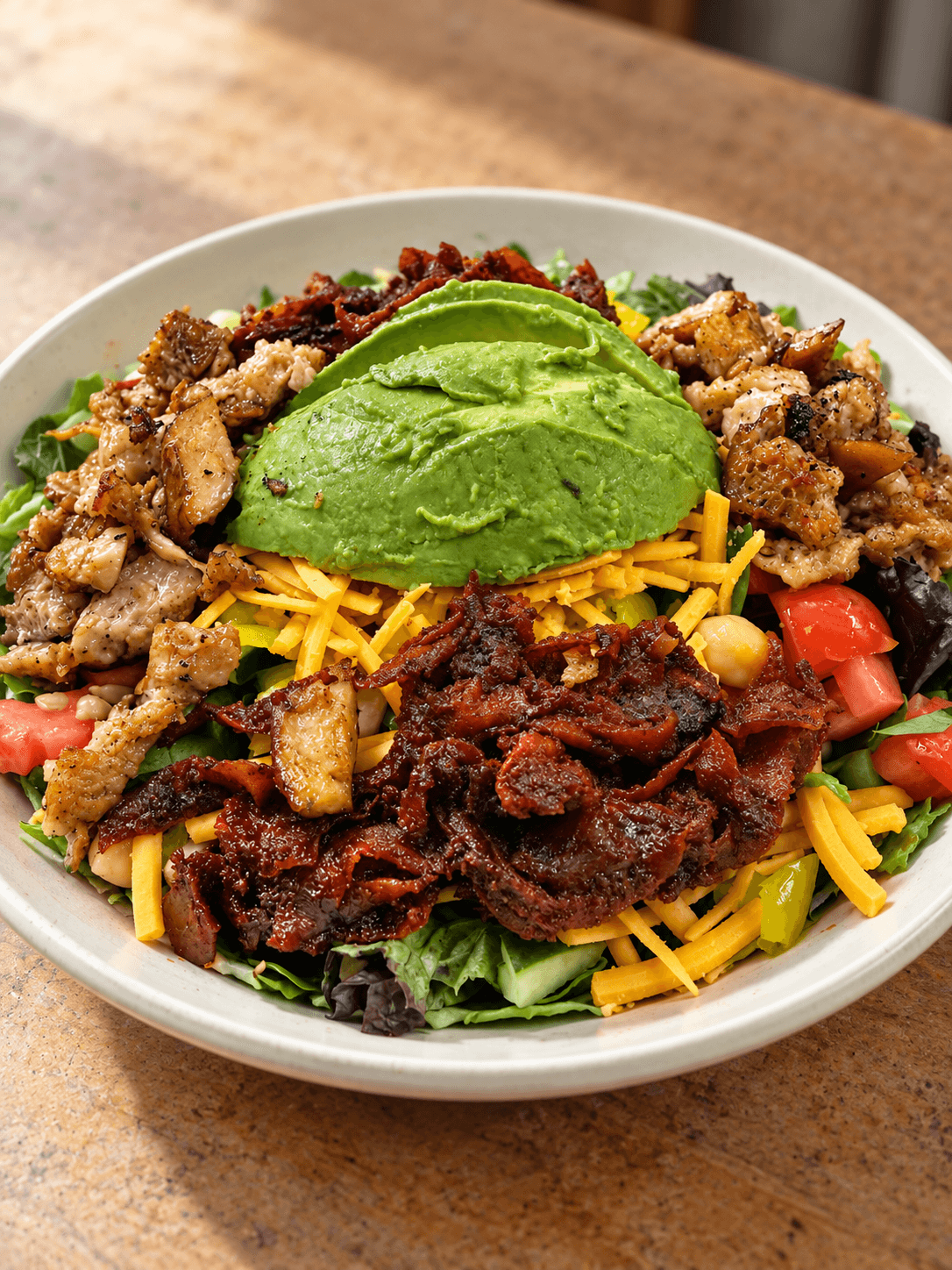
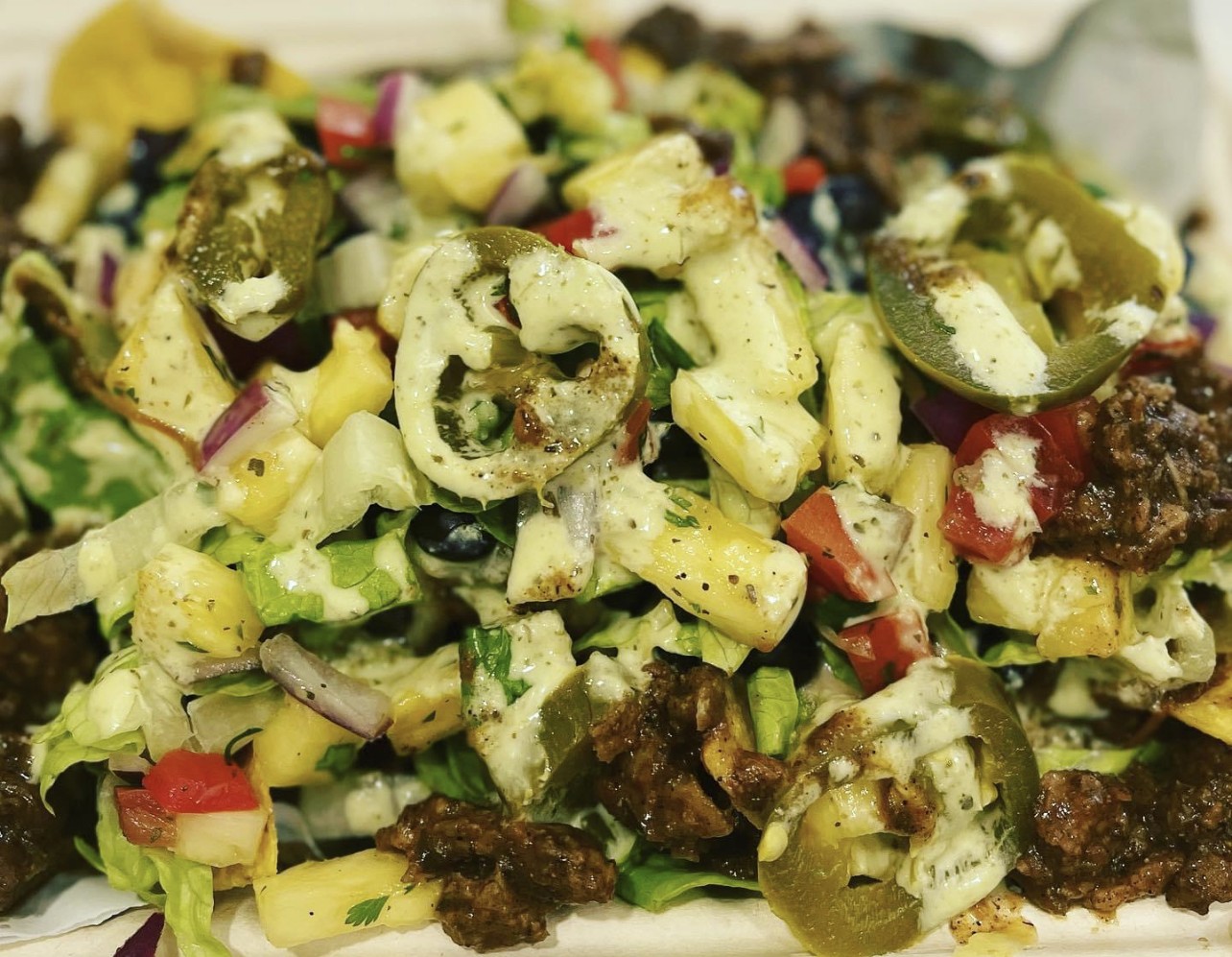
Our specialty is taking familiar foods and transforming them into original plant-based experiences without losing the flavor, comfort, texture, or emotional connection that made people love those dishes in the first place. We are known for creative plant-based seafood, signature sliders and sandwiches, culturally inspired homestyle cooking, our award-winning Gumbolaya, and our Miracle Mac.
Miracle Mac is a good example of how much thought goes into our recipes. We did not want to make macaroni and cheese that was merely acceptable because it happened to be plant-based. We wanted the creamy, baked, comforting experience people already loved while making it more thoughtfully. Our cheese sauce is made in-house with chickpeas and our own blend of carefully selected ingredients, creating a satisfying and nutrient-dense version of traditional baked macaroni and cheese. Everyone loves our mac, and the surprise people experience when they learn how it is made is part of how the name “Miracle Mac” came to life.
When we began, many of the plant-based products, recipes, and resources available today did not exist. If I wanted something, I often had to figure out how to create it from scratch. I used my senses, kitchen instincts, life experience, and understanding of flavor as my guide.
Not having formal culinary training actually pushed me to become more inventive. I did not begin with predetermined rules about what a dish had to be. I learned to break it down into its individual components: nutrition, flavor, seasoning, texture, tradition, presentation, and the emotional experience connected to it. Then I could rebuild it in a way that was both recognizable and completely our own. That process is an art form, and it is also what makes this work so much fun for me.
I am a foodie. I love culture, travel, hospitality, and entertainment, and I live a plant-based lifestyle. I patterned our menu and the entire customer journey around my own life and around the expectations I would have for a brand I wanted to support, even if I were not the person building it. I only create food I would personally want to eat, and I do not develop concepts I am not genuinely passionate about.
Our approach to inclusion is another major part of what sets us apart. We are inclusive by choice. We meet people where they are rather than telling them where they should be. Guests do not have to identify as vegan, understand plant-based terminology, or arrive with a particular belief system. We simply invite them to enjoy an exceptional culinary experience and decide for themselves.
Because of that approach, our largest customer base is actually made up of people who still eat meat. Many of them become regular customers after discovering that they do not need meat for a meal to feel complete, satisfying, or exciting. They come back because the food is good—not because we persuaded them to accept a label.
That response is one of the things I am most proud of. We have created a bridge. Vegans, vegetarians, people who are simply curious, and lifelong meat eaters can sit at the same table and enjoy the same experience without anyone feeling excluded or as though they are sacrificing something.
We have always taken pride in positioning ourselves uniquely. We did not build our identity by studying competitors or chasing what someone else was doing. We concentrated on our own vision, listened to our guests, and continued creating what we believed was missing. We were trendsetters when we began, we remain trendsetters today, and we intend to continue leading.
It is funny to see recipes and food ideas go viral online that are similar to things we have been creating for years. Sometimes I find myself thinking, “That is new?” But it is new to many people, and their excitement further confirms that we recognized the opportunity early. It also motivates us to continue sharing our own elevated versions. Our attitude is, “If you think that is good, wait until you taste this.”
Much of our success has been built through word of mouth because we believe great food and genuine hospitality speak for themselves. Our customers became our strongest advocates. At times, the demand grew faster than our ability to support it, which showed us both the strength of the brand and the importance of building the systems, infrastructure, and team required for thoughtful expansion.
Brand-wise, I am most proud that we have remained authentic while continuing to evolve. We have faced shutdowns, location changes, industry challenges, and the realities of building something unfamiliar in our market, yet we never abandoned the central purpose. We have continued to create, serve, and find new ways to reach people where they are.
I am also proud that we are building RAZAA Group in Cincinnati. Multifaceted, experience-driven hospitality groups are often associated with cities such as New York, Los Angeles, or other major markets. We want to demonstrate what innovative, scalable, and culturally relevant hospitality can look like coming from Cincinnati, Ohio.
Our growth plan is about much more than adding restaurant locations. We are building a group of complementary brands that can serve people through restaurants, catering, corporate wellness, culinary immersions, communal dining, specialty beverages, retail products, entertainment, and destination-worthy experiences. There are also untapped markets on our radar and several original concepts in development that I am incredibly proud of, although I cannot reveal them just yet.
We want readers to know that RAZAA Group is not building just another restaurant company. We are building an inclusive hospitality ecosystem designed to create experiences people may not have imagined until they encounter them—and then cannot wait to experience again.
Our goal is to become an attraction in our city and beyond by doing what we genuinely love. We want to show the world what great business, bold creativity, and unforgettable hospitality look like coming out of Cincinnati.
Never count us out. Always count us in. We have accomplished a great deal, but the full vision has not yet been revealed. We are still only getting started.
Do you have any advice for those looking to network or find a mentor?
Absolutely—this question really hits home for me.
From the beginning, we intentionally surrounded ourselves with knowledgeable mentors and organizations that could support our growth. Findlay Kitchen was instrumental in that process. From observing vendors at Findlay Market to watching successful brands emerge from the incubator, it was inspiring to witness firsthand how businesses are built through vision, discipline, and genuine passion.
At the same time, I have learned that discernment is essential when choosing a mentor. The right guidance can accelerate your growth, while advice from someone who doesn’t understand your vision can pull you away from what makes your business distinctive. Never lose sight of your vision. It was given to you for a reason, and not everyone will understand it immediately or at all, and thats ok!
People naturally interpret ideas through the lens of their own experiences. A good mentor understands that. They listen before advising, seek to understand why you are building what you are building, and recognize the passion and purpose behind it. They help strengthen the vision rather than attempting to replace it with their own. That level of understanding also helps distinguish entrepreneurs who are deeply committed to their work from those who may only be pursuing an opportunity temporarily.
We have participated in mentorship and development programs through several organizations, and each has contributed something meaningful to our journey. Some experiences stand out for the lasting value we received, whether the guidance was specific to the hospitality industry or focused on broader business growth.
One of the most transformative was the Goldman Sachs 10,000 Small Businesses program. I entered the program with the idea for Herbistro and was given the opportunity to build our formal growth plan around the concept. Only a few months later, we were executing that plan and watching Herbistro come to fruition. It was rewarding to see something move from vision to strategy and then into a functioning business.
The Urban League has also provided valuable opportunities. Through a food-industry incubator sponsored by PepsiCo, we worked directly with an experienced restaurant consultant. The Women of Color Access to Capital program further helped ensure that I was preparing to scale with the appropriate knowledge, resources, tools, and relationships in place.
I was already an entrepreneur before beginning my journey in hospitality, so I had spent years developing business relationships that later became invaluable. Organizations such as the Small Business Development Center and SCORE provided guidance, mentorship, and perspective at different stages of my entrepreneurial career. Early on, I made it a priority to seek out environments where I could learn, ask questions, and strengthen my overall understanding of business. I studied International Business in college at UC and was a FINRA/NASD licensed stock trader and financial advisor. So business was already in my blood long before. My mentorship started years ago.
I am grateful for every mentor, advisor, program, and professional relationship that has contributed to our journey. Each provided a different piece of the foundation. Their collective influence has played an important role in where we are today and in preparing us for where RAZAA Group is going next.
The greatest lesson I have learned is to remain teachable without surrendering your instincts. Mentorship should sharpen your vision, strengthen your decision-making, and help you prepare to execute. The right mentors do not ask you to become a copy of something that already exists. They help equip you to build what only you can see.
Contact Info:
- Website: hebistro.com herbanvegans.com
- Instagram: @herbistrokitchen @herbanvegans
- Facebook: @herbistro @herbanvegans
Popular
-

The Change-Makers: stories that inspire
-

Hidden Gems: Local Businesses & Creatives You Should Know
-

Portraits of Ohio
-

Take Flight: Lamar Thomas on Building an Inclusive Brand Rooted in Youth, Community, and Purpose
-

Cultivating Inner Clarity: Angel Inspires on Thought, Healing, and Purpose
-

Local Highlighter Series