



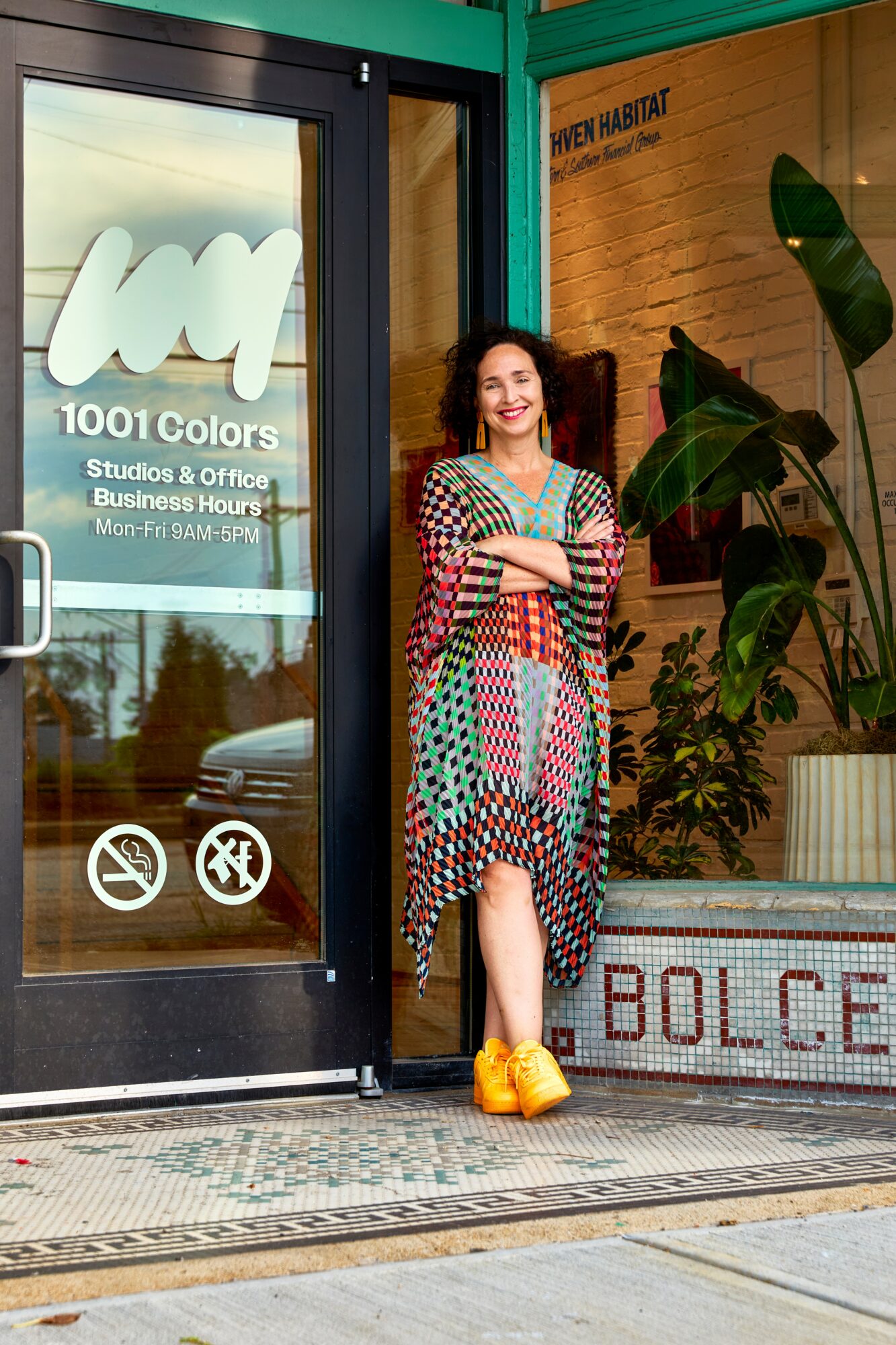
Today we’d like to introduce you to Colleen Houston.
Alright, so thank you so much for sharing your story and insight with our readers. To kick things off, can you tell us a bit about how you got started?
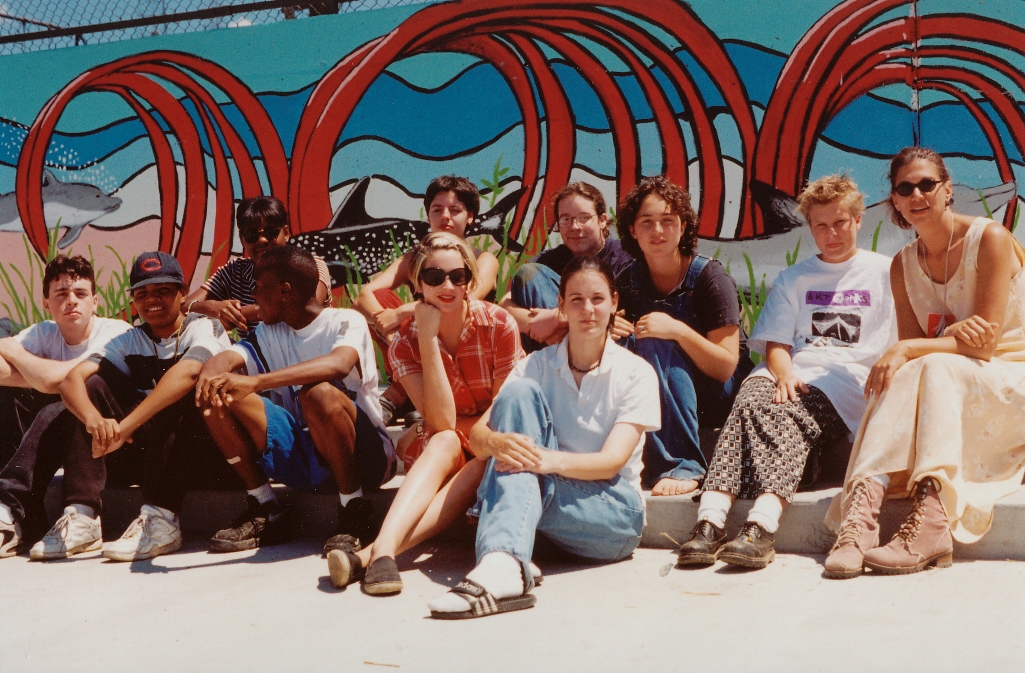
My story with 1001 Colors began long before I became its CEO and Artistic Director. In 1997, I joined what was only the second summer apprentice cohort in the organization’s history. As a young artist, it was my first experience working alongside a large group of peers on creative projects that would have a lasting impact on our city.
Looking back, it felt like being part of an ambitious experiment. At a time when Cincinnati was facing economic challenges and downtown was struggling, artists and young people were brought together around a bold belief: that creativity could be a catalyst for connection, community pride, and revitalization. The effort was championed by our Mayor and embraced by community leaders who believed the arts could be a powerful way to invest in the next generation. As a teenager, I was thrilled to be part of the very beginning of something that felt both grassroots and transformational.
That experience changed the trajectory of my life, but in many ways the foundation had already been laid.
I grew up in a family of artists. My father owned a sign and mural painting company, and from him I learned not only how art could shape public spaces, but also the value of hard work, craftsmanship, and entrepreneurship. My grandfather was an artist as well. Family celebrations often included trips to museums, and I was always “the art kid” growing up, joining art clubs, entering competitions, winning awards, and spending countless hours drawing and creating. Art wasn’t simply a hobby. It was part of how I understood the world. Watching my father’s murals and signs become part of Cincinnati’s business districts taught me that art wasn’t just something you hung on a wall. It was work, it was service, and it helped shape the identity and character of a community.
I went on to design my own degree in Public and Social Art at Warren Wilson College, apprenticed with artists throughout Appalachia, and participated in artist residencies that deepened my appreciation for community-based arts practice. When I returned to Cincinnati, I found myself drawn back to the organization that had given me my start. What began as a summer opportunity became a lifelong calling. In fact, I put graduate school on hold because I was already doing work that I loved and believed in.
For more than two decades, I’ve had the privilege of working alongside thousands of artists, community members, and partners to create projects that strengthen neighborhoods, build civic pride, and create opportunity. Together, we’ve helped reimagine what public art can do for a city. We’ve seen creativity spark neighborhood pride, bring people together across differences, and help shape Cincinnati into a more vibrant and connected place. Witnessing that collective impact has been one of the greatest privileges of my career.
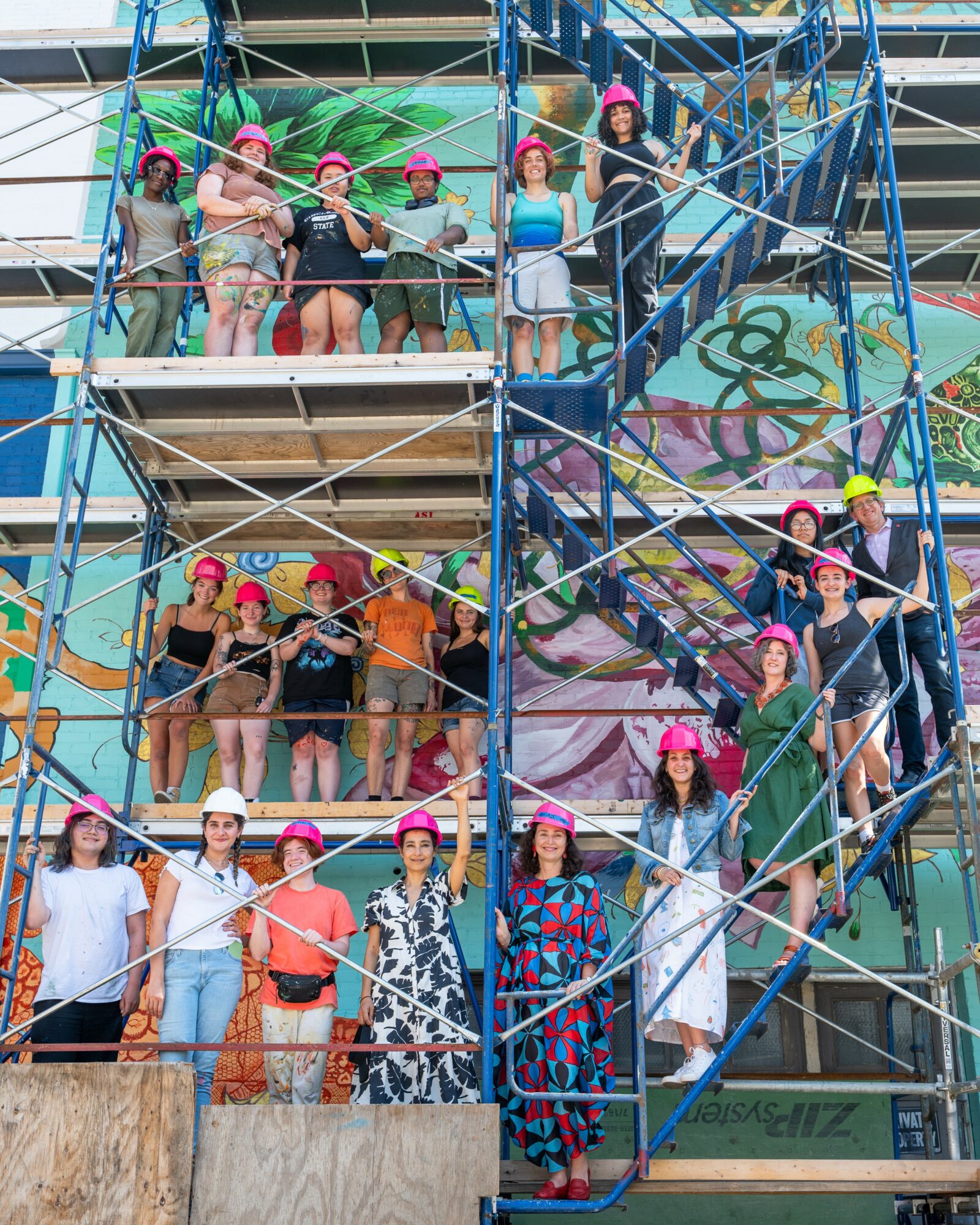
Over the years, I’ve worked across nearly every aspect of the organization, from project development and community engagement to artist management and strategic leadership. One milestone I’m especially proud of was helping launch our mural program in 2007. At the time, few public art initiatives intentionally combined youth employment, community engagement, and large-scale public art. What began as an ambitious idea grew into a nationally recognized model that has transformed neighborhoods, provided opportunities for thousands of young people, and helped position Cincinnati as a leading arts city.
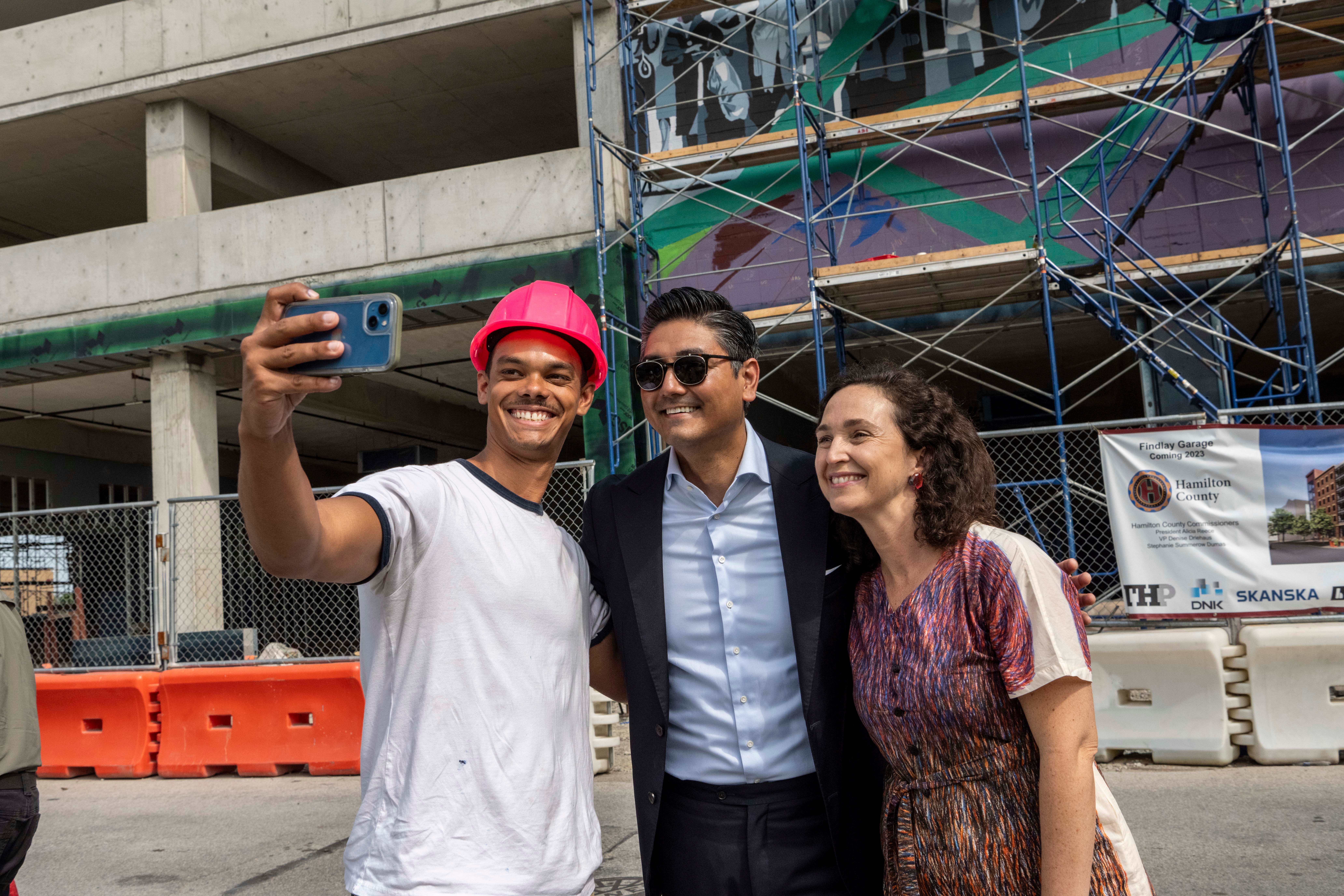
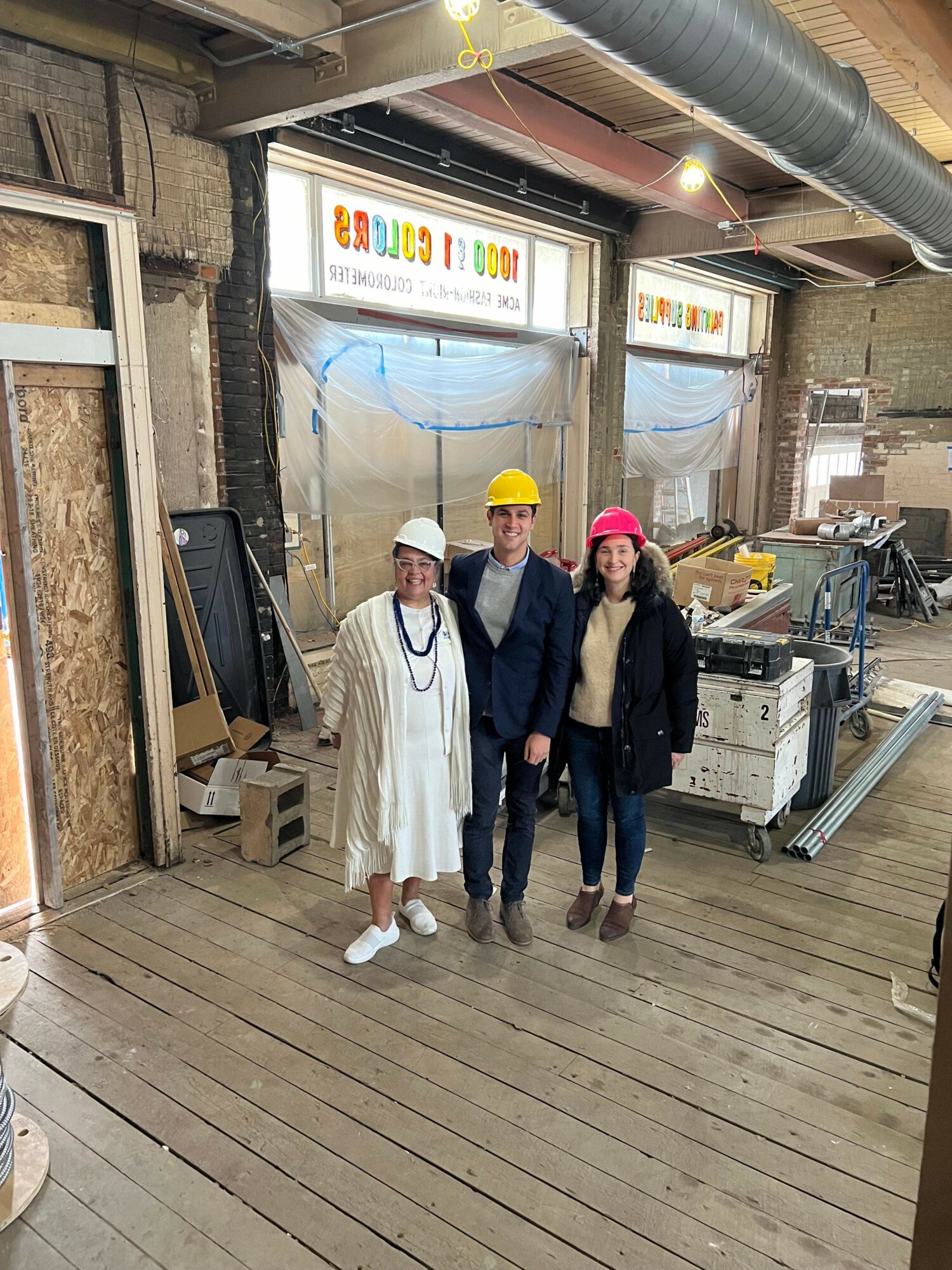
In 2020, I became CEO and Artistic Director of the organization that helped shape my own career. Since then, I’ve had the privilege of leading two transformational chapters in our history. The first was completing a capital campaign and creating the organization’s first permanent headquarters and creative campus, bringing all aspects of our work under one roof for the first time. The project transformed a historic building and adjacent properties into a vibrant home for artists, young people, exhibitions, community gatherings, and creative workforce development, while helping catalyze investment in a historic neighborhood business district.
More recently, I led our transition from ArtWorks to 1001 Colors. The change was about more than a new name. It was an opportunity to more clearly communicate who we are today, our commitment to youth employment and creative career pathways, and our vision for the future. The new identity honors our history while creating space for the next generation of artists and leaders.
When I look back, it’s remarkable to realize that I started as a teenage apprentice and now lead the organization that helped shape my future. That experience keeps me grounded in our mission and reminds me every day what is possible when young people are given opportunities to learn, earn, create, and lead. My greatest hope is that another apprentice someday stands in my shoes as CEO of 1001 Colors. In many ways, that would be the fullest expression of our mission and the legacy I’d be most proud to leave behind.
Can you talk to us a bit about the challenges and lessons you’ve learned along the way. Looking back would you say it’s been easy or smooth in retrospect?
It definitely hasn’t been a smooth road, but meaningful work rarely is.
Community-based work is complex because it centers people, relationships, and long-term investment. Every challenge presents an opportunity to learn, and one of our core values at 1001 Colors is Collective Learning. We believe growth comes from listening, adapting, and continually improving.
One of the biggest leadership challenges was succeeding a visionary founder who built an organization and had longstanding relationships across the community. Any successor must demonstrate that the mission is larger than any one person. For me, that transition was made even more challenging because it coincided with the COVID-19 pandemic. At times, it felt like we were navigating multiple transformational moments all at once.
Not long after stepping into the CEO role, the COVID-19 pandemic reshaped nearly every aspect of our work. We navigated remote operations, significant financial uncertainty, and rapidly changing community needs. At the same time, we chose to expand opportunities for artists because we knew many creative workers were among those most impacted economically. That period reinforced our belief that art and artists are essential, especially during times of crisis.
Leading our recent rebrand was another challenge. While the decision was supported by research and a strong business case, we understood that people had a deep emotional connection to our former name. Change can be difficult, especially when an organization has such a long history. We knew trust in a new identity would have to be earned over time through relationships, consistency, and impact.
Today, one of the greatest challenges facing nonprofits is an increasingly unpredictable funding environment. Public funding priorities continue to shift, and even awarded grants can change unexpectedly. Like many organizations, we’re adapting in real time while working hard to sustain opportunities for artists and young people. What keeps me up at night isn’t simply balancing a budget. It’s thinking about the impact lost resources could have on the communities, artists, and young people we serve.
Throughout my career, one lesson has remained constant: progress requires both persistence and flexibility. The challenges evolve, but staying focused on the mission while adapting to changing circumstances continues to be the key to moving forward.
Alright, so let’s switch gears a bit and talk business. What should we know?
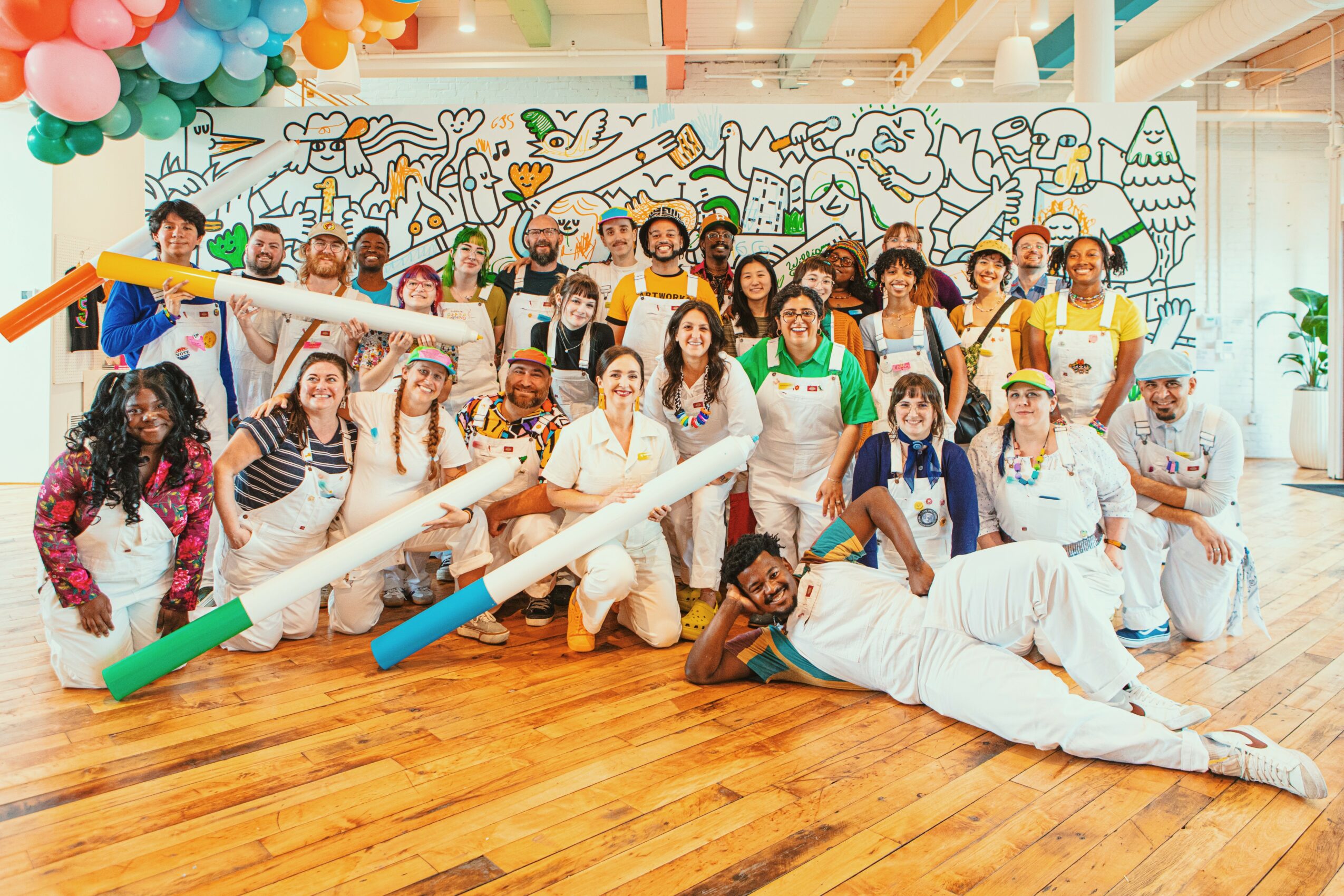
1001 Colors is a youth arts-based employment and creative workforce development organization that helps young people transform creativity into opportunity while creating meaningful public art that strengthens communities.
Since 1996, we’ve provided paid employment, mentorship, professional development, and real-world project experience for thousands of young people. Through this work, we’ve helped artists build confidence, develop career skills, and access pathways to economic opportunity and lifelong success.
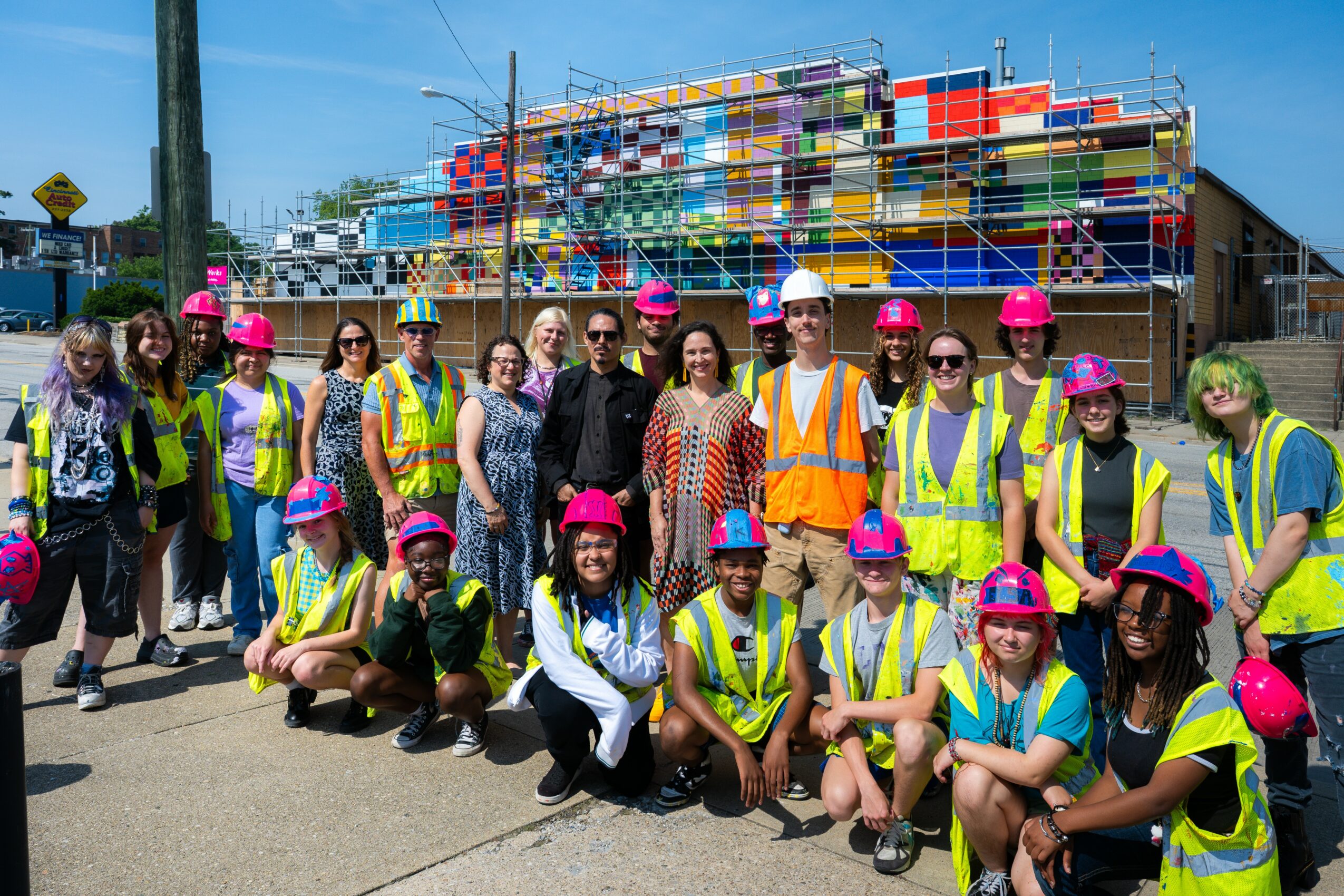
Many people know us for our murals, and we’re proud to have created more than 400 large-scale murals and thousands of public and private art projects throughout the region. But the art is really the visible result of something much bigger. At our core, we’re investing in people, strengthening neighborhoods, fostering civic engagement, and expanding access to arts and culture.
What makes our model unique is its dual impact. Young people gain paid work experience, mentorship, leadership skills, and career preparation, while communities gain beautiful public art that reflects local stories, histories, and aspirations. Every mural begins with an idea from a resident, neighborhood leader, or community partner, ensuring that the work is rooted in community voice and ownership.
Over the years, we’ve also attracted some of the world’s most celebrated contemporary artists to create their first-ever murals in our city because they are inspired by our model of youth development and community engagement. Together, we’ve helped build what many consider a world-class outdoor art gallery, freely accessible to everyone at street level.
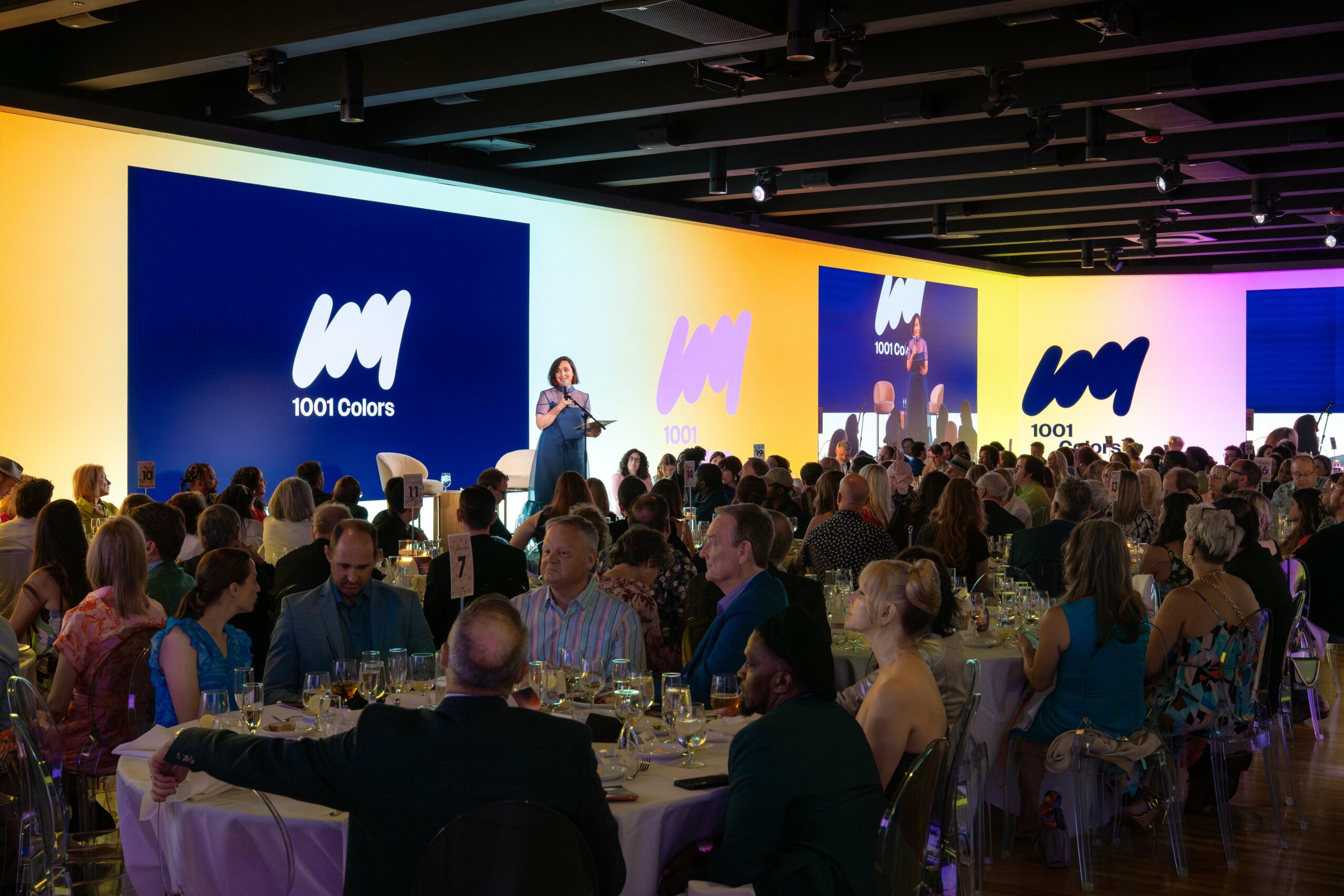
As we celebrate our 30th anniversary, we’re looking ahead to the next chapter of our work. Our focus remains on creating opportunities for artists, strengthening neighborhoods, and building creative career pathways for young people. We believe the arts are far more than something to admire or a nice to have. They are a powerful tool for economic opportunity, community connection, and civic transformation.
Simply put, we don’t just create murals. We create opportunities, develop future leaders, and help communities thrive, sharing their stories through art.
Is there a quality that you most attribute to your success?
Curiosity.
Throughout my career, I’ve learned that the best ideas emerge from listening. Whether we’re working with young artists, residents, community partners, or fellow creatives, meaningful work begins with genuine curiosity about people’s experiences, perspectives, and aspirations.
Curiosity has allowed me to keep learning, embrace new challenges, and recognize opportunities that others might overlook. It has also helped me remain open to collaboration, which is essential in community-based art. The most impactful projects rarely come from a single individual. They emerge when people bring different experiences and ideas together around a shared purpose.
I also believe curiosity fosters humility. It reminds us that we don’t have all the answers and that there’s always more to learn from the people and communities we serve.
When curiosity is paired with persistence and a clear sense of purpose, it creates space for innovation, growth, and meaningful impact. Those qualities have shaped my leadership journey and continue to guide our work at 1001 Colors.
After all, I started as a teenager in the very program I now lead. That journey was only possible because mentors, artists, and community members took an interest in me and invested in my potential. Today, I try to extend that same sense of curiosity, encouragement, and belief in possibility to every project, every partnership, and every young person who walks through our doors. Sometimes all it takes is one opportunity and one person who believes in you to change the trajectory of a life. I know because it changed mine.
Contact Info:
- Website: https://www.1001colors.org
- Instagram: @1001colors
- Facebook: https://www.facebook.com/1001Colors/
- LinkedIn: https://www.linkedin.com/company/1001colors
Popular
-

The Change-Makers: stories that inspire
-

Hidden Gems: Local Businesses & Creatives You Should Know
-

Portraits of Ohio
-

Take Flight: Lamar Thomas on Building an Inclusive Brand Rooted in Youth, Community, and Purpose
-

Cultivating Inner Clarity: Angel Inspires on Thought, Healing, and Purpose
-

Local Highlighter Series