



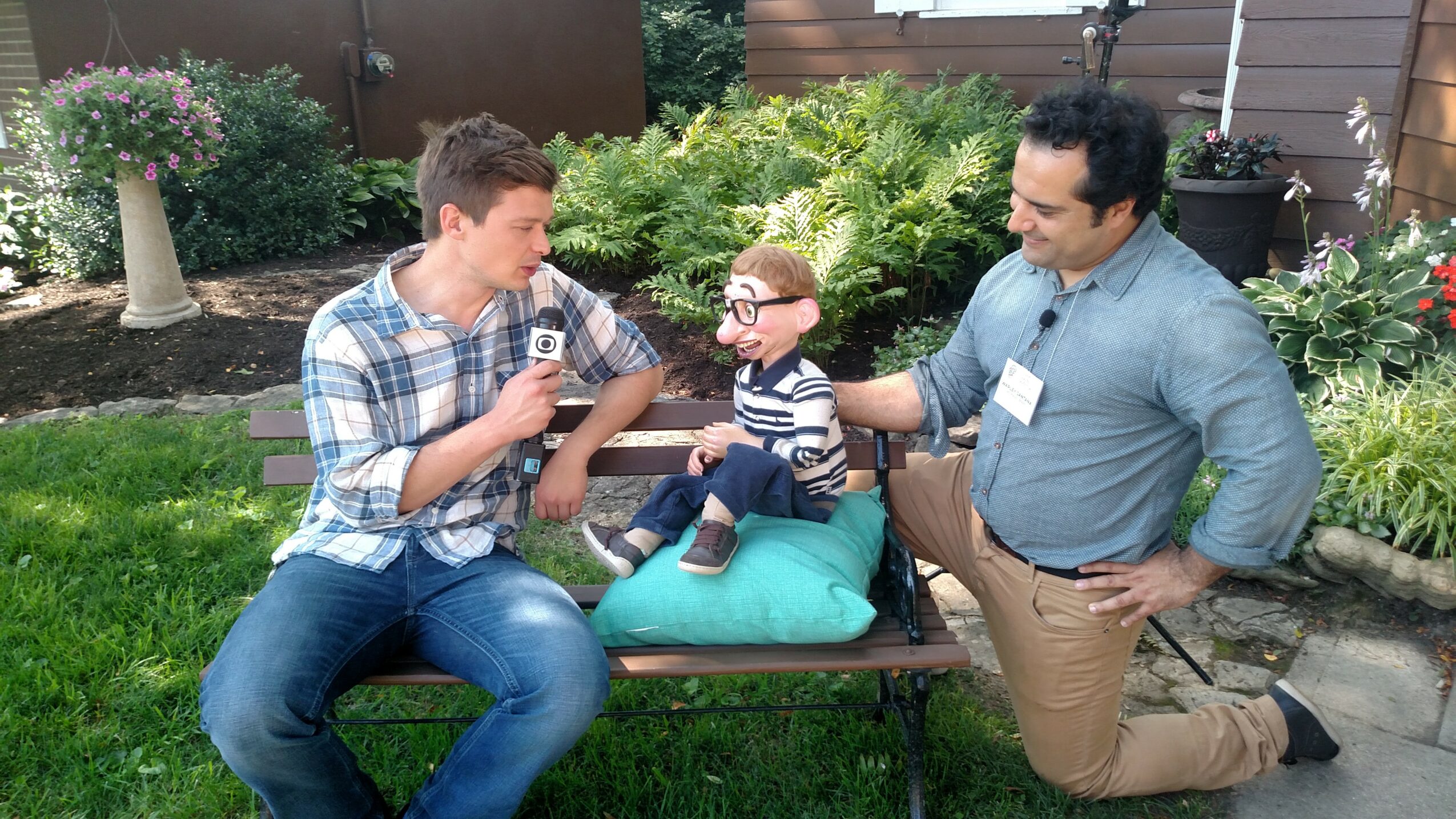
Today we’d like to introduce you to Warley Santana.
Hi Warley , thanks for sharing your story with us. To start, maybe you can tell our readers some of your backstory.
This version gives Cincinnati the central role in your career story while preserving the humor and emotional arc:
My career has never followed a straight or predictable path, and Cincinnati is responsible for one of its most important turning points.
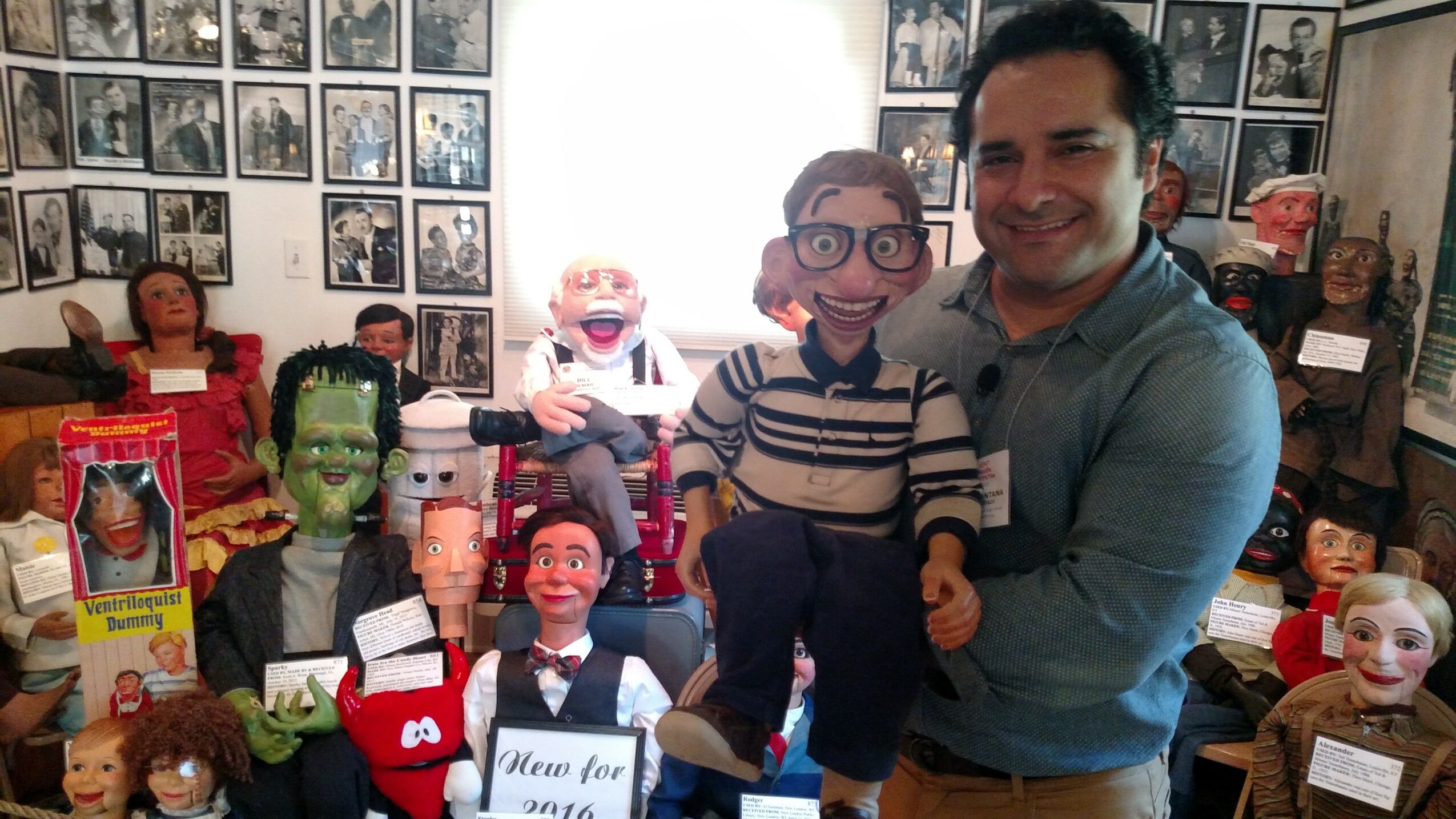
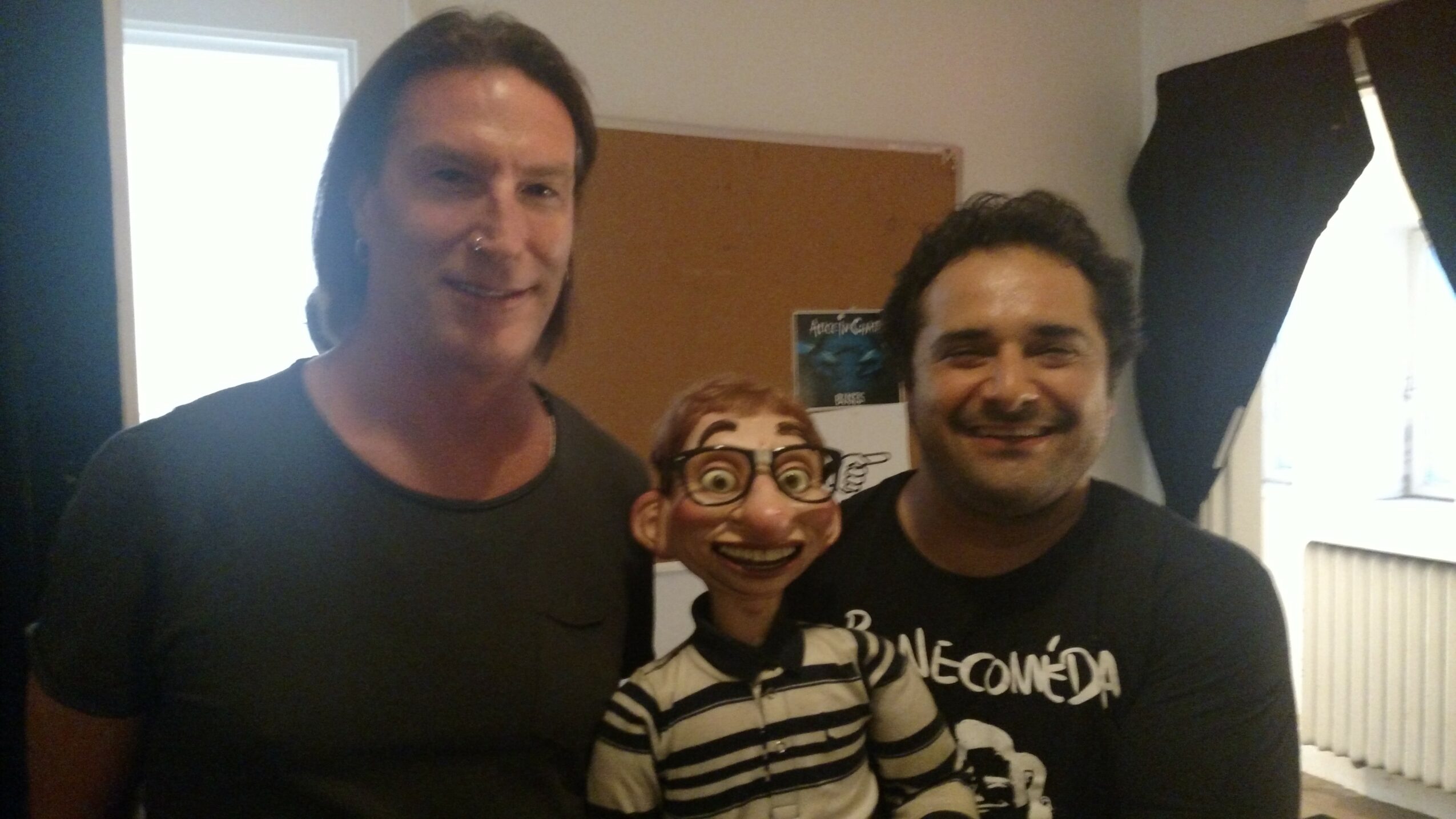
I originally came to the city to film a story for *Fantástico*, one of Brazil’s most iconic television programs, at the Vent Haven International Ventriloquist Convention. After the Brazilian TV crew returned home, I still had one free day in Cincinnati. While walking downtown, I noticed that Alice in Chains would be performing at the Taft Theatre the following night. I was a huge fan, but unfortunately, I would already be on my way back to Brazil.
Then something extraordinary happened. I saw Sean Kinney, the band’s drummer, standing outside the theater and asked him for a photo. He asked me, “Where are you from?” I said, “Brazil.” Then he asked, “What do you do?” When I told him I was a ventriloquist, something seemed to click. He looked at me and asked a question that would change my life:
“What are you doing tomorrow?”
I told him I was flying back to Brazil, and he looked genuinely disappointed. When I asked why, he said he wanted me to open the Alice in Chains concert at the Taft Theatre.
That theater already meant something special to me. Years earlier, I had watched Terry Fator perform there, and seeing his show had made me dream about what might be possible in my own career. I never imagined that one day I would stand on that same stage—especially opening for Alice in Chains. Maybe it was visualization, the law of attraction, divine timing, or simply an incredible coincidence. Whatever it was, Cincinnati turned a dream into something real.
Sean told me I would have 18 minutes. When you have only one day to prepare, 18 minutes feels like a feature-length movie. Still, I accepted the challenge. I knew the audience had come for great rock ’n’ roll—not to see a Brazilian ventriloquist walk onstage with a nerdy puppet—so I created material specifically for Alice in Chains fans.
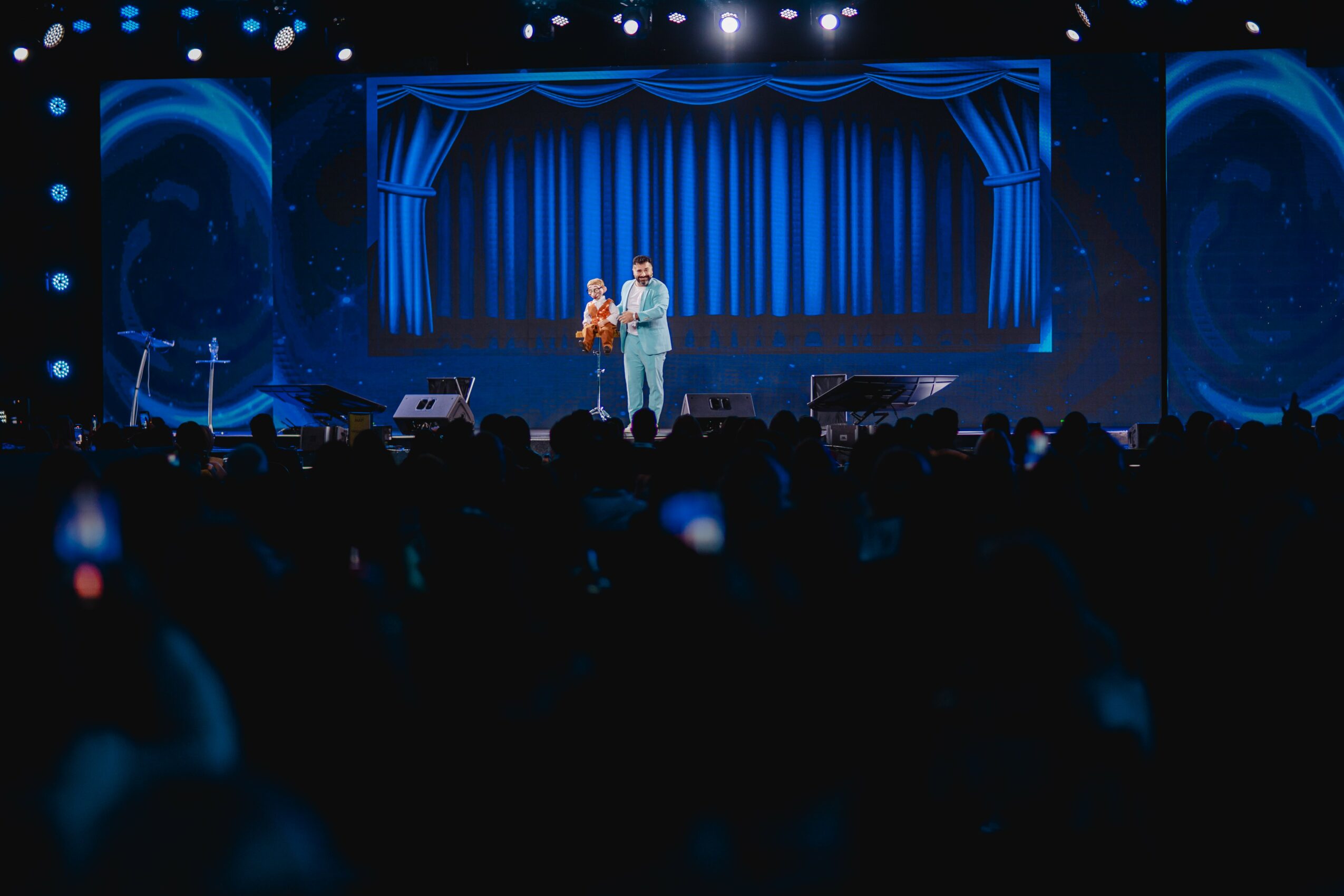
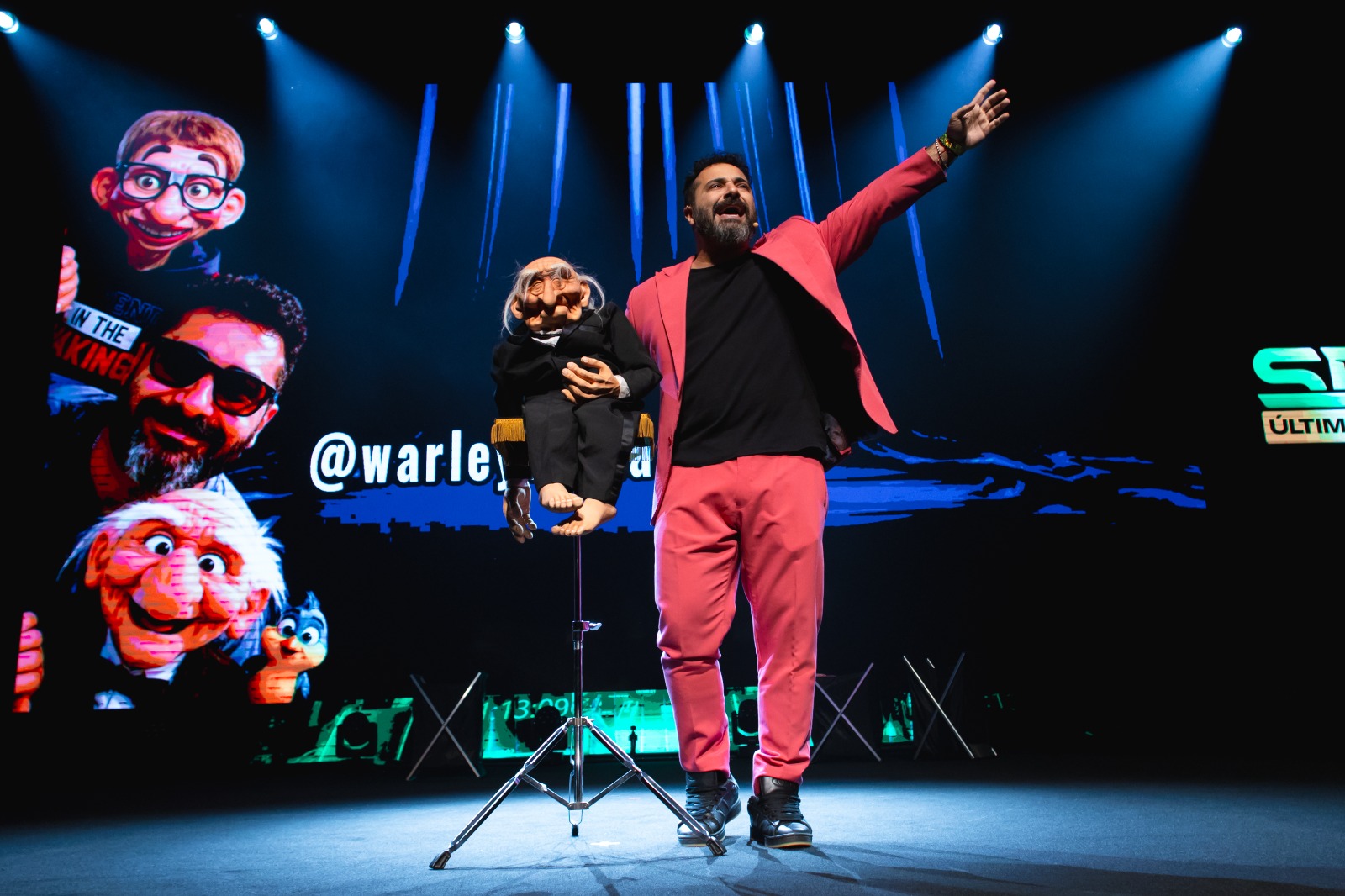
I began by telling them my story as a fan of the band, and then I built jokes around their songs and albums. Since their most iconic song is “Man in the Box,” I literally took my “man” out of a box—my puppet—and began playing with titles such as “Angry Chair,” *Jar of Flies*, and other references their fans would immediately recognize. It worked.
When I finished, the audience applauded. I walked backstage, entered the dressing room, and cried—not because anything had gone wrong, but because the pressure and nervousness finally left my body. It was a cry of pure relief. Afterward, I returned to meet people and take photos with members of the audience. To this day, I consider it one of the greatest performances of my life.
But the story did not end there. Years later, when Chris Martin was visiting Brazil, he heard about what had happened to me in Cincinnati. Amazingly, he asked me exactly the same question Sean Kinney had asked:
“What are you doing tomorrow?”
That question led me to open for Coldplay in front of more than 72,000 people at Morumbi Stadium in São Paulo—the city where I was born.
The Cincinnati experience opened many other doors. I was invited back to perform in the International Show at the Vent Haven Convention, appeared in a Megadeth music video, performed in Japanese at the Brazilian Embassy in Tokyo, and received invitations for television programs, podcasts, interviews, and performances in different parts of the world.
Today, I work as an actor, television presenter, comedian, ventriloquist, podcast host, and keynote speaker. But so much of what came afterward can be traced back to one unexpected conversation outside the Taft Theatre. I traveled to Cincinnati expecting to report a story—and returned to Brazil having lived one.
I owe that moment to God, to chance, to Sean Kinney, and, in a very special way, to Cincinnati.
We all face challenges, but looking back would you describe it as a relatively smooth road?
Like most people who work in entertainment, my journey has included far more rejection, uncertainty, and reinvention than the audience usually sees.
I learned very early that life can change without warning. When I was six, I was hit by a car and broke my femur. Years later, when I was 17, my family was going through a serious financial crisis after my father lost the fortune he had once won in the lottery. Around that same time, I learned that I was going to become a father. I had to grow up very quickly. Teaching English and working as a translator were not only professional choices; they were also ways of taking responsibility and supporting my family.
Building a career in entertainment brought a different kind of instability. You can be celebrated one day and unemployed the next. I have heard “no” countless times, lost important opportunities, watched successful television projects come to an end, and was even dismissed live on television. Experiences like that affect more than your career—they challenge your identity, especially when so much of who you are seems connected to being onstage or on camera.
There is also a strange emotional contradiction in being a comedian: people expect you to make them happy even when you are struggling yourself. I have performed some of the best shows of my life while feeling exhausted, anxious, or uncertain behind the scenes. There were periods when I continued smiling, working, and delivering while my mind and body were clearly asking me to slow down. That experience is one of the reasons I became deeply interested in mental health and eventually began postgraduate studies in Mental Health in Organizations.
For many years, I believed resilience meant enduring everything without stopping. Today, I understand that resilience also means asking for help, respecting your limits, changing direction, and accepting that your profession is something you do—it is not the entirety of who you are.
My struggles taught me how to improvise beyond the stage. When a plan failed, I created another one. When television doors closed, I developed live shows, digital content, a podcast, and keynote presentations. I did not overcome every difficulty by being fearless. Most of the time, I was afraid, but I continued moving anyway.
Looking back, I would not romanticize the difficult moments, because some of them were genuinely painful. But they gave me empathy, versatility, and a much deeper understanding of the people I now try to reach through humor. My greatest achievement may not be that I stood on some extraordinary stages. It may be that, each time life changed the script, I found a way to remain in the story.
As you know, we’re big fans of you and your work. For our readers who might not be as familiar what can you tell them about what you do?
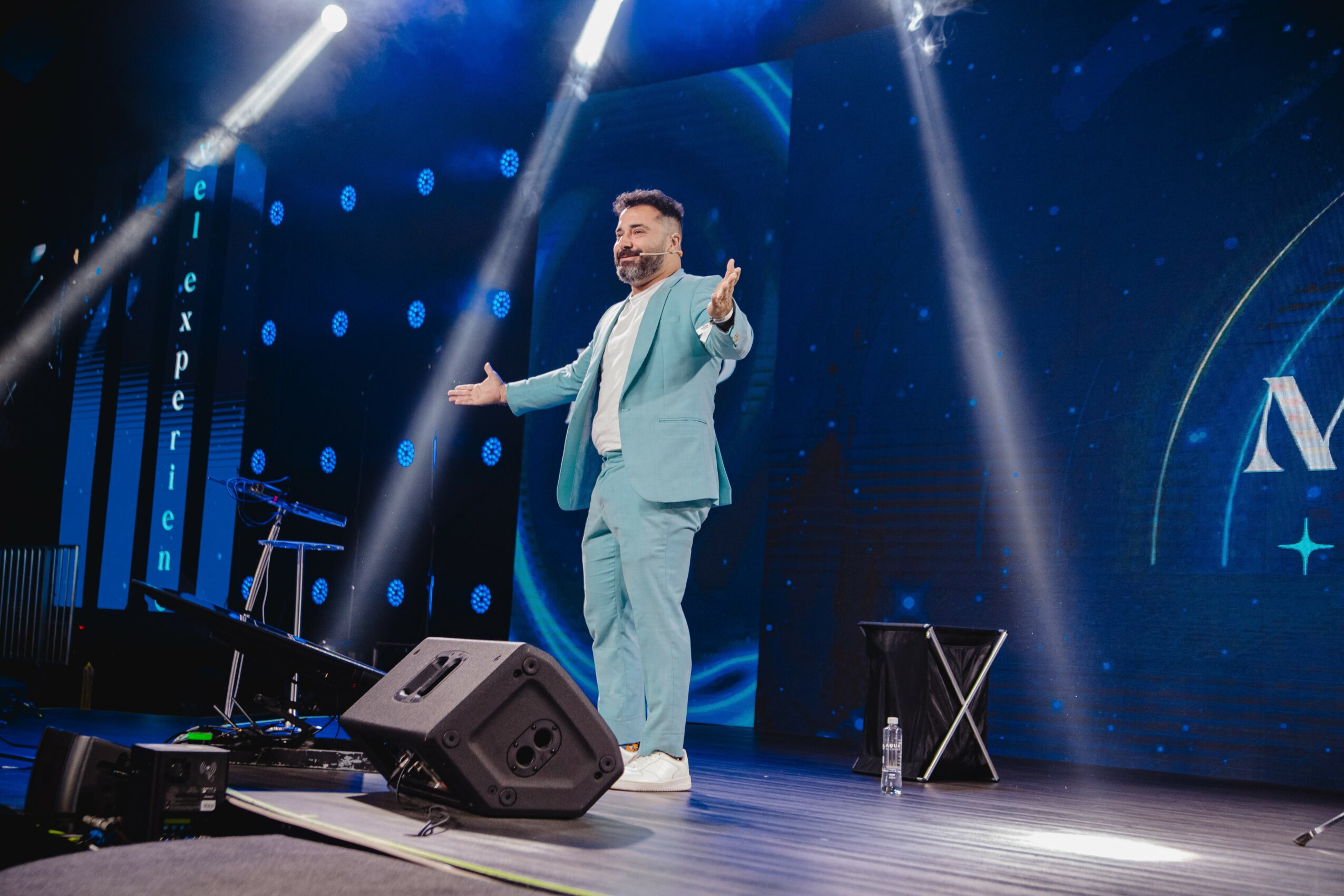
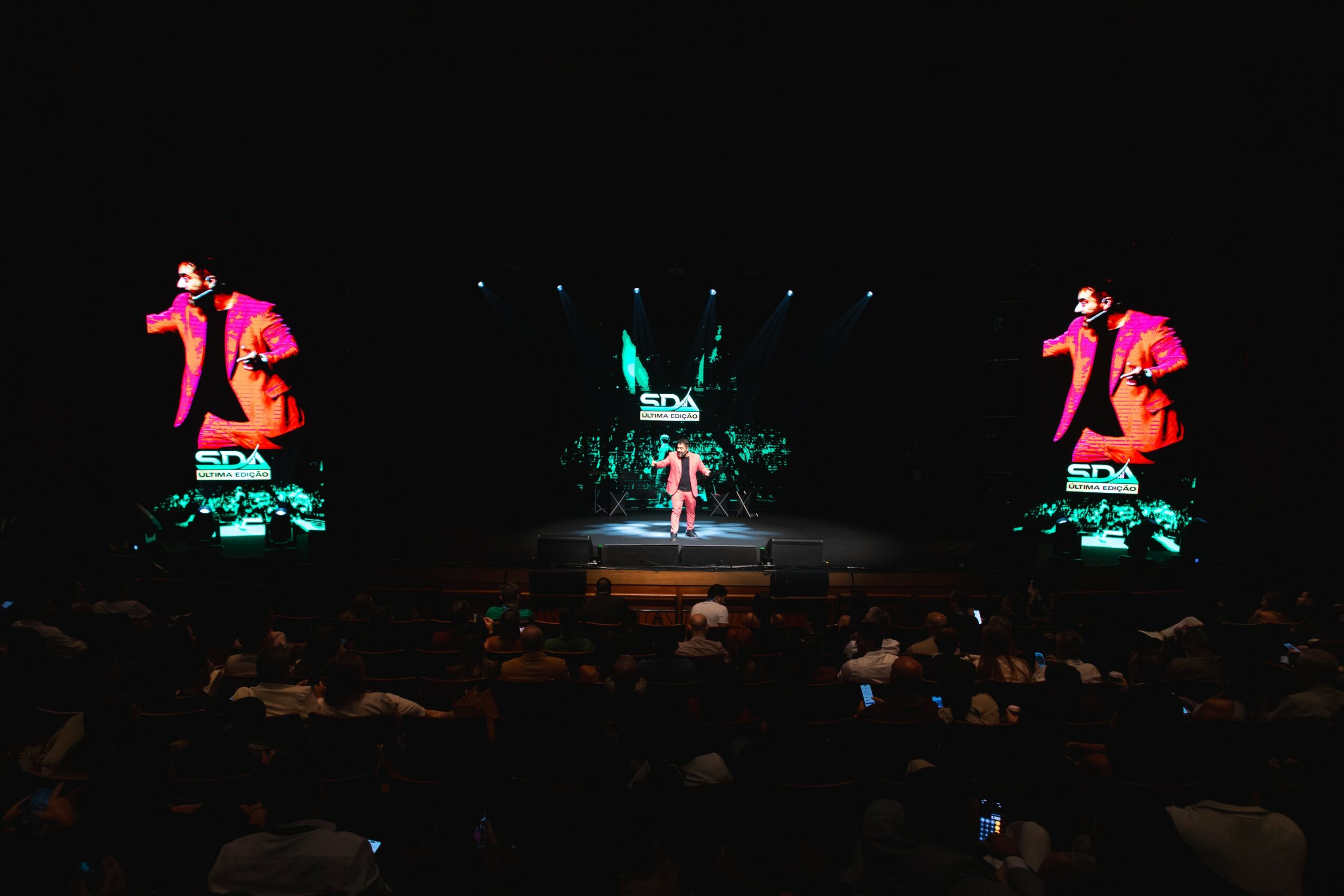
I am an actor, television presenter, comedian, ventriloquist, interviewer, podcast host, and keynote speaker. These may sound like separate professions, but they are all connected by the same purpose: using communication, humor, and storytelling to create a genuine connection with people.
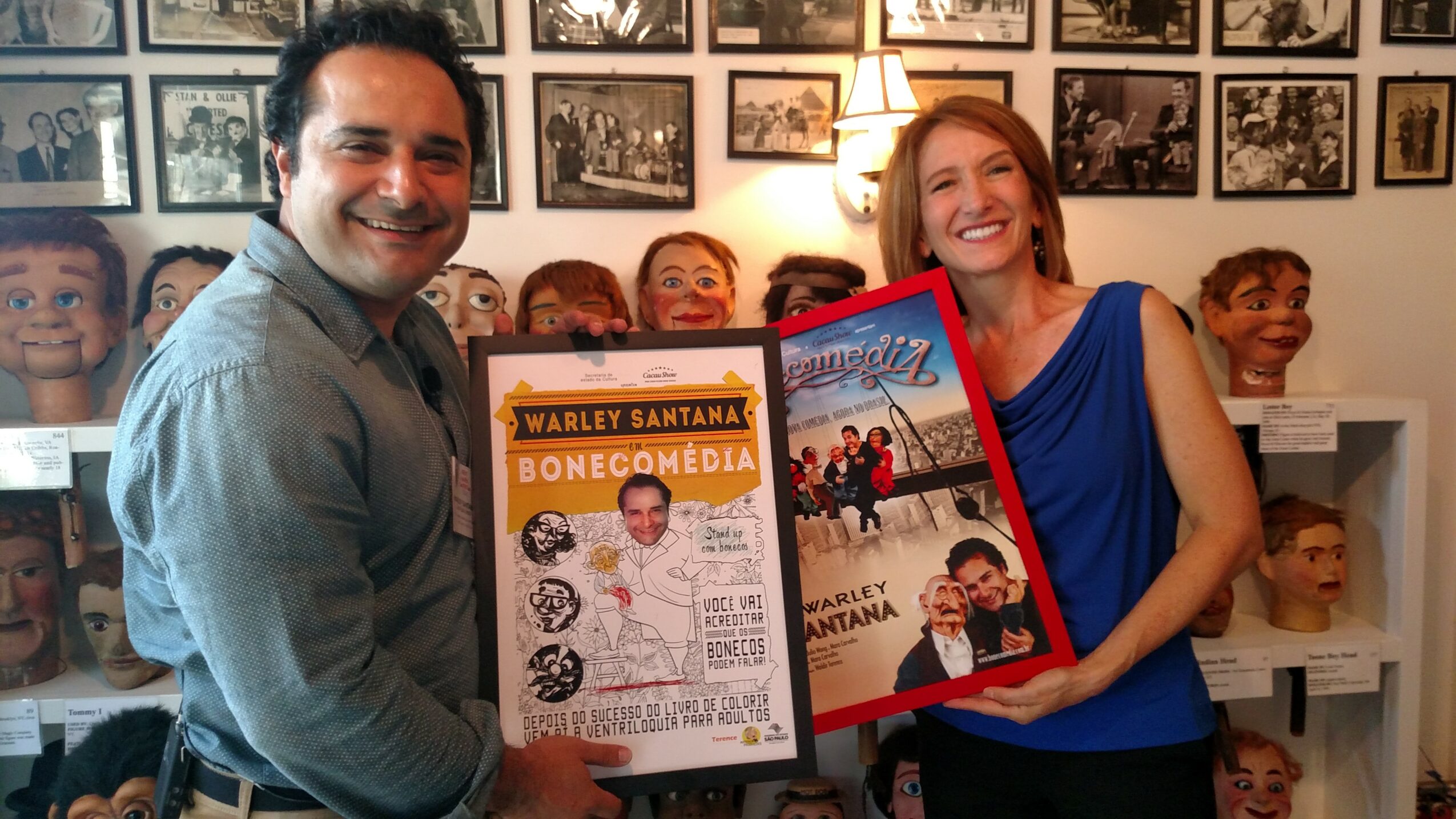
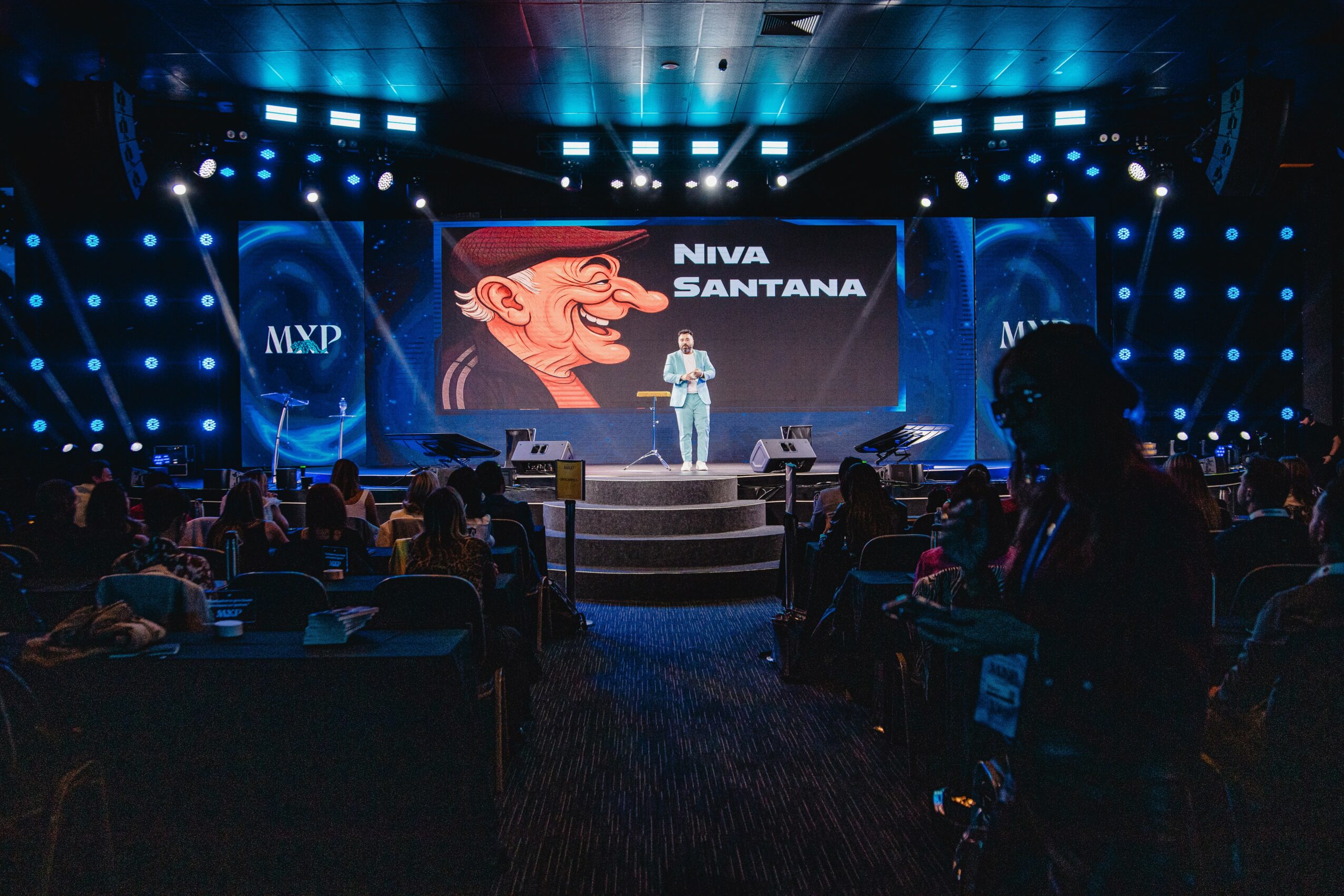
In Brazil, I became known through television, working as a presenter and reporter on programs such as *Tá Certo?*, *CQC*, *Chega Mais*, and *A Praça é Nossa*, one of the country’s most traditional comedy shows. I am especially known for my ventriloquist characters, including Seu Antenor, an outspoken elderly man whose observations about relationships, aging, and everyday life often say the things the rest of us are thinking but are too polite to admit.
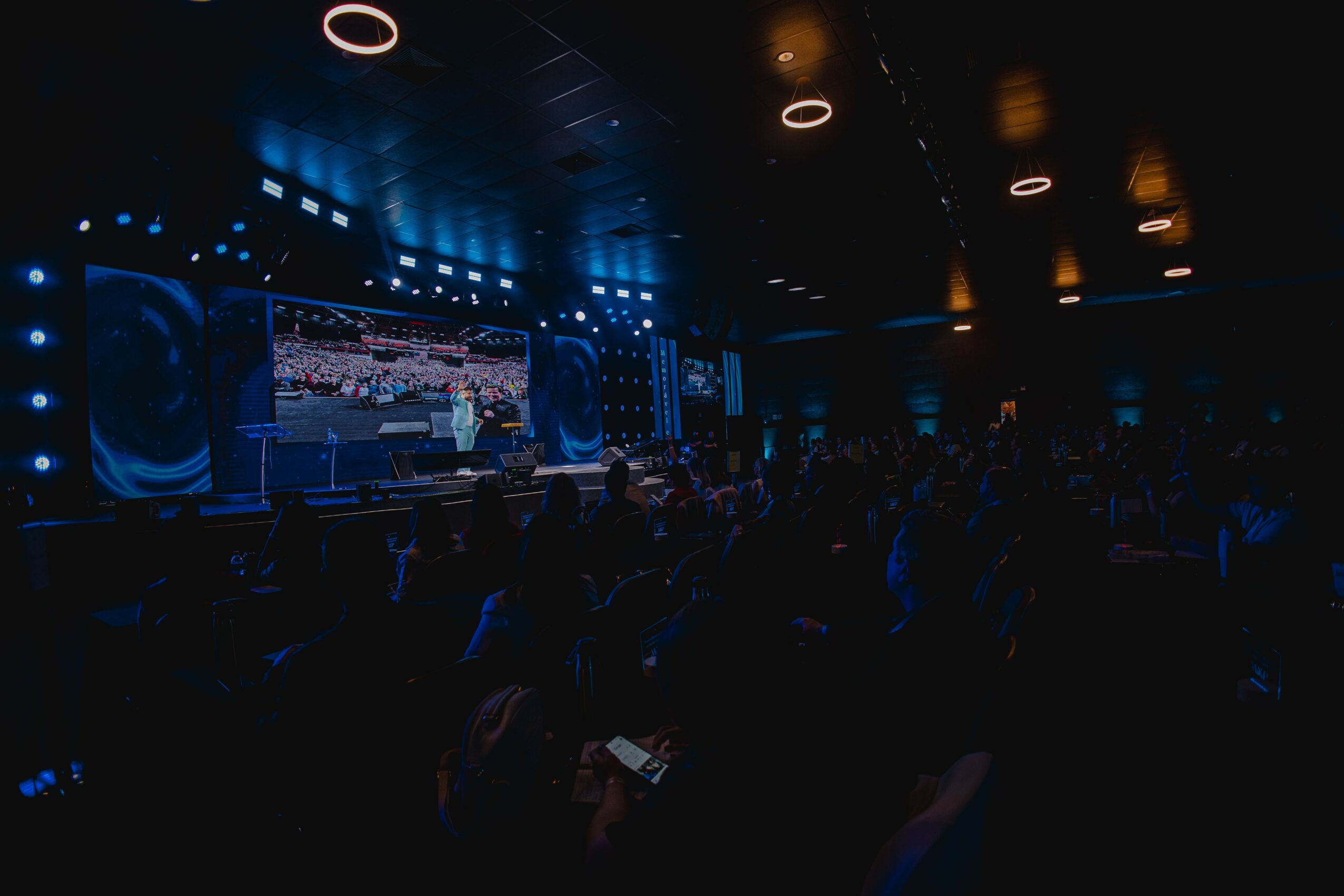
Today, I also host *A Casa do Warley Santana*, an interview podcast built around the idea of making guests feel at home. The conversations are warm, humorous, and personal, but they also explore the experiences behind the public image. As a keynote speaker, I combine comedy, ventriloquism, improvisation, personal stories, and research to speak about creativity, communication, emotional intelligence, reinvention, and mental health in the workplace.
What sets me apart is probably not one individual talent, but an unusual combination of abilities. I bring together ventriloquism, acting, journalism, comedy, interviewing, improvisation, and languages. I speak Portuguese, English, and Spanish, and I have even performed in Japanese. This has allowed me to connect with audiences across cultures—from Brazilian television to the Taft Theatre in Cincinnati, the Morumbi Stadium in São Paulo, and the Brazilian Embassy in Tokyo.
I am proud of having opened for Alice in Chains and Coldplay, performed internationally, and shared the stage with people I once admired from a distance. But I am even prouder that I turned an art form often seen as old-fashioned or limited to children into a contemporary tool for comedy, storytelling, education, and meaningful conversations.
I believe ventriloquism is ultimately about listening. The illusion does not happen only through the movement of the puppet’s mouth; it happens in the audience’s perception. That idea has influenced everything I do. Whether I am interviewing someone, delivering a keynote, reporting a story, or performing with a puppet, my work begins with paying attention to the other person.
Perhaps that is what best defines me: I use many different voices, including those of my characters, to help people hear something true about themselves.
What matters most to you? Why?
What matters most to me is connection—with my family, with the people I work alongside, and with the audience.
For many years, I believed success was mainly about reaching bigger stages, appearing on television, or receiving applause. Those experiences are wonderful, but I have learned that their real value lies in what happens between people: making someone laugh during a difficult moment, helping a guest feel safe enough to share an honest story, or inspiring someone to see new possibilities in their own life.
My family is at the center of everything. Becoming a father at 17 taught me responsibility very early, and it gave my ambitions a purpose beyond myself. Today, I want my work to make the people I love proud without requiring me to sacrifice my health, my relationships, or who I am in the process.
I also care deeply about curiosity, kindness, and listening. My career changed because people were curious enough to ask what I did and generous enough to open a door. I try to offer that same attention to others, especially to people whose ideas or voices might otherwise be overlooked.
Ultimately, what matters most is not simply being remembered as someone who entertained people. I hope to be remembered as someone who made people feel seen, lighter, and a little more courageous about their own stories.
Contact Info:
- Instagram: @warleysantana
- LinkedIn: Warley Santana
- Youtube: A Casa do Warley
Popular
-

The Change-Makers: stories that inspire
-

Hidden Gems: Local Businesses & Creatives You Should Know
-

Portraits of Ohio
-

Take Flight: Lamar Thomas on Building an Inclusive Brand Rooted in Youth, Community, and Purpose
-

Cultivating Inner Clarity: Angel Inspires on Thought, Healing, and Purpose
-

Local Highlighter Series