



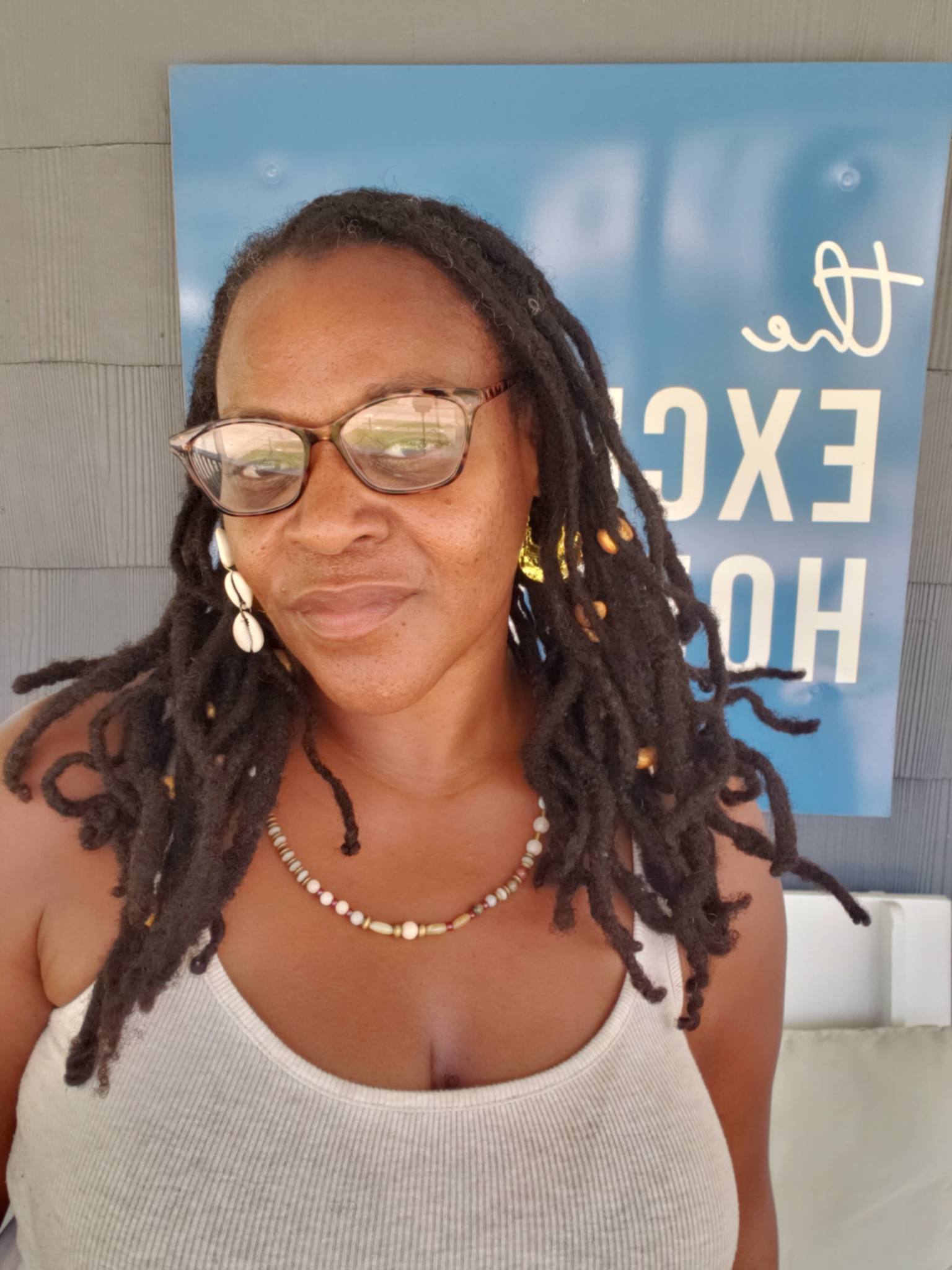
Today we’d like to introduce you to Anika Luna Wild.
Hi Anika Luna, it’s an honor to have you on the platform. Thanks for taking the time to share your story with us – to start maybe you can share some of your backstory with our readers?
I’ve always been an artist. Long before I had language for what I was doing, I was making, collecting, observing, and turning the world around me into something I could hold onto. Today, I work as an artist, grower, herbalist, and community-based creative in Akron, Ohio, and my work lives at the intersection of art, nature, memory, and place.
I have a studio in downtown Akron at Summit Artspace, where I develop my paintings, sculptures, and installations, but my practice extends far beyond the studio walls. I paint, garden, gather stories, preserve memories, teach, create installations, and build experiences that invite people to slow down and pay attention. I’m especially interested in the things that carry memory: flowers, soil, recipes, clothing, family photographs, heirlooms, gardens, food, and the stories people tell about where they come from.
My practice has grown into something much larger than making objects in a studio. I’m interested in what happens when we treat memory as something physical—a landscape that can be cultivated, archived, revisited, and passed on.
My work is deeply connected to my own lineage and to the landscapes that have shaped me. That has led me into community work as well. Through my art residency at North Hill’s Exchange House, for example, I’m exploring the hidden histories and everyday memories of the neighborhood through gardening, quilting, recipes, shared meals, scrapbooking, storytelling, and documentary work.
I think of myself as an artist first and a farmer second, but really, all of those parts of my life inform each other. I’m interested in building a life where creativity isn’t something I clock into—it’s the way I move through the world.
We all face challenges, but looking back would you describe it as a relatively smooth road?
One of the biggest challenges has been building a creative life that doesn’t fit neatly into one category.
There are a lot of systems that want you to choose one title: artist, farmer, educator, mother, entrepreneur, community organizer. My life has never really worked that way. I’ve had to learn to trust the fact that the connections between those things are actually where my strongest work comes from.
There have also been the practical challenges of being an independent artist—finding resources, creating opportunities, funding projects, maintaining a studio practice, and figuring out how to make a sustainable living while continuing to make meaningful work.
But I’ve become less interested in treating those challenges as evidence that something is wrong and more interested in treating them as part of the creative process. I’ve learned to build with what I have, to start before everything is perfect, and to let my work evolve organically.
Community has been a huge part of that. Some of the most meaningful opportunities in my career have come through relationships—people seeing what I’m doing, inviting me into a space, introducing me to someone, or trusting me with a project.
I’ve also learned that I don’t have to separate my personal life from my creative life in the way I once thought I did. Motherhood, gardening, travel, family history, and community all give me material to work with. They aren’t distractions from the art. They are part of the art.
Thanks – so what else should our readers know about your work and what you’re currently focused on?
My work explores memory as landscape.
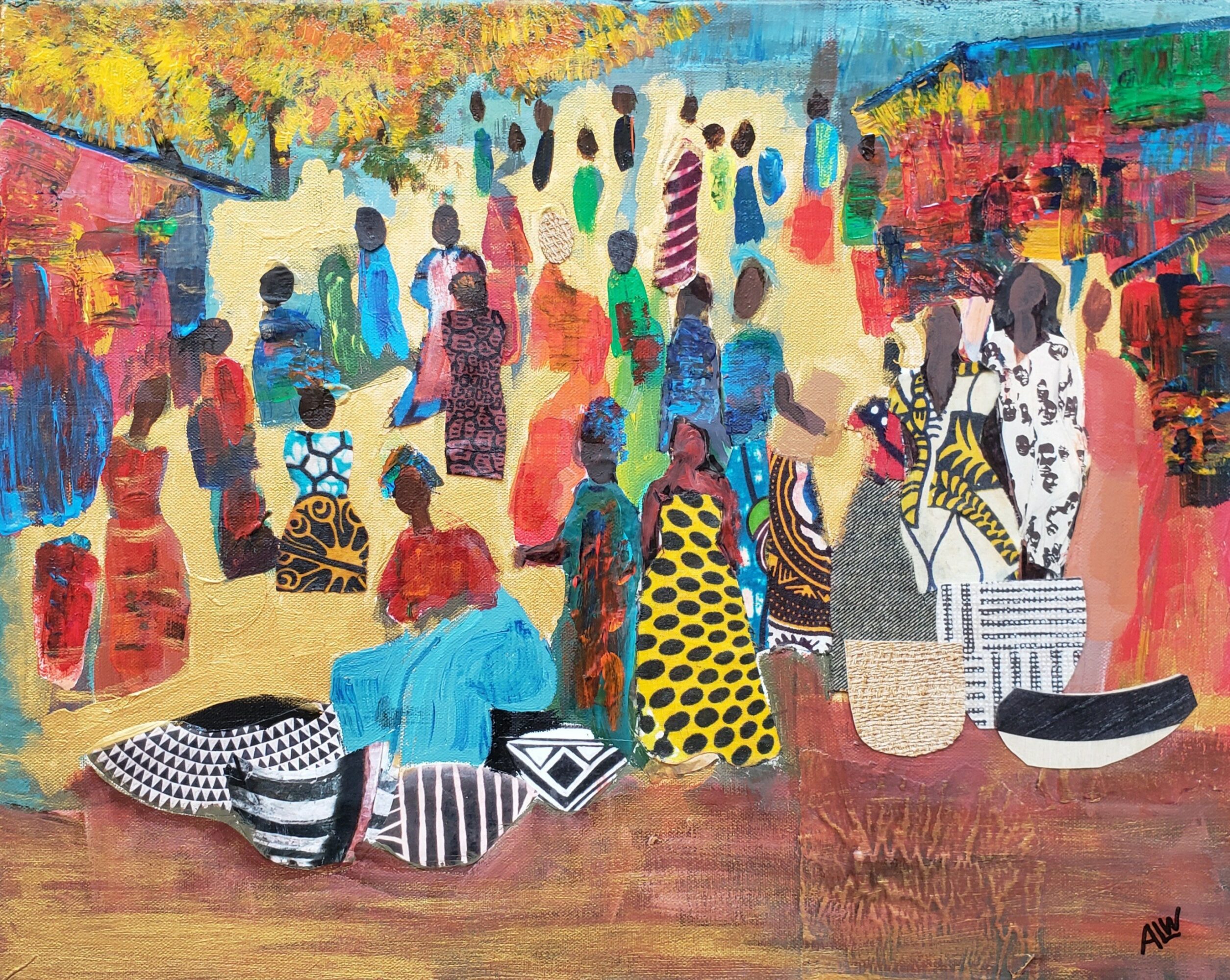
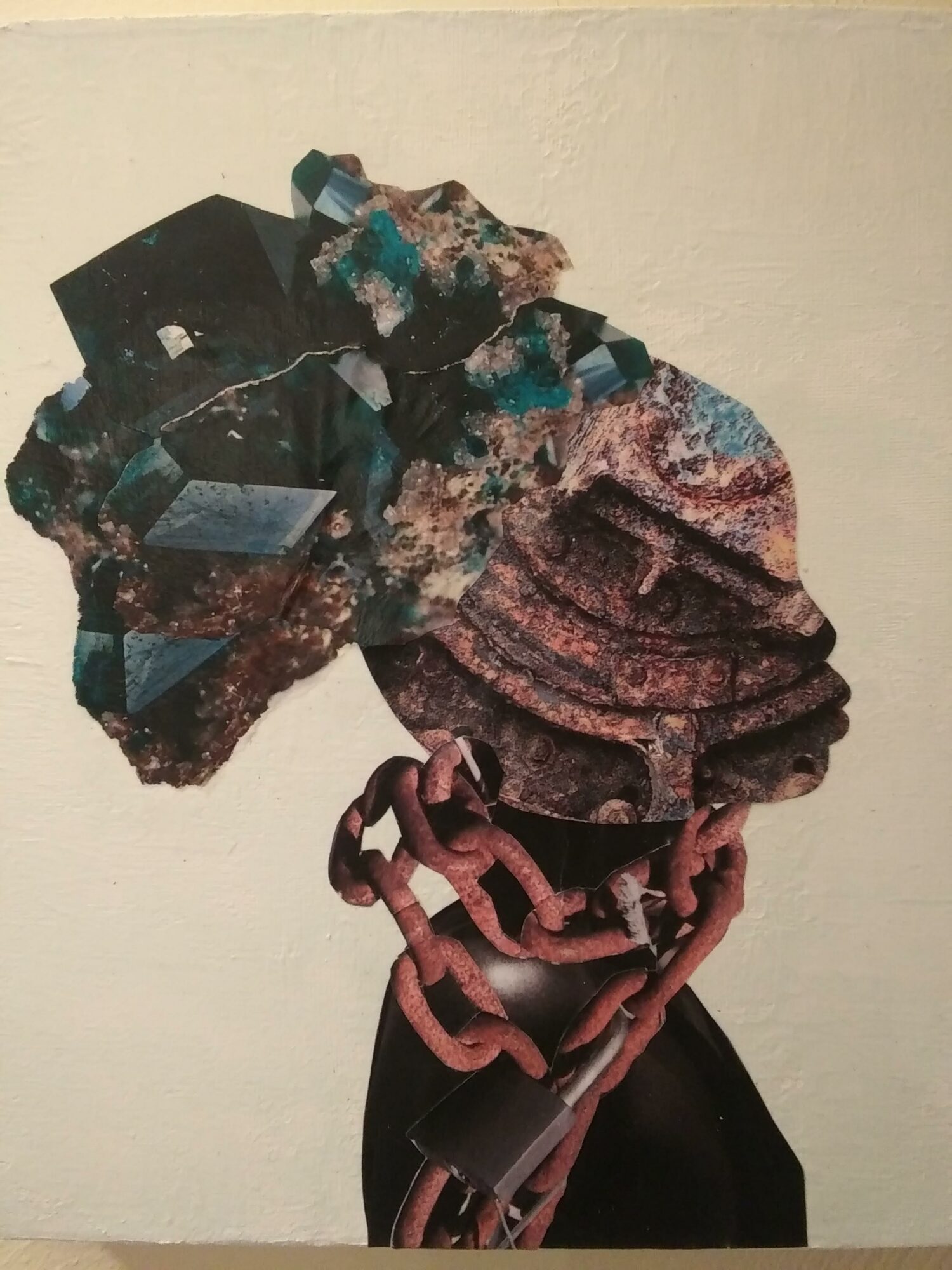
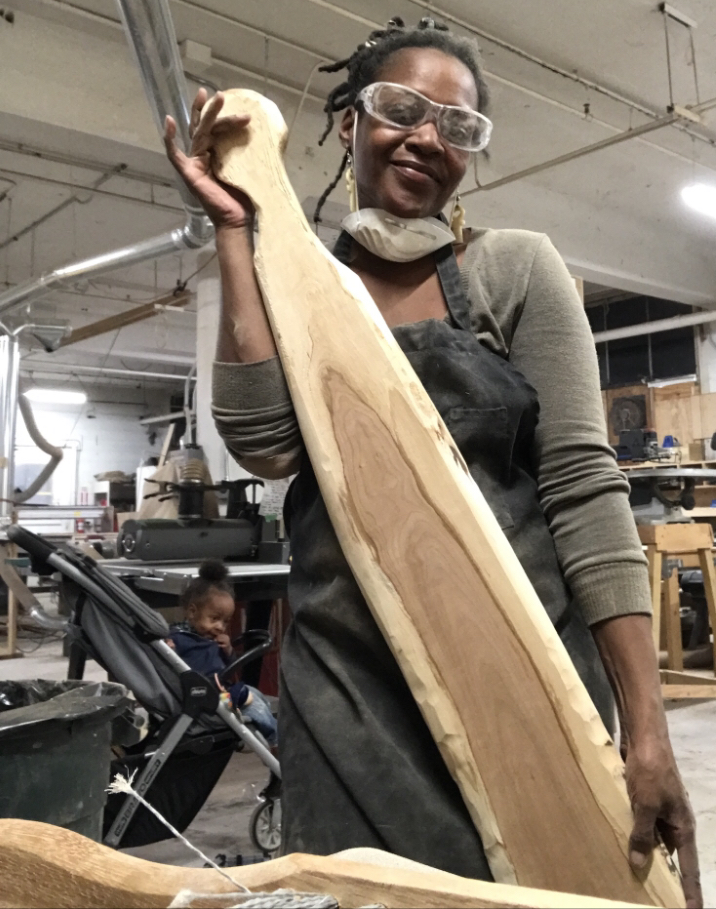
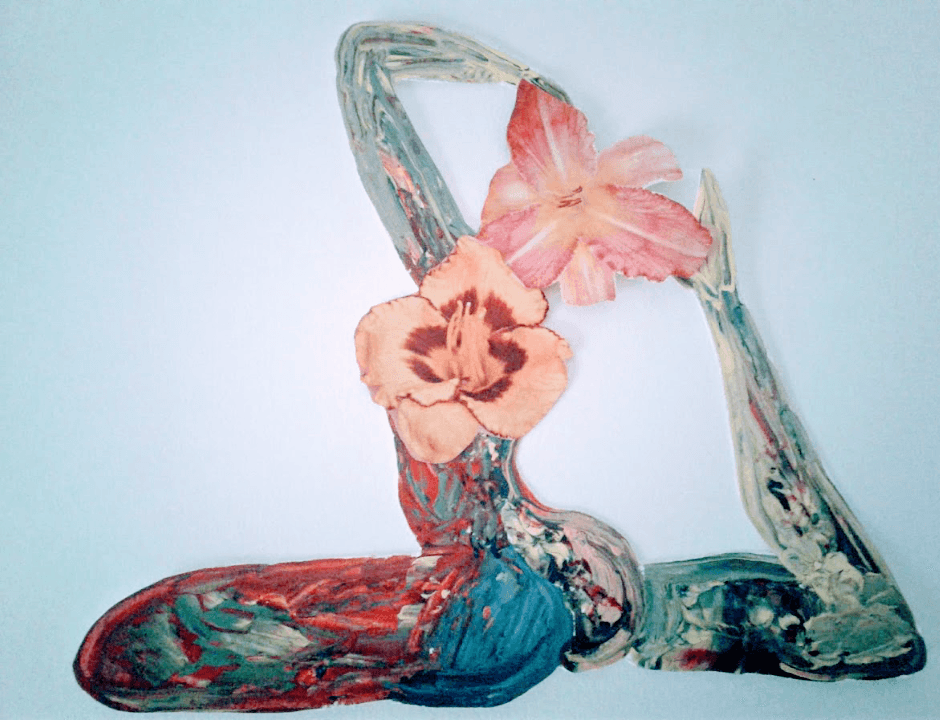
I work across painting, sculpture, installation, textiles, gardening, food, and community-based projects. I’m drawn to materials that already carry a history—wood, clay, fabric, flowers, soil, copper, old frames, photographs, shells, clothing, recipes—and I like giving those materials another life.
A lot of my studio work is rooted in the figure, nature, and the emotional and ancestral weight that objects can carry. My paintings often use bold color and line, while my installations can feel more like shrines, gardens, archives, or rooms that someone has discovered.
At the same time, my community work allows me to explore those ideas collectively. Through my Exchange House residency in North Hill, I’m creating opportunities for residents to share memories, recipes, family stories, objects, photographs, and creative work. We’re building a memory garden, creating a community quilt, sharing meals, documenting stories, and thinking about what it means to preserve the history of a place through the people who actually live there.
I also grow flowers and herbs through Wild Soil, my farm and growing project in Akron. Gardening has become another form of art for me. I’m fascinated by the relationship between cultivation and creativity—what we plant, what we tend, what we preserve, and what we allow to grow wild.
I also teach and facilitate creative experiences in nature, including art and nature programs connected to Cuyahoga Valley National Park. I love creating spaces where people who may not think of themselves as artists can still experience the world through an artistic lens.
Ultimately, whether I’m standing in front of a canvas, planting a garden, cooking a meal, or sitting with someone listening to a family story, I’m doing the same thing: paying attention to what matters and finding a way to preserve it.
Before we go, is there anything else you can share with us?
I think the one thing I would add is that I’m very interested in the idea of building a life that is itself a creative practice.
There’s a tendency to talk about an artist’s work as the things they make, but I’m just as interested in the life that makes the work possible. I’m raising my son, growing food, making art, traveling, learning, teaching, and building community. Those things aren’t separate chapters. They are all happening at the same time, and they continually shape what I make.
I also want people to know that Akron is a very important part of this story. There is so much creativity, history, beauty, and possibility here. I’m interested in being part of the people who are paying attention to that and helping tell those stories.
My work is ultimately about connection—to land, to memory, to ancestry, to creativity, and to one another. I’m interested in what we choose to remember, what we choose to grow, and what we leave behind for the people who come after us.
Contact Info:
- Instagram: https://www.instagram.com/anikalunawild
- Youtube: https://www.youtubecom/@anikalunawild
Popular
-

Hidden Gems: Local Businesses & Creatives You Should Know
-

The Change-Makers: stories that inspire
-

Portraits of Ohio
-

Take Flight: Lamar Thomas on Building an Inclusive Brand Rooted in Youth, Community, and Purpose
-
Cultivating Inner Clarity: Angel Inspires on Thought, Healing, and Purpose
-

Local Highlighter Series