



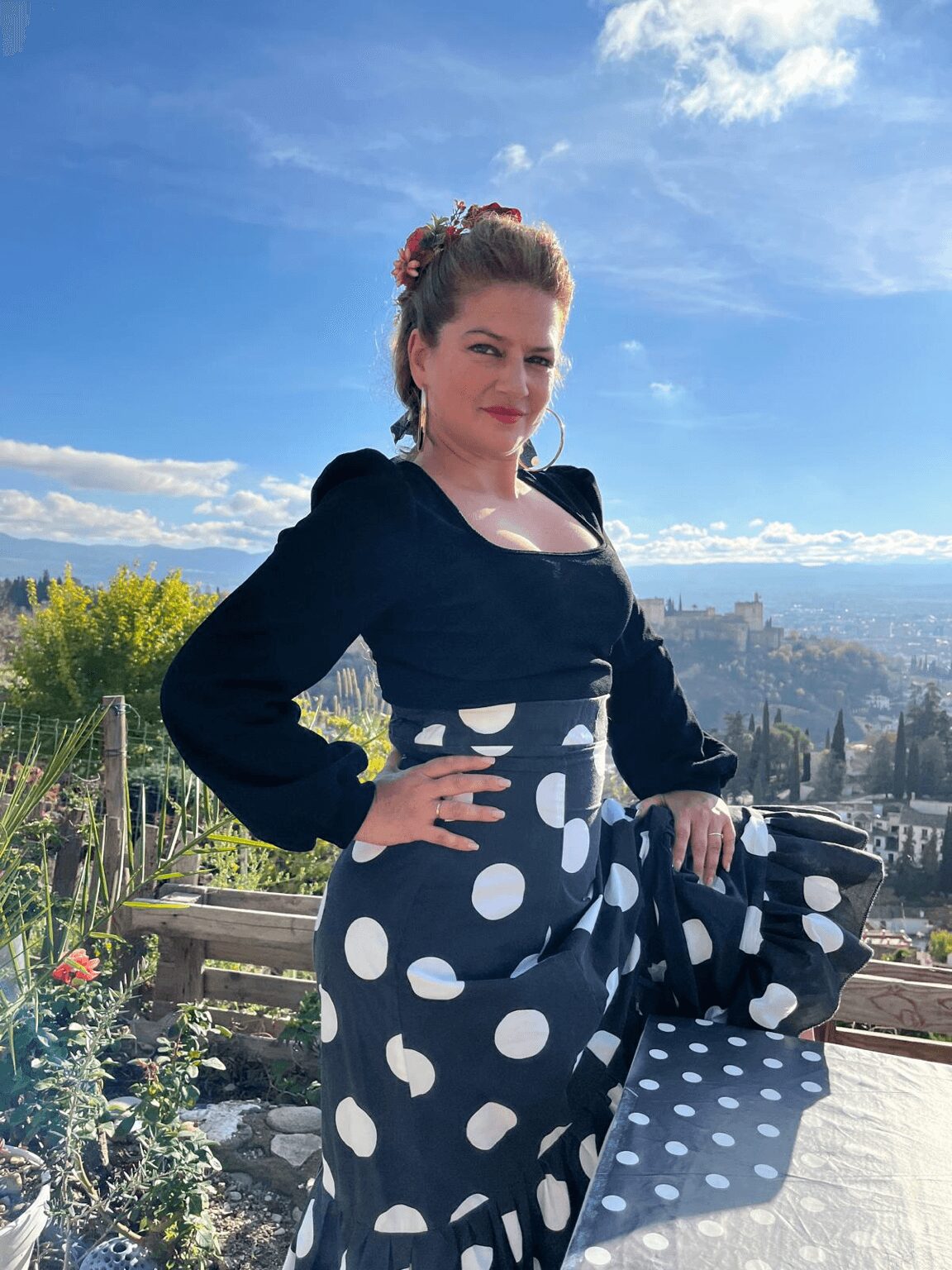
Today we’d like to introduce you to Sol Koeraus.
Hi Sol, thanks for joining us today. We’d love for you to start by introducing yourself.
I was born in Argentina and moved to New York City in my early twenties with a dream of building a life as an artist. I had already studied dance, but in New York I fell deeply in love with flamenco. I took classes, watched performances whenever I could, and slowly began finding work as a dancer. At first, I accepted every opportunity to learn—sometimes even taking small jobs just so I could be close to the stage and observe the artists I admired.
Over the years, flamenco became much more than a profession for me. It became a way to express my identity, my experiences as an immigrant, and the many changes in my life. I performed in theaters and cultural institutions throughout New York, including several seasons with the Metropolitan Opera, and eventually created my own company, Flamenco y Sol. Through the company, I have produced performances, educational programs, and community projects in schools, libraries, senior centers, and festivals.
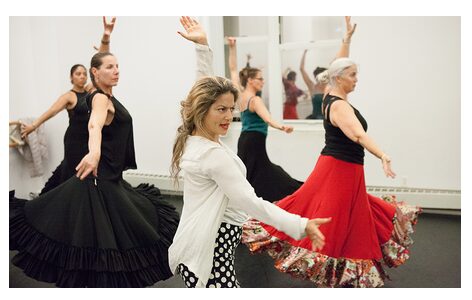
Teaching has become just as meaningful to me as performing. I love bringing flamenco to people who may never have experienced it before and showing them that it is not only about technique—it is about connection, strength, rhythm, and emotion.
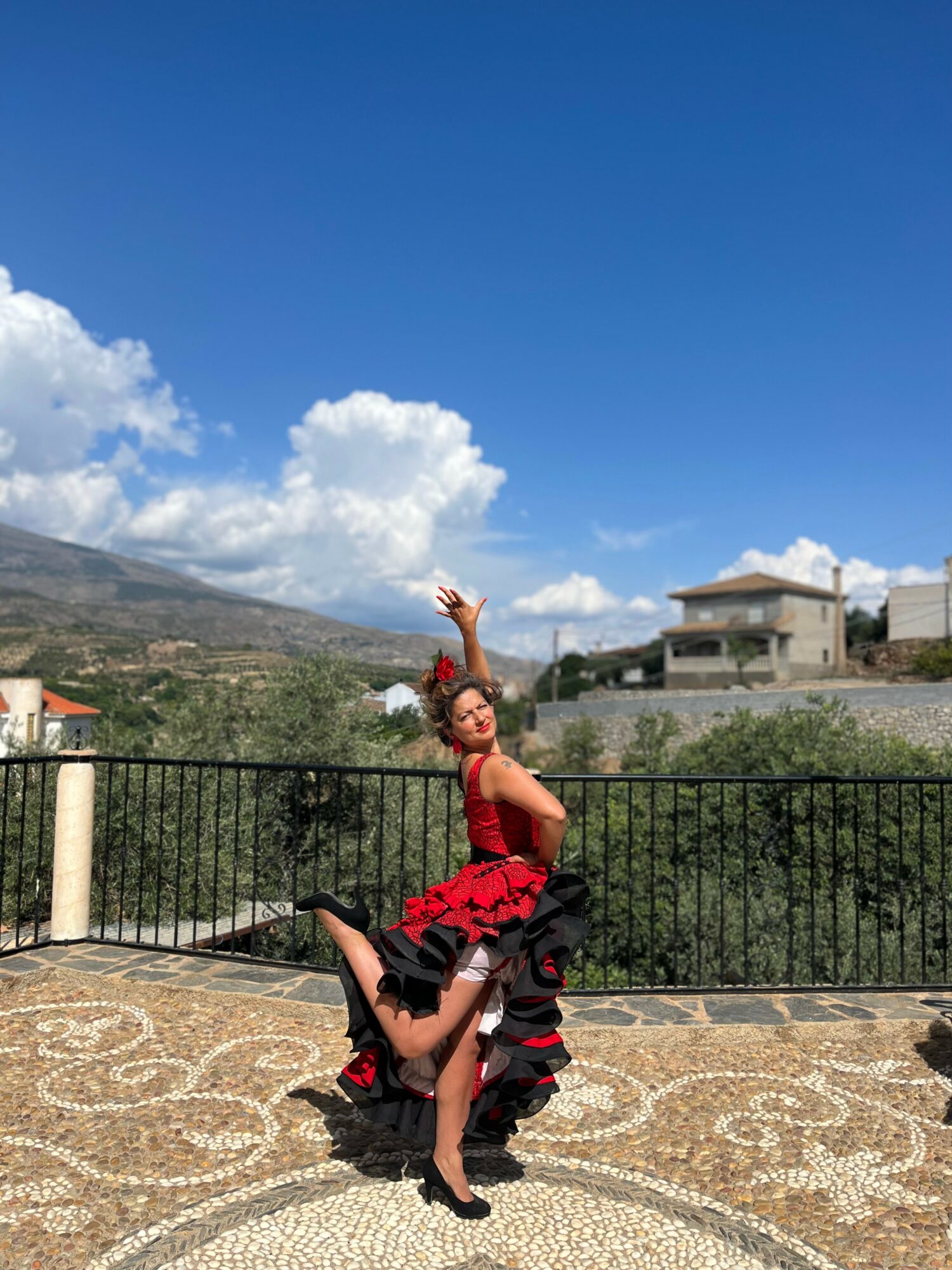
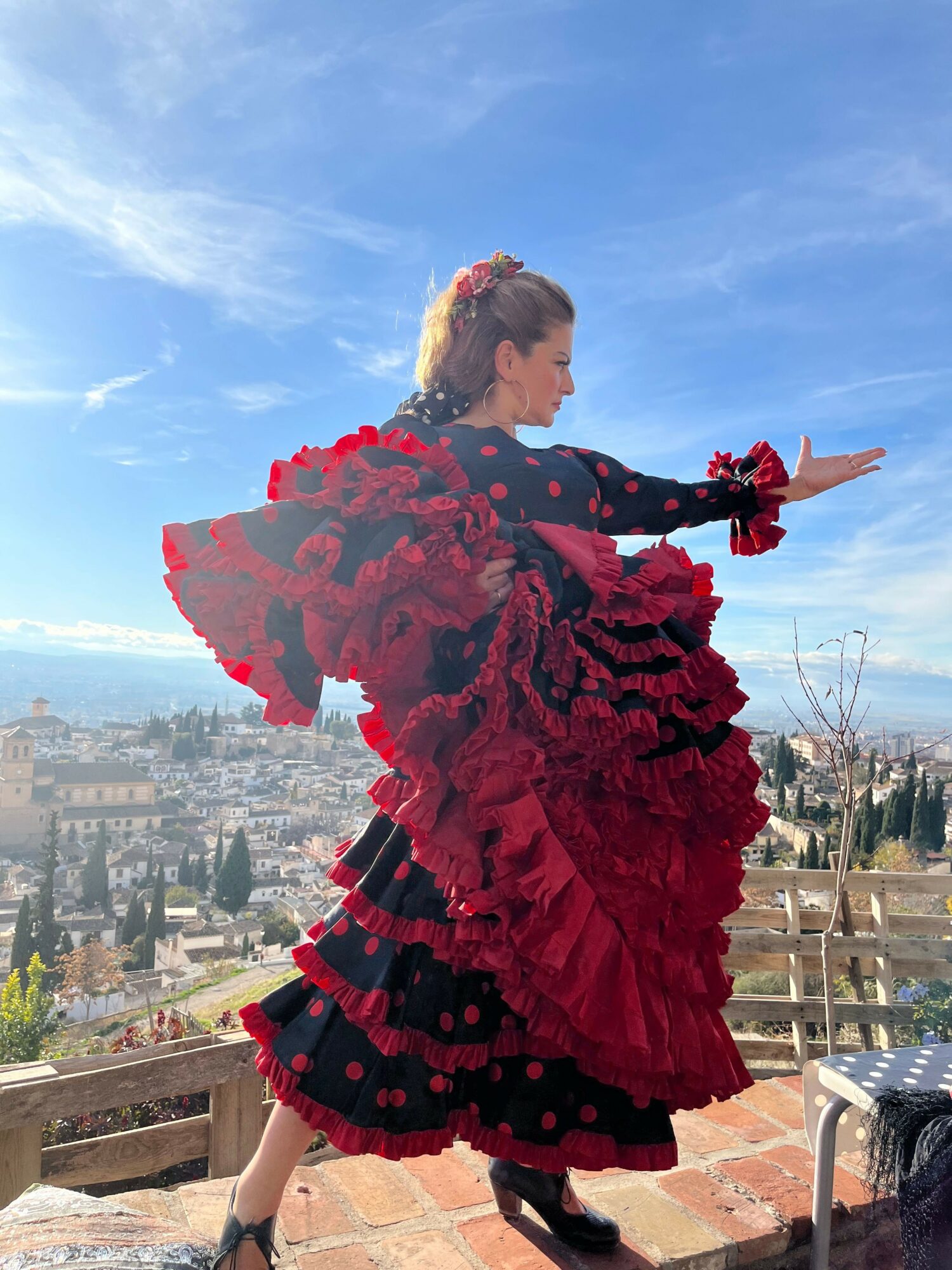
Today, I divide my life between New York and Granada, Spain, where I continue performing, teaching, choreographing, and creating new work. My recent projects explore immigration, womanhood, aging, visibility, and the strength we discover through art. My journey has not been linear, but flamenco has always helped me find my way forward.
Alright, so let’s dig a little deeper into the story – has it been an easy path overall and if not, what were the challenges you’ve had to overcome?
It has definitely not been a smooth road. When I first arrived in New York, I had very few connections and had to build everything from the ground up. Even finding a studio where flamenco dancers were allowed to practice footwork was difficult, because many spaces did not permit the noise or did not have the right kind of floor.
Financially, being an independent artist has also been challenging. Renting rehearsal space, hiring musicians, producing performances, and paying artists fairly can be very expensive. There were many times when I had to create my own opportunities instead of waiting for someone to offer them to me.
Over the years, I also had to learn how to be much more than a performer. I became a producer, choreographer, teacher, administrator, fundraiser, and promoter. Balancing the creative side with all the practical responsibilities has not always been easy.
Another challenge has been continuing to grow and remain visible as a woman and an artist over time. Flamenco can be very demanding, physically and emotionally, but it has also taught me resilience. Every struggle pushed me to become more independent, resourceful, and connected to the deeper meaning of my work.
The difficult moments have shaped me just as much as the successes, and they have given me many of the stories I now bring to the stage.
Alright, so let’s switch gears a bit and talk business. What should we know about your work?
Podés poner esto:
I am a flamenco dancer, choreographer, singer, teaching artist, and the artistic director of Flamenco y Sol. My work combines traditional flamenco with personal storytelling, theater, education, and community engagement.
I have performed in theaters and cultural institutions throughout New York, including several seasons with the Metropolitan Opera, but I am equally proud of the work I have created in schools, libraries, senior centers, and underserved communities. For me, flamenco belongs not only on a stage—it can also bring people together, build confidence, and give people a way to express themselves.
Through Flamenco y Sol, I produce performances and educational programs and create original projects exploring immigration, identity, womanhood, aging, resilience, and visibility. I am especially proud of creating opportunities for experienced female flamenco artists and celebrating the strength, history, and beauty that women bring to the stage at every age.
What sets me apart is the combination of my Argentine roots, my artistic life in New York, and my connection to Granada, Spain. I understand flamenco both as a traditional art form and as a living language that can tell contemporary stories. I bring warmth, humor, emotion, and audience participation into my work, making flamenco accessible without losing its depth or authenticity.
I am most proud that I have built a career by creating my own opportunities while also opening doors for other artists and introducing flamenco to people who might never otherwise experience it.
Is there anything else you’d like to share with our readers?
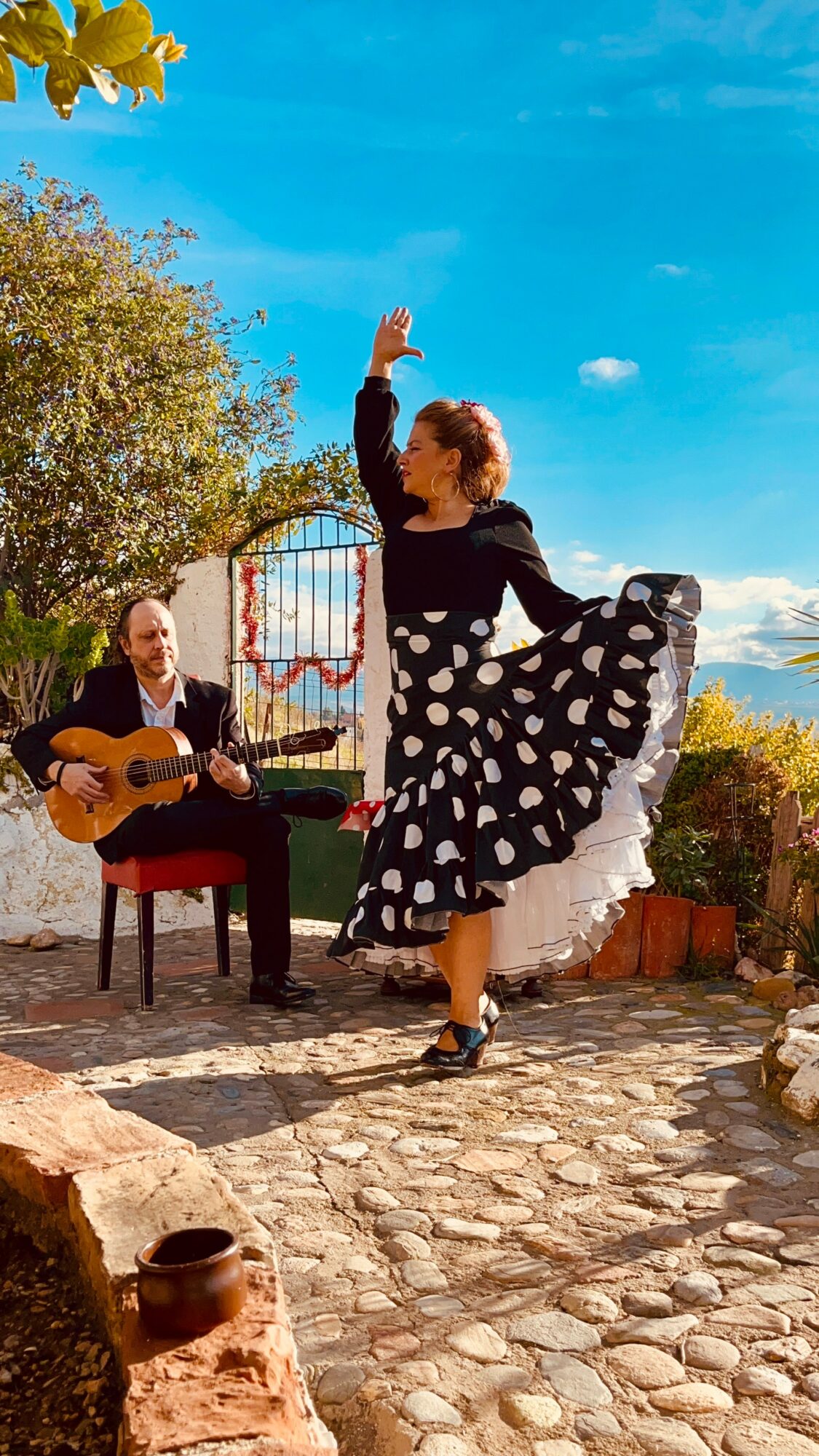
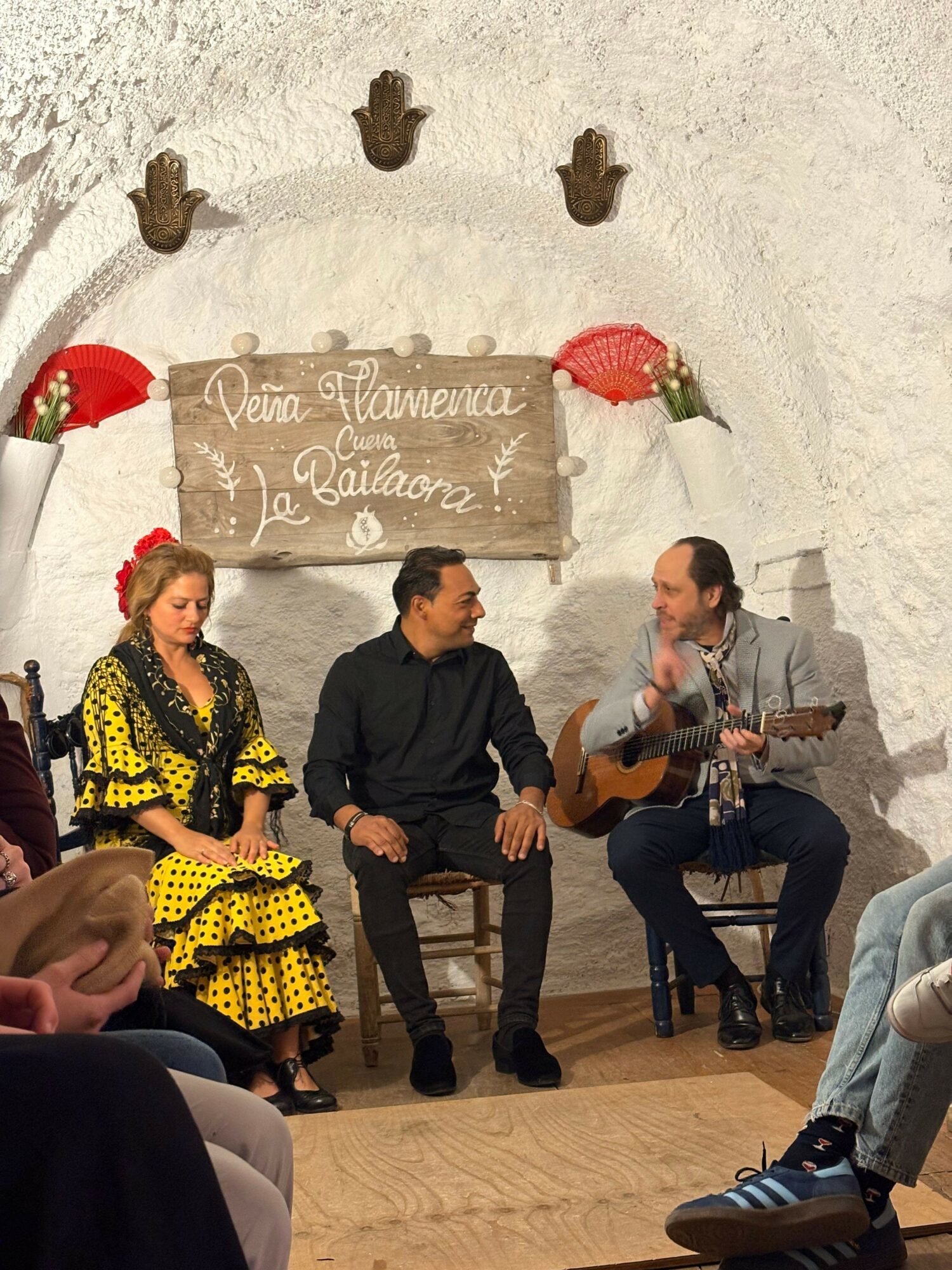
One part of my story that feels especially meaningful is that I now divide my life between New York and Granada, Spain. After so many years of building my career in New York, I now have the opportunity to perform in the flamenco caves of Granada and continue learning from the culture and traditions that inspired me from the beginning.
I also host immersive flamenco experiences in Granada, welcoming students into a more personal way of learning—not only through dance classes, but through music, history, local performances, and everyday life in Andalucía.
It feels like a beautiful full-circle moment: I left Argentina, discovered my artistic voice in New York, and now I am able to connect that journey with flamenco in Spain. I hope my story encourages other artists to keep evolving, taking risks, and creating a life that reflects who they truly are.
Contact Info:
- Website: https://www.flamencoysol.com
- Instagram: https://www.instagram.com/flamencoysol_nyc?utm_source=qr
- Facebook: https://www.facebook.com/share/1NmBwdQrrS/?mibextid=wwXIfr
- LinkedIn: https://www.linkedin.com/in/solkoeraus/
- Youtube: https://youtube.com/@flamencoysol?si=1Vtwoi-_3szGASl5
Popular
-

Hidden Gems: Local Businesses & Creatives You Should Know
-

The Change-Makers: stories that inspire
-

Portraits of Ohio
-

Take Flight: Lamar Thomas on Building an Inclusive Brand Rooted in Youth, Community, and Purpose
-

Cultivating Inner Clarity: Angel Inspires on Thought, Healing, and Purpose
-

Local Highlighter Series