



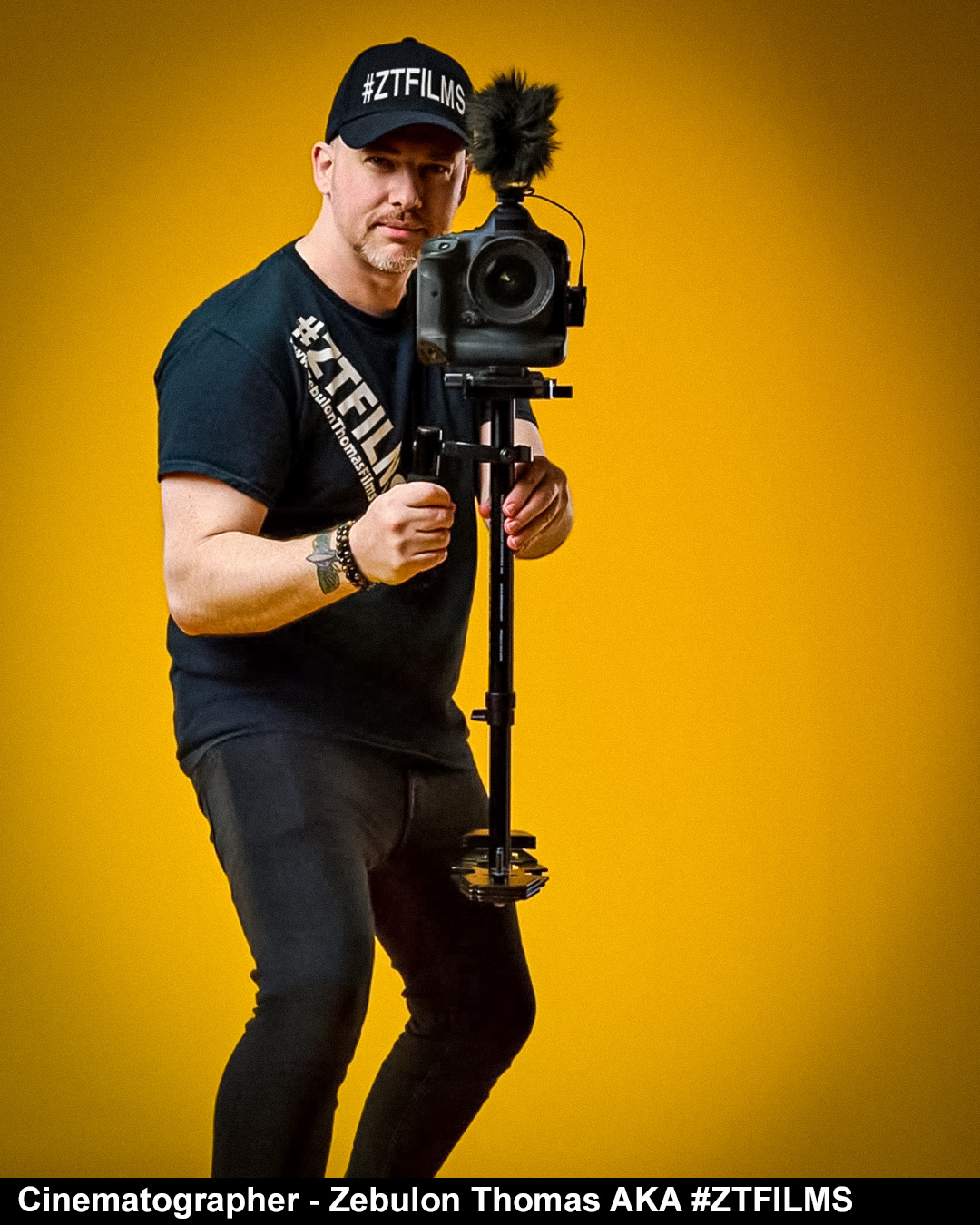
Today we’d like to introduce you to Zebulon Thomas.
Hi Zebulon, so excited to have you with us today. What can you tell us about your story?
There’s a quote that has stayed with me throughout my life: “People will forget what you said, people will forget what you did, but people will never forget how you made them feel.” Whether it’s attributed to Maya Angelou or someone else, the truth behind it has shaped the way I approach every project. Long before I understood cameras, editing, or filmmaking, I was fascinated by stories—the kind that make people laugh, reflect, dream bigger, or see the world a little differently.
That curiosity became a lifelong pursuit.
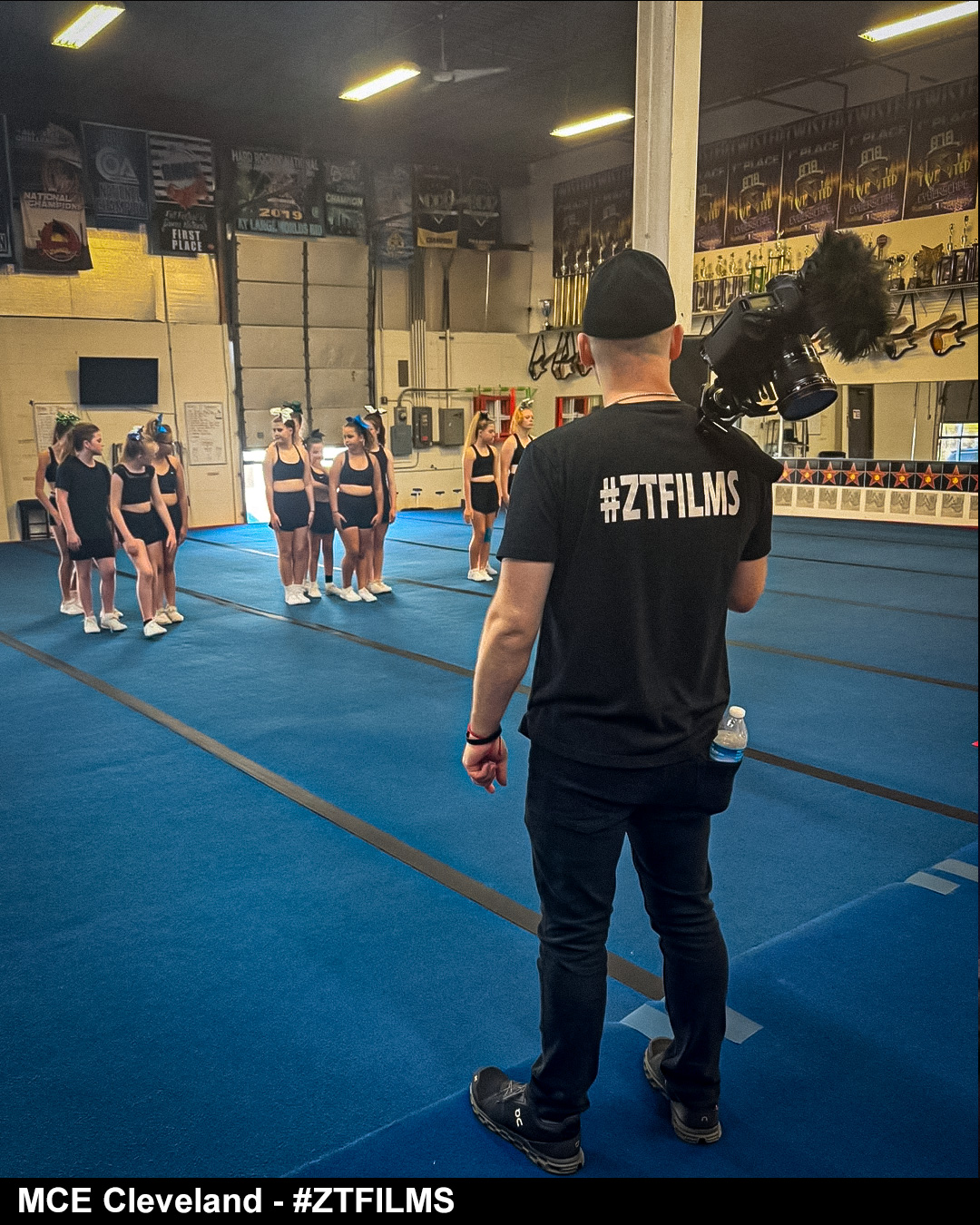
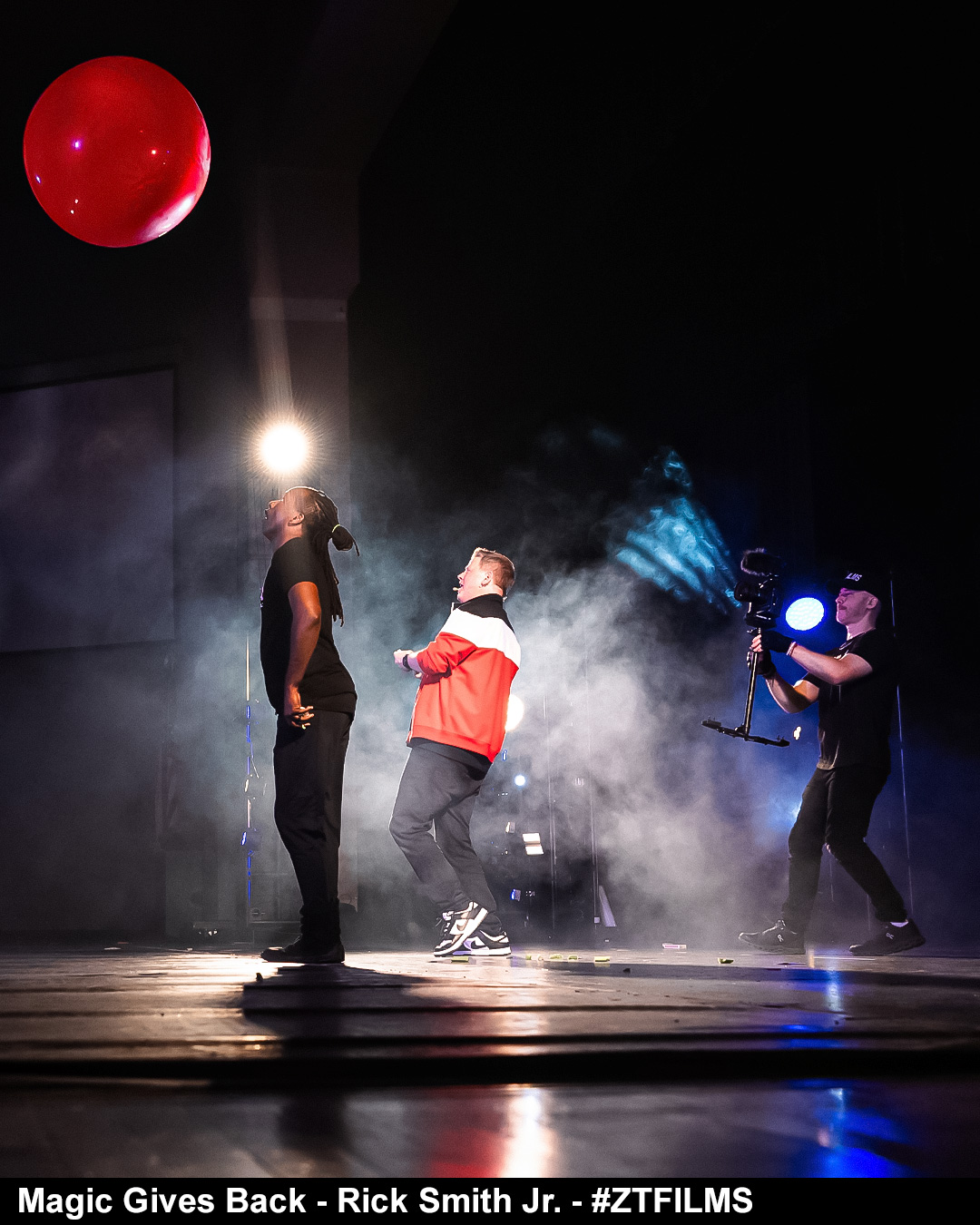
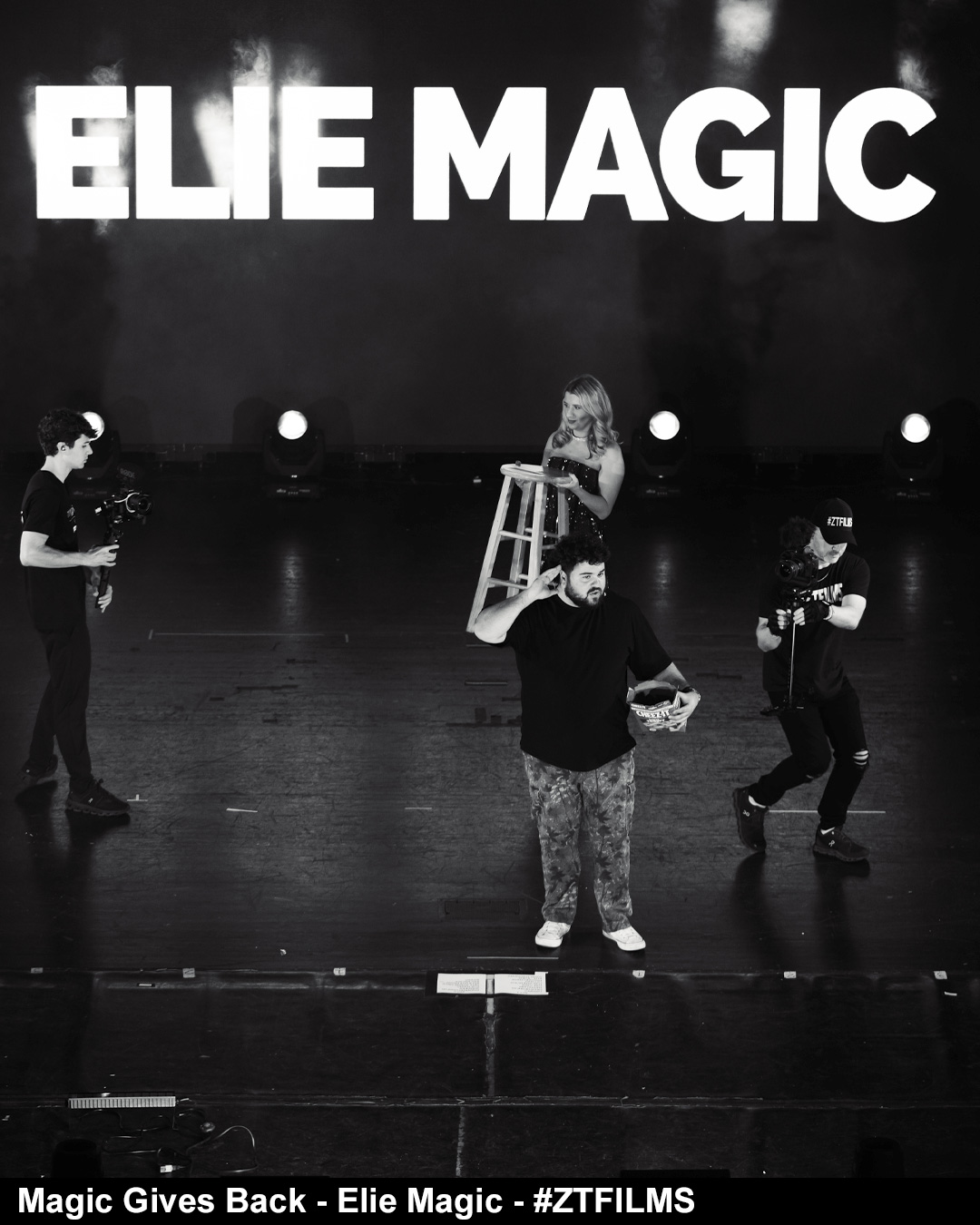
For nearly two decades, I’ve had the privilege of working as a cinematographer, creative strategist, and storyteller, collaborating with entrepreneurs, global brands, public figures, and organizations to create films and campaigns that connect with people on an emotional level. Along the way, I discovered something that changed the direction of my career: the most powerful stories aren’t always the ones with the biggest budgets. They’re often found in local businesses, family-owned companies, community organizations, and the people quietly making a difference every day.
That realization transformed my perspective on what filmmaking could be.
Today, through #ZTFILMS, my mission is to help preserve those stories before they’re lost. I create cinematic company documentaries that go beyond marketing to capture a business’s history, its people, its culture, and the purpose behind what it does. When customers understand why a company exists, they don’t just buy a product or service—they build trust, loyalty, and a deeper connection with the people behind it. I believe every business has a legacy worth preserving, and film is one of the most powerful ways to do that.
I’m also entering one of the most exciting seasons of my career. This year, #ZTFILMS is producing three independent films right here in Ohio. Two are coming-of-age stories centered on friendship, adventure, resilience, and the kind of positive guidance many young people are searching for today. These projects have become even more meaningful because my 12-year-old daughter is joining me as a co-producer, giving us the opportunity to create stories together that encourage the next generation while passing on a love for storytelling and filmmaking.
We’re also developing our first independent horror feature, bringing together local actors, filmmakers, artists, and businesses from across Ohio. While it’s a different genre, the heart behind the project remains the same: investing in our creative community, creating opportunities for local talent, and proving that meaningful films can be made right here at home.
Looking back, every chapter of my journey—from commercial productions and creative strategy to documentaries and feature films—has been connected by one purpose: helping people tell stories that matter. Whether I’m preserving the legacy of a family-owned business, producing a film that inspires young people, or collaborating with local creatives to bring new stories to life, I hope my work reminds people that the stories we choose to tell today become the legacy we leave tomorrow.
And in many ways, I feel like the most meaningful chapter is just beginning.
Would you say it’s been a smooth road, and if not what are some of the biggest challenges you’ve faced along the way?
It hasn’t been a smooth road—but I don’t think meaningful work ever is.
For a long time, the challenge wasn’t just external. It was internal. Learning how to keep going when the path you’re building doesn’t have a clear blueprint, validation, or guarantee that it will work. In the world of filmmaking and creative business, there’s a constant tension between what you know is possible and what you’re actually resourced to do in the moment.
There were seasons where I was producing work that I knew had the potential to reach a much larger scale, but the opportunity structure around it wasn’t always there yet. That can test your patience if you let it. You start to realize that talent isn’t usually the limiting factor—timing, access, and infrastructure are.
There were also the quieter struggles that don’t show up in a portfolio. The long days where you’re carrying multiple roles at once—creator, editor, strategist, business owner—while still trying to protect the integrity of the work itself. When you care about quality, there’s no real “off switch.” You either let things slide, or you carry the weight of making sure every detail reflects the standard you believe in.
But one of the biggest lessons came from something simpler: learning to stay grounded in why I started.
Because in this industry, it’s easy to drift into comparison. Bigger productions. Bigger budgets. Bigger platforms. You can start measuring your progress against things that were never aligned with your original purpose. I had to learn to step back from that noise and redefine success in a way that actually matched the work I wanted to create.
Another challenge was building trust—not just with clients, but with the idea that there was a different way to tell stories. When you move from traditional commercial work into something more intentional, more narrative-driven, and more legacy-focused, you’re often asking people to see value in something they haven’t seen framed that way before. That requires patience. It requires consistency. And it requires showing, not just telling, what’s possible.
But maybe the most defining shift came when I stopped treating those challenges as setbacks and started seeing them as part of the process of building something that doesn’t already exist in a template.
Because what I’m building with #ZTFILMS isn’t just a service. It’s a different way of thinking about storytelling, one that prioritizes legacy, community, and emotional truth over speed and volume.
And anything built that way takes time.
Looking back, I don’t see a smooth road. I see a necessary one. Every constraint forced clarity. Every limitation forced creativity. Every delay forced me to refine not just what I do—but why I do it.
And that’s the part I wouldn’t trade.
Because without it, I don’t think I’d be building this the same way at all.
Can you tell our readers more about what you do and what you think sets you apart from others?
I don’t really think of my work in terms of titles anymore.
What I do is help people see the value of their own story: before it’s forgotten, overlooked, or reduced to something transactional.
At the core, I specialize in cinematic storytelling. That can take shape in different ways depending on the project: brand films, company documentaries, creative strategy, or independent narrative work. But the foundation is always the same. I’m not just documenting what something looks like, I’m trying to capture what it means.
Most of the work I’m known for sits at the intersection of commercial filmmaking and narrative storytelling. On one side, I’ve spent years working with brands, entrepreneurs, and organizations to create high-level visual campaigns. On the other, I’ve always been drawn to story-driven work that carries emotional weight: films that feel less like marketing and more like memory.
What’s shifted over time is the intention behind it.
Today, one of the things I’m most proud of is the way #ZTFILMS has evolved into a space where those two worlds meet. We’re not just creating content for visibility. We’re creating films that preserve identity. That might be a family-owned business that’s been operating for generations, a local organization shaping its community, or a new brand trying to define what it stands for in a crowded world.
A lot of people can produce video. Fewer people can translate meaning.
That’s where I think the difference is.
I’ve also become deeply focused on the idea of legacy storytelling: helping businesses and communities understand that their story isn’t just a marketing tool, it’s an archive of who they are. When that’s done correctly, it doesn’t just attract attention. It builds trust that lasts beyond a campaign or a trend cycle.
What I’m most proud of, though, isn’t a single project or client.
It’s the shift in how people respond after seeing their own story told this way. When someone watches a film about their business or their life’s work and suddenly sees it from the outside—there’s a moment of recognition. Not of performance, but of meaning. That moment is what I’ve spent years trying to refine.
What sets my work apart isn’t just technical execution, though that’s always been important.
It’s perspective.
I approach storytelling as something that sits between art and responsibility. Art, because it has to move people. Responsibility, because once a story is captured and shared, it becomes part of how that person, business, or community is remembered.
That’s also why the current chapter of my work feels so important.
I’m not just creating commercial films anymore. I’m actively building independent projects here in Ohio, coming-of-age stories, community-driven productions, and genre films that bring local creatives into the process. These projects aren’t separate from my commercial work; they reinforce the same belief that runs through everything I do:
Stories shape how we see ourselves; and how we’re seen by others.
And I think the responsibility of a storyteller is to make sure those stories are told with care, clarity, and intention.
That’s the work I’ve dedicated myself to.
And it’s the work I’m continuing to build, one story at a time.
Are there any important lessons you’ve learned that you can share with us?
The most important lesson I’ve learned is that clarity matters more than speed.
Early in my career, I thought progress was defined by momentum; more projects, more clients, more opportunities, more output. I believed that if I just kept moving, things would eventually align. And in some ways, that’s part of building anything meaningful. You do have to keep going.
But over time, I started to notice something: motion without clarity doesn’t build anything lasting. It just creates noise.
The real shift happened when I began asking a different question before every project, every collaboration, and every opportunity. Not “Can I do this?” but “Does this align with what I’m actually building?”
That question changed everything.
It slowed certain things down. It made me more selective. It forced me to think long-term instead of reacting to short-term opportunities. And at first, that can feel uncomfortable, especially in a creative industry where you’re often taught to say yes, stay busy, and keep your name circulating.
But what I’ve learned is that the work becomes stronger when it has direction instead of just activity.
Clarity also changed how I view storytelling itself.
I stopped thinking of myself as someone who just creates content or films projects. I started thinking of myself as someone building a specific kind of legacy work, helping businesses, communities, and individuals preserve who they are in a way that still feels true years from now. That requires restraint. It requires saying no to things that might be impressive on the surface but don’t serve the larger vision.
There’s also a personal side to this lesson.
When you’re building something that doesn’t fit neatly into a traditional category, it’s easy to second-guess yourself. You look around and see other people scaling faster, growing louder, moving in more predictable paths. But clarity brings you back to center. It reminds you that not every path is supposed to look the same; and that consistency in direction matters more than comparison in pace.
If I had to distill it into one idea, it would be this:
Speed impresses people in the short term. Clarity builds something that lasts.
That’s what I try to hold onto now in every decision I make with #ZTFILMS and every story I step into.
Because in the end, the goal isn’t to create the most content or the fastest growth curve.
It’s to build something that still makes sense years from now—because it was built with intention from the beginning.
Contact Info:
- Website: https://www.ZebulonThomasFilms.com
- Instagram: https://www.instagram.com/ztfilms/
- Facebook: https://www.facebook.com/zebulonthomasfilms
- LinkedIn: https://www.linkedin.com/in/zebulonthomas/
- Youtube: https://www.youtube.com/ZTFilms
- Other: https://buymeacoffee.com/ztfilms
Popular
-

Hidden Gems: Local Businesses & Creatives You Should Know
-

The Change-Makers: stories that inspire
-

Portraits of Ohio
-

Take Flight: Lamar Thomas on Building an Inclusive Brand Rooted in Youth, Community, and Purpose
-

Cultivating Inner Clarity: Angel Inspires on Thought, Healing, and Purpose
-

Local Highlighter Series