



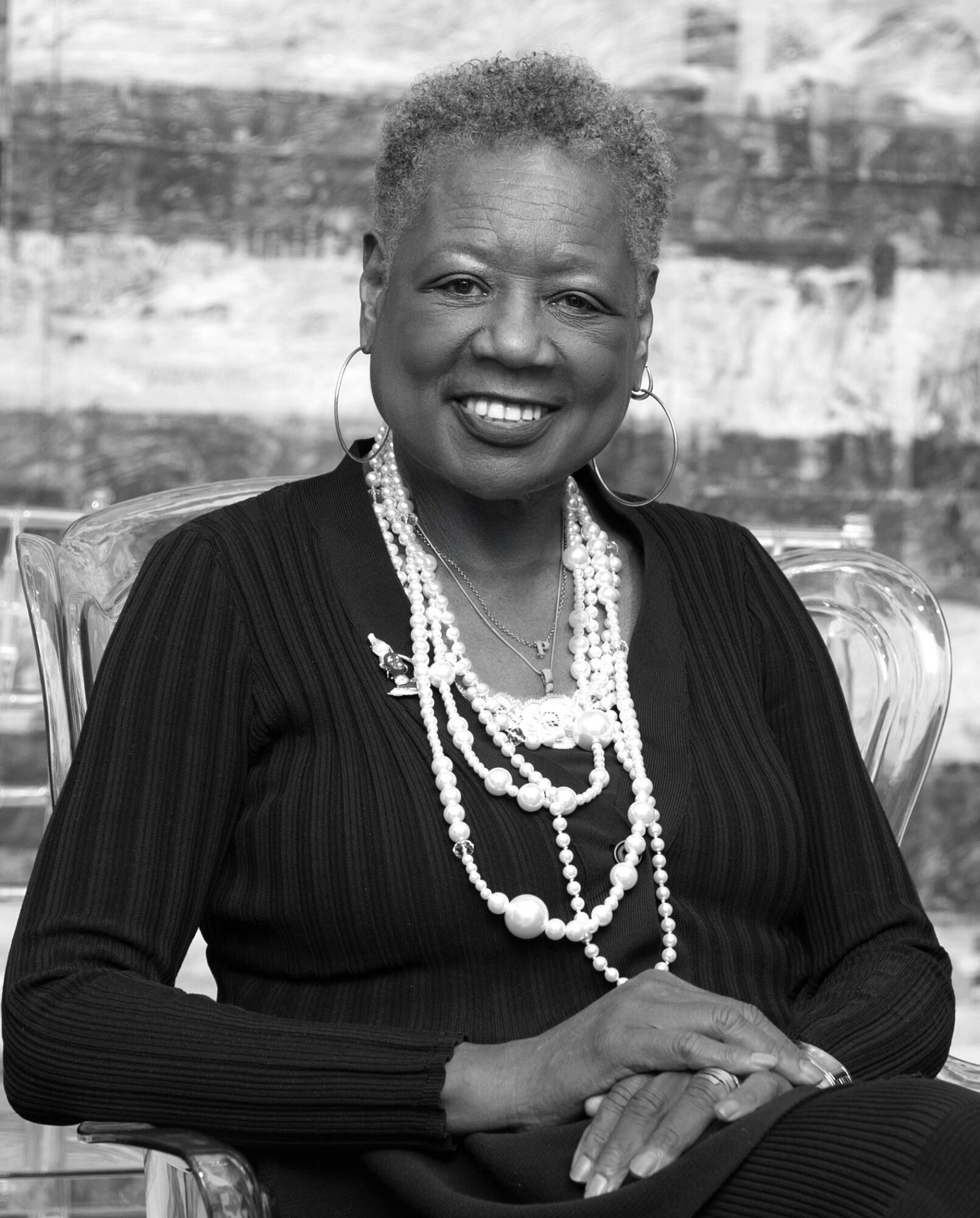
Today we’d like to introduce you to Patricia.
Hi Patricia, so excited to have you on the platform. So before we get into questions about your work-life, maybe you can bring our readers up to speed on your story and how you got to where you are today?
I grew up understanding that stories matter — that the act of telling them, preserving them, and amplifying them is one of the most powerful things a person can do. That instinct led me to Grambling State University, where I earned my BA in Journalism, and into a career in corporate communications, public relations, and community affairs that spanned years and industries.
But there was always a pull toward something more personal. I had spent my professional life telling other people’s stories. I wanted to build something that told the stories I believed the world needed most — the stories of Black artists, Black collectors, Black curators, and the institutions that have sustained Black creative life through every era of American history.
In 2018, I founded Pigment International™ in Chicago. I did not have a roadmap. What I had was a conviction — that Black contemporary art deserved a dedicated, serious, beautifully produced platform that treated it not as a subcategory of the art world, but as its own vital and expansive universe.
Chicago shaped that conviction. This is a city with an extraordinary legacy of Black artistic genius — from the Wall of Respect to the South Side Community Art Center to the generations of artists who have called this place home. I was also deeply inspired by the example of Dr. Margaret Burroughs, the great Chicago cultural titan who built the DuSable Museum from nothing and proved that Black institutions could endure. Her life was proof that you do not wait for permission to build what your community needs.
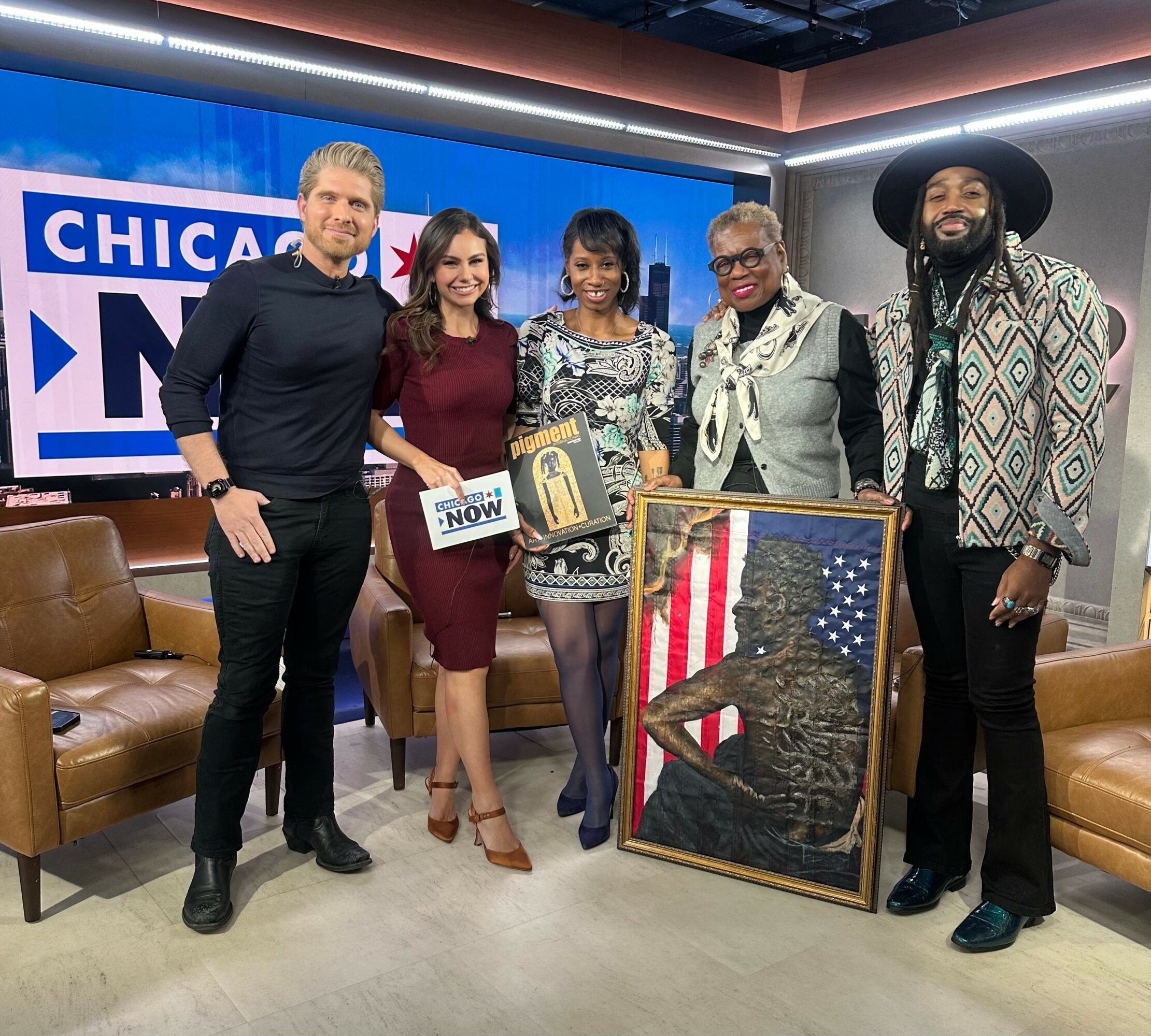
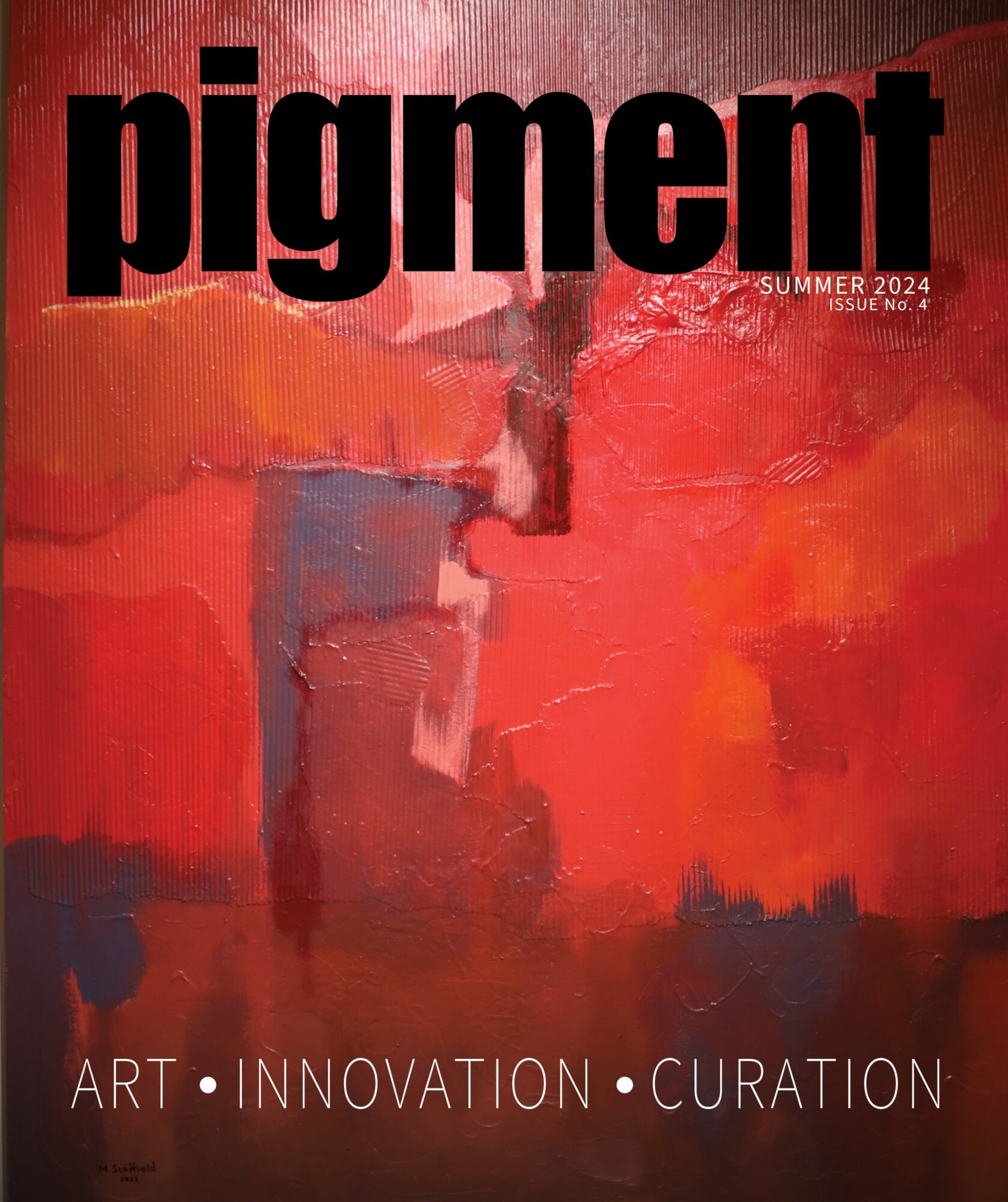
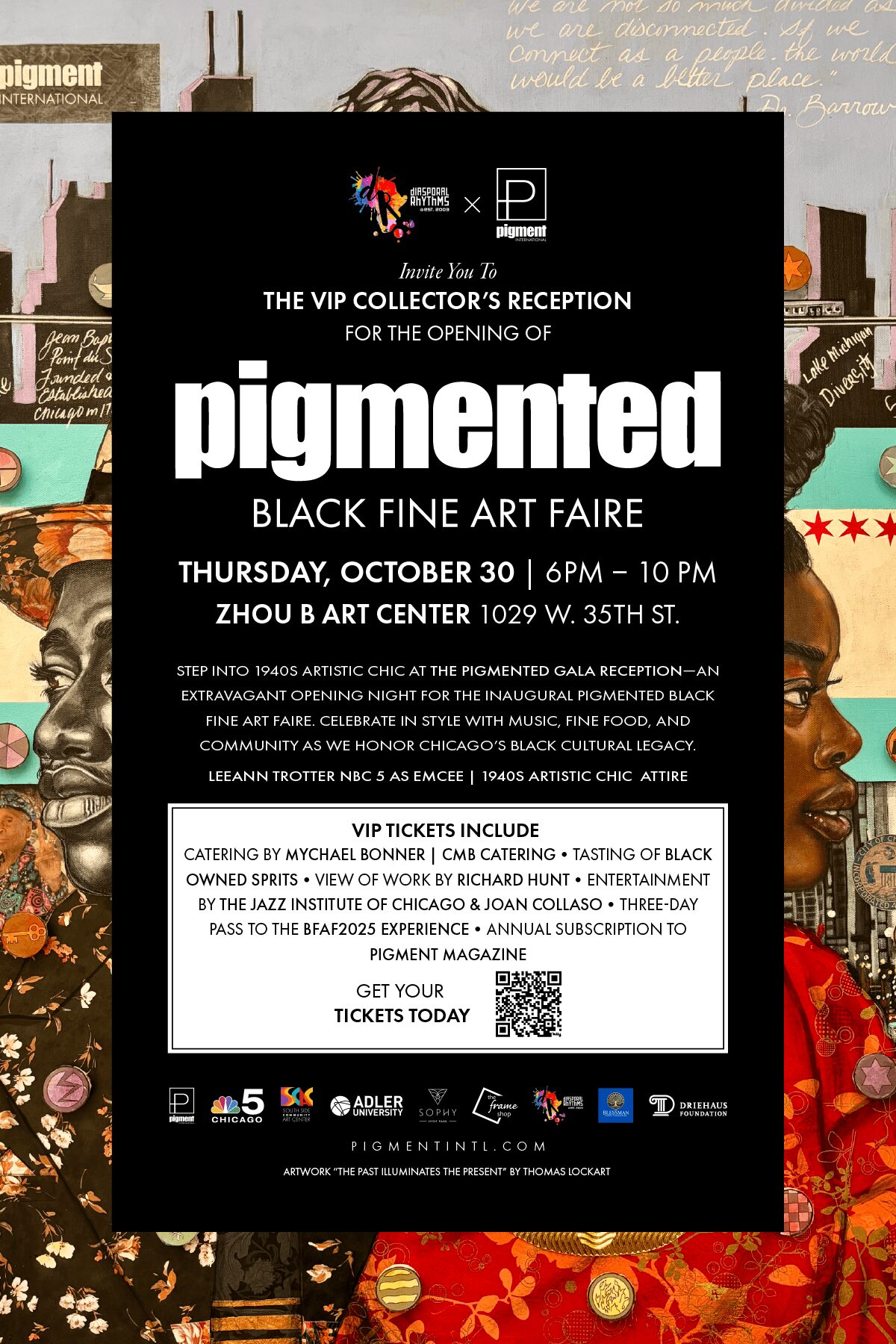
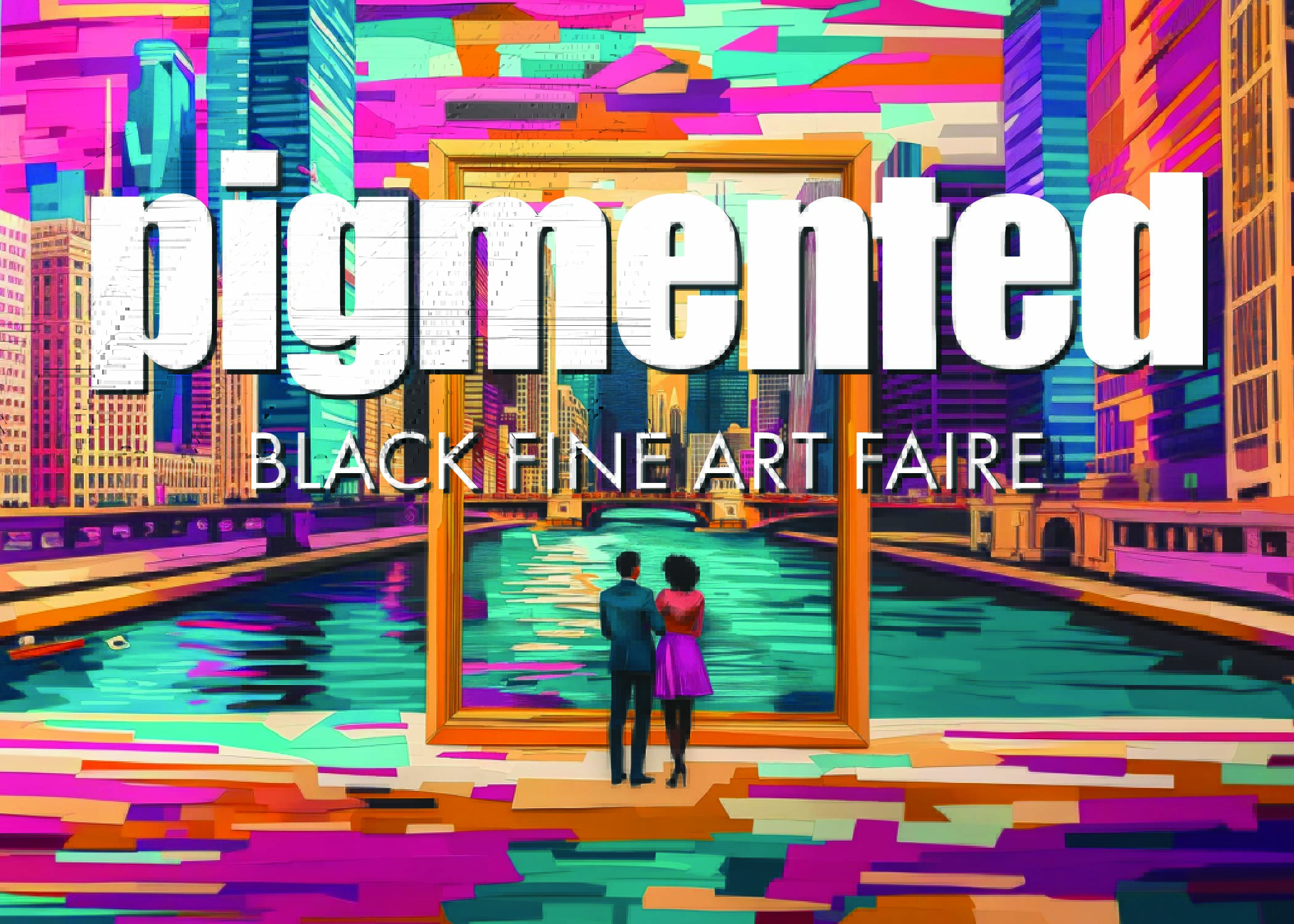
So I built. I launched *Pigment Magazine*, an award-winning publication that has earned multiple Ozzie Awards for design excellence and now serves as an archive of Black artistic life in our time. I created the *Black Gallery Guide+* to connect audiences with Black-owned galleries and institutions. I founded *Black Fine Art Month* in 2019 — a national celebration held each October — which was entered into the *Congressional Record* by Congresswoman Robin Kelly. I produced the *Pigmented Black Fine Art Faire* at the Bridgeport Art Center in 2025, the first fair of its kind in Chicago in twenty years.
None of it was easy. Building a cultural institution from scratch, as a Black woman, with limited resources and in a media landscape that was not designed with you in mind, requires a particular kind of stubbornness. I prefer to call it commitment.
Along the way, Pigment International has earned support from the Joyce Foundation, the Field Foundation, Illinois Humanities, and the Department of Cultural Affairs and Special Events, among others. We have covered art from the South Side of Chicago to the Venice Biennale to Morocco. We have mentored young artists, convened cross-generational conversations, and fought for the visibility and economic viability of Black art at every level of the ecosystem.
I am still building. And I am just getting started.
We all face challenges, but looking back would you describe it as a relatively smooth road?
None of it came without struggle. One of the earliest and most humbling challenges was earning the trust of the Black art ecosystem itself. Artists, gallerists, and collectors have been burned before — by publications that extracted their stories without investment in their futures, by platforms that treated Black art as a trend rather than a tradition. I had to prove, consistently and over time, that Pigment International was different. That we were in this for the long haul. That our commitment to the community was not transactional. Trust, I learned, is not given — it is built, slowly and through action.
Funding has been its own persistent battle. Building a cultural media institution as a Black woman, without the inherited networks or capital that ease the path for others, means navigating a philanthropic and advertising landscape that was not designed with you in mind. Every grant cycle, every sponsorship conversation, every pitch to a foundation required not just making the case for Pigment International, but often making the case for why Black art media deserved to exist at all. I am grateful for the institutional support but even more so for the individual funders who have believed in this work and I can’t thank them enough. I hope we continue to be a great return on their investment.
What kept me going through both challenges was the work itself — the artists whose stories needed to be told, the young creatives waiting for a platform that reflected them, and the knowledge that what we were building would outlast any single obstacle.
Alright, so let’s switch gears a bit and talk business. What should we know about your work?
I am the Founder and CEO of Pigment International™, a Black woman-led multimedia platform dedicated to Black contemporary art and culture. We report on the artists, collectors, curators, institutions, trends, and events shaping the Black art world globally — and we examine the deep threads connecting historical and contemporary Black art. I, along with my CFO Phyliss North, founded Pigment International in Chicago in 2018, and everything we do is anchored in the city’s rich legacy as an incubator of Black artistic genius.
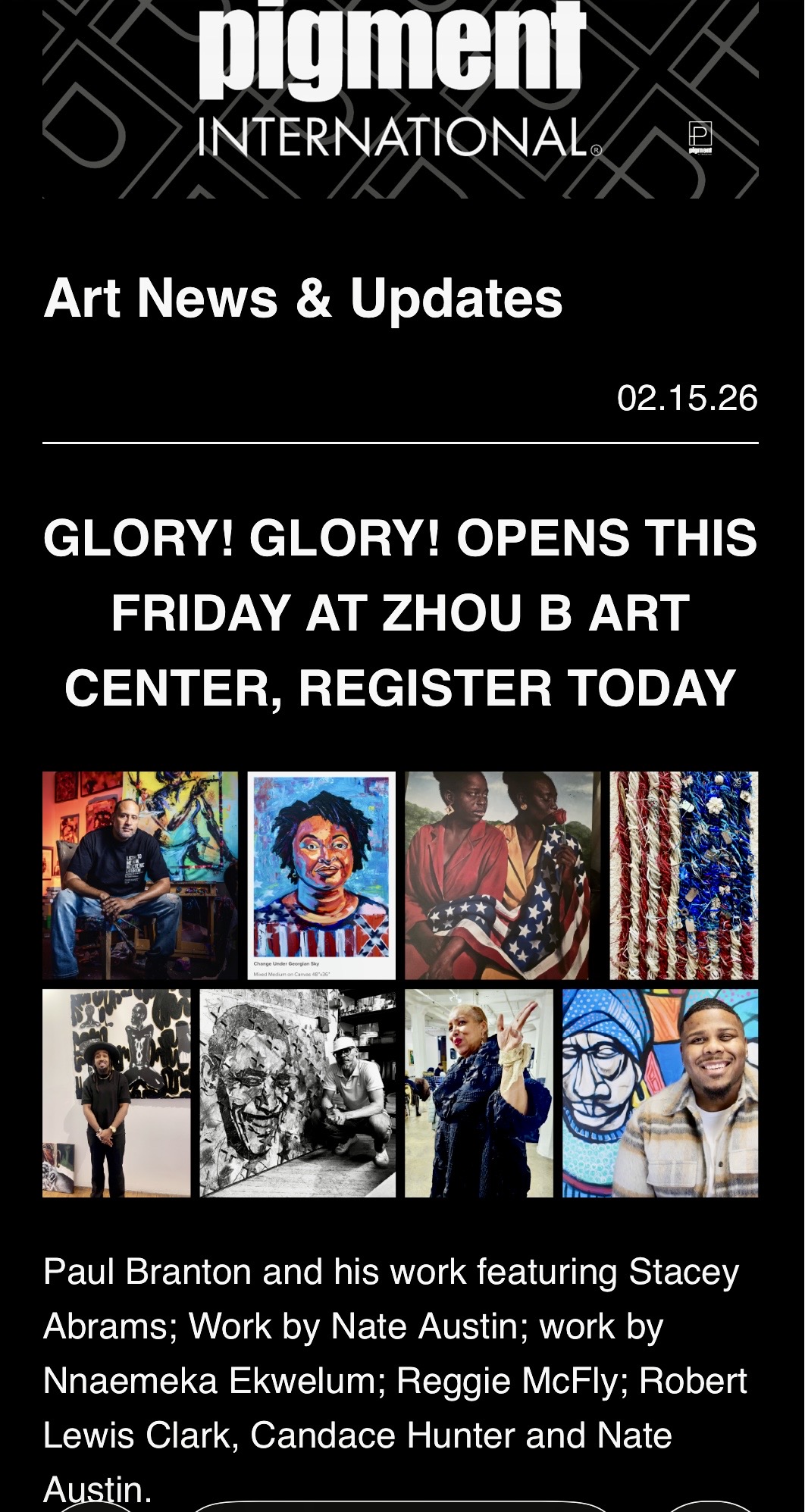
What we do spans multiple channels: Pigment Magazine, our award-winning, coffee table-quality publication that has earned multiple Ozzie Awards for design excellence; the Black Gallery Guide+, a comprehensive resource connecting audiences with Black-owned galleries and institutions; a weekly newsletter published 50 weeks per year, presence on LinkedIn, Substack, Medium, a YouTube channel, and an active digital presence. We also produce events — most notably the Pigmented Black Fine Art Faire, which we brought to Chicago in 2025 as the first fair of its kind in the city in twenty years.
But perhaps what Pigment is best known for is founding Black Fine Art Month (BFAM) in 2019 — a national celebration held each October honoring Black artists and the broader Black creative community. BFAM was entered into the Congressional Record by Congresswoman Robin Kelly, a recognition that affirmed what so many of us in the Black art world already knew: this work is not niche. It is essential.
I came to this work through journalism. I earned my BA in Journalism from Grambling State University and spent years as a corporate communications executive before founding Pigment. That foundation in rigorous storytelling is what shapes everything we publish and everything we produce.
What matters most to you? Why?
What matter most is that Pigment International exists at all — and that it endures.
When I started this work, there was no blueprint. There was no established model for a Black woman-led, fine art-focused multimedia platform built around the entire Black art ecosystem — the artists, yes, but also the collectors, the gallerists, the curators, the institutions. I had to build the infrastructure, the audience, the partnerships, and the credibility simultaneously, often with limited resources and against the skepticism that greets any new institution carving out space in a crowded media landscape.
The Congressional Record recognition for Black Fine Art Month remains one of the most meaningful milestones. But I am equally proud of the young artists we have supported through juried showcases and workshops — the emerging creatives who received their first professional critique, their first institutional exposure, their first understanding that the art world has space for them.
I am proud that Pigment Magazine is an archive. Long after any single issue is read, those pages document a moment in Black artistic life that might otherwise go unrecorded. That is the journalism training in me — the belief that what we capture today becomes history tomorrow.
And I am proud of our participation in the HBCU Digital Art Project, a Smithsonian American Art Museum-supported initiative preserving fine art collections at HBCUs across the country — including my own alma mater, Grambling State University. That felt like a full-circle moment: the institution that shaped me is now a partner in the work I was shaped to do.
Pricing:
- Pigment Magazine – $30.00
- Pigment Merch from $25 – Hats, Bags, Shirts
Contact Info:
- Website: https://pigmentintl.com | https://pigment.substack.com | https://weloveart2022.myshopify.com/
- Instagram: https://www.instagram.com/pigmentintl/
- Facebook: https://www.facebook.com/PigmentIntl/
- LinkedIn: https://www.linkedin.com/company/100880247/admin/dashboard/
- Youtube: https://www.youtube.com/channel/UCHkRcrVfLFfbqg3OLTYB-tQ/featured
- Other: https://pkeenan1.medium.com/pigment-magazine-issue-vi-america-250-we-are-the-people-1df3fe0c5d81
Popular
-

The Change-Makers: stories that inspire
-

Hidden Gems: Local Businesses & Creatives You Should Know
-

Portraits of Ohio
-

Take Flight: Lamar Thomas on Building an Inclusive Brand Rooted in Youth, Community, and Purpose
-

Cultivating Inner Clarity: Angel Inspires on Thought, Healing, and Purpose
-

Local Highlighter Series