



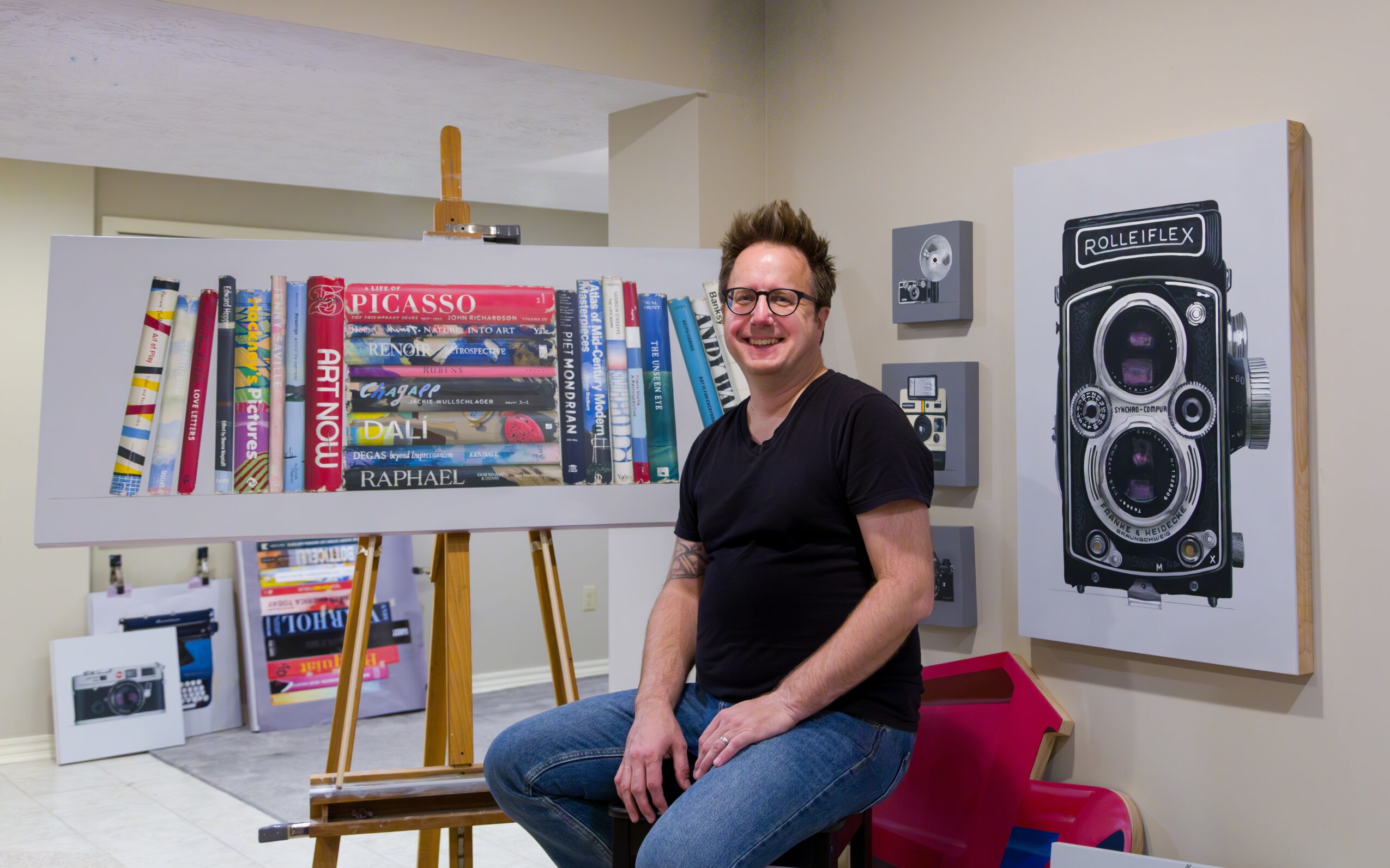
Today we’d like to introduce you to Scott Filipiak.
Hi Scott, it’s an honor to have you on the platform. Thanks for taking the time to share your story with us – to start maybe you can share some of your backstory with our readers?
I’ve always been interested in the intersection of art and design. I studied fine art, but my career took me into graphic design and eventually creative direction, where I’ve spent nearly three decades creating branded environments and experiences for clients around the world. Throughout that time, painting was never something I left behind, it was always there, evolving alongside my professional career.
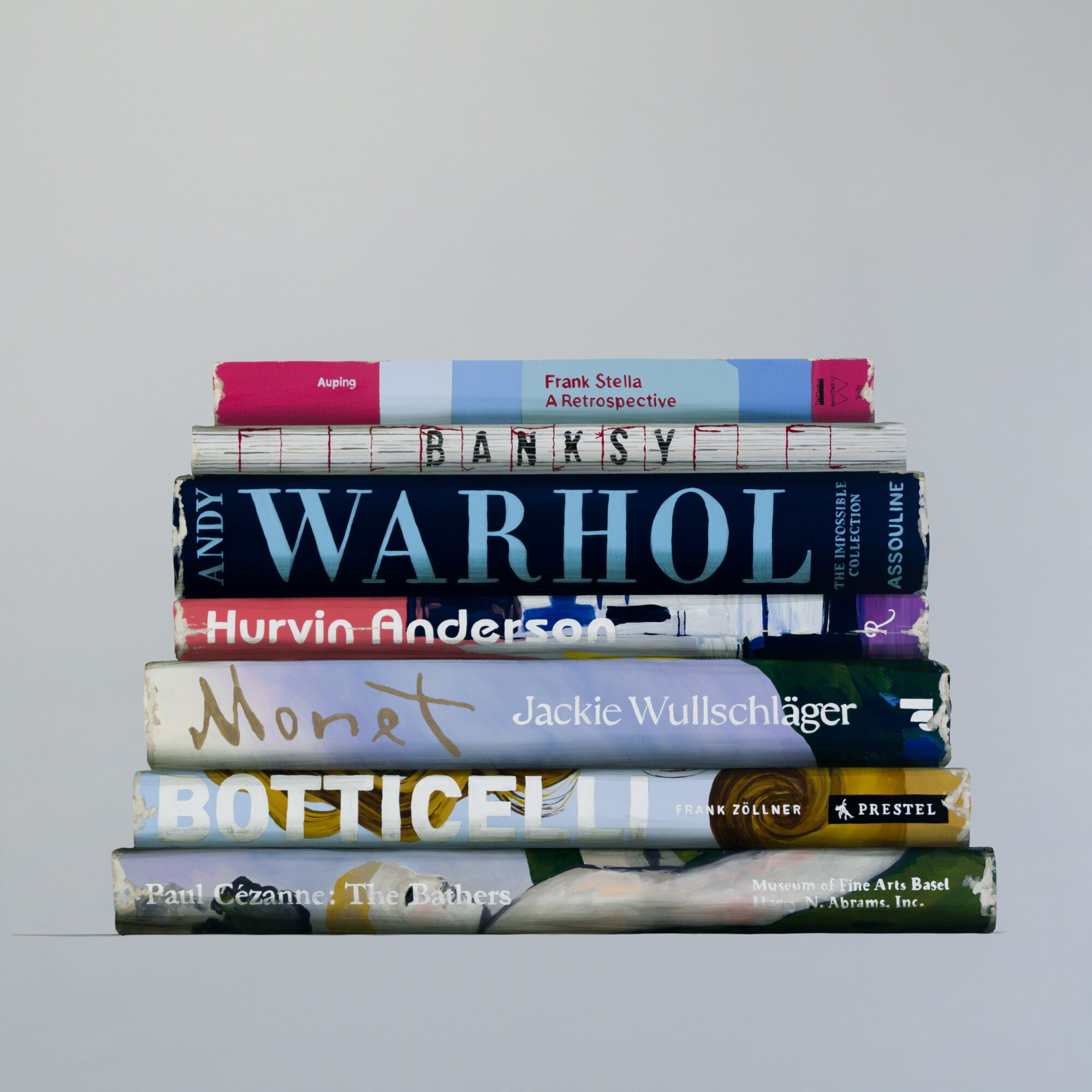
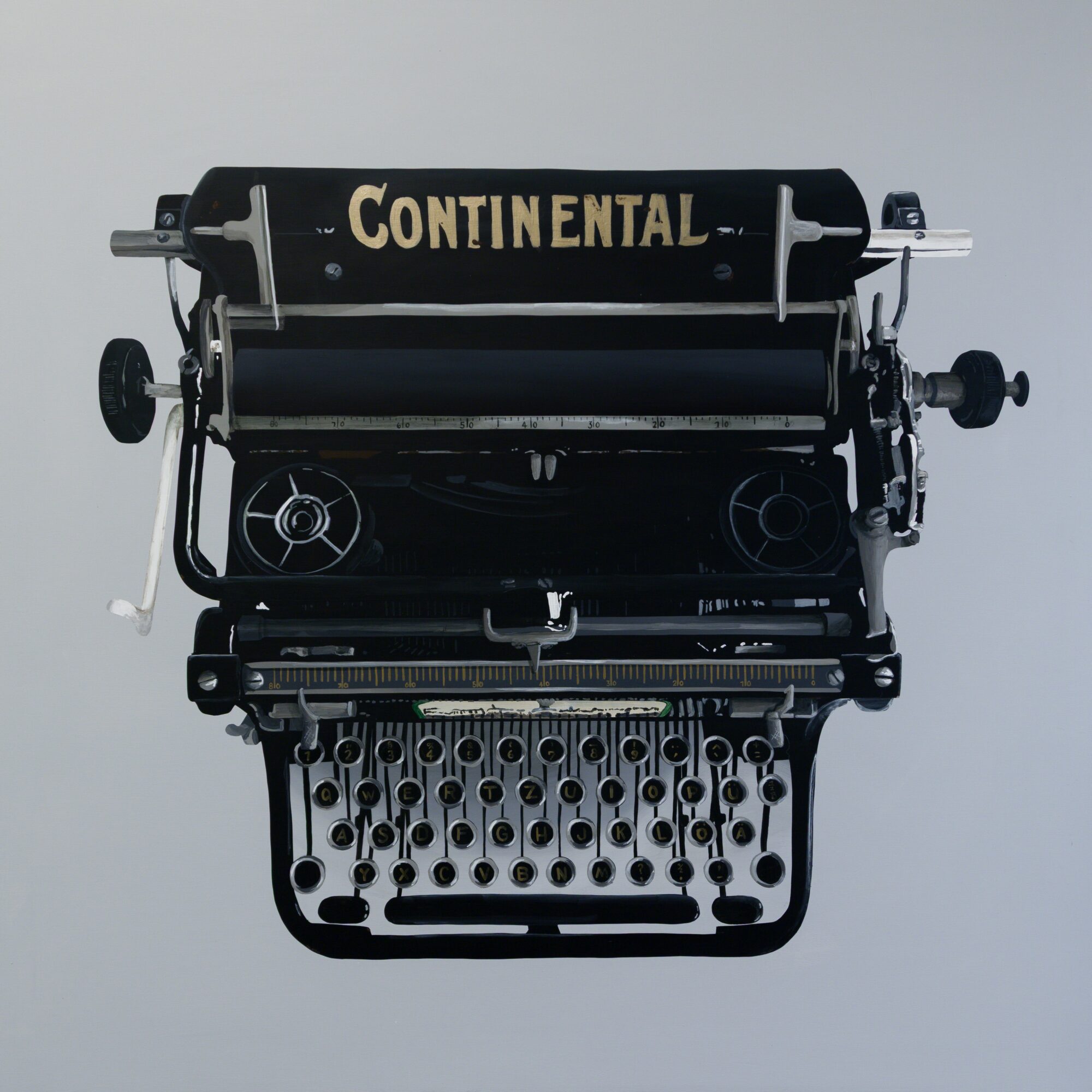
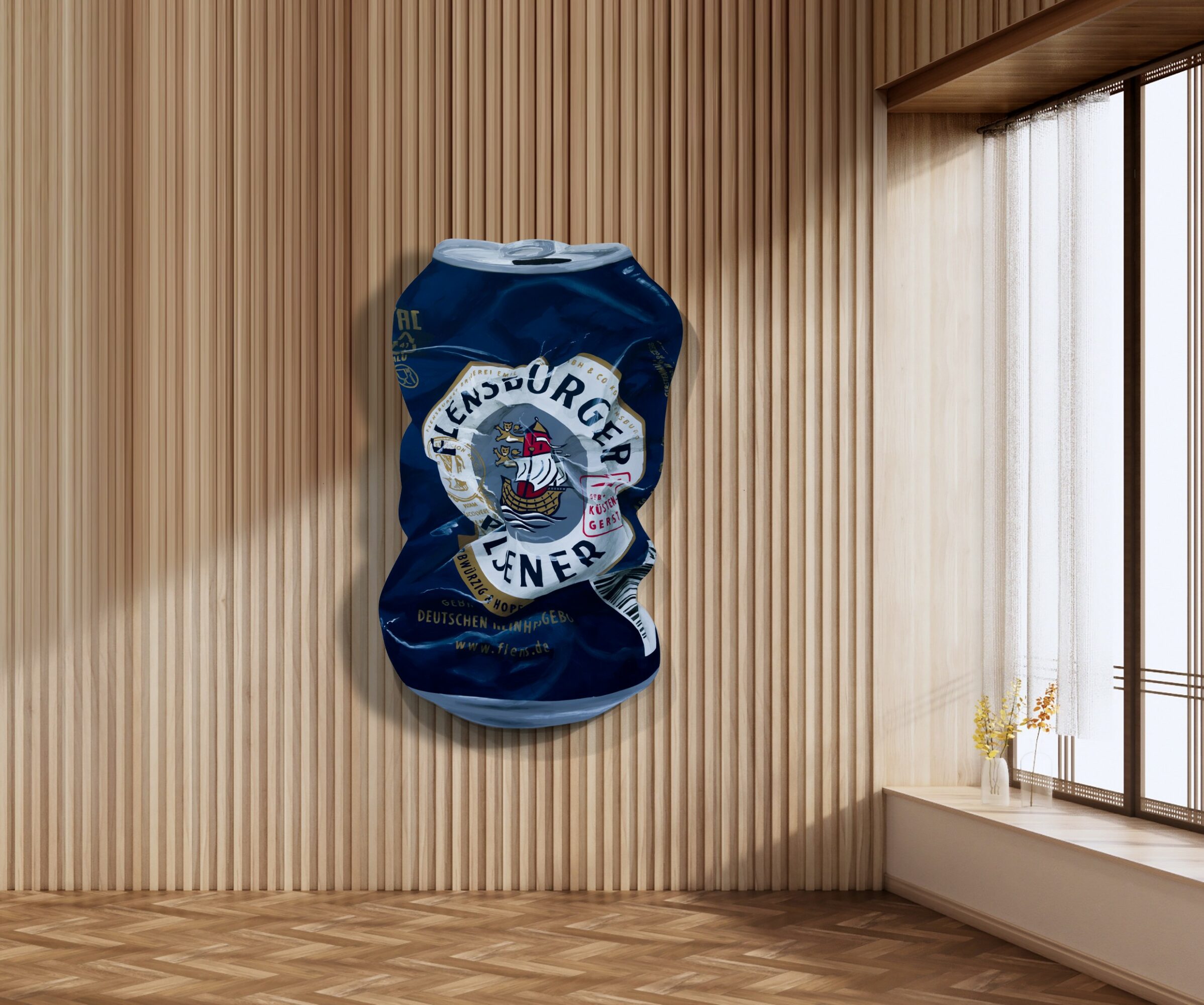
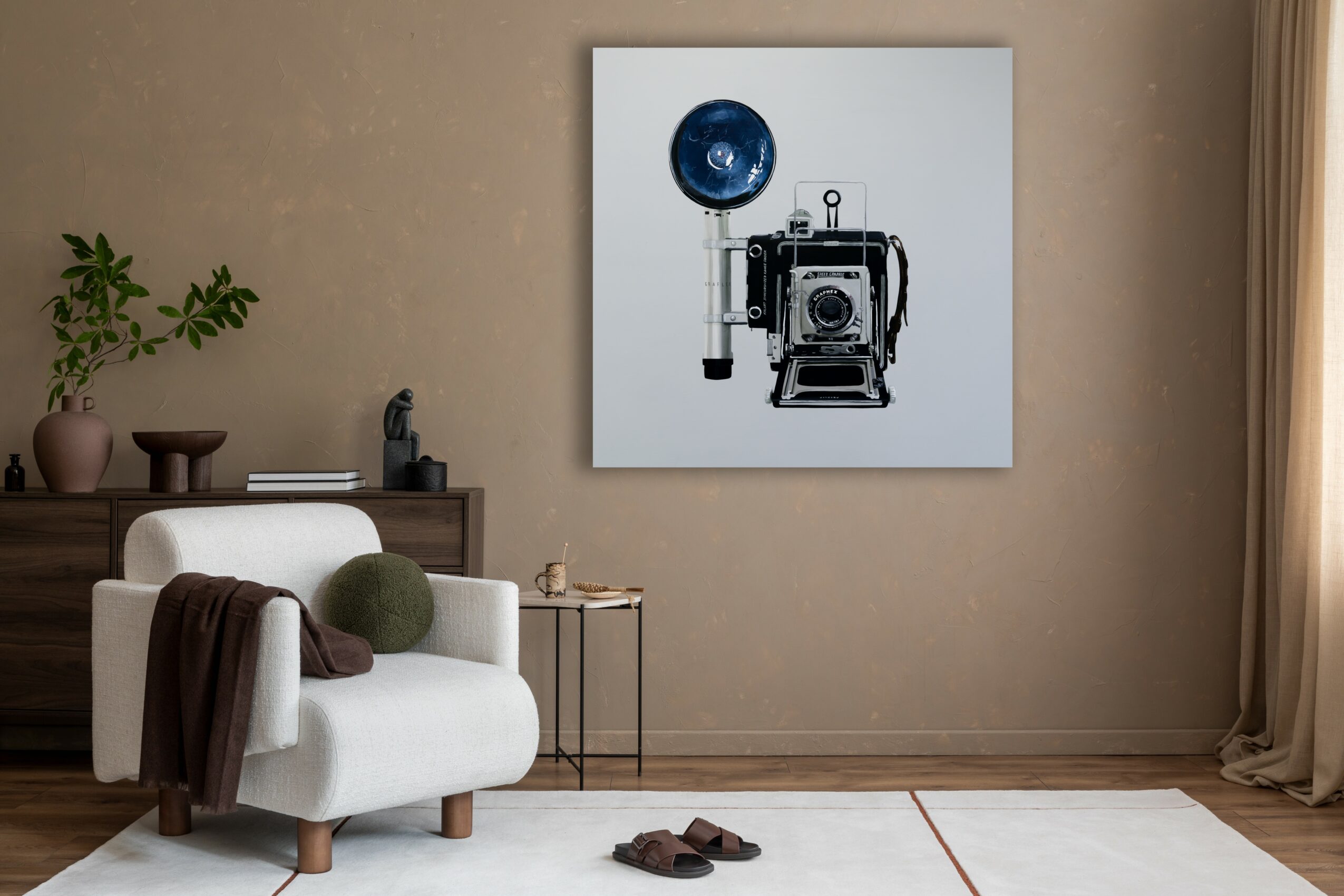
Around 2009, I made a conscious decision to build a serious fine art practice. My early work explored themes of nostalgia and shared memory through everyday objects, and over the years that has grown into several ongoing series, from my early Barcode series to the more recent sculptural shaped canvases – the Crushed Series, and more recently the Retro Nostalgic series of paintings, all of which incorporate hidden NFC technology that adds another layer of discovery for collectors.
Looking back, I don’t really see my career as two separate paths. My experience as a creative director taught me how to communicate ideas, tell stories, and obsess over craftsmanship, while painting gives me the freedom to explore those ideas on a much more personal level. Today, those two worlds inform each other, and that’s really where my work lives.
Alright, so let’s dig a little deeper into the story – has it been an easy path overall and if not, what were the challenges you’ve had to overcome?
Like most artists, I’ve had plenty of moments where I questioned whether I was on the right path. Building an art career takes time, patience, and a willingness to keep creating even when the momentum isn’t there. There were years when my family and full-time career in design demanded most of my energy, so painting happened early in the morning, late at night, or on weekends. It isn’t always glamorous, but it has taught me discipline.
One of the biggest challenges has actually been finding my own voice. Early on, I was focused on proving I could paint. Eventually I realized that technical ability isn’t what people connect with, they connect with ideas and authenticity. That shift allowed me to embrace the themes that genuinely interested me: memory, nostalgia, humor, and the overlooked beauty of everyday objects.
I’ve also learned that success in the art world is rarely a straight line. There are incredible highs – new gallery representation, exhibitions, collectors discovering your work – and there are quieter periods that force you to keep believing in what you’re making. Those quieter seasons have probably taught me more than the exciting ones. They’ve reminded me that the goal isn’t to chase trends or quick success; it’s to keep evolving and making work that feels honest. In the end, I think perseverance has been just as important as talent.
Alright, so let’s switch gears a bit and talk business. What should we know about your work?
I create paintings that explore the emotional connection we have with everyday objects and the memories they hold. Whether it’s a crushed soda can, a well-used pencil, a vintage toy, or a stand of aspen trees, I’m interested in taking something familiar and presenting it in a way that encourages people to slow down and see it differently. My work often begins with nostalgia, but it’s really about shared experiences and the stories we attach to ordinary things.
Over the years I’ve developed several bodies of work including: my Retro Nostalgic, Crushed, Barcode, and Shaped Pencil series – but they all share the same philosophy. I love combining traditional craftsmanship with unexpected ideas. Many of my paintings include hand-built sculptural frames or embedded NFC technology that unlocks hidden digital content, creating an experience that extends beyond the canvas. I’m fascinated by the idea that a painting can reward curiosity long after someone first encounters it.
What I’m most proud of is that I’ve built a body of work that feels distinctly my own. My background as a creative director taught me to think conceptually and communicate visually, while my fine art practice allows me to slow down and obsess over every detail. I think what sets my work apart is that balance between meticulous realism and playful storytelling. I want collectors to appreciate the craftsmanship from across the room, but I also want them to smile when they discover there’s another layer beneath the surface. If someone walks away with both a sense of wonder and a personal connection to the piece, then I’ve accomplished what I set out to do.
What has been the most important lesson you’ve learned along your journey?
The most important lesson I’ve learned is that your best work comes from making the art you’re genuinely curious about. Early in my career, I was focused on proving to myself and others that I had the technical ability to paint realistically. Over time, I realized that technical skill is only the starting point. What people remember is the idea, the emotion, and the story behind the work.
I’ve also learned that creativity isn’t about waiting for inspiration. It’s about showing up consistently. Some paintings come together effortlessly, while others fight you every step of the way, but each one teaches you something. The discipline I developed during my career as a creative director carried over into the studio and reminded me that progress is built one day at a time.
More than anything, I’ve learned to trust my own voice. The moments when I’ve taken risks – experimenting with shaped canvases, incorporating technology into traditional paintings, or following an idea that didn’t fit neatly into a category have led to the work I’m most proud of. Those experiences reinforced something I believe now more than ever: originality comes from being willing to follow your curiosity, even when the destination isn’t completely clear.
Contact Info:
- Website: https://scottfilipiak.com
- Instagram: @scottfilipiakart
Popular
-

The Change-Makers: stories that inspire
-

Hidden Gems: Local Businesses & Creatives You Should Know
-

Portraits of Ohio
-

Take Flight: Lamar Thomas on Building an Inclusive Brand Rooted in Youth, Community, and Purpose
-

Cultivating Inner Clarity: Angel Inspires on Thought, Healing, and Purpose
-

Local Highlighter Series