



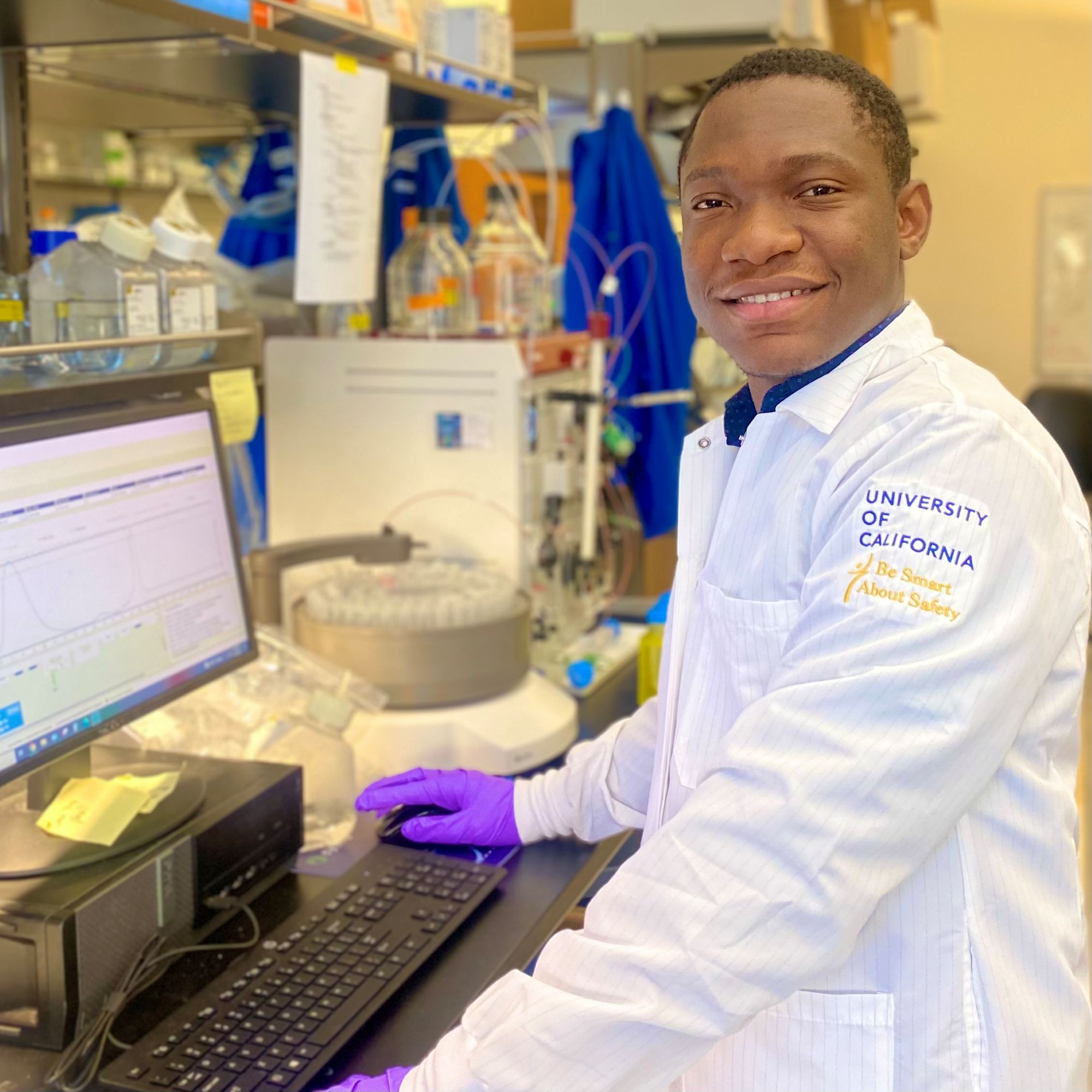
Today we’d like to introduce you to Isaac Kaba.
Hi Isaac, we’d love for you to start by introducing yourself. Please also tell us what inspired your passion for science, particularly drug discovery and chemistry?
Yeah. I’m currently a doctoral candidate at the University of California, Berkeley. I grew up in Kinshasa, the capital of the Democratic Republic of Congo. To begin, I think I first became really attracted to science when I was in high school back in Kinshasa. I had an amazing chemistry teacher, and in fact, my intro to organic chemistry course was in high school. Then, I became more interested in therapeutic discovery as a result of my observation that most people in the community I grew up in frequently use herbal plants to treat common discomfort and diseases. I was really intrigued and became curious to explore the “magic”, I mean the chemistry, behind these traditional plant-based medicines. This experience compelled me to pursue undergraduate studies in Pharmaceutical Sciences at the University of Kinshasa. There, I conducted my first research in medicinal plant chemistry, working on the identification of groups of bioactive compounds from these herbs as potential drugs. That’s where my passion for drug discovery started.
Alright, so let’s dig a little deeper into the story – has it been an easy path overall and if not, what were the challenges you’ve had to overcome?
One of the biggest challenges was COVID-19, which nearly derailed my academic pursuits at the University of Kinshasa. With the onset of the pandemic, I was unable to access my courses in Kinshasa. My studies were deferred for almost two years. I took a hiatus from college due to the limited technical capabilities for hosting online classes in the country. Not one to sit idle, I decided to do some hands-on research in Kinshasa during the lockdown. Drawing on my early experience using herbal remedies to treat various diseases, I conducted research in pharmacognosy to evaluate the biological activities of herbal extracts commonly used in DRC to treat skin diseases, including skin cancer. As a result, I published a first-author paper in the Journal of Biosciences and Medicines.
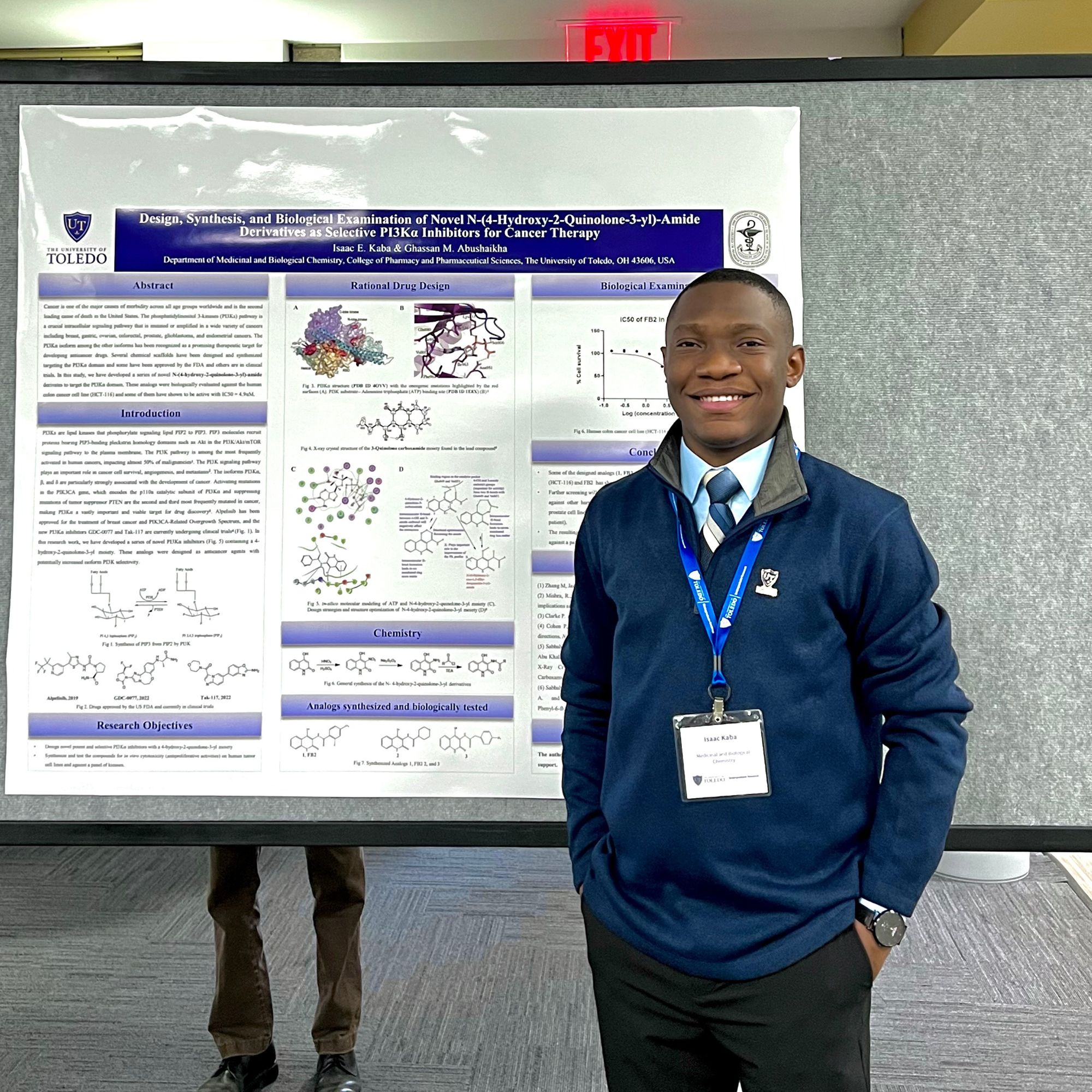
In the meantime, I was also seeking opportunities to transfer from Kinshasa to the U.S to complete my degree program in pharmaceutical sciences and pursue ambitions of becoming a researcher. The process was quite tough. I reached out to multiple schools in the U.S. I was even told that undergraduates from our part of the world have a less than 10 percent chance of being transferred to study in the U.S. Getting my transcripts translated from French into English and navigating an entirely new system was very uncertain. But still, I was very persistent. I ended up being admitted as an international transfer student to the U.S. after the evaluation of my academic credentials. I was really determined to continue my studies. That paid off. I was awarded a competitive International Rocket Scholarship and other funding, which allowed me to complete my studies at the University of Toledo in Ohio, before I moved to Berkeley, where I am now pursuing a doctorate in chemistry. And certainly, my passion for drug discovery was fuelled during my time at the Center for Drug Design and Development at the University of Toledo. I had exceptional research training in drug design, synthetic medicinal chemistry, and chemical biology during my time at UT. An important lesson I’ve learned from my case is that hurdles were opportunities to grow as a scientist, build resilience, and become capable of engaging in an international scientific ecosystem.
As you know, we’re big fans of you and your work. For our readers who might not be as familiar what can you tell them about what you do?
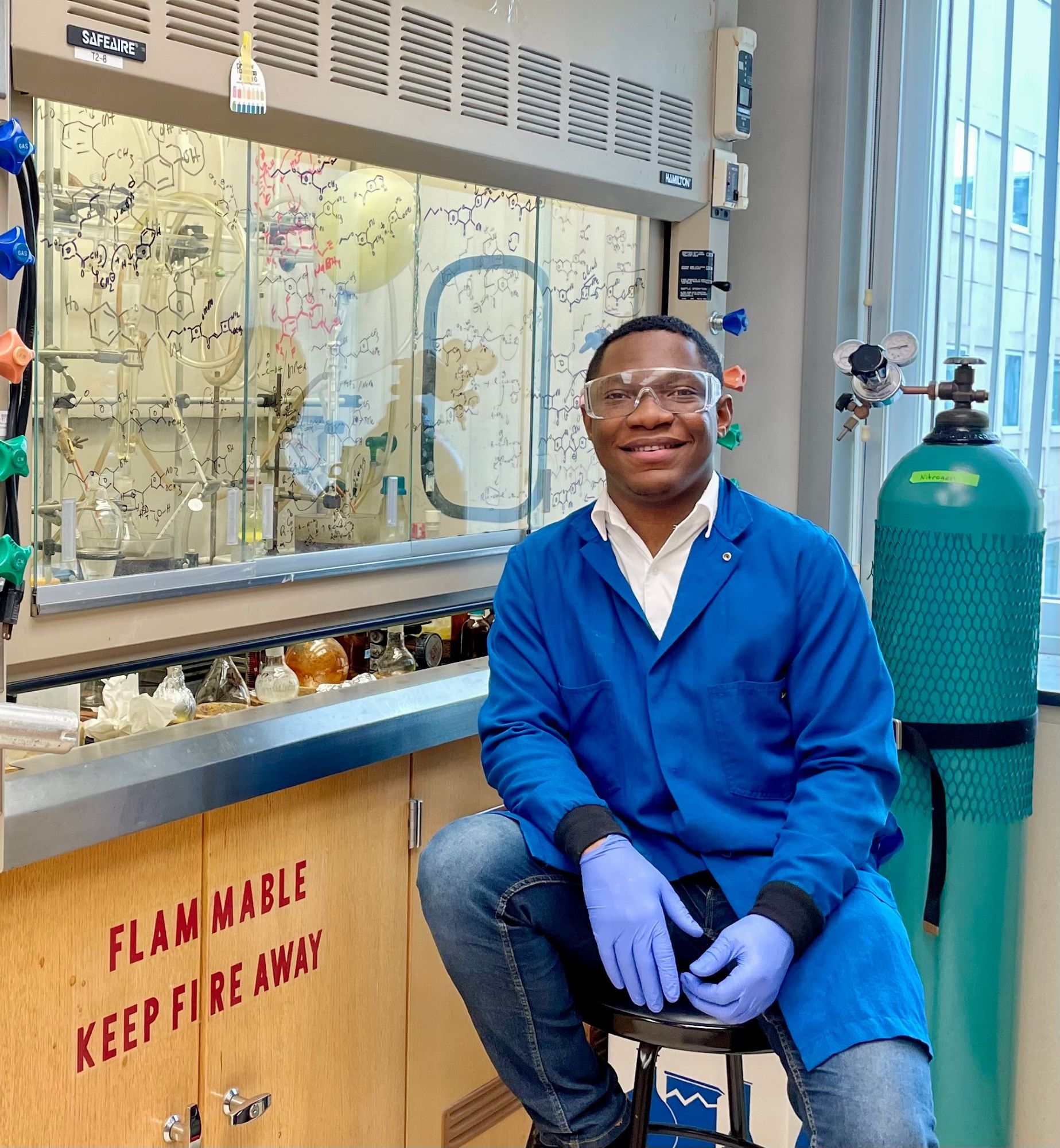
Yeah! My research focuses on developing next-generation drugs to modulate the immune system for diseases like cancer and autoimmune disorders. To understand how important my work is, you only need to realize that every disease has an immunological basis. The immune system touches every aspect of health, making its study vital to medicine and to the lives of patients. With shifts in population aging and lifestyle, diseases like cancer, chronic inflammation, and autoimmune disorders, all characterized by significant immune dysregulation, are becoming more common globally.
Unfortunately, the current standard treatments for autoimmunity often shut down our body’s natural defense, leading to a loss of protection against infections. Conversely, cancer treatments that stimulate the immune system can cause dangerous overactivation. Establishing a proper balance when engaging our natural defense system remains a significant challenge. So, there is a critical need for a deeper understanding of immune cell communication and how to leverage this network to design safer therapeutics. That’s where our contribution comes in!
The goal of my research is to discover a new class of molecules that can fine-tune immune cell communication through a network of specialized proteins called “cytokines.” You can think of cytokines as the “language“ of our immune system. So, rather than completely turning immune responses on or off, we hope to use molecules to control this essential network of immune cell communication to treat diseases. This work could definitely advance our understanding of the “language“ of immune cells and also facilitate the development of next-generation drugs that benefit patients.
Before we go, we would like to highlight that Kaba’s contributions to drug discovery research have earned recognition through several honors, including the Phi Kappa Phi Pioneer Award (2023), the Sung-Hou and Rosalind Kim Graduate Fund in Chemical Biology (2024), and a GEM Fellowship with Genentech (2025).
It was a pleasure to interview Isaac Kaba and learn about his journey in science and work in drug discovery; your dedication to research is truly inspiring.
Contact Info:
Popular
-

The Change-Makers: stories that inspire
-

Take Flight: Lamar Thomas on Building an Inclusive Brand Rooted in Youth, Community, and Purpose
-

Cultivating Inner Clarity: Angel Inspires on Thought, Healing, and Purpose
-

Local Highlighter Series
-

Highlighting Local Gems
-

Hidden Gems: Local Businesses & Creatives You Should Know