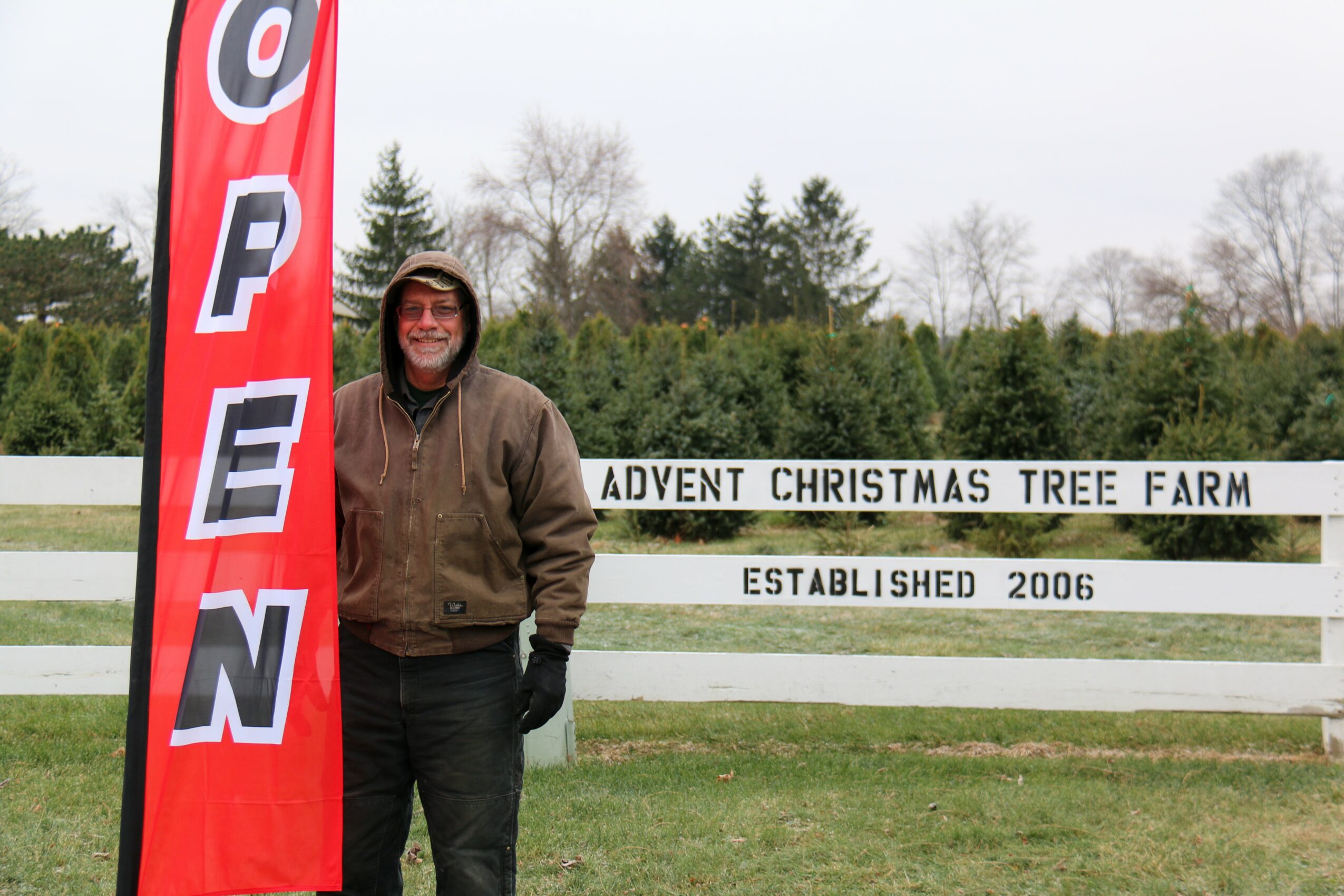
Today we’d like to introduce you to Kyle Anderson.
Hi Kyle, please kick things off for us with an introduction to yourself and your story.
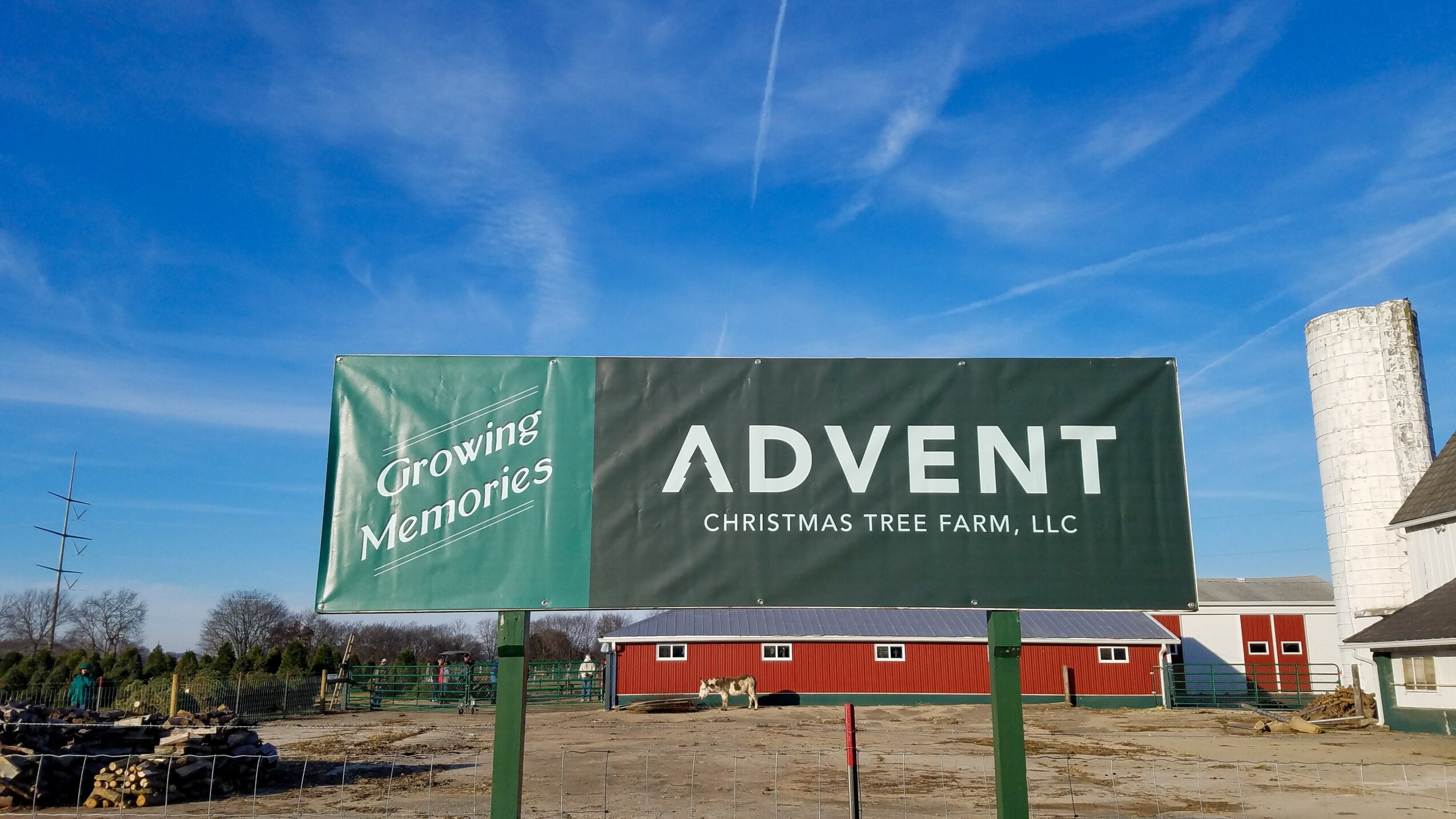
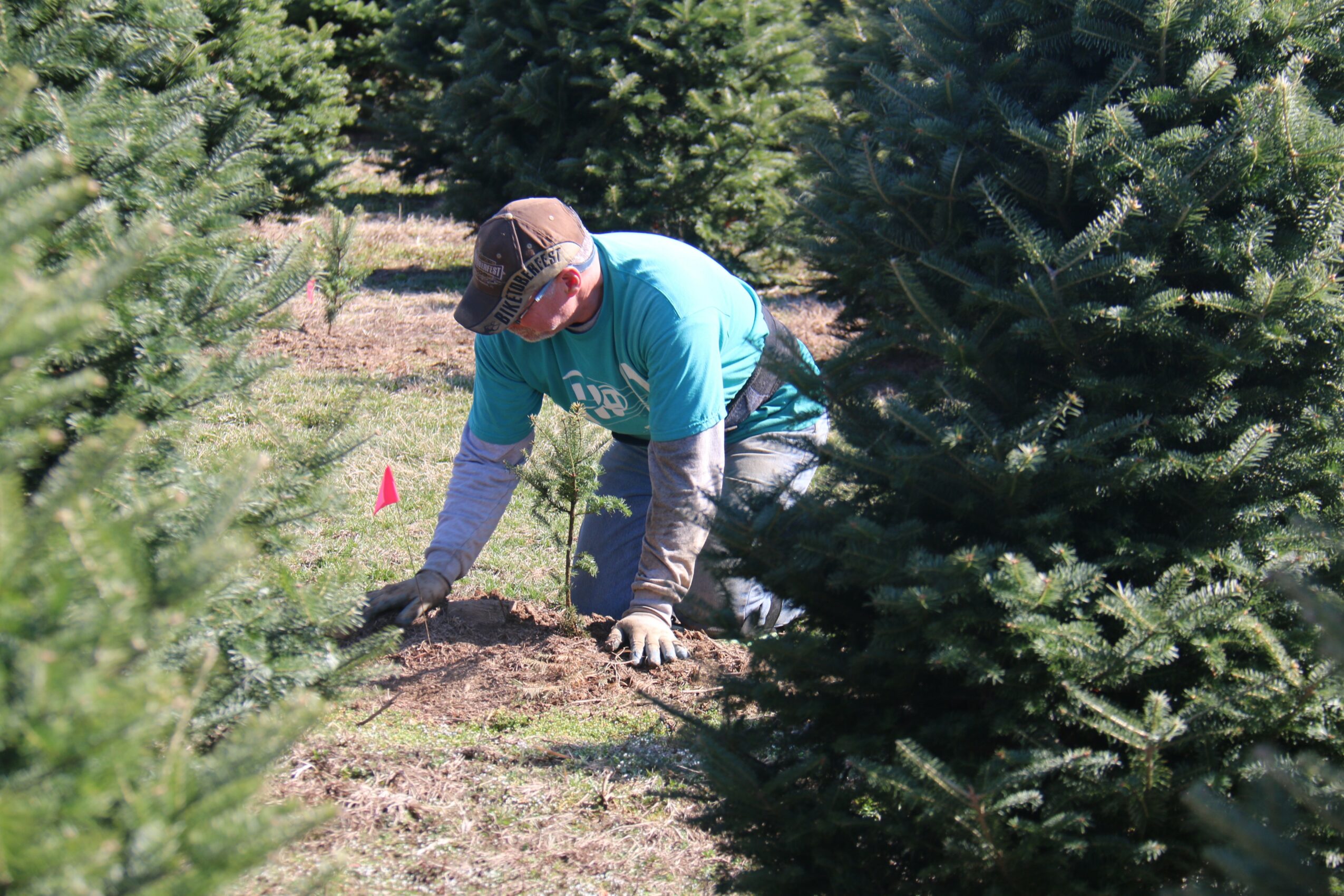
My parents, Scott and Trudy Anderson established Advent Christmas Tree Farm about 19 years ago in 2006. They were not farmers originally, Scott served in the Air Force for about 28 years and bought the farm upon retirement. Scott learned everything about growing Christmas trees from scratch while working full-time post-retirement as a contractor.
Around 2022, after finishing grad school, I moved back to Ohio and we had a conversation about succession with the farm. Kevin, a long time family friend was also included in this conversation as he lives right next door and helped out on the farm quite a bit. This conversation lead to the three of us (Scott, Kevin and myself) going into business together to find ways to continue the farm into the next generation.
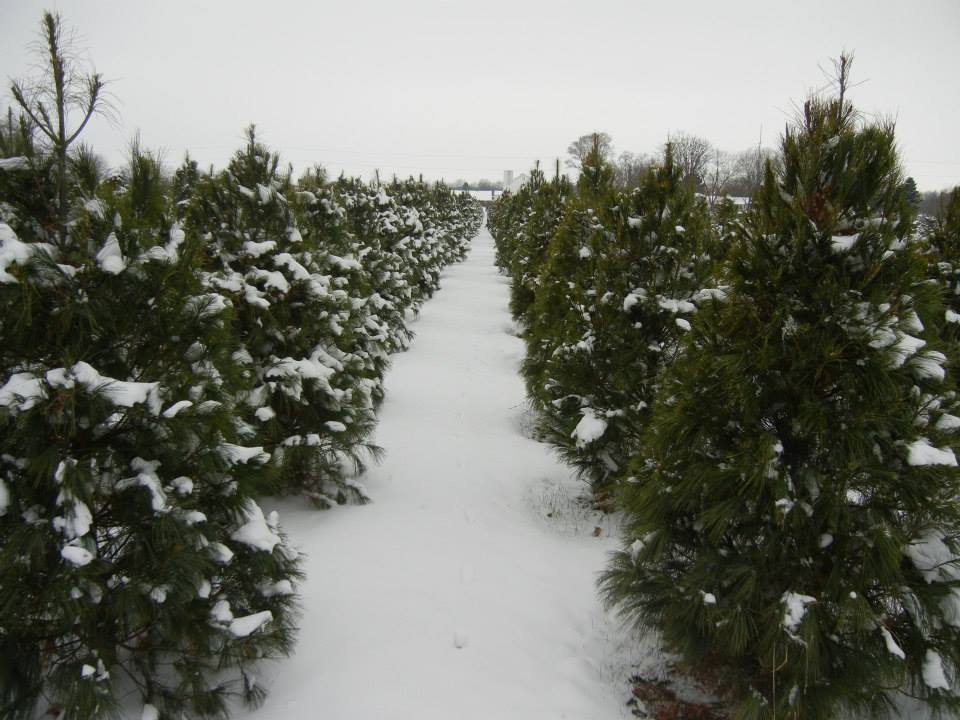
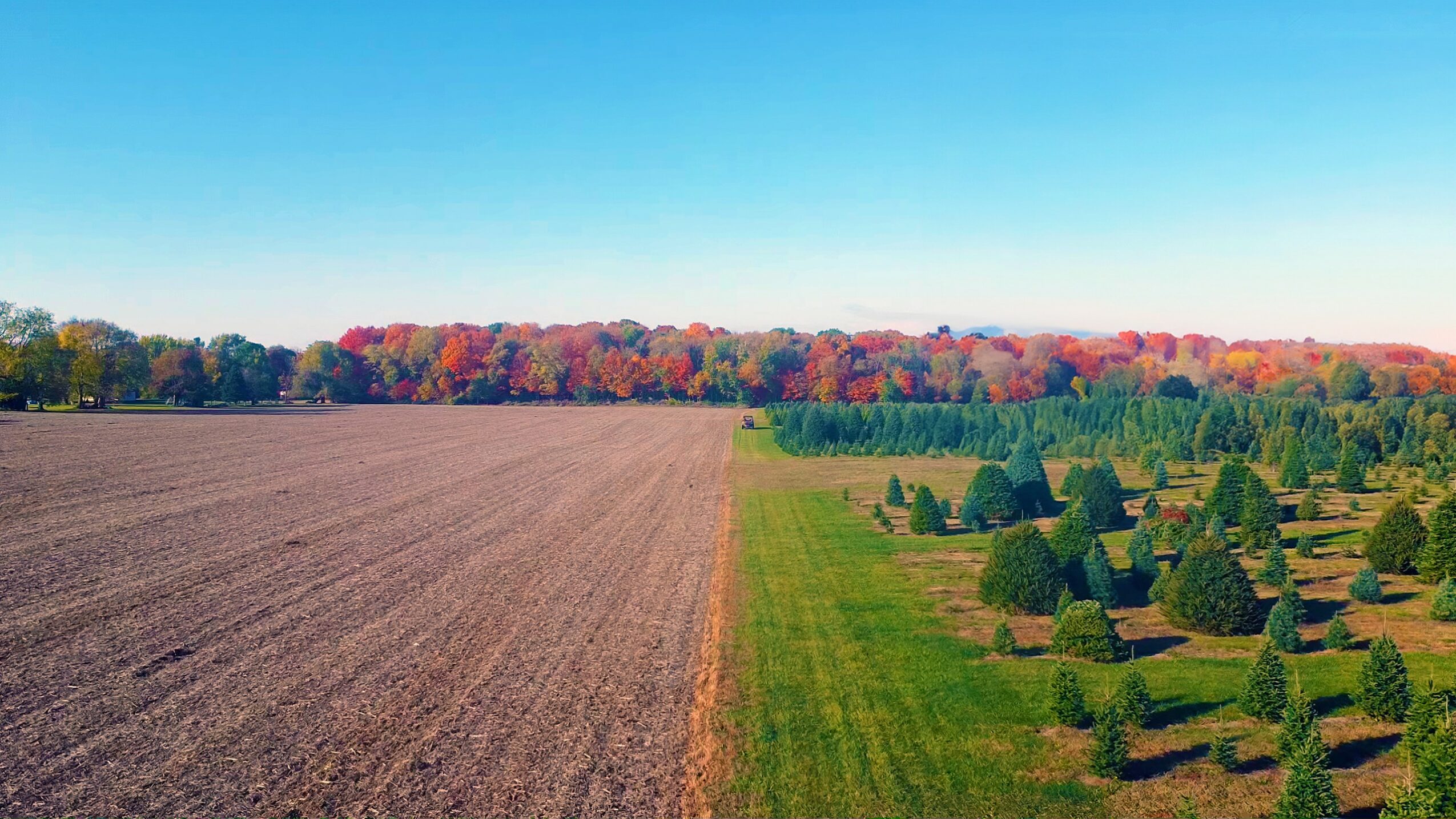
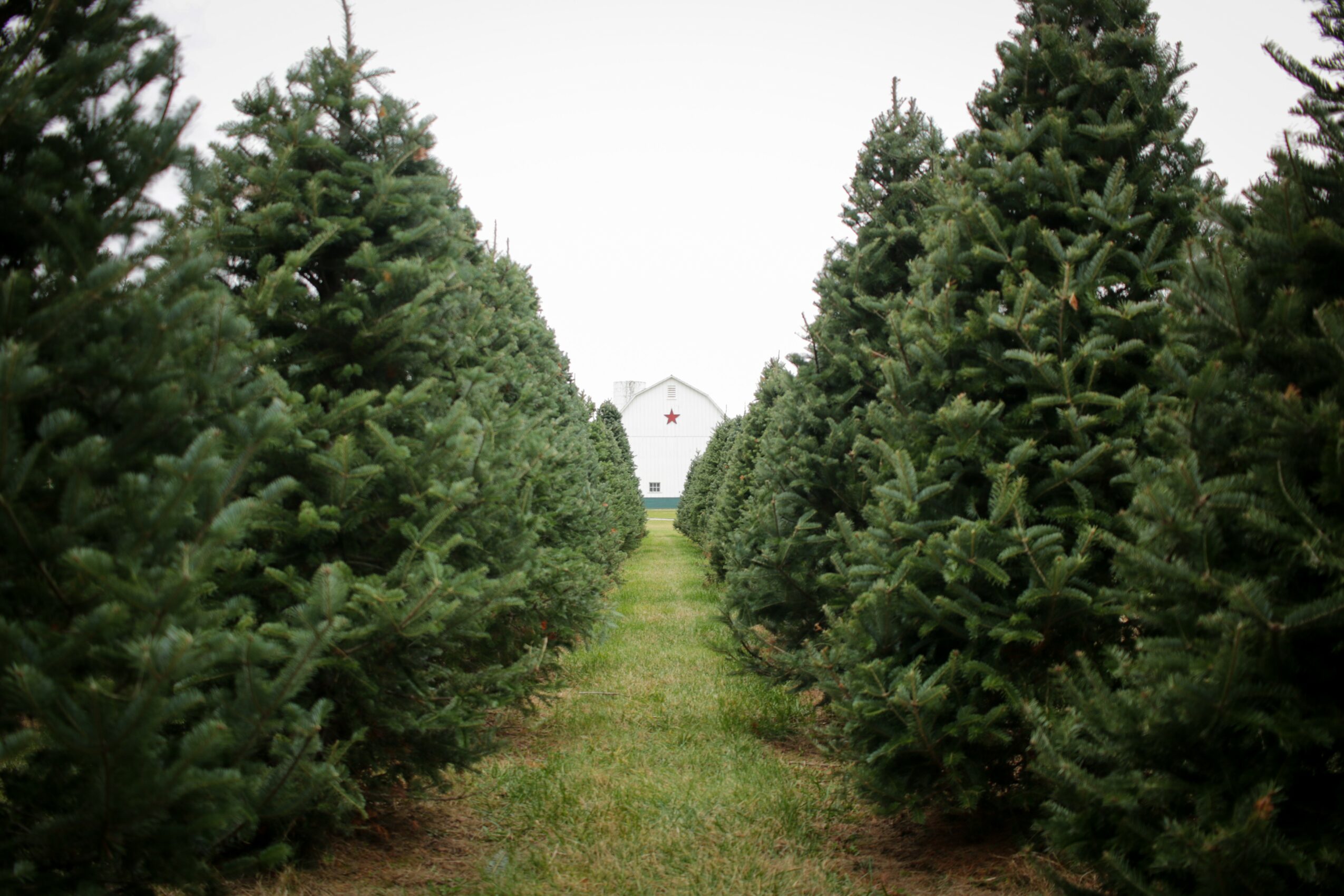
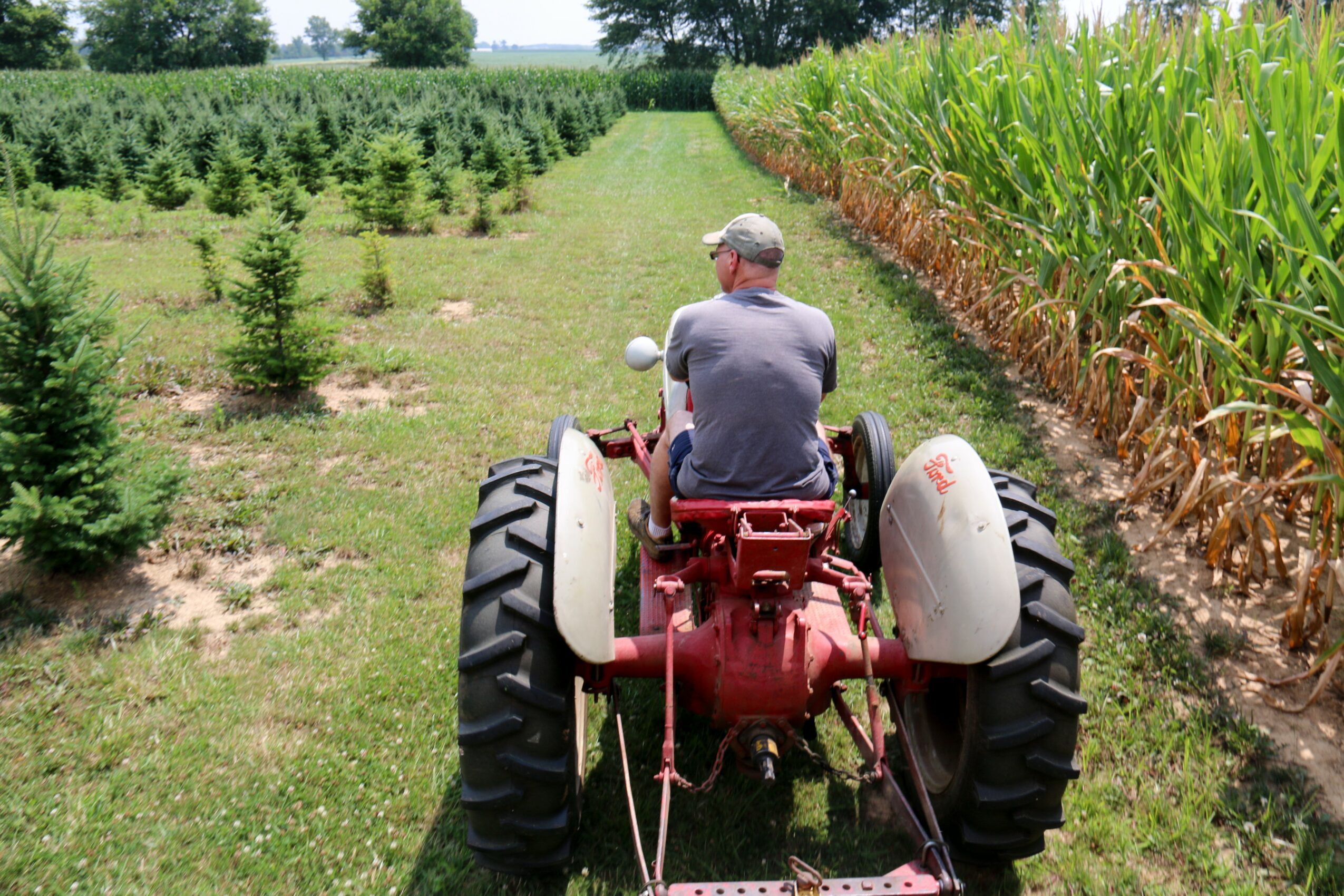
Up until this point, the farm was a relatively small 50 acre conventional Christmas tree farm (~30 acres for Christmas trees + ~20 acres of corn/soybeans) with over 15,000 trees. Conventional, meaning a mono-crop of Christmas trees grown using industry standard farming practices involving herbicides, pesticides and artificial fertilizers. Over the years the trees have become incredibly popular with large demand that exceeds our supply. But it’s worth noting that the popularity is not isolated to our farm, but rather the entire real Christmas tree industry as a whole as many Christmas tree farms have trouble keeping up with current demand which really exploded post 2020. 2021 was around the time when the farm started to become technically profitable—meaning the income generated during our 4 days of seasonal operation started to exceed the annual investment costs needed to run the farm.
In 2022, when Kevin and I entered into the picture and began our journey learning the ropes of how the operation works, we started coming up with new ideas on how to take the farm to the next level. I read a book called “Restoration Agriculture: Real-World Permaculture for Farmers” by Mark Shepard which introduced me to the idea of regenerative agriculture. Once I managed to get both Kevin and my dad to read the book, we were all instantly on board with the idea of transitioning the farm with regenerative farming practices.
In brief (happy to expand on this if needed), this means eliminating all herbicides, pesticides and artificial fertilizers and focusing on soil health for the entire farm. Then taking our 20 acres that was previously used for corn/soybeans, taking that out of operation and going through a restoration process that involves planting a diverse seasonal cover crop mixture twice a year, for the next 3-5 years until the soil is restored.
Additionally, we’ve written a completely new business plan for the farm in an effort to not only make this farm profitable but to allow us to one day earn a full time income from it. Along with 96% of farmers in America, we too rely entirely on outside income through our 9-5 jobs in order to fund and operate the farm (https://www.ers.usda.gov/amber-waves/2021/september/off-farm-income-a-major-component-of-total-income-for-most-farm-households-in-2019). I personally work full time doing marketing and design for CPA firms in addition to supporting the farm and producing our YouTube channel, Uncompromised, intended to document our restoration process and educate people on regenerative agriculture.
In brief, our business plan includes converting our 20 acre plot of land into a chestnut plantation and incorporating chickens, beef and other crops into the regenerative process. We’ve already planted about 300 Chinese/European chestnut seedlings. Eventually we will have about 530 chestnut seedlings in the ground within the next few years. We also have a small number of American Chestnuts in the ground. As far as I know, we might be the only regenerative farm in Ohio growing American Chestnuts. We see chestnuts pairing well with our Christmas tree operation, providing roasted chestnuts during the season. And a direct to consumer, U-pick operation once they start producing.
We’ve build a few Salatin style chicken tractors for broilers and a custom built egg-mobile for laying hens that we incorporate into the Christmas tree fields during the Spring/Summer/Fall months. So eggs, poultry and beef are also part of the long-term business plan. For the first time, we introduced premium quality, regenerative organic chicken eggs to our portfolio this year.
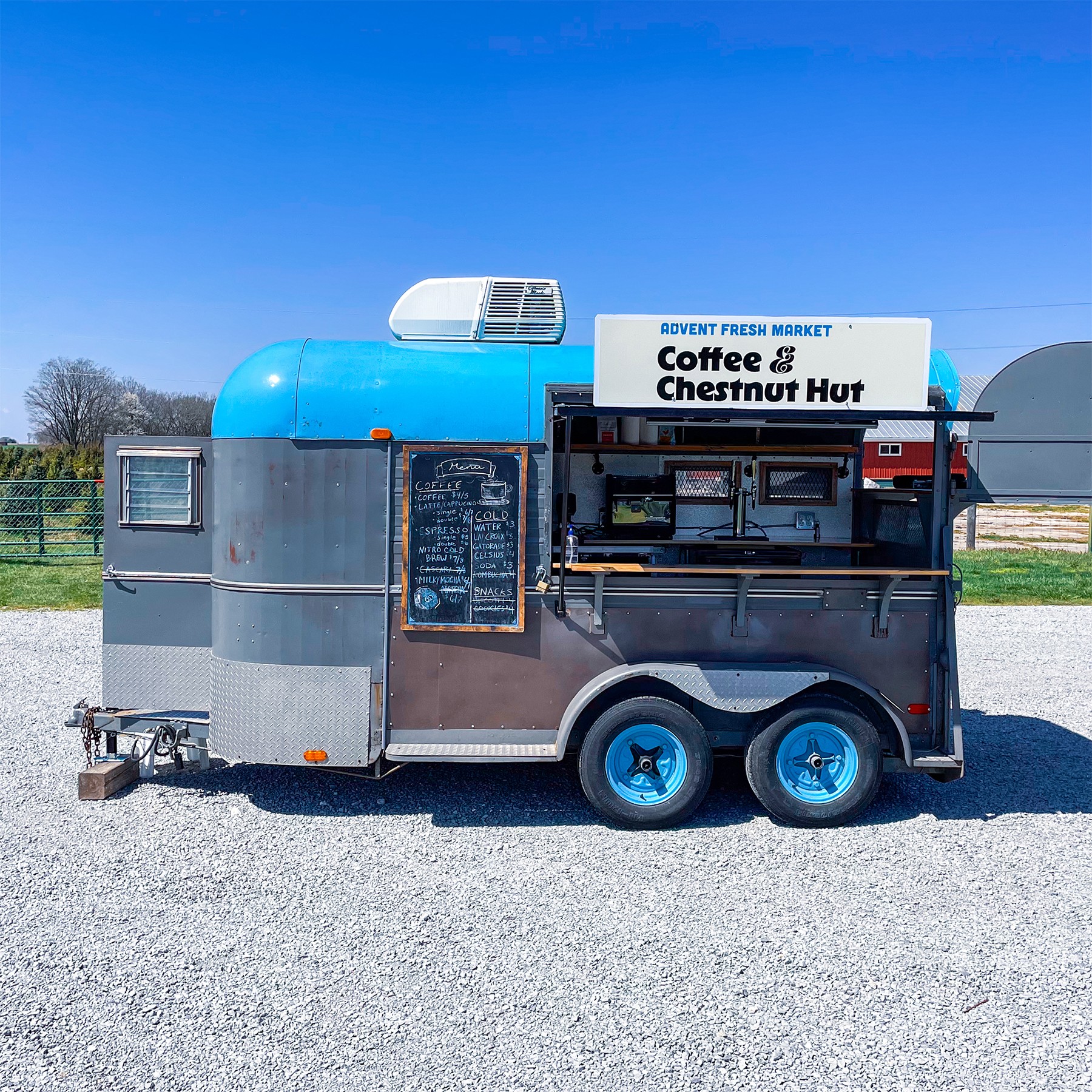
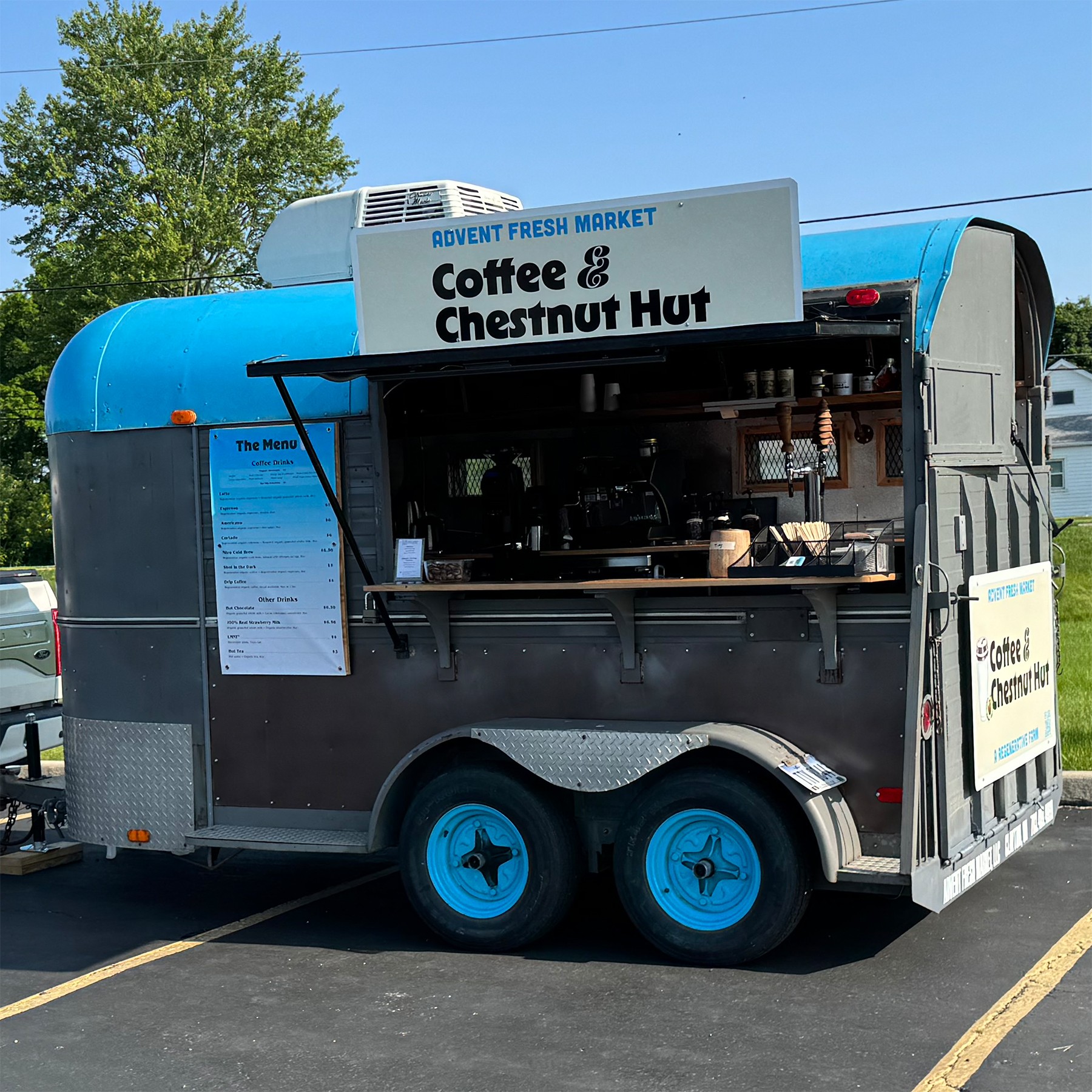
Additionally, this Spring we invested in a 1975 horse trailer that was pre-converted into a mobile coffee trailer. We’ve turned this into a branded, Coffee & Chestnut Hut that sells farm-fresh regenerative organic coffee and drinks to the local community. It might seem like an odd choice for us to pivot into coffee. And while it is intended for us to bring in extra income for the farm, the main purpose is actually to use it as a marketing vehicle to promote our upcoming chestnuts and educate people on what regenerative agriculture means. Since we intend on selling direct to consumer, we face the challenge of offering food products labeled as ‘regenerative’ when most people don’t know what that word means. In other words, it’s a way for us to build a customer base while we are stuck in our restoration phase.
We are always trying to find new ways to turn a profit despite the cards being stacked against us. We’ve also attempted to expand the acreage of the farm but most parcels of farmland in our town are being bought up by private equity and housing developers causing us to be completely priced out of the market and has stirred up quite a bit of drama in our area as residents strongly oppose these developers moving into the area. This lead to something called the “Keep it Rural” movement in our neighborhood.
Overall, I think our story sheds light on the struggles with farm succession in America, as well as the trials and tribulations of family farmers being able to turn a profit let alone earn an income from farming. Despite food production and agriculture being the backbone of America and the economy as a whole. We think regenerative agriculture could be a great solution for many small to medium size independent farmers out there especially since it allows us to do so much more than we could before with our existing land. But there is no rule book on how to implement this in practice, so in many ways we are experimenting with new techniques and trying to get the message out there as much as possible.
I’m sure it wasn’t obstacle-free, but would you say the journey has been fairly smooth so far?
I think I laid out a lot of the struggles in the previous question. But yes:
– Finding financially viable ways to earn a living as farmers
– Working full time jobs along side farming full time
– Succession planning
– The rising cost of land in our area
– The restoration process for regenerative agriculture
– Entering direct to consumer markets
– Educating the public on regenerative farming practices and what that means for them when it comes to the nutritional density of their food.
Thanks for sharing that. So, maybe next you can tell us a bit more about your work?
My father, Scott Anderson, is a retired Colonel in the U.S Air Force and up until recently was working full-time at the University of Dayton Research Institute leading a team at the Energy Technologies and Materials Division.
Our family-friend and business partner, Kevin Mullinex also served in the U.S. Air Force as a Pavements and Construction Equipment Operator for 11 years. Since separation from the Air Force he has achieved a degree in Agricultural Science and is now working towards a degree in supply chain management.
I (Kyle Anderson) work full-time at The Ohio Society of CPAs doing marketing and design for various CPA firms and CPE events throughout the state. My background is in advertising and graphic design, and I specialize in marketing.
Can you share something surprising about yourself?
Prior to the farm, we all had zero experience with farming. Upon purchasing and starting the farm, Scott was entirely self taught.
Contact Info:
- Website: https://www.advent.farm
- Instagram: https://instagram.com/adventchristmastreefarm
- Facebook: http://www.facebook.com/adventchristmastreefarm
- Twitter: https://x.com/AdventFarm
- Youtube: https://www.youtube.com/@AdventFarm