



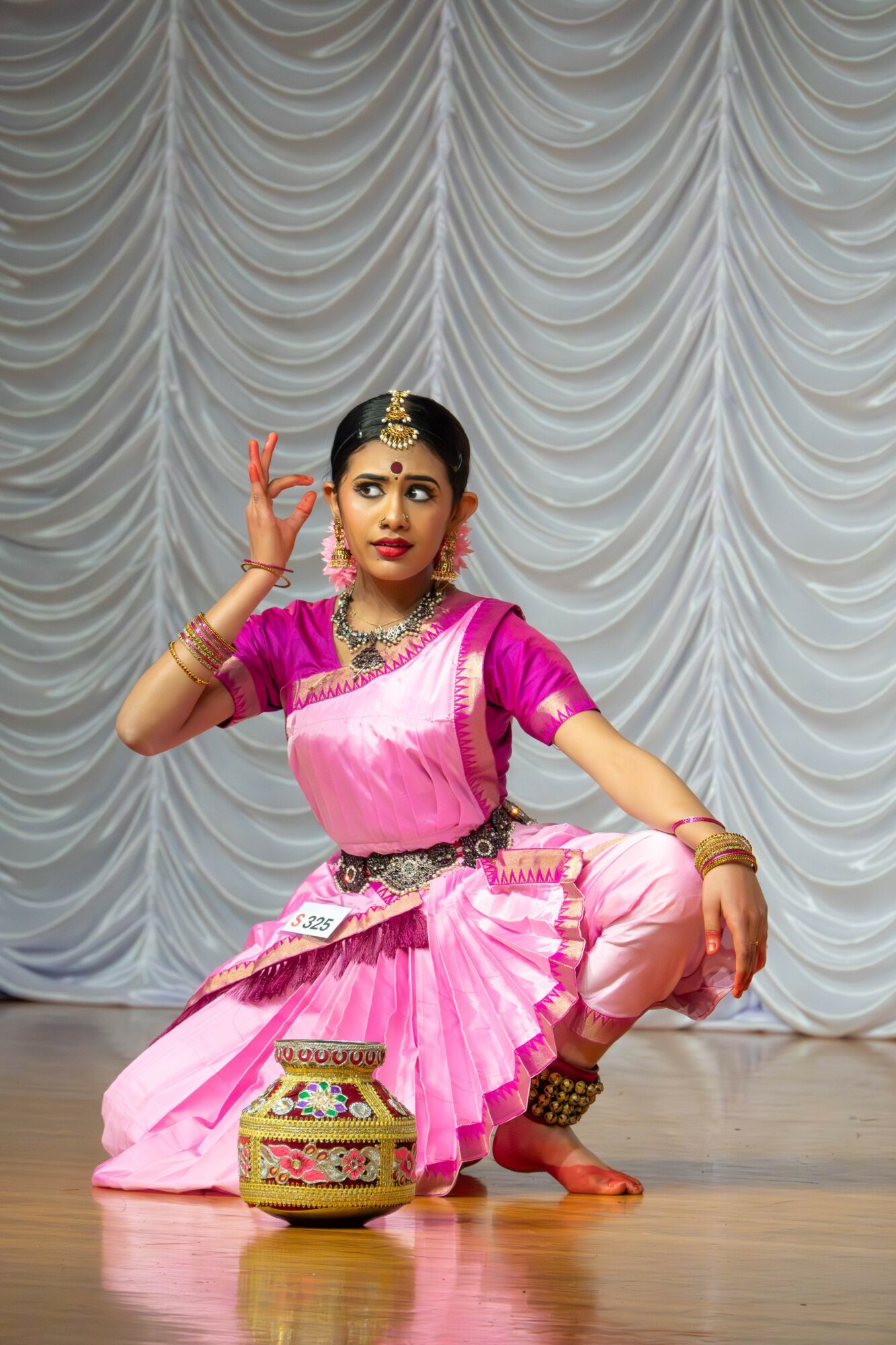
Today we’d like to introduce you to Lalithambika Geethu Jayadev.
Alright, so thank you so much for sharing your story and insight with our readers. To kick things off, can you tell us a bit about how you got started?
I was born in Trivandrum, Kerala, India, and began my dance journey at the age of four under the guidance of Kalamandalam Dr. Raji Subin at Bharatheeya Kalakshetra. From the very beginning, dance became a way for me to connect with tradition and tell stories that speak beyond words. Over the years, I expanded my training in Bharatanatyam, Mohiniyattam, Kuchipudi, and Kathakali under the guidance of respected teachers including Advocate Renjini Suresh, Dr. Divyasena, Kalakshetra Amalnath, and most recently, Guru Pratibha Mannil in St. Louis.
Through consistent practice and guidance, I’ve been blessed to compete in and win numerous competitions—earning titles such as Kalathilakam at KHNA and Natya Idol in St. Louis—and to perform on both national and international stages. Beyond awards, what matters most to me is sharing the beauty of Indian classical dance through community events, temple festivals, and cultural programs that inspire curiosity and connection.
Today, as a Sophomore at Marquette Senior High School in Missouri, I continue to balance academics with my dance journey. Recent opportunities like presenting at the Tyagaraja Festival in Cleveland and being a Semi-Finalist at the St. Louis Teen Talent Competition have been milestones that encouraged me to keep growing. My story so far is one of devotion, discipline, and the joy of carrying forward these timeless art forms for audiences near and far.
Alright, so let’s dig a little deeper into the story – has it been an easy path overall and if not, what were the challenges you’ve had to overcome?
My journey in dance has been filled with incredible opportunities and growth, but it definitely hasn’t been a completely smooth road. Behind every performance is a lot of discipline, sacrifice, and overcoming challenges that most people don’t see.
One of the biggest challenges has been balancing academics with intensive training and travel for performances. As a high school student, especially now as a Sophomore, managing schoolwork while preparing for competitions and performances across states can be overwhelming at times. There are weekends when I’m up early and late at night for trainings and rehearsals, traveling long hours for events (in most cities we drive, unless it’s to the West where driving takes days), and then catching up on assignments after missing school. Even missing just a couple of days can take me weeks to recover academically, and I often have to work closely with teachers and friends to catch up.
Another challenge was moving from India to the United States. While it opened up many new opportunities, it also meant adjusting to a completely new environment—new schools, new friends, and a dance community that was smaller and not as familiar with Indian classical art forms. I had to rebuild my presence here from scratch, performing at temples, cultural centers, and community events to slowly create a space for these traditional dances in a new country.
There were also moments of self-doubt—wondering if people would understand or appreciate these intricate and spiritual dance forms. But each time I performed, whether it was at my school library, a county library, or the St. Louis Teen Talent Competition, the positive response reminded me that art can connect across cultures when it’s performed with honesty and heart.
These struggles have taught me resilience, time management, and the value of staying true to my passion no matter where I am. The road has had its bumps, but every challenge has shaped me into a stronger artist and person.
Thanks – so what else should our readers know about your work and what you’re currently focused on?
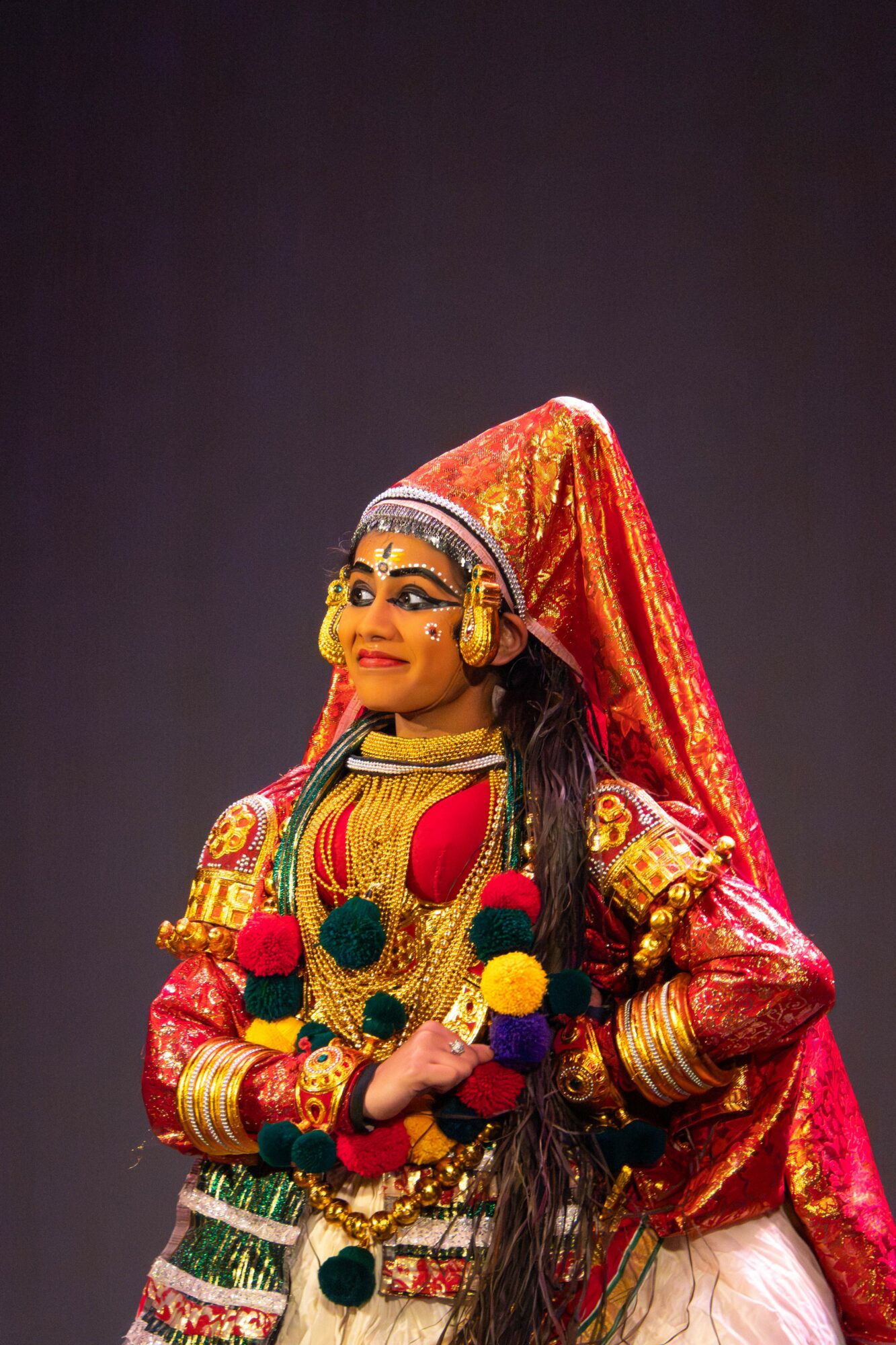
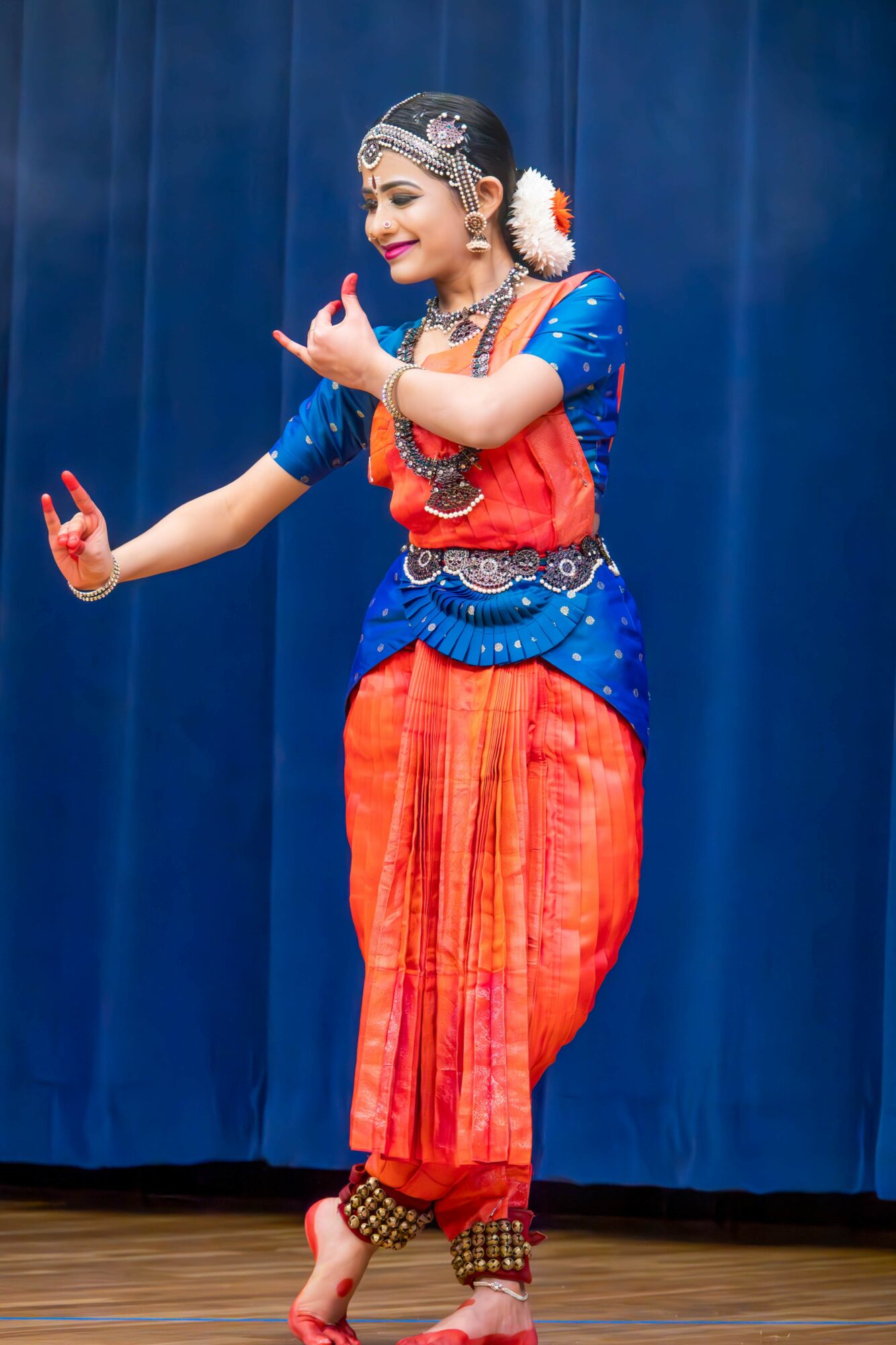
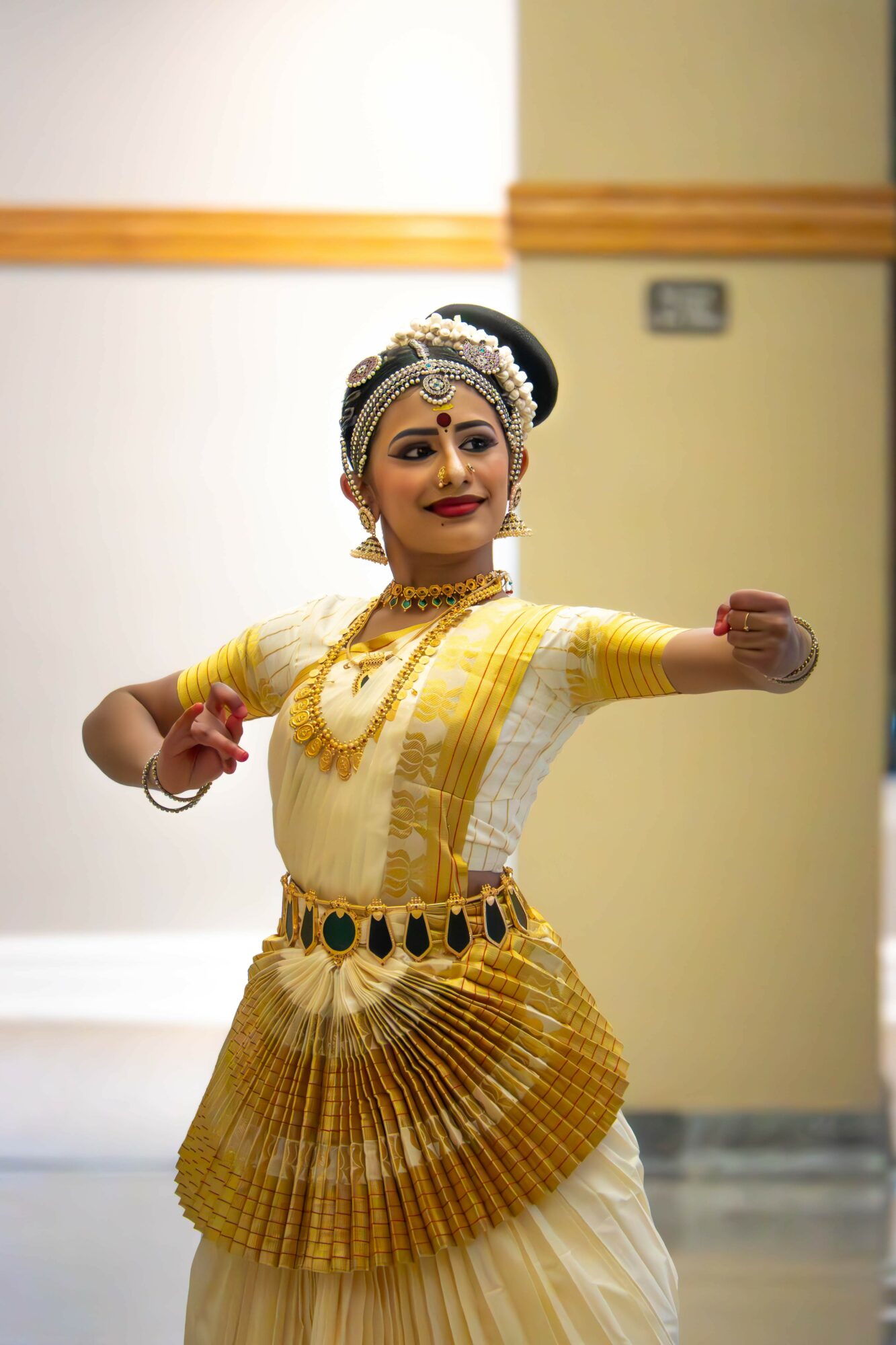
I specialize in Indian classical dance forms, including Bharatanatyam, Mohiniyattam, Kuchipudi, and Kathakali. Within these styles, I am especially known for my expressive storytelling through abhinaya (facial expressions) and the precision of my nritta (pure dance movements with rhythmic footwork). I love creating thematic performances that blend devotion, culture, and narrative to connect with audiences across generations.
Over the years, I’ve had the honor of winning prestigious titles such as Kalathilakam at the KHNA Convention, Natya Idol in St. Louis, and multiple first prizes at national and international competitions. Beyond awards, I’m most proud of performances where I’ve been able to educate and inspire—such as presenting Indian dance traditions at my school library, performing in cultural fundraising events, or showcasing rare art forms like Kathakali at national conventions in the U.S.
What sets me apart is not just the range of classical forms I practice, but the way I bring them into new spaces. At a young age, I’ve had the privilege to perform on both Indian and American stages, from temple festivals to the Tyagaraja Festival in Cleveland and even the St. Louis Teen Talent Competition. My goal has always been to bridge cultures—helping audiences who may be unfamiliar with these traditions feel the emotion, beauty, and spirituality behind every gesture and movement.
I believe my strength lies in blending tradition with adaptability: carrying forward centuries-old art forms while finding ways to make them meaningful in modern and multicultural settings.
Do you have any advice for those just starting out?
For anyone just starting out in dance—or really in any art form—my advice is to embrace patience and consistency. Progress in classical dance is gradual, and it can sometimes feel overwhelming when you’re learning intricate movements, rhythms, and expressions. But every small step adds up, and over time you’ll see yourself grow in ways you didn’t imagine.
I would also say: never underestimate the importance of good guidance. A guru doesn’t just teach you steps—they shape your understanding of the art, its philosophy, and its cultural roots. I’ve been fortunate to learn under dedicated teachers who not only trained me technically but also showed me how dance is a spiritual and emotional journey.
Something I wish I knew earlier is that it’s okay to feel challenged or even discouraged at times. Those moments don’t mean you’re failing—they mean you’re growing. The key is to stay committed, practice with sincerity, and perform with heart.
Today, I also share my work on social media, where people from all over the world can see my performances. I take the feedback I receive very seriously—whether it’s encouragement or constructive critique—and use it to improve and connect better with my audience. Listening to people’s perspectives has helped me grow not only as a dancer but also as a communicator of this art.
Contact Info:
- Website: https://www.lalithambika.dance
- Instagram: https://www.instagram.com/lalithambika_gj/
- Facebook: https://www.facebook.com/lalithambikagj/
- Youtube: https://www.youtube.com/channel/UCzqr0Wu6DPZTEJaR6NrEAtg
Popular
-

The Change-Makers: stories that inspire
-

Hidden Gems: Local Businesses & Creatives You Should Know
-

Portraits of Ohio
-

Take Flight: Lamar Thomas on Building an Inclusive Brand Rooted in Youth, Community, and Purpose
-

Cultivating Inner Clarity: Angel Inspires on Thought, Healing, and Purpose
-

Local Highlighter Series