



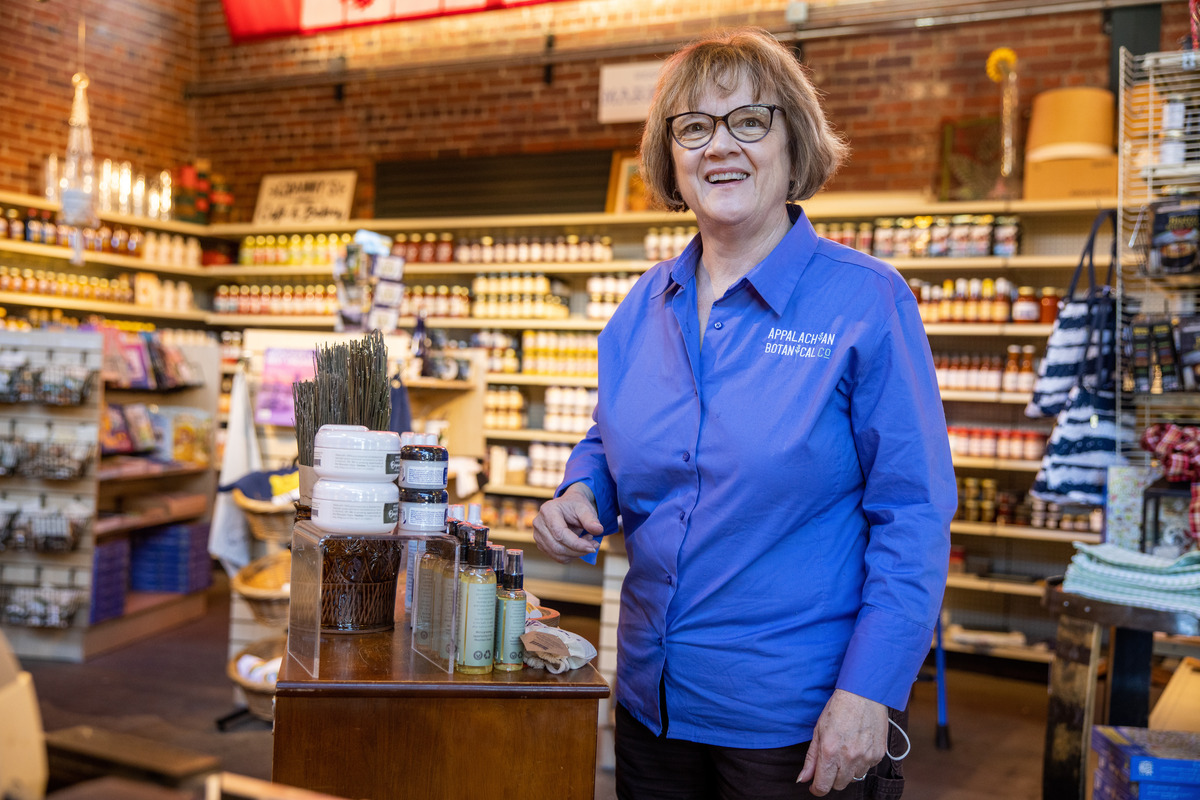
Today we’d like to introduce you to Jocelyn Sheppard.
Hi Jocelyn, we’re thrilled to have a chance to learn your story today. So, before we get into specifics, maybe you can briefly walk us through how you got to where you are today?
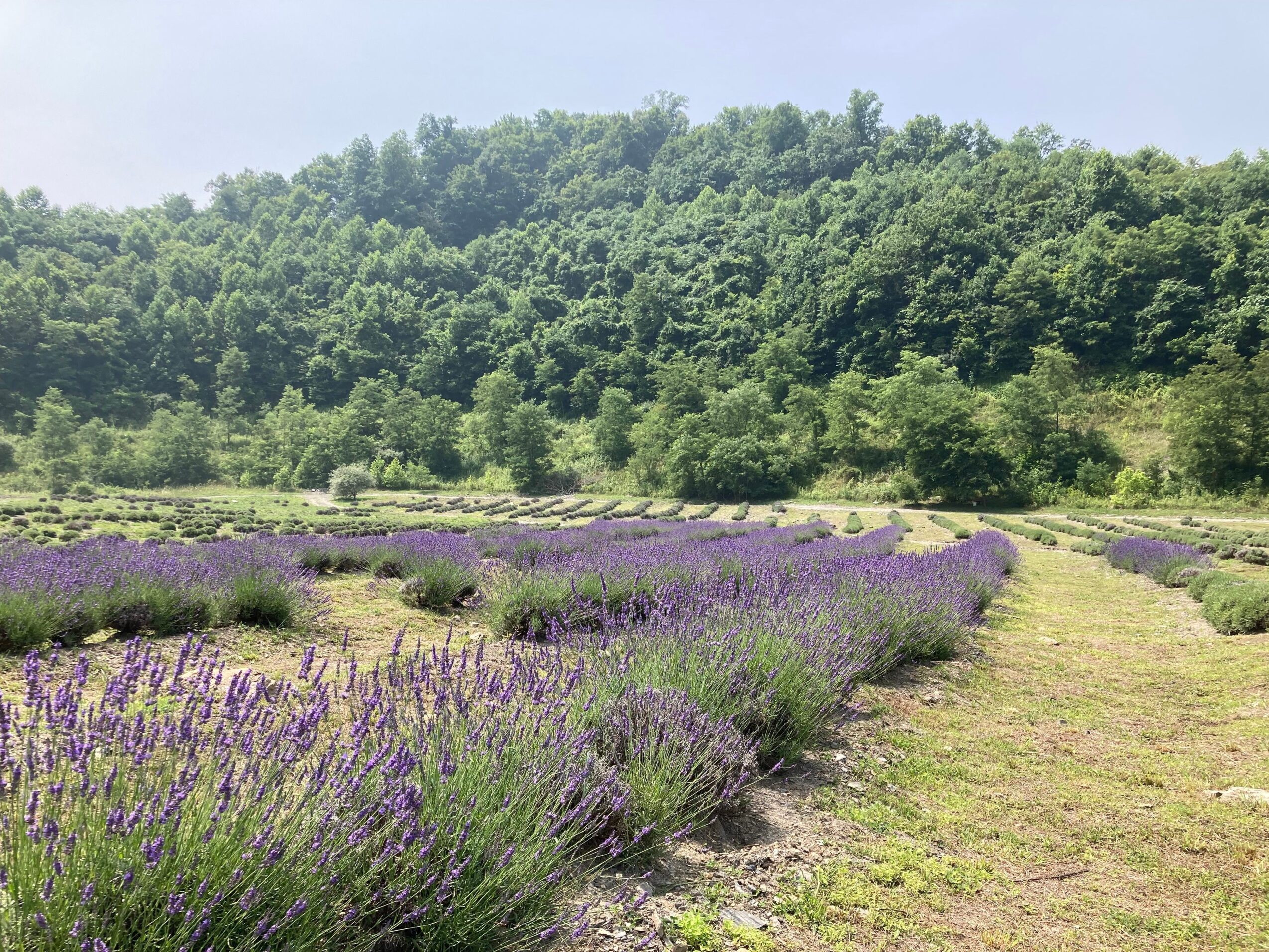
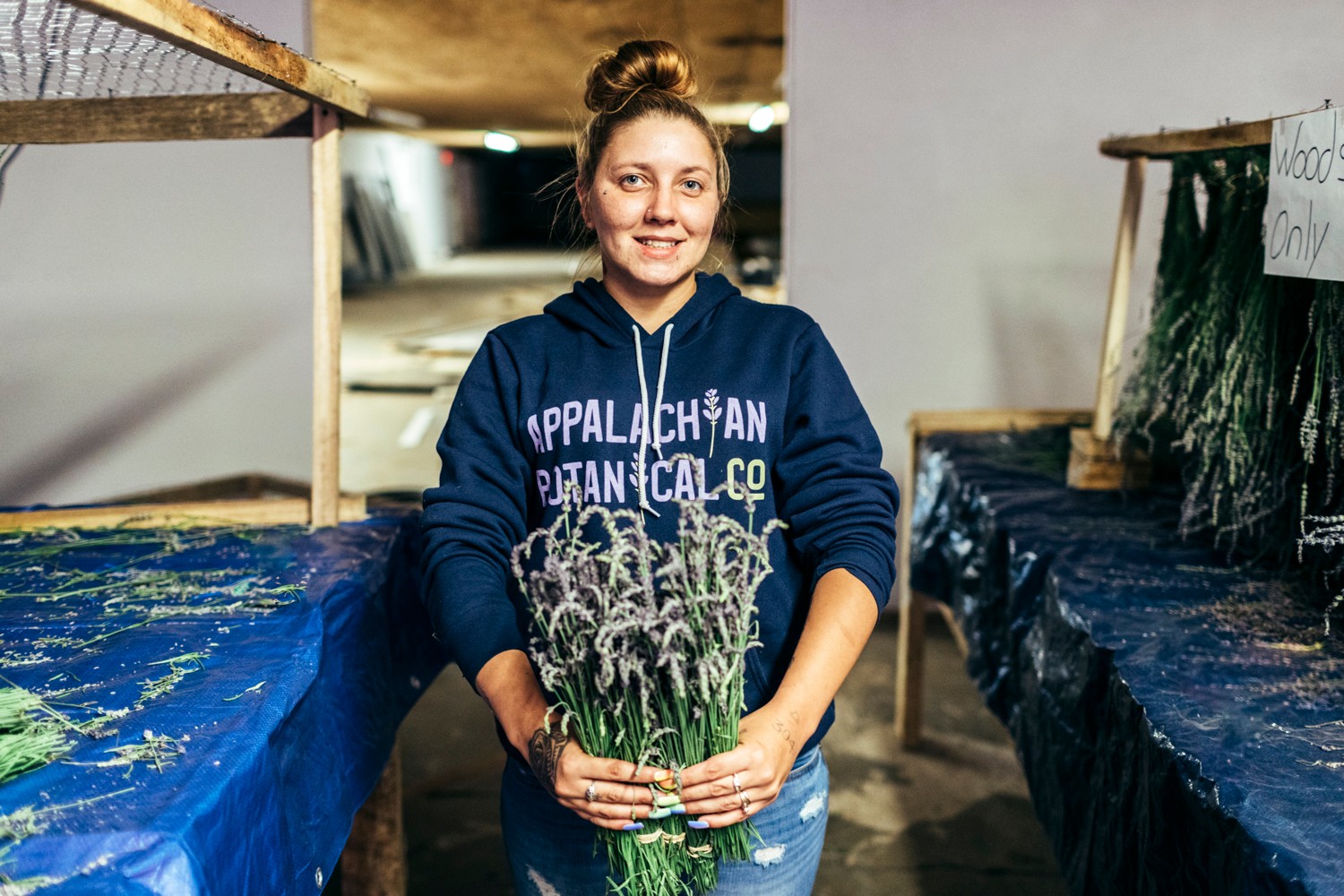
My journey actually started with a technical demonstration project designed to prove that lavender could thrive on reclaimed coal mine land. The project was a complete success—not only did the lavender grow, it flourished. When that demonstration wrapped up, I couldn’t shake the belief that there was a real commercial opportunity here: to grow lavender on reclaimed land, distill it ourselves, and offer pure essential oil both as a standalone product and as the signature ingredient in thoughtfully crafted body care.
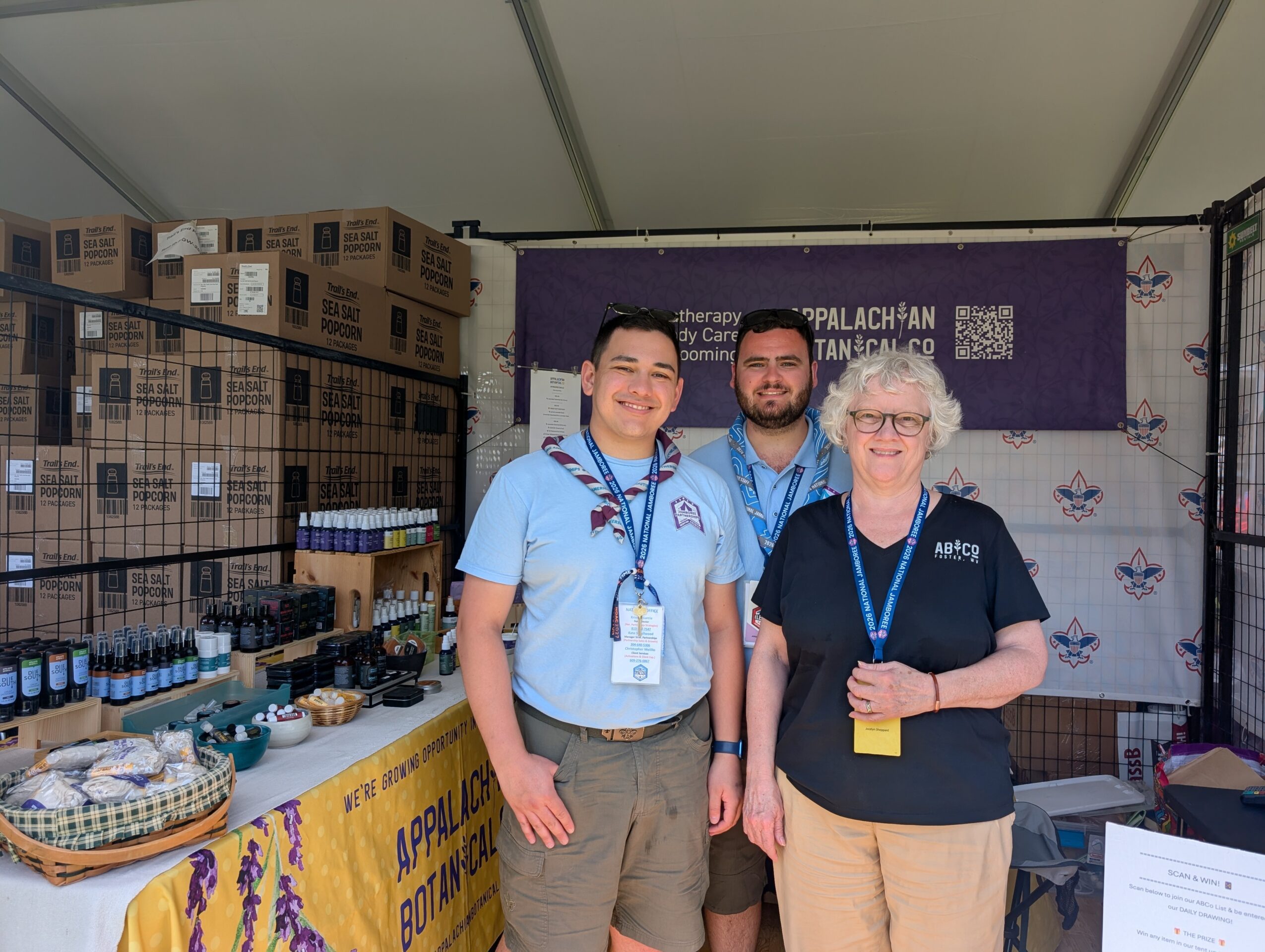
Appalachian Botanical Co officially launched sales in 2020. What began with a focus on lavender has since grown into a much broader vision. Over the past few years, we’ve expanded well beyond traditional lavender bath and body goods into dedicated men’s beard and scalp care, all-body personal grooming, and even culinary offerings like infused honeys and sea salt blends.
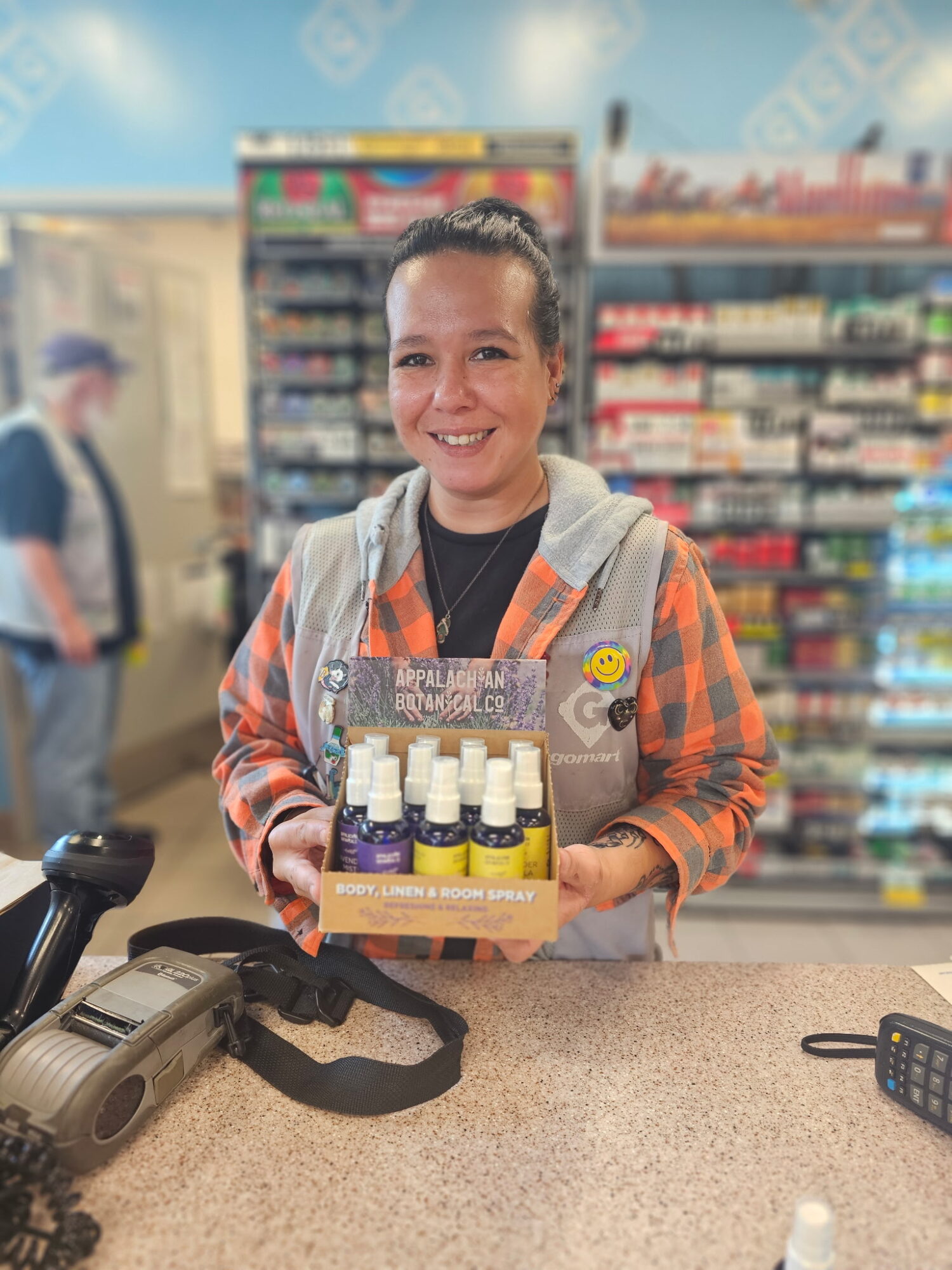
Today, it’s pretty surreal to look at how far those roots have reached—we’ve shipped direct-to-consumer orders to all 50 states and Washington, D.C., and we partner with retailers all across the country. Every step of the way, our goal has stayed the same: turning an unexpected agricultural idea into high-quality, everyday products people genuinely love.
I’m sure it wasn’t obstacle-free, but would you say the journey has been fairly smooth so far?
Definitely not a smooth road—more like an unpaved mountain road with a few unexpected detours!
When your business is rooted in agriculture, you’re immediately at the mercy of the weather, and growing lavender on reclaimed mine land comes with its own unique learning curve. Launching in 2020 during COVID added a whole other layer of unpredictability—supply chains were strained, retail was shifting overnight, and we were trying to introduce a brand-new product line to the market at a time when getting in front of people was harder than ever. Finding and keeping the right team members to support both the agricultural work and production has also taken real persistence.
Looking back, I wouldn’t say any of it was easy, and there were plenty of moments that required quick pivots. But every challenge forced us to tighten our operations, get creative about how we reach customers, and build a much stronger foundation than we would have if everything had gone according to plan on day one.
Can you tell our readers more about what you do and what you think sets you apart from others?
I bring a pretty unconventional background to entrepreneurship. I trained to be a college professor, taught at the college level, and worked as a librarian for about five years before becoming a program manager at a NASA-funded organization—where my English and library science training turned out to be essential for translating complex technical work. From there, I launched as an independent consultant in tech-based business development, alongside building our botanical personal care and culinary brand.
What I’m most proud of is my ability to really listen to people, understand what they value most, and give them the clarity and confidence to make smart decisions about startups and new ventures. Having been an educator, a librarian, and a builder myself, I’m known for cutting through noise, connecting dots across very different industries, and helping people move forward with conviction.
Is there anyone you’d like to thank or give credit to?
Building a business in an economically challenged region requires a tremendous amount of human capital, and a lot of people deserve credit for helping us get rooted.
We were sustained for many years—through May 2025—by an angel investor who believed in what we were trying to do long before it was proven, and that backing meant everything to getting the company off the ground. Just as important were the team members who joined us—often with limited prior work experience or formal education—and poured themselves into learning the ropes and growing with us.
Beyond our own walls, the local community welcomed us warmly and helped connect us to key resources. We were also fortunate to partner with workforce development, local economic development organizations, and several West Virginia nonprofits that stepped up with job referrals and wraparound support services. None of what we built would have happened without that collective investment of time, trust, and care.
Contact Info:
- Website: https://appalachianbotanical.com
- Instagram: https://www.instagram.com/appalachianbotanicalco/
- Facebook: https://www.facebook.com/appalachianbotanicalco
- LinkedIn: https://www.linkedin.com/company/71079683/
- Youtube: https://www.youtube.com/@appalachianbotanicalco.4767
Popular
-

The Change-Makers: stories that inspire
-

Hidden Gems: Local Businesses & Creatives You Should Know
-

Portraits of Ohio
-

Take Flight: Lamar Thomas on Building an Inclusive Brand Rooted in Youth, Community, and Purpose
-

Cultivating Inner Clarity: Angel Inspires on Thought, Healing, and Purpose
-

Local Highlighter Series