



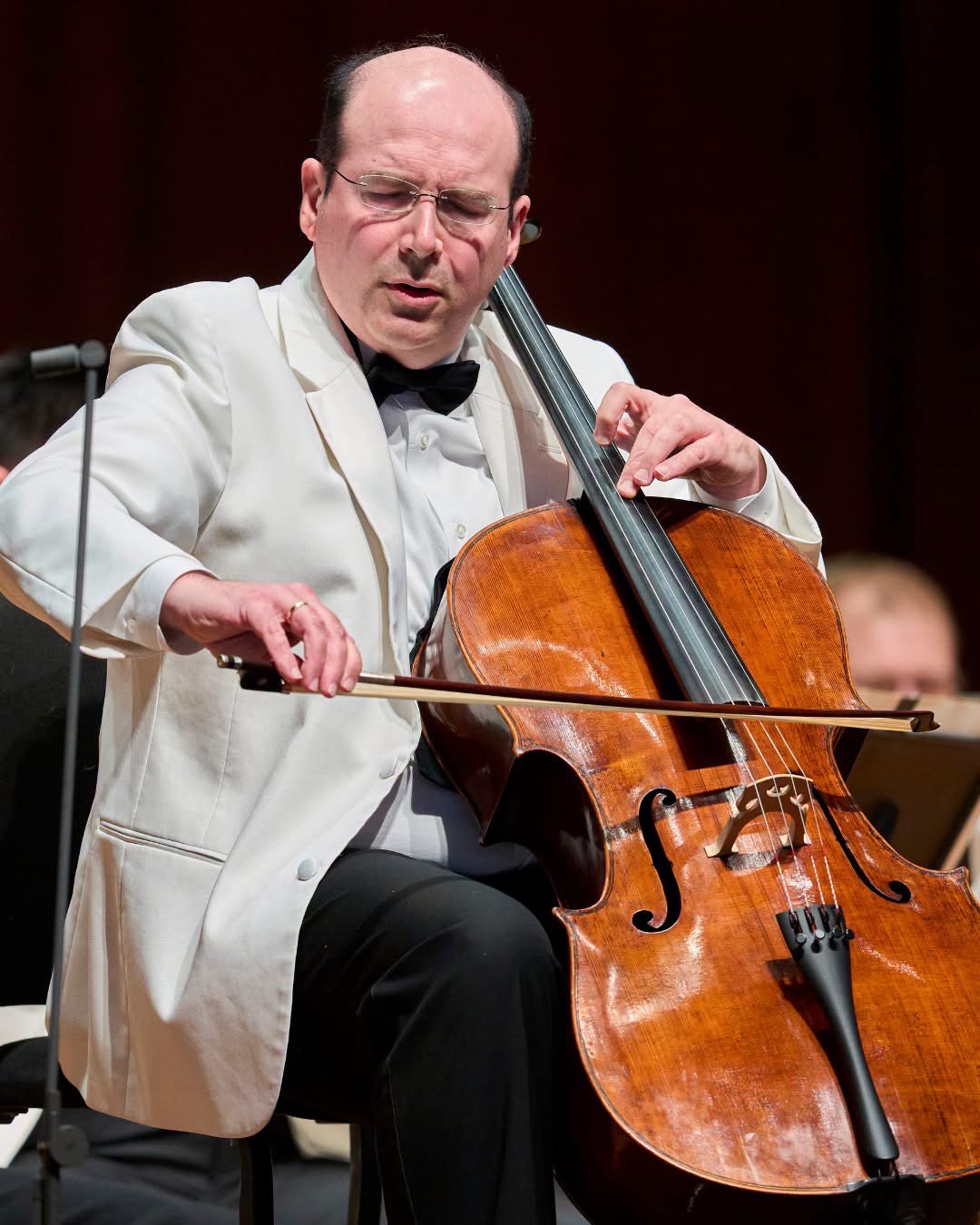
Today we’d like to introduce you to Mark Kosower.
Hi Mark, so excited to have you with us today. What can you tell us about your story?
The world of classical music is a labor of love. Nobody sets out to be a musician to get rich, to live a normal life where weekends and evenings can be free, or to be a popular main stream figure. It is the power of music itself that draws people in, inspires them, and motivates them to work tirelessly in search of musical excellence, communication, and a more elevated society of acceptance and shared experiences. The genre of classical music itself tends to run in families, and my family is a textbook example of this.
I grew up not only in a musical family but a family of cellists. My father was a professional soloist, chamber musician, and teacher at Wisconsin State University (and was also a church organist), and my older sister started learning the cello first at the age of two. My mother played the piano, organ, and clarinet but taught 4th grade as a profession. After my father heard me singing melodies back to him while he was practicing I started studying the cello with him at age 1 1/2 and also participated in the local Suzuki method chapter. A few years later I began composing, took piano lessons, and much later learned to play the trumpet in middle school. I loved music so much that my parents once ordered me to go outside and play after practicing almost three hours at age five. I already knew I wanted to be a concertizing cellist. As my sister and I became very accomplished early on my father had the idea of creating a performing cello trio using his contacts as a solo performer. We became the Dolce Trio and performed across the United States including a performance for Mstislav Rostropovich at the Second American Cello Congress and even a European tour in 1988. These early performance experiences were invaluable as they made the stage a friendly and fun place to be making music with my family.
I started appearing as a soloist with orchestras at age ten winning regional music competitions in Wisconsin and Minnesota. I later won my first international competition at age 15 – the Irving Klein International String Competition in San Francisco. In high school I became fixated with Yo-Yo Ma – his charismatic performances and beautiful sound. I had the opportunity to perform for him three times in master classes, and he was always so kind and thought provoking in his teaching. My father, always my biggest advocate, helped create performance opportunities for me as a soloist and in recital as I began to accumulate awards and accolades. Again invaluable experience.
During my high school years life suddenly became more of a struggle. It all started after my first of what would become four incredible summers as a fellowship student at the Aspen Music Festival. Aspen somehow created the illusion that life should be a summer music festival, and perhaps the stark contrast between being surrounded by peers with shared interests and aspirations and public school life in Wisconsin (I had excellent general education teachers) was just too drastic. My sister left for college and I was living on my own classical music island in Wisconsin feeling very isolated. I also developed a touch of child prodigy syndrome with the cello, meaning my playing reached a point where I could do things with the instrument that few others could do (including professionals), and yet I had absolutely no idea how I was able to do those things. At one point this really scared the hell out of me. I was like an anxious fish in a holding tank.
Enter Janos Starker. I ended up following my sister to Indiana University when the time came to study with the great Hungarian cellist and pedagogue. He was an incredible old school teacher who later became my mentor and friend. To say he was influential in my approach to music and the cello would be an understatement. I learned later in life that he, too, was troubled at one point by his talent after a reviewer in Vienna described his demeanor on stage as a sleep walker following World War II. My studies with Mr. Starker (as we called him) revolutionized my playing giving me a new secure footing. In the meantime I continued to perform and signed with my first management company after the manager came to my performance of the Dvorak Concerto with the Long Island Philharmonic. I also met Jee-Won Oh in Bloomington who later became my first wife. She served as Mr. Starker’s studio pianist for ten years.
Then on to Juilliard to study cello with Joel Krosnick of the famous Juilliard String Quartet and chamber music with the ensemble’s founder Robert Mann. These years really broadened my horizons in terms of repertoire, musical thought, and just living in New York City. At Juilliard I also learned that I liked teaching, and as Mr. Krosnick’s assistant I could help my colleagues with their playing issues while crystalizing my own knowledge. A win-win. During these years I was a top prize winner in the Casals and Rostropovich international cello competitions and was awarded an Avery Fisher Career Grant by Lincoln Center in 2002. I also made my first commercial recording as soloist playing the Walton Cello Concerto with the Oregon Symphony. This was also the time I married my best friend.
Since my family was big on fishing I developed a fisherman’s attitude while living in New York. I would put multiple fishing lines in the water, and whichever poles hooked the fish I would capitalize on those opportunities. I didn’t take every fishing pole with a hooked fish, but I did take the opportunities that seemed to make the most sense at the time. After leaving Juilliard I lived on just playing concerts for a few years. Soon after I realized that the sine waves of concert life alone created a lot of havoc. I won an audition as Professor of Cello and Chamber Music at the San Francisco Conservatory of Music in 2005, which I then accepted and taught there for two years. However, I was unknowingly already in transition to my next position even before going there as I was invited to play as guest Solo Cellist of the Bamberg Symphony in Germany the week I was moving to San Francisco. By November of that year I had won the position in Germany and really did not know what to do. So I did what any crazy person would do – do both positions. During the 2006-07 season I taught a studio of nine students in San Francisco, was solo cellist of the Bamberg Symphony, and kept a full schedule of concerts in between including being soloist with the Seattle Symphony and making two commercial cello/piano recordings for Naxos with Jee-Won. Why not? Coffee and Lufthansa were my best friends. I spent the entire year flying back and forth between Germany and the United States wondering why each country didn’t do things like the other one. Eventually living in Germany won out as I had the Europe itch. So I relocated to Bamberg, played in the orchestra, and went out from there for my solo and chamber music concerts.
Nobody in America could understand why I went to Bamberg. Everybody thought I was throwing my solo career away joining an orchestra in Europe that not everyone knew in America. Only Mr. Starker, my wife, and a few close friends really understood the cultural and life values that living in a European country could bring to a young artist, as well as career opportunities. As European orchestras generally have two solo players in each section there was ample time to continue pursuing my own concerts once I was in Bamberg, and I made sure that when I wasn’t playing in the orchestra I was either on a plane to America or on a train to somewhere on the continent. Building a career during these years was very challenging, and while I had good fortune overall I faced plenty of rejections and difficulties. These were also the 4-5 years after leaving school where an artist really synthesizes all the tutelage and influences they have experienced to become their own. I realized during these years how much I valued and thrived on being a complete musician – solo playing, chamber music, orchestra, and teaching, and therefore I continued to always have multiple fishing poles in the water (I’m sure as a fisherman this would be illegal in most states). My years in Germany were special having access to that rich culture, seeing the United States from the outside, and making some lifelong friends. And I have to thank Jee-Won for supporting me through all the ups and downs of those years.
My journey to Cleveland came about in as nebulous a fashion as my original path to Bamberg but that story is for another time. In short I ended up being chosen as the principal cellist of The Cleveland Orchestra and also began teaching at the Cleveland Institute of Music. It turned out that my previous positions had laid the groundwork for a new life. The Cleveland Orchestra, one of the greatest orchestras in the world, and CIM a top music conservatory, became my new home bases. I built a strong studio of cellists at CIM through the 2010’s, and I found American concert presenters inviting me more often since I was more present in their minds living on this side of the pond. I made solo appearances with orchestras such as the symphony orchestras of Buffalo, Columbus, Indianapolis, Naples, Phoenix, and the Rotterdam and Thailand Philharmonic orchestras abroad; recorded the Victor Herbert cello concertos in Belfast with JoAnn Falleta for Naxos, and through my new position collaborated as soloist with conductors such as Herbert Blomstedt, Sir Andrew Davis, and music director Franz Welser-Möst. Part of the perks of being in such an orchestra was touring and performing in some of the greatest concert halls of the world including the Berlin Philharmonie, Royal Concertgebouw, Musikverein, and Carnegie Hall. Everything in my career was growing and expanding in fine fashion. At CIM I started a cello ensemble with my studio in addition to studio classes and teaching an orchestral repertoire class. I launched Bach for Humanity, a community initiative that brought the music of Bach to both conventional and non-conventional venues through solo cello performances as a musical call for unity in our shared humanity. I gave performances in venues such as retirement centers, homeless shelters, and hospitals as well as concert halls throughout northeast Ohio. All of this was so eye opening and fulfilling.
A good life lesson: More is not always better. It can be better, but it really depends on the particular circumstances. In the midst of everything going on a very strange chapter began to unfold in my life towards the end of the 2010’s. I started feeling like I was watching not only mine but life in general go by. It was as though I was a spectator in my own shoes. What made this feeling so bizarre was that I was busier than ever and was so engaged doing a million things. Everything was going great, and it”s not like I wasn’t enjoying any of it. But little did I know that I was wearing down deep inside at my very core after years and years of doing more and more….and more. I also was getting sick frequently after decades of virtually perfect health. My personal life wasn’t going well. Then, in the blink of an eye, the world stopped with the arrival of Covid-19 and, like everyone, I suddenly had bigger fish to fry.
It may sound crazy but the pandemic turned out to be an incredible blessing for me. It gave me the time and opportunity to reassess where I had been, where I was, and where I needed to go. Years earlier I had fully embraced the concept of becoming a complete musician. Now I needed to become a more complete person. I learned there were things that I had skipped over or neglected in my life at various points in my pursuits of musical excellence and career aspirations, perhaps pushing certain things aside as not being so important – an evening out, a casual conversation with an acquaintance, social gatherings – just being human. The lockdown was a reset, and the pandemic allowed me to build a new life with the woman I fell in love with who soon became my wife, Mingyao Zhao. To be able to experience such joy from even the little things in life is such a gift – something she does better than anyone. I have never felt I could be so unabashedly myself to the world, and to be so happy when I’m not putting myself out there. Life is grand when we’re together.
This is not to say I didn’t experience all of the injuries and hardships the pandemic bestowed on all of us. For me what was most difficult was that I didn’t realize to what extent certain parts of myself had been completely shut down until our world started opening up again. Never was I so jittery than playing my first public solo performance after the pandemic. It was like an entire part of me had been asleep and was suddenly pinging with atomic neurons! The pandemic taught me how irreplaceable the audience was to the concert experience – not that I didn’t know this before, but I now felt the power of connection with listeners like never before. The first chamber music festival I attended after the pandemic completely exhausted me in two days as I simply was not used to having lengthy conversations with people. In 2022 I couldn’t even fathom how I used to do what I did before the pandemic. It took years to really feel like I was firing on all cylinders again, and as a performer as well.
Through hard work I got my solo performing back in full swing playing at places such as the Casals Festival in Puerto Rico, with the symphony orchestras of Pasadena, Columbus Pro Musica, Santa Fe; in Lotte Concert and Suntory halls in Korea and Japan, the Costa Rica Symphony, and chamber music at the North Shore, Santa Fe, and Seattle chamber music festivals among many others. But I am doing all of these things through a different lens, and this has been key – taking it all in and truly enjoying the journey, which makes everything even better.
I am very grateful to work at The Cleveland Orchestra, an organization that really knows who they are – from the board to the administration to the heart of the music with the musicians. When I came to Cleveland I immediately noticed how each and every member of the orchestra recognized that they belonged to something special. In my post-Covid life I am not taking anything for granted. How lucky it is to play in an orchestra where everyone feels such a responsibility and is fully invested in the music behind the page. The elegance, flexibility, colors, and beauty of sound the ensemble creates is truly remarkable. And I have wonderful colleagues, both as people and as musicians. The orchestra continues to grow and only get better.
With all of this has radiated a profound happiness in my life through personal growth, my relationship with Mingyao, music, and a renewed vision of life. Return engagements, new opportunities, and a new family have all come about in this post-Covid world. I am really excited about what the future holds, and I am hopeful that through my personal experiences, musical performances, future recordings, and work in education I will be able to be an impactful presence in the world, making a difference in the lives of others I encounter or who encounter me from afar. For these opportunities I am so grateful.
These are the fishing poles I take with me today.
Thanks – so what else should our readers know about your work and what you’re currently focused on?
See Previous text. I will add that I am known as an internationally acclaimed American cellist best known as Principal Cello of The Cleveland Orchestra. I am a champion of classical repertoire off the beaten path, and I am known for having a signature sound, virtuosic technique, and distinctive, thought provoking interpretations. I have commercial solo and chamber music recordings with Delos, Naxos, Ambitus, and VAI classical music labels, and I am also known as a dedicated educator. I like to think versatility sets me apart from others as I can be equally effective as a soloist, chamber musician, orchestra principal, and teacher.
Can you tell us more about what you were like growing up?
Charming, personable, a good conversation, but overly cautious and protective. I loved fishing, basketball, hiking, and traveling in addition to all things musical.
Contact Info:
- Instagram: https://www.instagram.com/markkosower/
- Facebook: https://www.facebook.com/mark.kosower.2025/
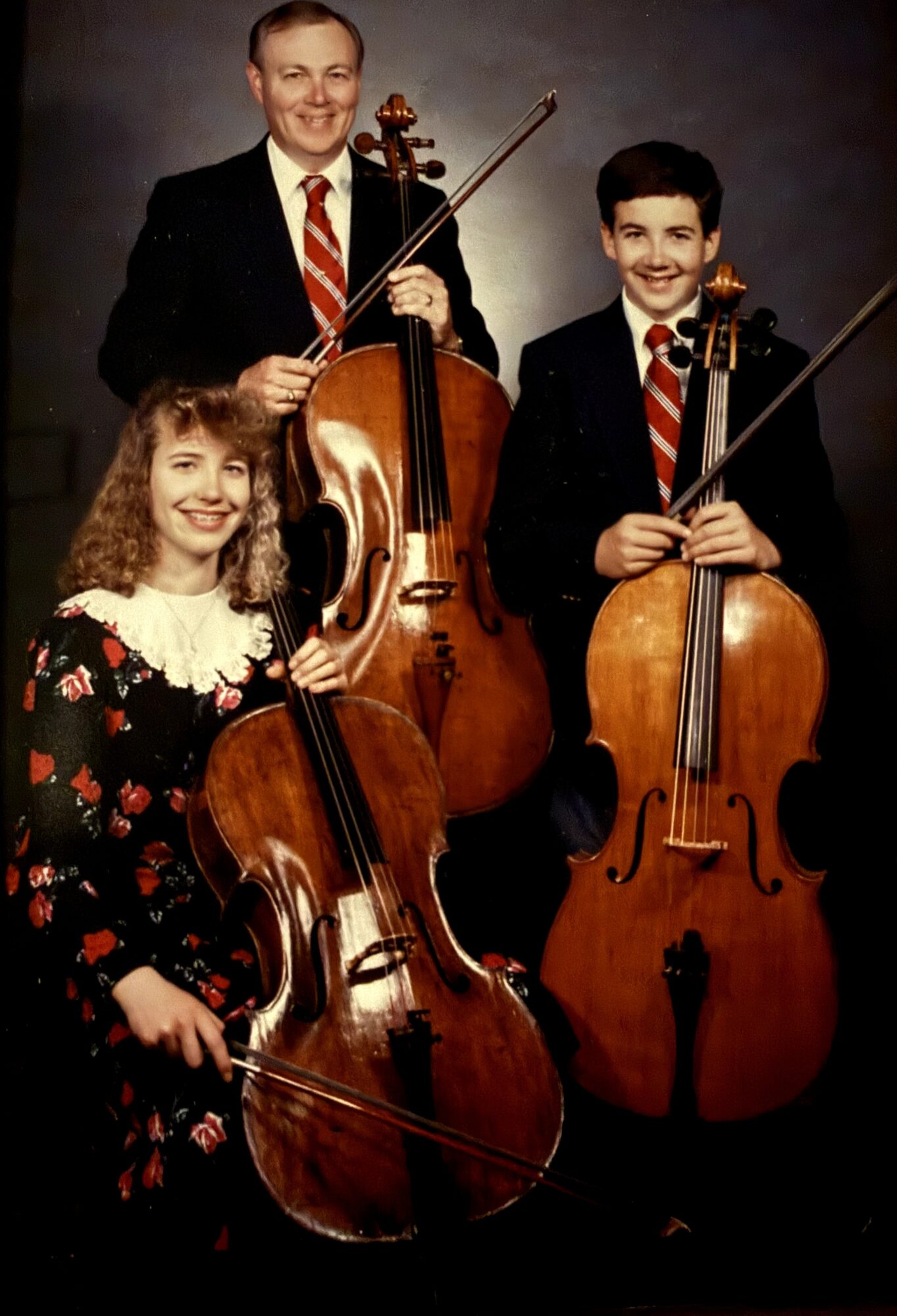
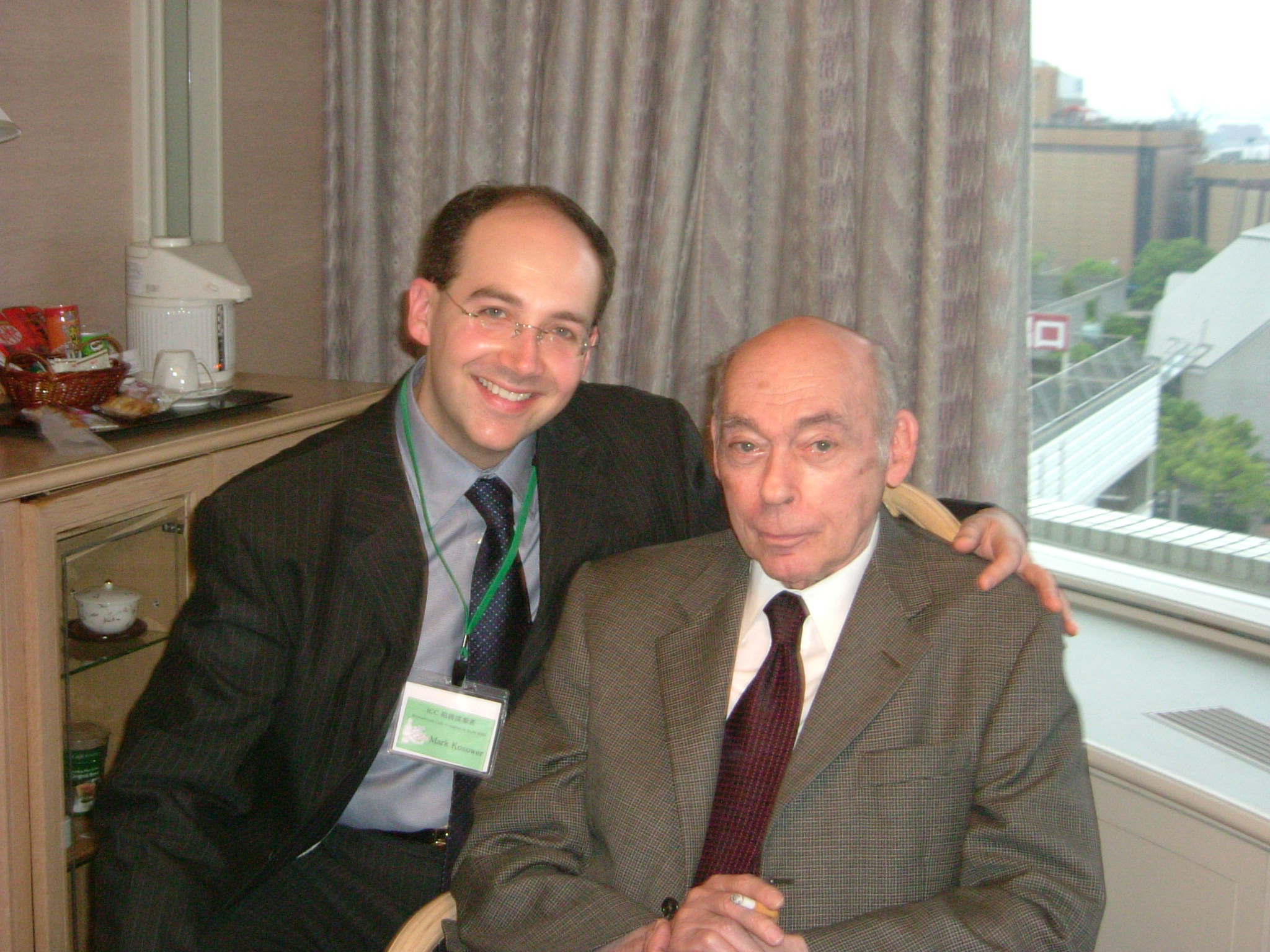
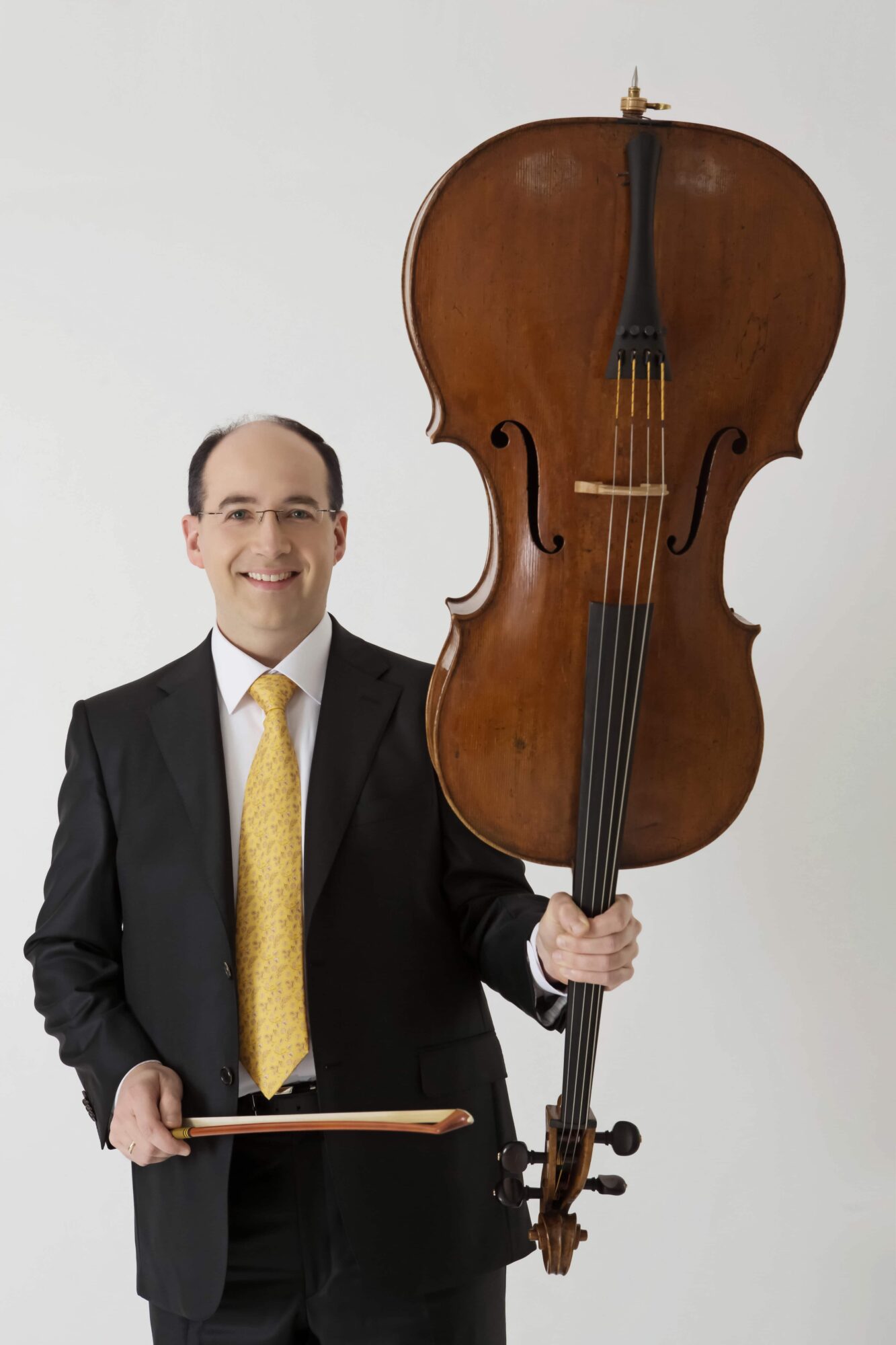
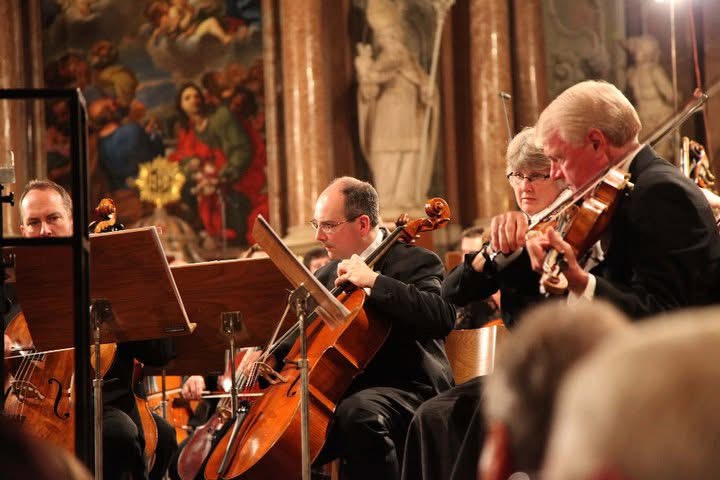
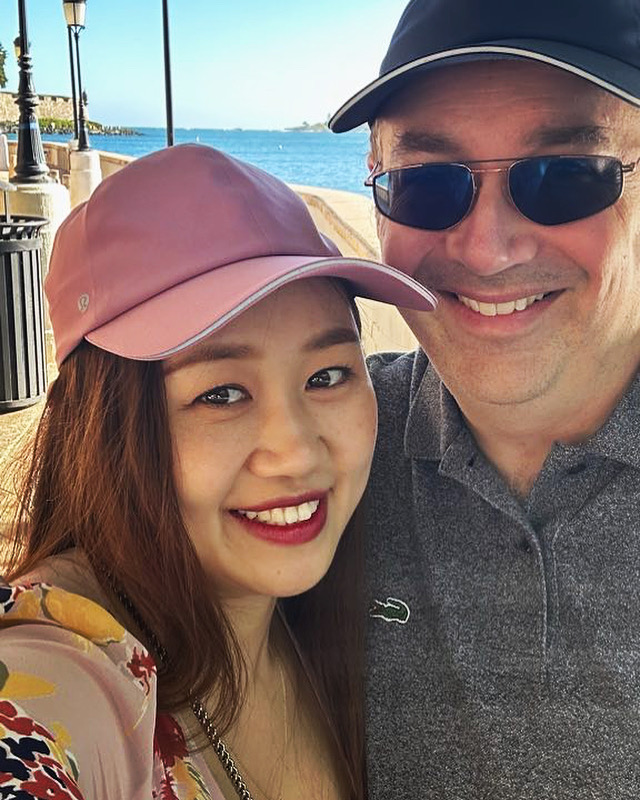
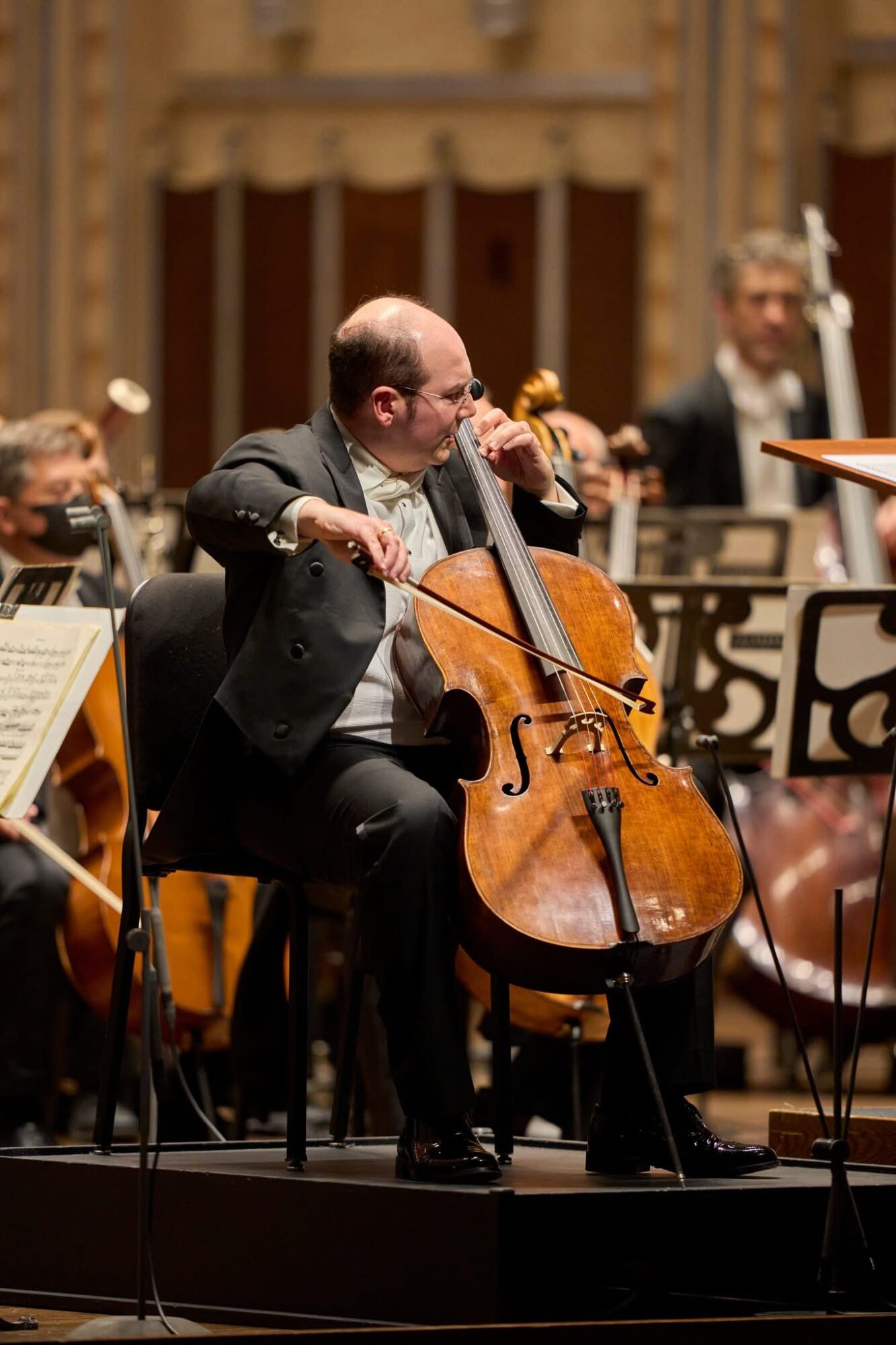
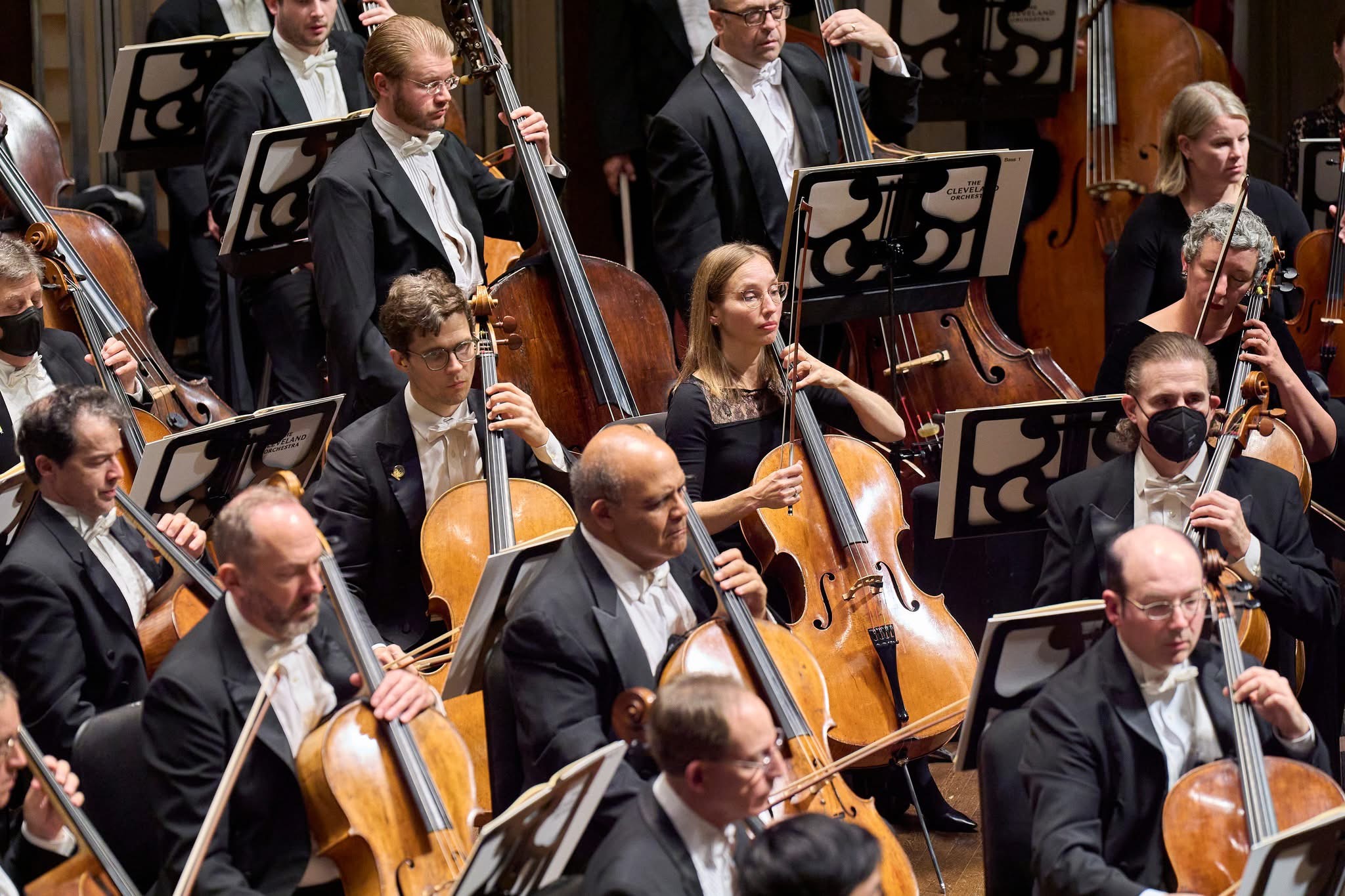
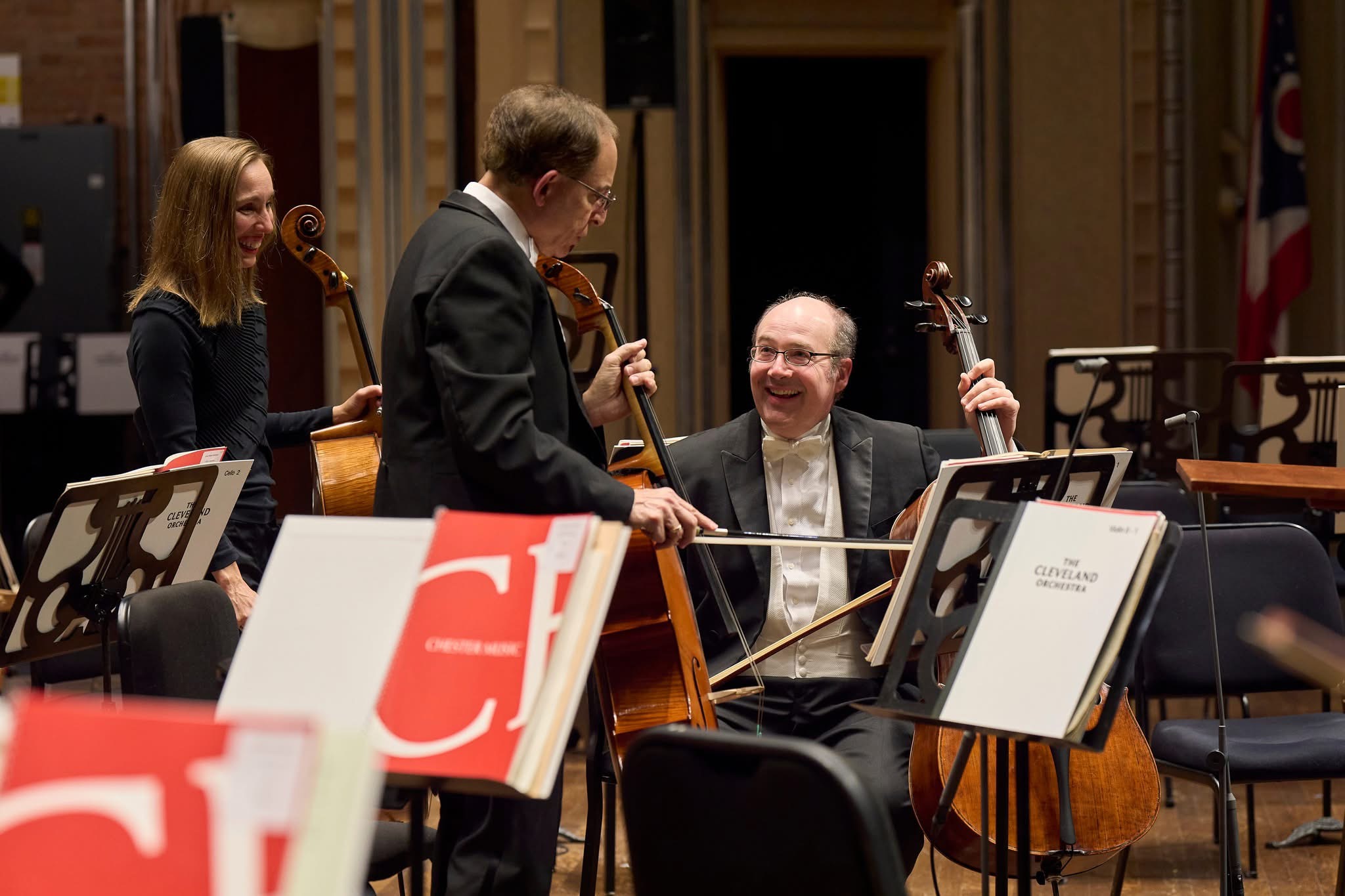
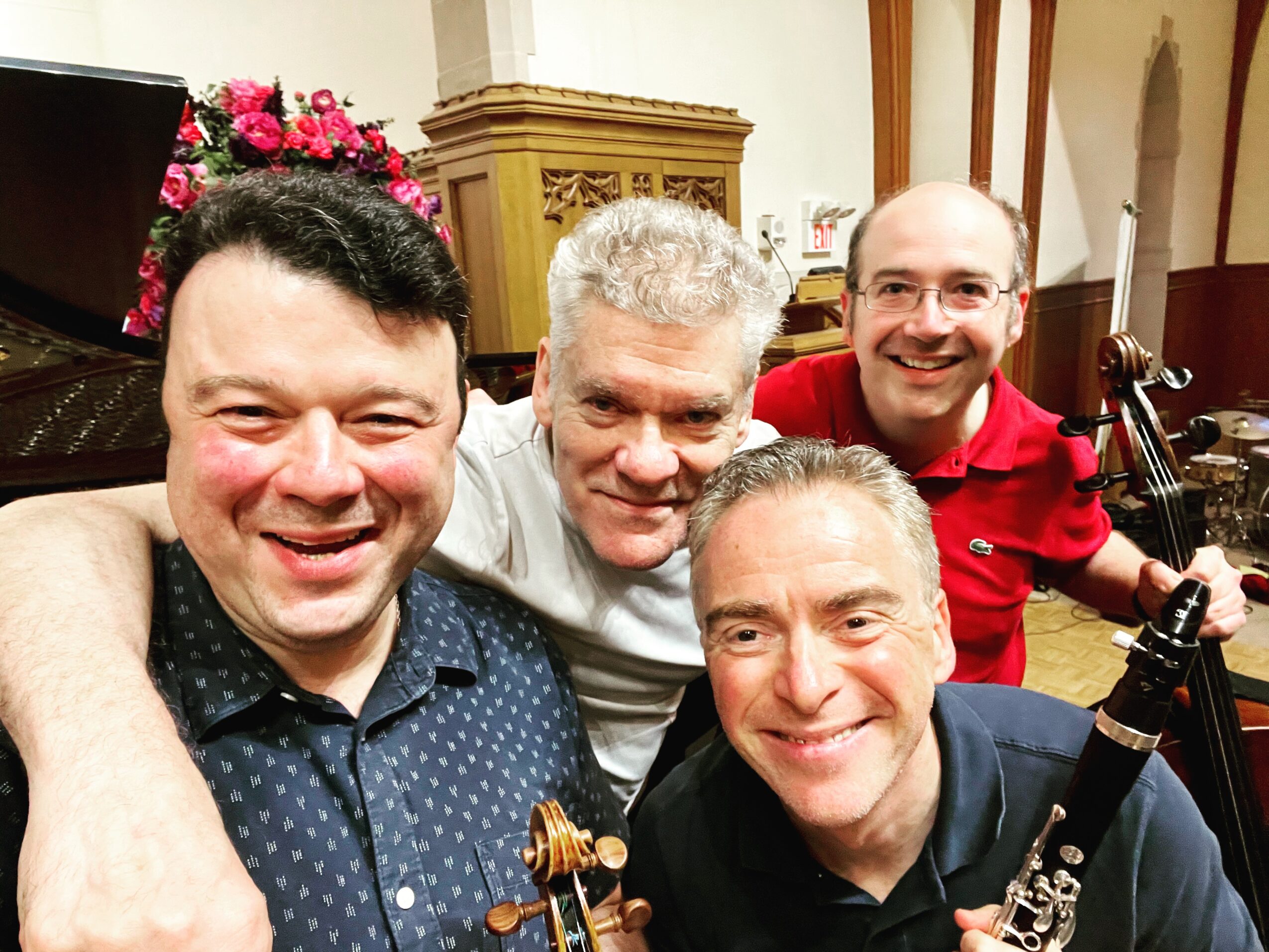
Image Credits
Cover Photo Title: Mark Kosower, soloist at Blossom Music Festival
Photo Credit: Roger Mastroianni
Photo #1 Title: Dolce Trio
Photo Credit:
Photo #2 Title: Mark Kosower w/Janos Starker in Japan
Photo Credit: Jee-Won Oh
Photo #3 Title: Mark Kosower
Photo Credit: Bonggyun Kim
Photo #4 Title: Mark Kosower in St. Florian Monastery, Austria w/TCO
Photo Credit: Roger Mastrioianni
Photo #5 Title: Mark Kosower and Mingyao Zhao in San Juan
Photo Credit: Random Helpful Tourist
Photo #6 Title: Mark Kosower, soloist at Severance Hall
Photo Credit: Roger Mastrioianni
Photo #7 Title: Cello Section of The Cleveland Orchestra
Photo Credit: Roger Mastrioianni
Photo #8 Title: Cellists of The Cleveland Orchestra – Mark Kosower, Richard Weiss, and Tanya Ell
Photo Credit: Roger Mastrioianni
Photo #9 Title: Friends at the North Shore Chamber Music Festival – Vadim Gluzman, Bill Wolfram, Ilya Shterenberg, Mark Kosower
Photo Credit: Angela Yoffe
Popular
-

The Change-Makers: stories that inspire
-

Hidden Gems: Local Businesses & Creatives You Should Know
-

Portraits of Ohio
-

Take Flight: Lamar Thomas on Building an Inclusive Brand Rooted in Youth, Community, and Purpose
-

Cultivating Inner Clarity: Angel Inspires on Thought, Healing, and Purpose
-

Local Highlighter Series