



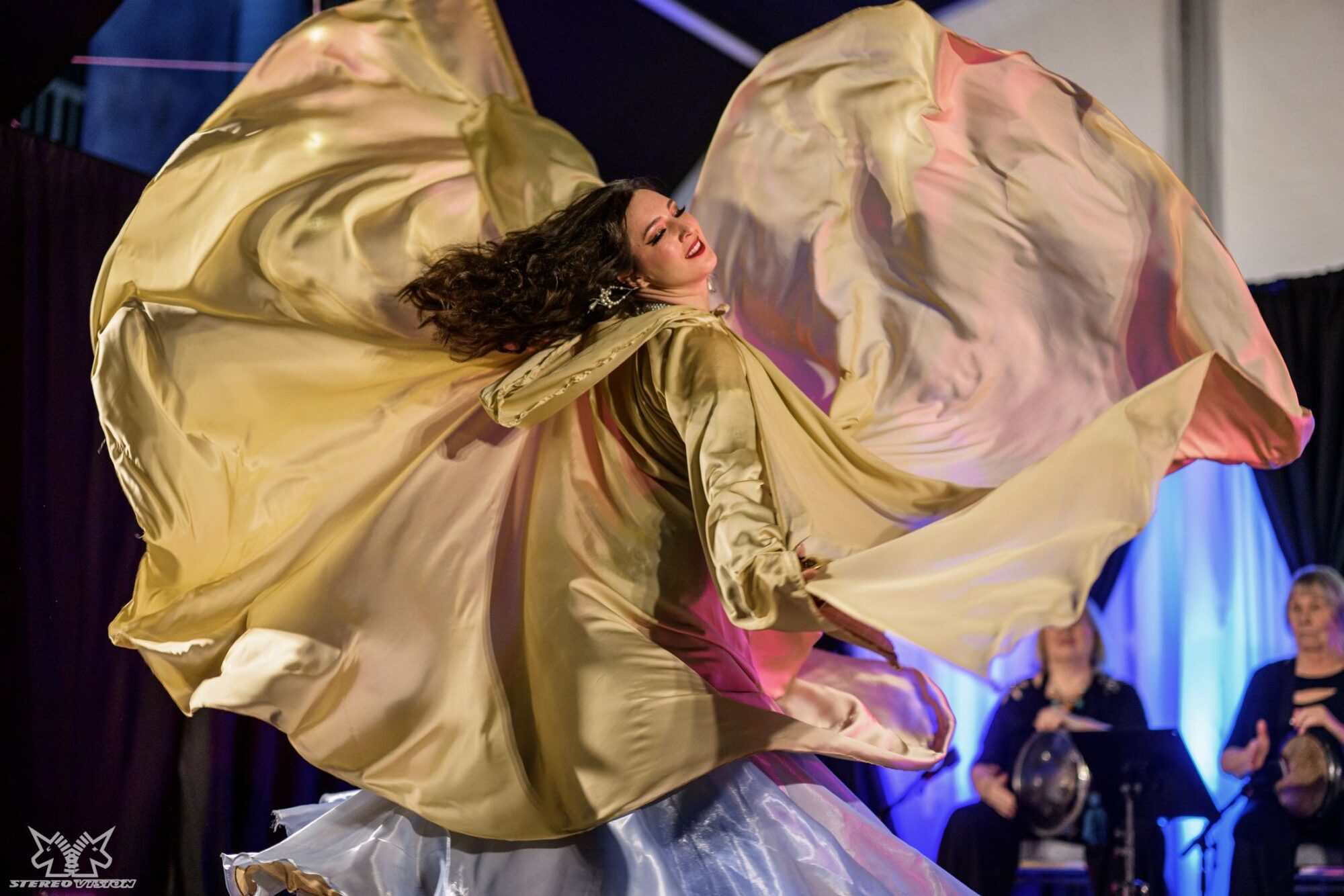
Today we’d like to introduce you to Athena Howe.
Hi Athena, please kick things off for us with an introduction to yourself and your story.
I started belly dancing with my mom when I was a kid. It was a wonderful way to spend time with her, but it also introduced me to a community of people with all different backgrounds and body types. As a young woman, being surrounded by people who embraced their bodies, loved themselves, and expressed themselves through dance was incredibly important for my self-esteem. Honestly, I think it was the only thing that got me through high school!
When I got to college, I began performing professionally, traveling throughout the United States, and competing. I started winning awards and eventually had opportunities to travel internationally to perform. After graduating, I continued performing while beginning to teach locally here in Columbus, Ohio.
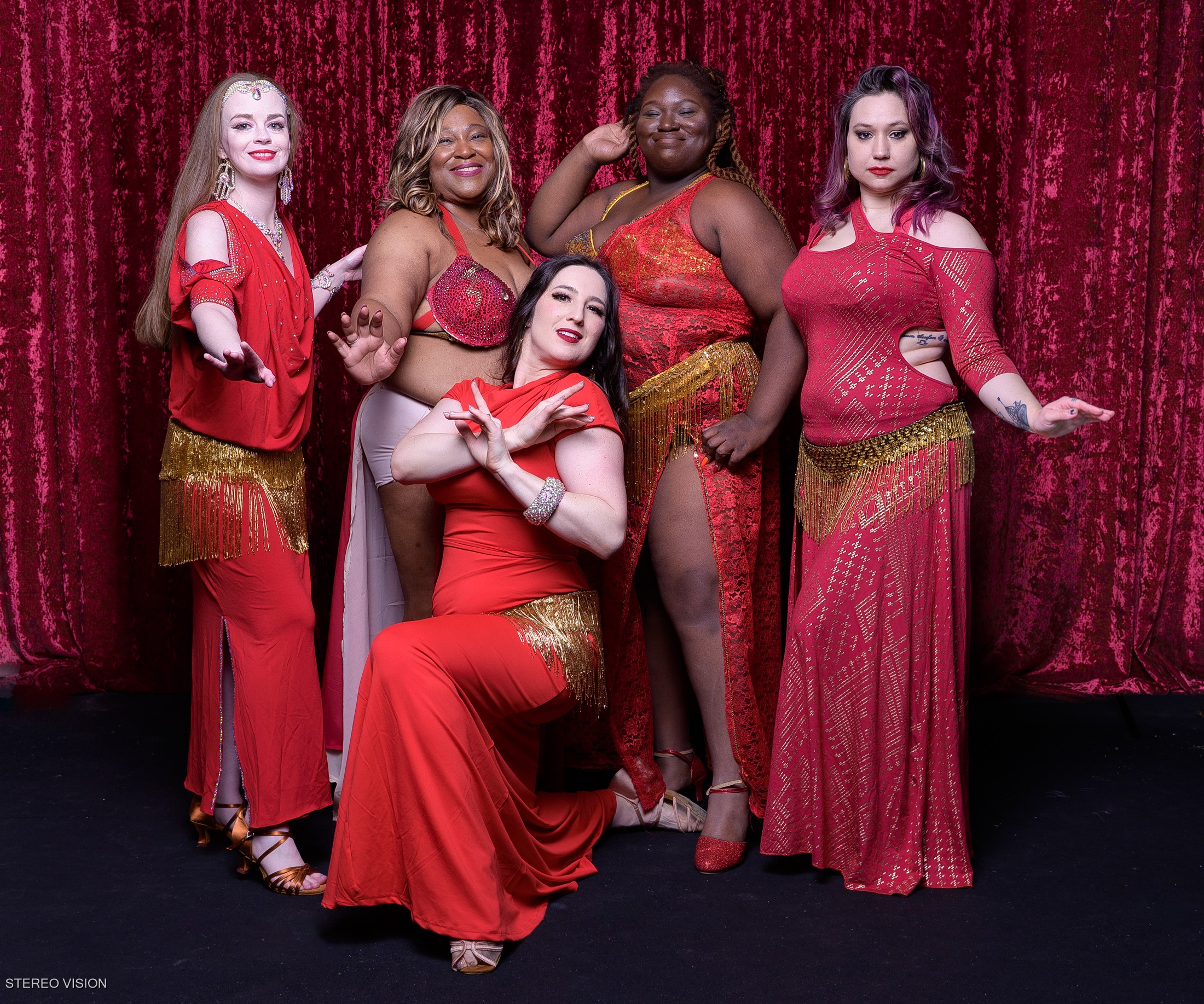
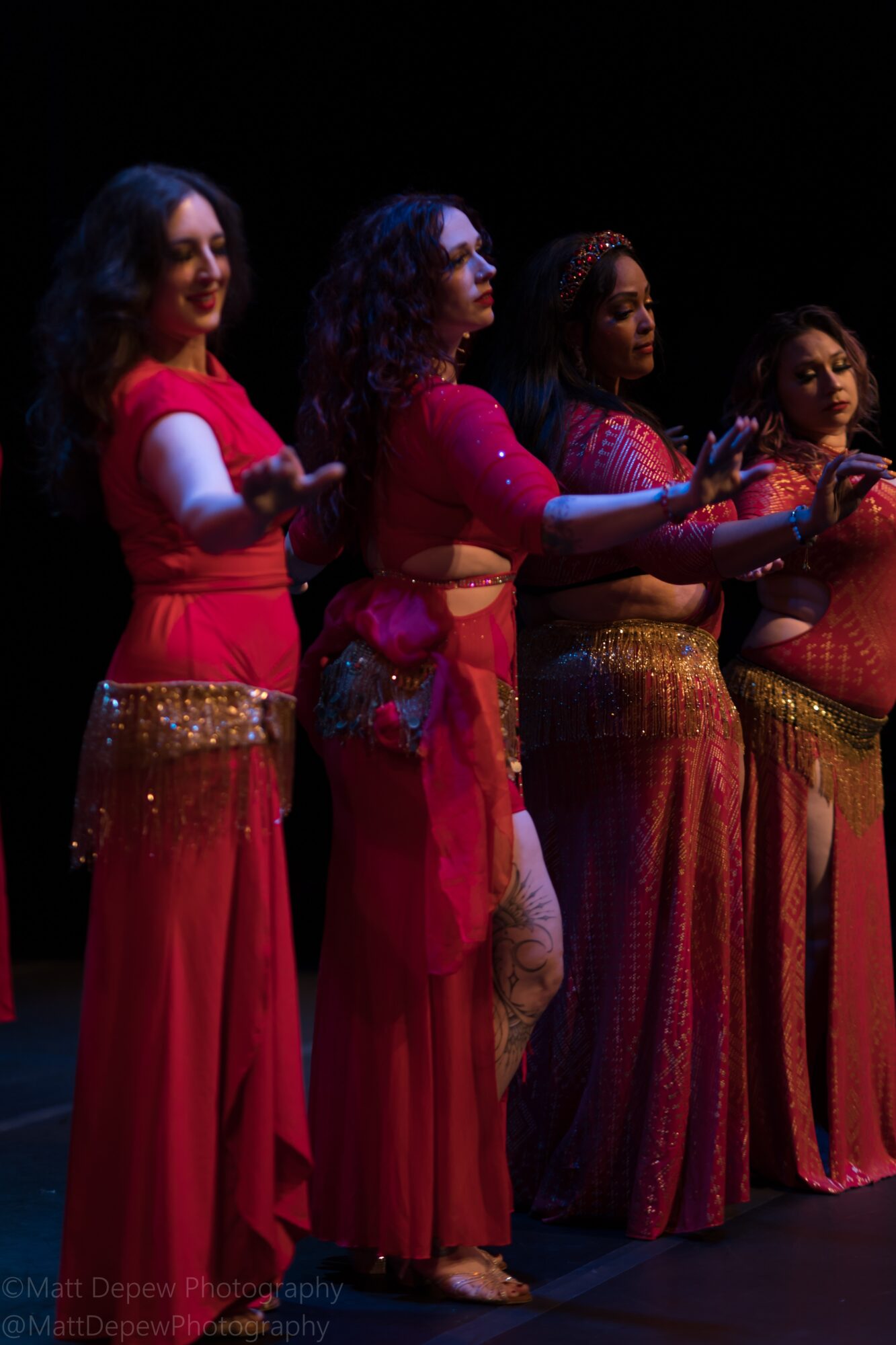
I’ve now been teaching for about a decade, and my career has grown to include teaching and performing both locally and nationally, building a wonderful community of students in Columbus, and producing large-scale dance events. One of the things I’m most proud of is the community I’ve been able to build through this dance.
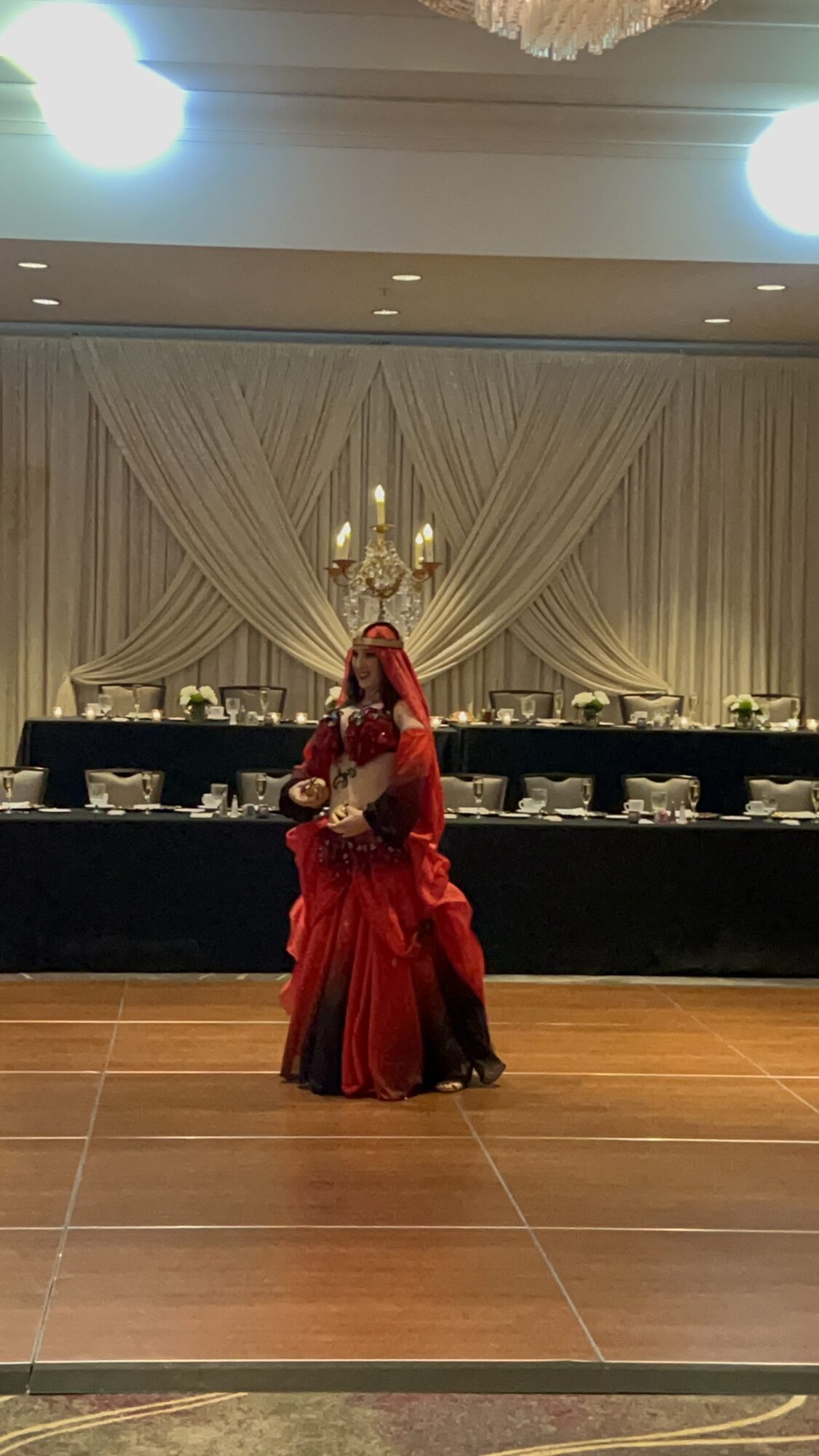
I’m also incredibly honored to be invited into people’s lives for their special celebrations, whether that’s a wedding, a henna night, a birthday party, or another meaningful occasion. Belly dance has given me so many opportunities to connect with people, and I feel lucky that I get to share something that has meant so much to me with others.
Alright, so let’s dig a little deeper into the story – has it been an easy path overall and if not, what were the challenges you’ve had to overcome?
I think the biggest challenge has been learning how to navigate an art form that is so often misunderstood. Belly dance is a cultural art, and as an artist in this field, I feel a responsibility to keep researching, learning, and growing. I will always consider myself a student of this dance. The more I learn, the deeper my love for it becomes, and the better equipped I am to advocate for the people and regions represented in the styles I perform.
There is a lot of misinformation about belly dance, often rooted in stereotypes about both the dance itself and the cultures it comes from. Sometimes, part of my job as a teacher, educator, and performer is to help correct those misconceptions. That means being willing to have conversations, continuing to question what I think I know, and recognizing that learning is an ongoing process.
Another challenge has been learning to be intentional about where I perform. As performers, it’s easy to want to be on every stage and accept every opportunity for visibility. But I’ve learned that not every space is the right space for this dance. I’m increasingly selective about where I’m willing to perform because I want this art form to be respected and appreciated in the context it deserves. I think being thoughtful about where and how we share belly dance is part of how we challenge the stereotypes surrounding it.
I also believe my responsibility extends beyond my own work. I want to uplift fellow teachers who are doing exceptional work in this field, and, especially, to make space for and amplify the voices of people native to the cultures this dance comes from. I don’t necessarily see that as a struggle, but I do see it as essential work. I care about the health and growth of this entire industry, not just my own career, and I take seriously my responsibility to help it grow in a way that is respectful, informed, and sustainable.
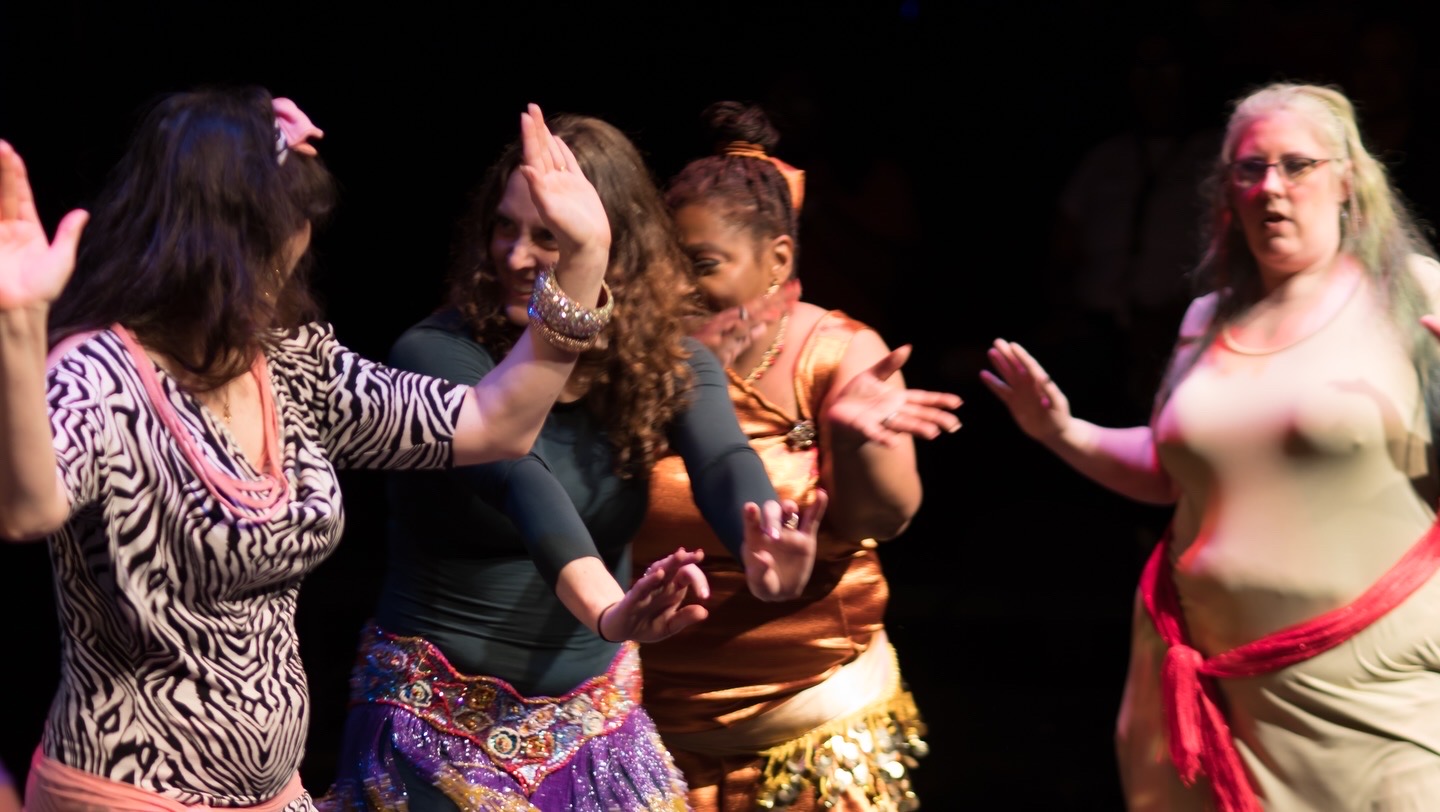
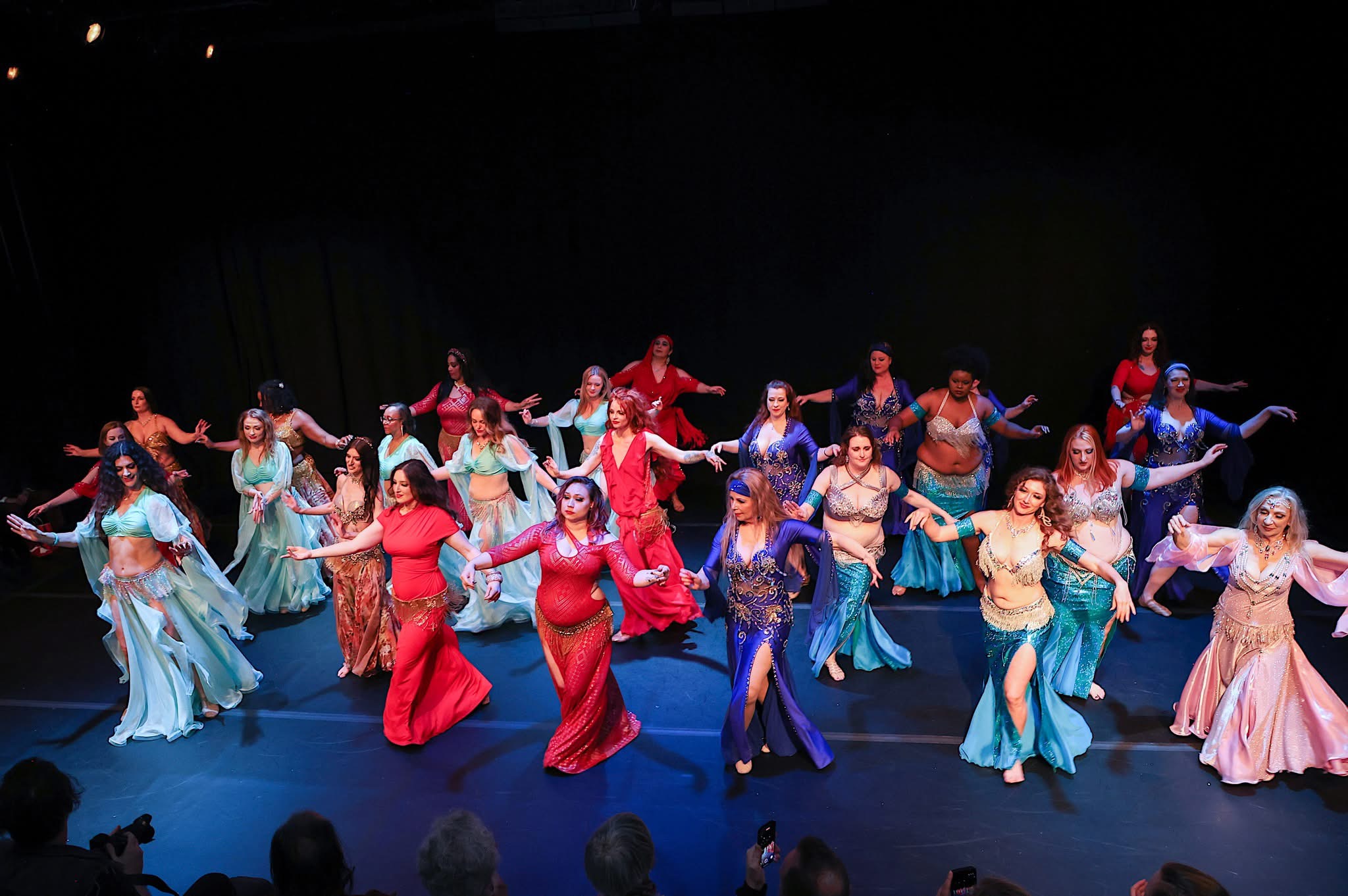
Some of my most meaningful experiences have been the ones where the boundaries between performer and audience disappear and we’re all dancing together. People often think of belly dance as one person performing on a stage, but so much of this dance is about people coming together, sharing space, and enjoying movement as a community. That collective experience is something I want to preserve and pass on to my students.
As a teacher, that means reminding myself that I have just as much to learn as I have to teach. I want my students to become confident dancers who can think critically, ask questions, and make informed artistic decisions. The road hasn’t necessarily been smooth, but continuing to learn has made me fall more deeply in love with this art form. I think that’s one of the most rewarding parts of the journey.
As you know, we’re big fans of you and your work. For our readers who might not be as familiar what can you tell them about what you do?
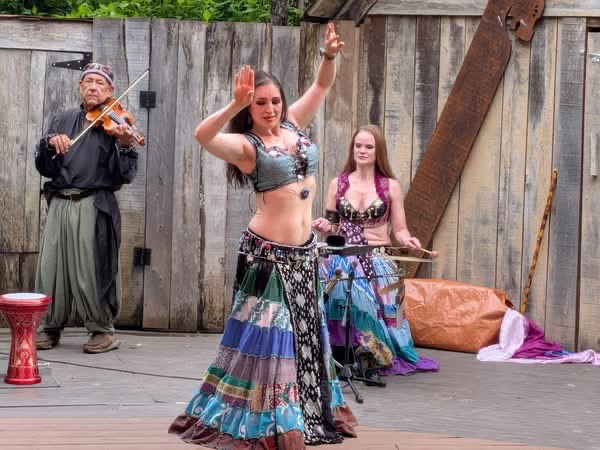
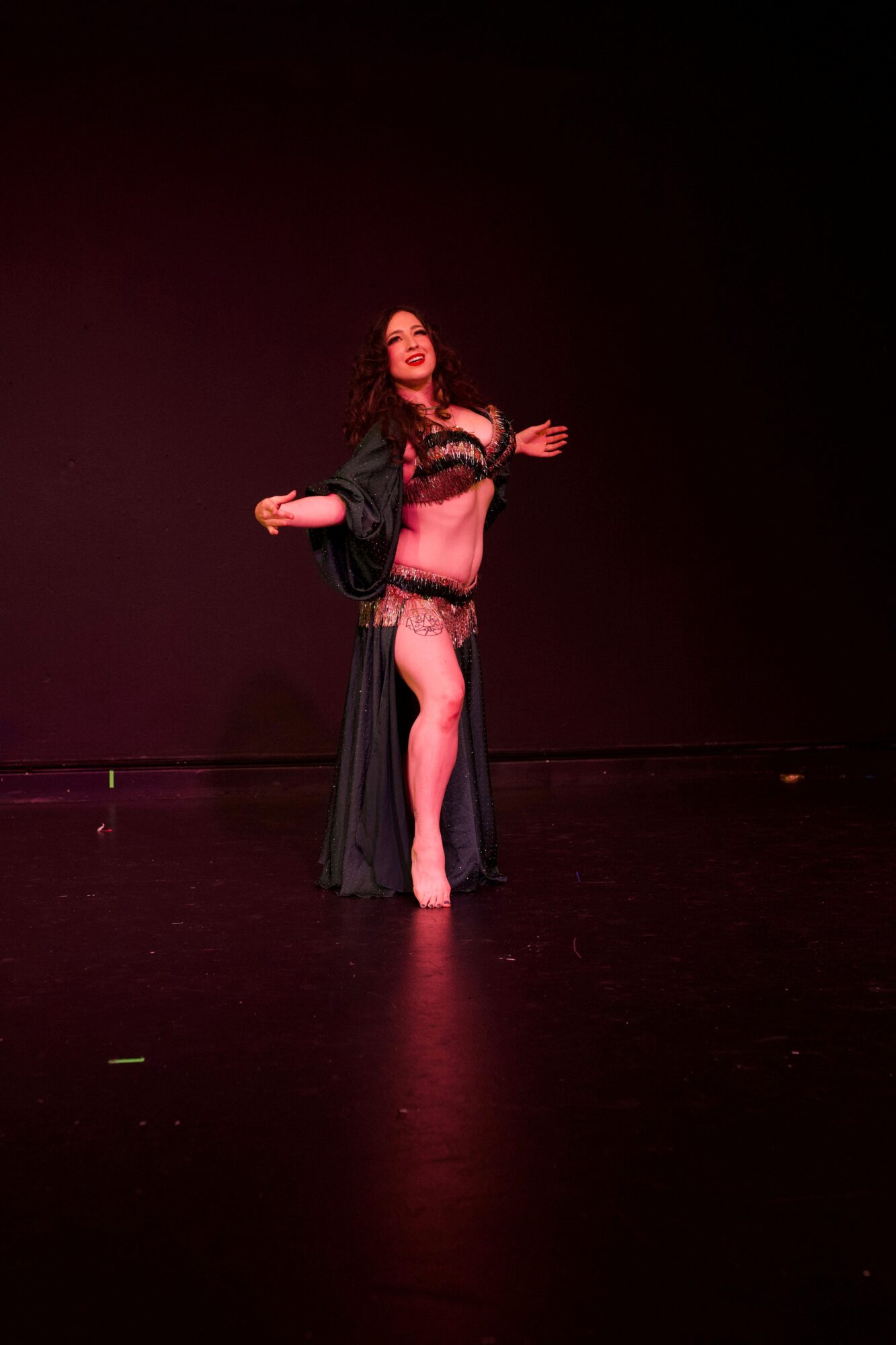
I’m a belly dancer, also known as a raqs sharqi dancer, and performing is a big part of who I am as an artist. If I had to describe my style, I sometimes joke that it’s just “Athena style” because it’s a reflection of how I personally connect with the music. People have described my dancing as joyful, deeply connected to the music, and a little old school. I have a particular love for classical Arabic music, and that love really informs how I approach my work.
What I’m most proud of as a performer is my ability to improvise and be fully present in the moment. I work primarily through improvisation, which means I’m constantly listening, interpreting, and responding to the music as it unfolds. For me, dancing isn’t just about executing movements. It’s about translating what I’m hearing and feeling into something the audience can experience alongside me.
I believe there’s a really special relationship between a performer and an audience. It’s important to me to love my audience so much that, for a little while, they can forget about everything else happening in their lives and simply be present with me in that moment. I want us to experience something together, even if it’s just for the length of a song. That ability to create a genuine connection through improvisation is one of the things I value most about performing.
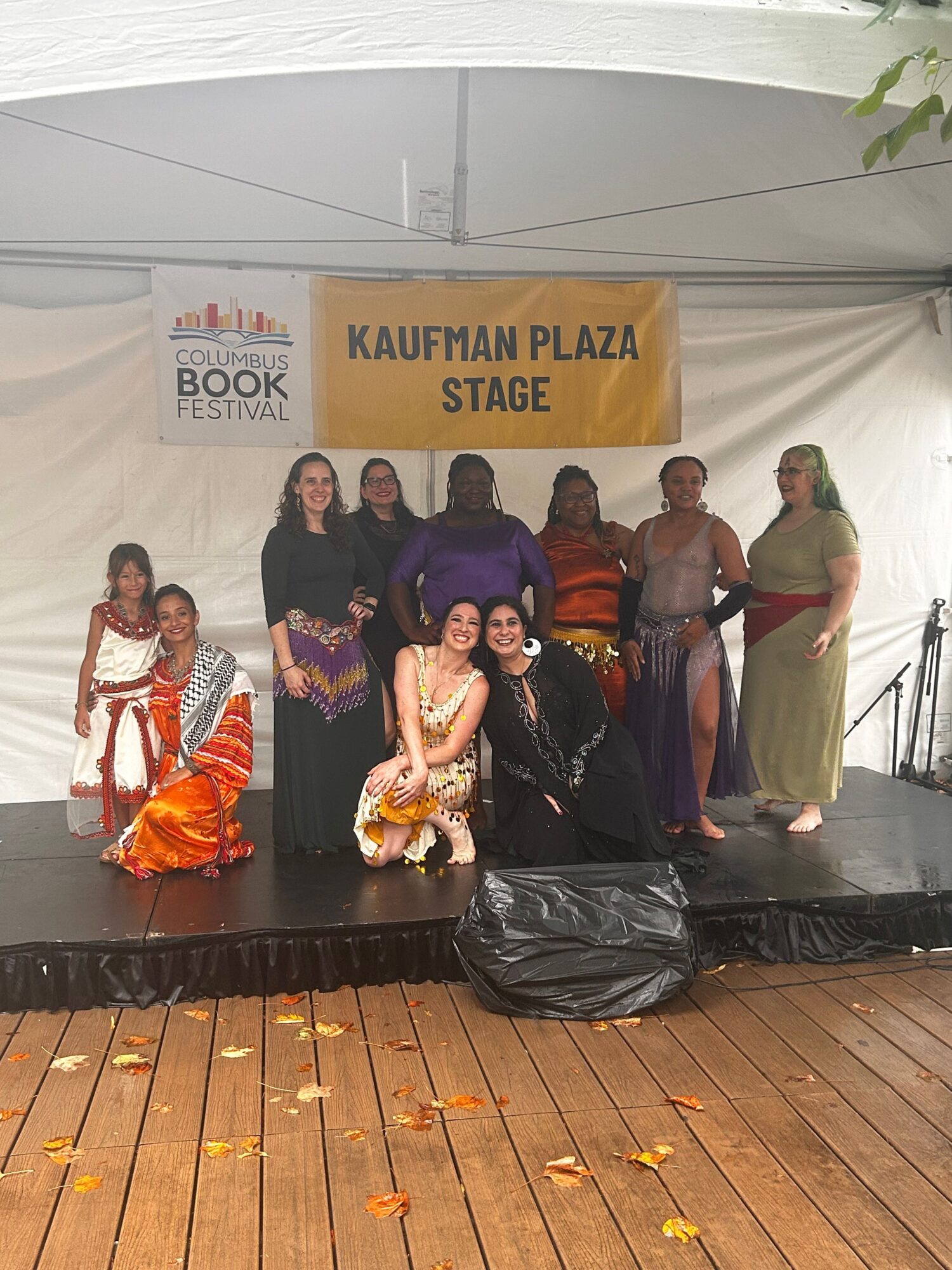
My work as a teacher and event producer has grown out of that same love for the dance and the people who make up this community. I’ve spent about a decade teaching in Columbus, Ohio, building a community of students, and producing events that bring dancers together. I love creating spaces where people can share what they’ve worked on, learn from one another, celebrate each other’s artistry, and experience the joy of making something together.
Ultimately, I think what drives me is the love of my community and the creation of those shared moments. Whether I’m performing, teaching, or producing an event, I’m interested in what happens when people come together through this dance. I want to create experiences that bring us closer to one another, deepen our connection to the music, and honor the cultural traditions that make belly dance so special.
What sort of changes are you expecting over the next 5-10 years?
I think there are some really exciting shifts happening in belly dance, and one of the things I’m most excited about is the growing emphasis on centering native voices and developing a deeper understanding of the cultures this dance comes from. Belly dance has roots across the Middle East and beyond, and I think it’s important that, as practitioners, we continue to learn about the people, histories, music, and cultural contexts that shape the dance. To me, you can’t separate the dance from the people who created and continue to sustain it. When we take the movements but lose the cultural context, we lose something essential. I’m excited to see more dancers embracing that connection and developing a genuine love and respect for the cultures they’re engaging with.
I also think the dance floor has the potential to be a really powerful place for connection. We live in a world where people can feel increasingly isolated, and dance gives us an opportunity to come together, share space, and learn from one another. I hope we continue to build communities where cultural exchange is thoughtful and reciprocal, where native voices are valued, and where people can grow together through a shared love of this art form.
Another shift I’m excited about is the movement toward greater authenticity in performance. For a while, it felt like there was a real emphasis on standardization, as though there were one correct way to dance or one ideal performer to aspire to become. I’m excited to see more artists focusing on developing their craft so they can become more fully themselves onstage. Technical growth is important, but I don’t think artistry is about everyone mastering the same tricks or achieving the same physical feats. I want to see dancers going deeper: understanding their music, studying the regions and cultures they’re representing, developing their musicality, and learning how to communicate something meaningful to an audience.
I also hope we continue to raise the bar for ourselves as an industry. To me, that doesn’t necessarily mean doing more difficult movements. It means approaching the dance with greater curiosity, intention, and care. It’s about doing the work to become a stronger artist, learning to listen to the music more deeply, and cultivating a genuine connection with yourself, your audience, and the moment you’re sharing.
Ultimately, I hope the next five to ten years bring us an industry that is more culturally informed, more artistically ambitious, and more connected to the people who make this dance what it is. Those are values I try to bring to my work as a performer, teacher, and producer, and I’d love to see them continue to grow throughout our community.
Pricing:
- My recreation center classes are 40-45 dollars a session
- Workshops tend to be around 40-40
- Event pricing is custom
Contact Info:
- Website: https://www.athenashimmy.com
- Instagram: https://www.instagram.com/athenashimmy
- Facebook: https://www.facebook.com/share/19UKpZ4kW7/
- Youtube: https://youtube.com/@athenashimmy5224
Popular
-

The Change-Makers: stories that inspire
-

Hidden Gems: Local Businesses & Creatives You Should Know
-

Portraits of Ohio
-

Take Flight: Lamar Thomas on Building an Inclusive Brand Rooted in Youth, Community, and Purpose
-

Cultivating Inner Clarity: Angel Inspires on Thought, Healing, and Purpose
-

Local Highlighter Series