



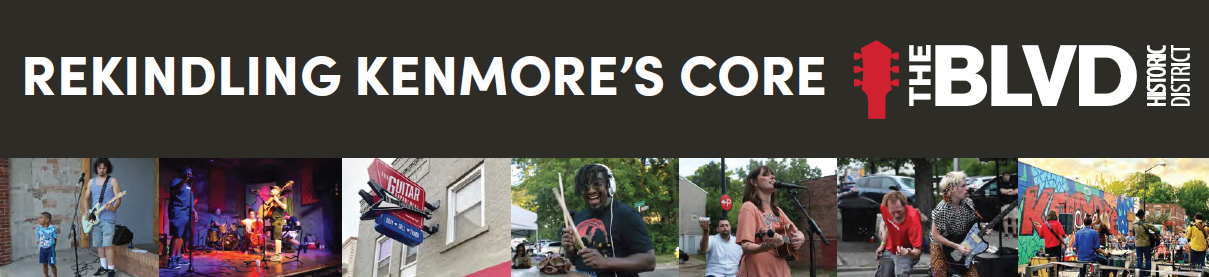
Today we’d like to introduce you to Better Kenmore CDC.
Hi Better Kenmore CDC, can you start by introducing yourself? We’d love to learn more about how you got to where you are today?
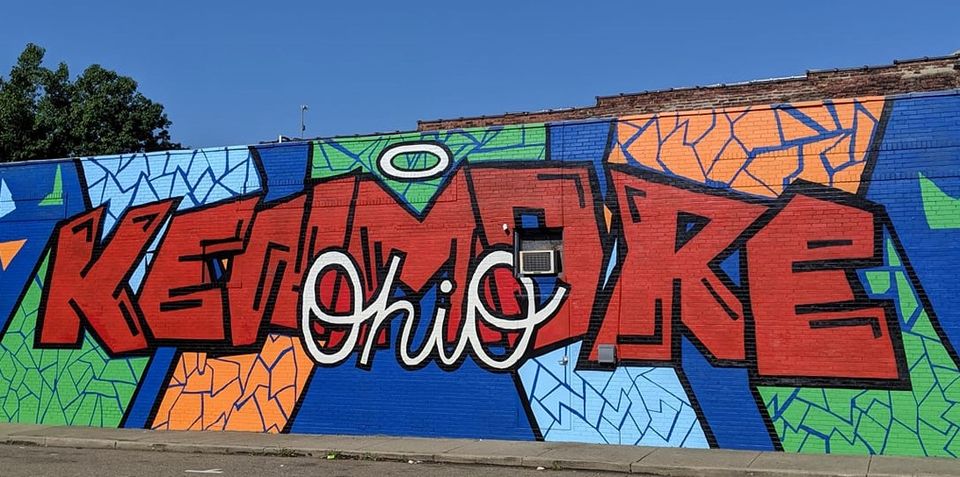
Kenmore has always been a neighborhood with a strong sense of identity. Located on Akron’s southwest side, it has a history rooted in independent businesses, hardworking residents, and a commercial district that once served as the center of everyday neighborhood life. Like many older urban neighborhoods, Kenmore has experienced its share of change, but one thing has remained constant: the people who believe in its potential.
Better Kenmore Community Development Corporation was founded in 2016 by residents, business owners, and community leaders who recognized that Kenmore had assets worth building on and opportunities that deserved greater attention. They understood that revitalization wouldn’t happen through any single project or organization. It would take people working together to reinvest in the neighborhood, celebrate its identity, and create new possibilities.
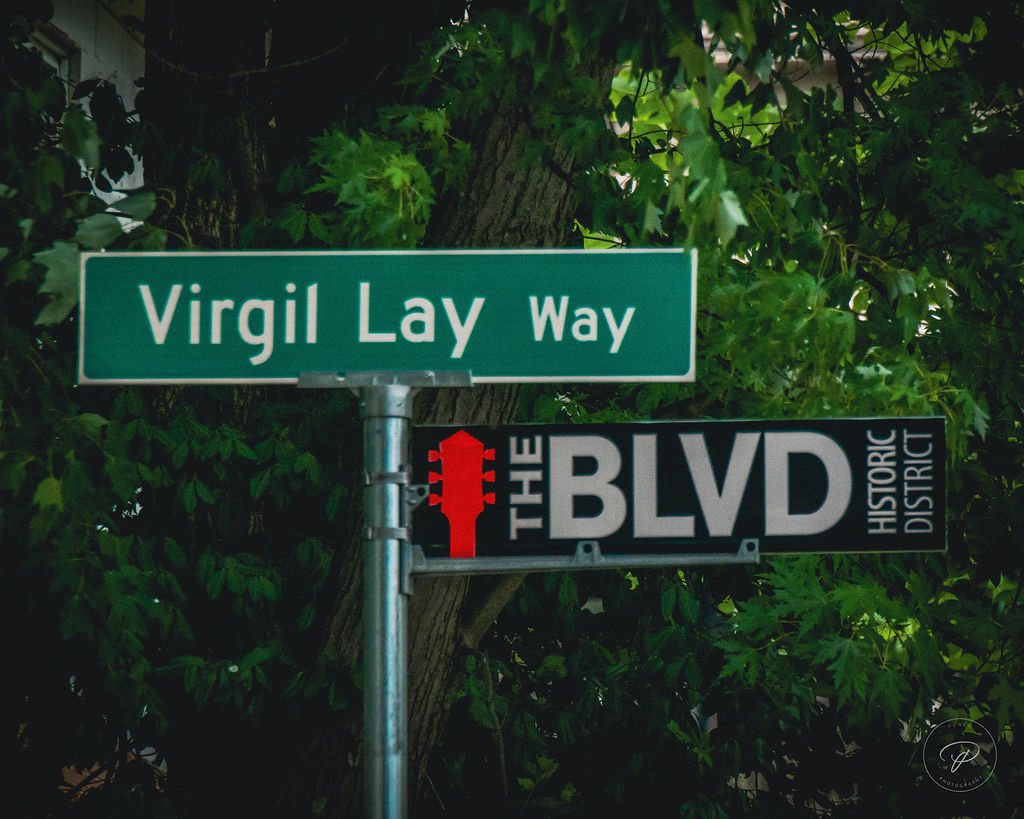
One of Kenmore’s most distinctive assets is its concentration of music-related businesses. Unlike a district created around a marketing concept, Kenmore’s identity grew organically from the businesses and creative people who were already here. One of those pioneers was Virgil Lay, a musician and master craftsman who opened a guitar repair business on Kenmore Boulevard in the 1960s. His reputation for repairing and customizing instruments attracted musicians from across the country, including some of rock music’s biggest names, including Joe Walsh, Jack Bruce, and Jimmy Page of Led Zeppelin. He also founded SIT Strings, a guitar string manufacturing company that grew from its Kenmore beginnings into an internationally recognized brand. His legacy continues today through Lay’s Guitar Shop and The Loft at Lay’s. What began as one man’s passion for music and craftsmanship helped put Kenmore on the map for musicians far beyond Akron. Virgil’s story is a reminder that a neighborhood’s identity is often shaped by the people who choose to build something there. Long before anyone was talking about creative placemaking or arts districts, he was demonstrating how an independent business could attract people, develop a reputation, and create something with lasting significance.
Today, that creative legacy continues to grow, with established music venues and emerging creative enterprises contributing to Kenmore’s evolving identity.
The Rialto Theatre has become an important part of the neighborhood’s cultural landscape, providing a place for live performances and bringing audiences to Kenmore Boulevard. The Rookery Creative Collective, led by Tansy Recycling, represents another dimension of the district’s evolving identity, demonstrating how creative entrepreneurs can bring fresh energy and opportunity to existing neighborhood spaces.
And we’re looking ahead to the arrival of Miller South School for the Visual and Performing Arts and Pfeiffer Elementary School on the former Kenmore High School site. For generations, the high school was an important part of neighborhood life, and its closure and eventual demolition left a significant void. Now, that same site represents an opportunity to connect young people, arts education, local creatives, and the broader community. The potential for those connections is especially meaningful in a neighborhood where creativity has been part of its identity for decades.
These aren’t isolated developments. Together, they reflect the kind of creative ecosystem we believe can help shape Kenmore’s future.
Over the past decade, Better Kenmore has worked to support that environment through arts and cultural programming, business district revitalization, creative placemaking, and partnerships that bring people and investment into the neighborhood.
Our events have helped introduce new audiences to Kenmore Boulevard, creating opportunities for people to experience local music, art, businesses, and community life. But the events are about more than one evening of activity. They’re an invitation to discover what’s here and, hopefully, a reason to return.
As we celebrate our 10th anniversary, we’re also expanding how we think about our role.
One example is our work to renovate an underutilized commercial property that will provide space for business activity on the ground floor and two apartments above. It’s a relatively small project in the larger context of neighborhood development, but it demonstrates how reinvesting in existing buildings can create new opportunities while preserving the character of the district.
We’re increasingly focused on serving as both a connector and a catalyst: bringing people and resources together, attracting and leveraging investment, and helping turn promising ideas and underutilized spaces into something that creates lasting value.
Having grown up in Kenmore and now helping lead the organization, I’ve had the opportunity to see the neighborhood from different perspectives. One thing that has stood out to me is how often people who haven’t spent time here are surprised by what they discover. They may have heard of Kenmore, but they don’t necessarily know about the independent businesses, creative entrepreneurs, or the investment taking place.
That’s part of why telling Kenmore’s story matters.
We want people to see the neighborhood for what it is today, not simply what they remember or what they may have heard about it years ago.
Our vision isn’t to turn Kenmore into somewhere else. It’s to build on what makes it distinctive and create the conditions for more businesses, creative ideas, and neighborhood investment to succeed.
And we want more people to be part of that story.
I’m sure it wasn’t obstacle-free, but would you say the journey has been fairly smooth so far?
Neighborhood revitalization is rarely a straight line, and Kenmore’s experience has certainly reflected that.
One of our biggest challenges is that the need for investment often far exceeds the resources available to make it happen. Vacant storefronts, aging buildings, and the financial realities of redeveloping older commercial properties can make even promising projects difficult to move forward. In neighborhoods like Kenmore, the cost of bringing a property back to productive use can sometimes exceed its market value, creating barriers for property owners, entrepreneurs, and potential investors.
There’s also the challenge of perception. When a neighborhood has experienced decades of disinvestment, it’s easy for the conversation to focus on what’s missing rather than what’s possible. And when someone hasn’t visited in years, their impression of Kenmore may be based on what it looked like a decade ago rather than what’s happening today.
Changing that narrative takes more than a successful event or a renovated building. It requires visible progress, consistent investment, and people willing to see the neighborhood’s potential and become part of its future.
One of the things I’ve learned over the past three years is that having a good idea and having the conditions necessary for that idea to succeed are two very different things. There are talented entrepreneurs, creative people, and property owners who see opportunity in Kenmore, but turning that potential into something tangible often requires the right combination of resources, relationships, timing, and investment.
We’ve also learned that progress doesn’t always look the way we originally imagined.
The Rookery Creative Collective is a good example. Tansy Recycling had already been participating in neighborhood events, building relationships, and contributing to Kenmore’s creative community. Through those connections and our relationships with local property owners, an opportunity emerged to bring a creative collective into a previously vacant storefront.
It’s the kind of outcome that demonstrates why the work behind the scenes matters. Not every opportunity begins with a formal development proposal or a major financial investment. Sometimes it begins with a conversation, a relationship, or someone recognizing the potential in a space that others have overlooked.
As a small organization, we also have to be realistic about our capacity. There are many worthwhile ideas and legitimate needs throughout the neighborhood, but we can’t take on every project or solve every problem. We’ve become more intentional about identifying where Better Kenmore can have the greatest impact, where we can help attract resources, and where partnerships can move something forward.
That has also meant learning to measure progress differently. Community development is often judged by highly visible outcomes, such as new construction, major announcements, or the number of businesses opening. Those things matter, but they don’t tell the whole story. The relationships, planning, problem-solving, and coordination that make those outcomes possible can take months or even years, and much of that work happens out of public view.
Another challenge is balancing immediate needs with long-term opportunities. There’s understandable pressure to address what’s visible today, whether that’s a vacant building, an underused property, or a struggling commercial corridor. At the same time, we have to be looking ahead and asking what investments and partnerships will position Kenmore for the future. The planned arrival of Miller South School for the Visual and Performing Arts and Pfeiffer Elementary is a good example. While the new schools represent a significant investment, the broader opportunity is in how we connect that investment to the surrounding neighborhood, its businesses, and its creative identity. Making those connections meaningful requires thinking beyond any one project.
These experiences have helped clarify our purpose.
We’re not trying to be the organization that does everything. We’re working to create the conditions that make more things possible.
Sometimes that means helping a creative entrepreneur find space. Sometimes it means assembling resources for a redevelopment project. Other times it means bringing people together around an opportunity that no one organization could pursue alone.
Success isn’t always a ribbon cutting or a major announcement. Sometimes it’s a vacant storefront becoming active again, a small business finding a new audience, or a property owner deciding that now is the time to reinvest.
Those individual decisions may seem small on their own, but collectively they begin to change the trajectory of a neighborhood. And that’s how lasting momentum is built.
If you had to, what characteristic of yours would you give the most credit to?
We believe the most important qualities in community development are persistence, adaptability, creativity, and the ability to recognize potential where others may not immediately see it.
Persistence matters because meaningful neighborhood change takes time. There are setbacks, competing priorities, and plenty of moments when the easiest thing would be to move on to something else. You have to believe in the long-term value of the work while remaining realistic about what it takes to get there.
Adaptability is just as important. Communities aren’t static, and neither are their needs. What made sense for Better Kenmore when the organization was founded 10 years ago may not be the best use of our resources today. We’ve had to become more intentional about our role and willing to rethink approaches that aren’t producing the results we hoped for.
Creativity is another defining quality, and not just because of Kenmore’s arts and music identity. Community development requires creative problem-solving. It means finding possibilities in vacant buildings, connecting people who might not otherwise work together, and figuring out how limited resources can help unlock larger opportunities.
We also believe that being a good connector is every bit as valuable as being the organization that leads a project. Sometimes our greatest contribution is recognizing an opportunity, bringing the right partners to the table, and helping an idea move forward.
What sets Kenmore apart is that its creative identity is authentic. The music businesses, artists, entrepreneurs, and longtime neighborhood institutions aren’t simply part of a revitalization strategy. They’re part of the neighborhood’s story. Our job is to help create an environment where they can continue to contribute to its future.
And that’s ultimately what we want people to understand about supporting local businesses and creatives.
When you visit an independent shop, attend a neighborhood event, purchase something from a local maker, or recommend a small business to a friend, you’re doing more than making a transaction. You’re helping sustain the people and places that give a neighborhood its identity.
We want people to come to Kenmore Boulevard, discover something they didn’t know was here, meet the people behind the businesses, and see the possibilities we see.
You don’t have to live in Kenmore to be part of its next chapter. You just have to be willing to discover it, support it, and help spread the word.
Pricing:
- https://www.betterkenmore.org/get-involved/donate/
Contact Info:
- Website: https://www.betterkenmore.org
- Instagram: https://www.instagram.com/kenmoreohio/
- Facebook: https://www.facebook.com/BetterKenmore/
Popular
-

The Change-Makers: stories that inspire
-

Hidden Gems: Local Businesses & Creatives You Should Know
-

Portraits of Ohio
-
Take Flight: Lamar Thomas on Building an Inclusive Brand Rooted in Youth, Community, and Purpose
-

Cultivating Inner Clarity: Angel Inspires on Thought, Healing, and Purpose
-

Local Highlighter Series