



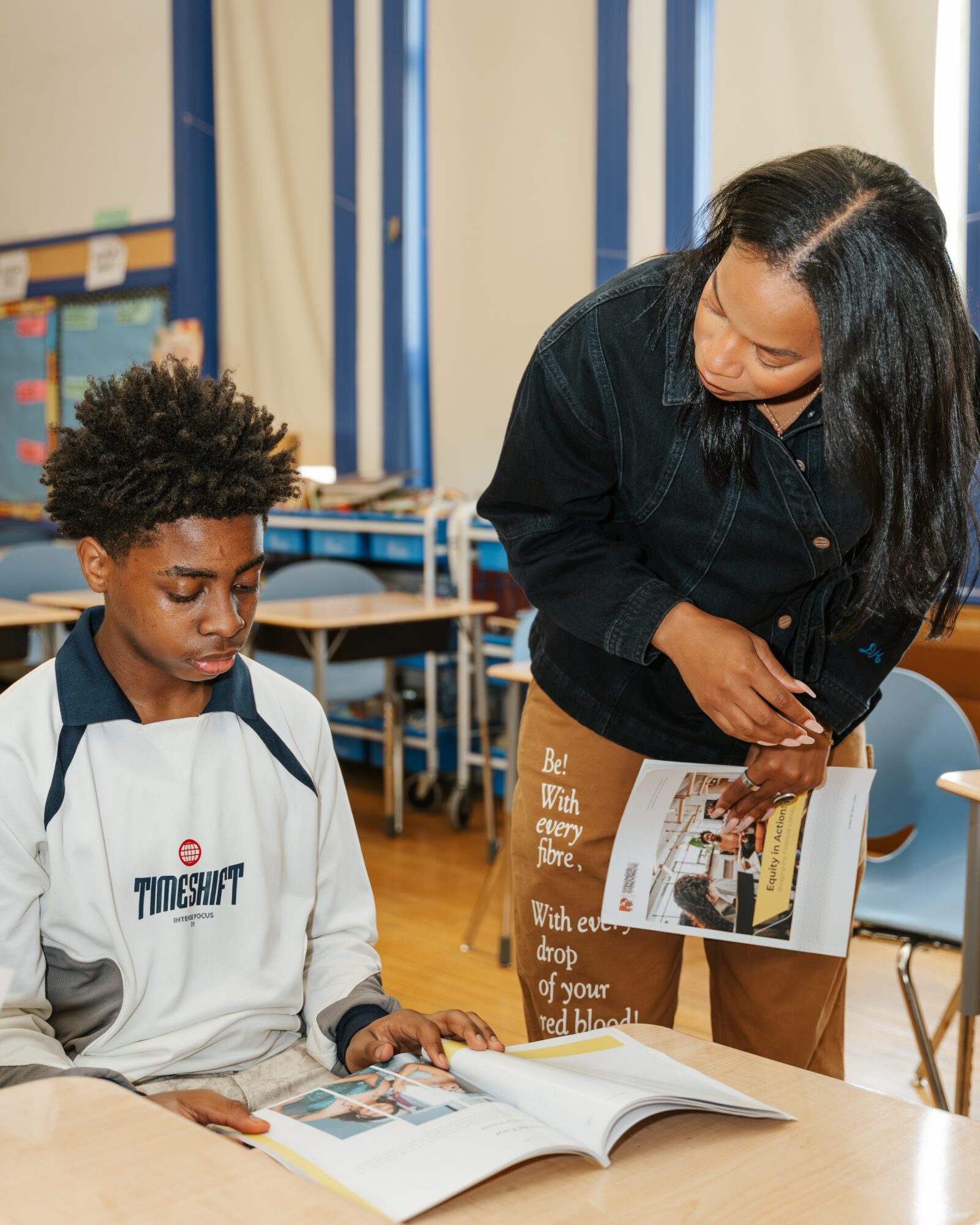
Today we’d like to introduce you to Kyra Jones.
Hi Kyra, thanks for sharing your story with us. To start, maybe you can tell our readers some of your backstory.
I’ve spent more than a decade working inside the financial systems that shape people’s everyday lives—seeing how one financial decision can create opportunity, deepen instability, or change the direction of a family’s future. That perspective shaped my evolution from finance professional to educator, instructional designer, and founder. My experience spans banking and insurance, with expertise in financial reporting, internal controls, operational risk, and financial systems.
I hold a bachelor’s degree in Economics, previously worked as a Licensed Financial Advisor, have served on the Columbus Metropolitan Library Board of Trustees, and now serve as an Adjunct Professor at The Ohio State University, where I teach financial literacy through practical, real-world application.
Working inside financial systems gave me technical expertise, but teaching showed me how to translate that expertise into something people could understand and use. I saw that the problem was not simply a lack of financial information. People needed opportunities to practice making financial decisions, evaluate their options, understand the consequences, and build confidence applying what they learned. That realization became the foundation for Friends of Finance.
As the Founder of Friends of Finance, I develop state-aligned financial literacy curriculum, experiential learning programs, and implementation frameworks for schools, nonprofits, employers, and community organizations. I wanted to create more than individual workshops or one-time presentations. I wanted to build a complete system that organizations could use to deliver practical, consistent, and high-impact financial education.
That vision led me to write Equity in Action, a comprehensive financial literacy textbook, and the Penny Power Playbook, an interactive activity book for younger learners. I have also developed curriculum, classroom experiences, digital learning resources, educator tools, and implementation models that transform financial concepts into informed decision-making. Instead of only teaching participants what a financial term means, our programs ask them to analyze information, make a decision, compare outcomes, and reflect on what they would do differently.
To date, my work has engaged more than 800 students and adults, supported the development of more than 27 educational programs, and produced over 1,100 hours of curriculum and instructional content. I measure success by more than attendance or program completion. I want to know whether participants understand their choices, feel more confident navigating financial systems, and can apply what they learned to decisions involving income, spending, saving, credit, investing, and financial protection.
Can you talk to us a bit about the challenges and lessons you’ve learned along the way. Looking back would you say it’s been easy or smooth in retrospect?
No, the road has not been smooth. The greatest challenge has not been generating ideas—it has been building something strong enough to function beyond me. I have developed Friends of Finance while working full time, teaching, raising two children, and personally financing much of the company’s growth. Behind every completed program is a tremendous amount of work that people may never see: research, standards alignment, curriculum development, presentations, assessments, instructor resources, technology, implementation guides, and outcome reporting. Producing more than 1,100 hours of instructional content required consistent effort long before the revenue reflected the value of what I was building.
I have also had to adjust to the pace of institutional business. Schools, nonprofits, employers, and community organizations operate through budgets, approval processes, academic calendars, and multiple decision-makers. Interest may be genuine while a contract still takes months to materialize. Learning to remain patient during those longer sales cycles—while continuing to carry monthly business expenses and invest in infrastructure—has been one of the most demanding parts of entrepreneurship.
Another challenge has been learning that scaling does not mean doing more by myself. In the beginning, I touched nearly every part of the business because the vision was so specific and personal to me. Eventually, I realized that if Friends of Finance depended on me to create, teach, manage, and approve everything, I had not built a company—I had built another job. I began documenting processes, developing implementation systems, defining team responsibilities, training instructors, and creating opportunities for fellows to contribute meaningfully to the organization.
I have also become more selective about partnerships. Every opportunity is not necessarily aligned, and excitement cannot replace clarity. I have learned to ask more difficult questions about operating costs, ownership, responsibilities, timelines, decision-making authority, and how success will be measured. Walking away from confusion—or slowing down until the structure makes sense—has become an important form of protecting the work.
These challenges have ultimately strengthened both me and the business. They forced me to move beyond creating strong programs and begin building the systems, team, and infrastructure required to deliver those programs consistently. The road has required patience, discipline, financial sacrifice, and a willingness to keep building before the results were visible. However, it has also confirmed that Friends of Finance is not simply an idea I am passionate about; it is an institution I am prepared to build.
Alright, so let’s switch gears a bit and talk business. What should we know?
Friends of Finance builds the infrastructure organizations need to teach financial literacy well. We create state-aligned curriculum, realistic financial simulations, digital learning experiences, educator resources, and implementation systems for schools, nonprofits, employers, and community organizations. Everything we build is designed to be practical, measurable, and strong enough to deliver consistently at scale.
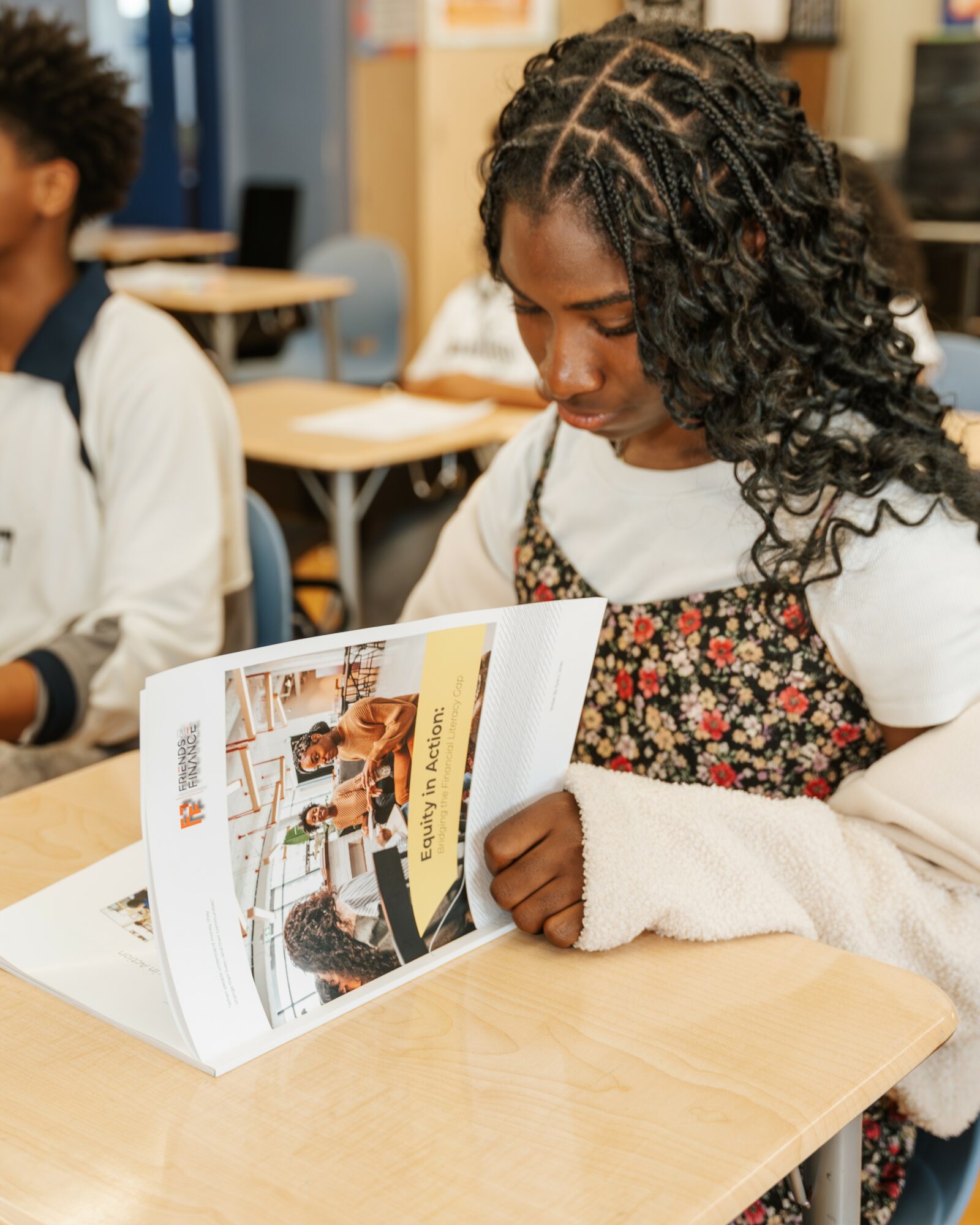
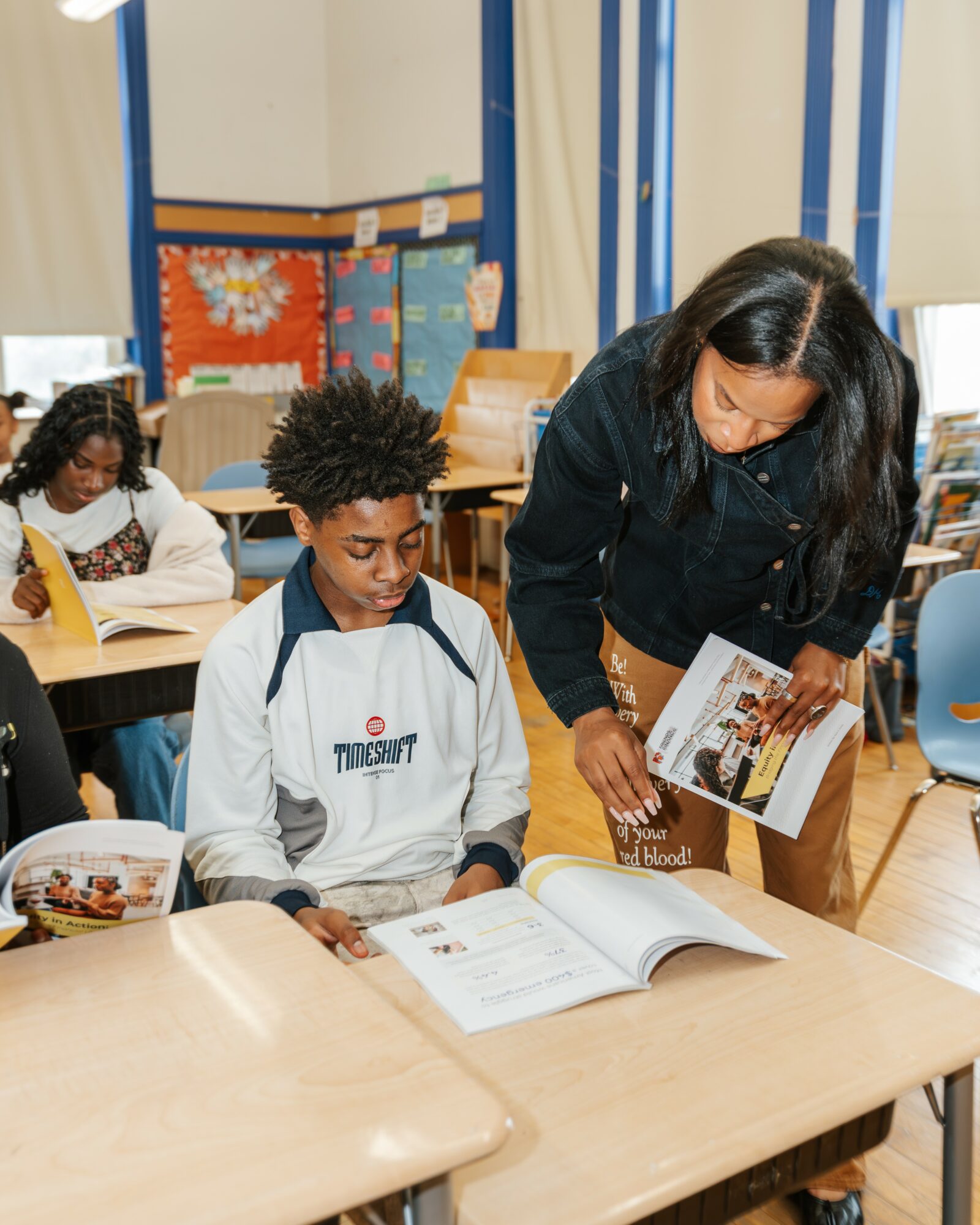
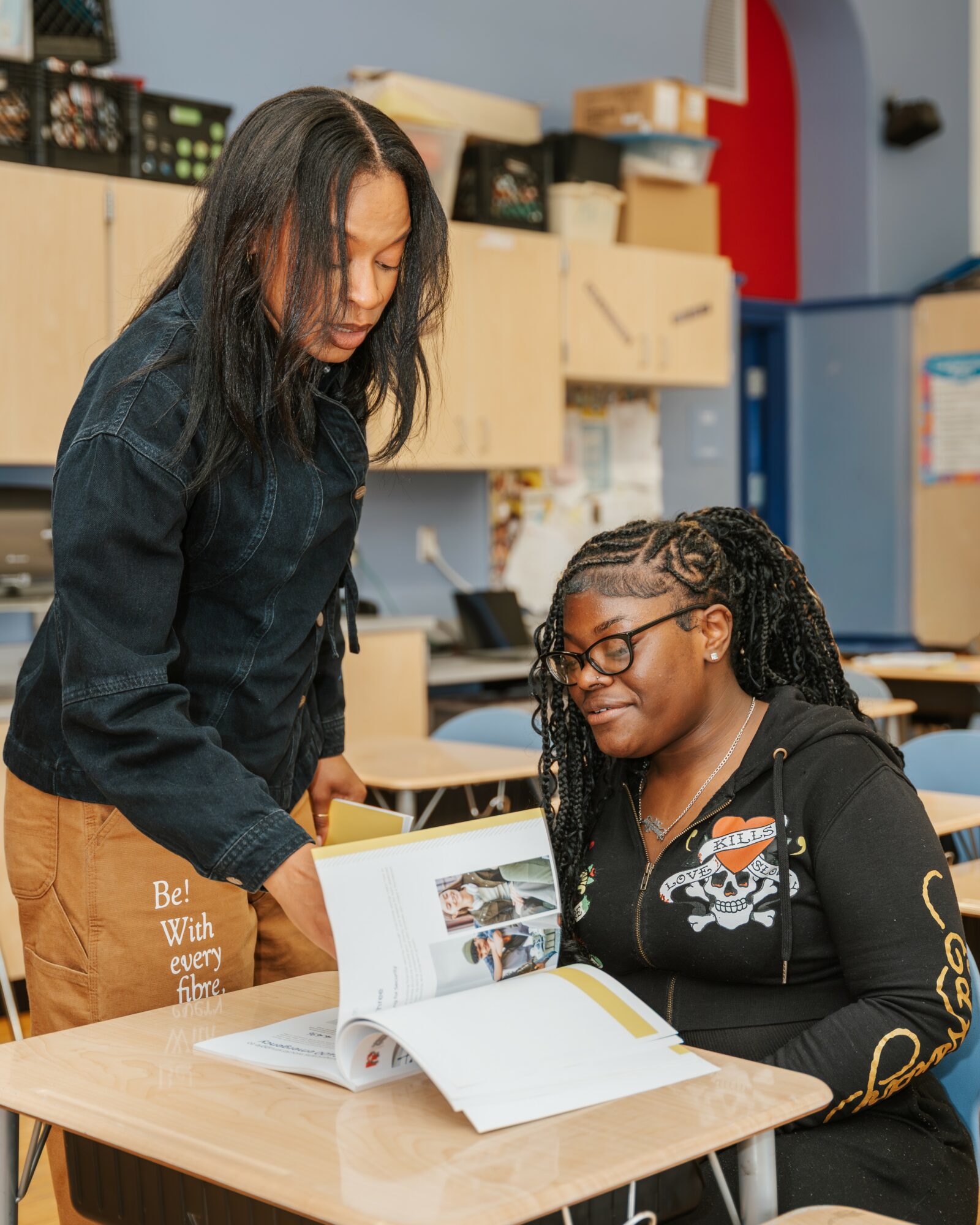
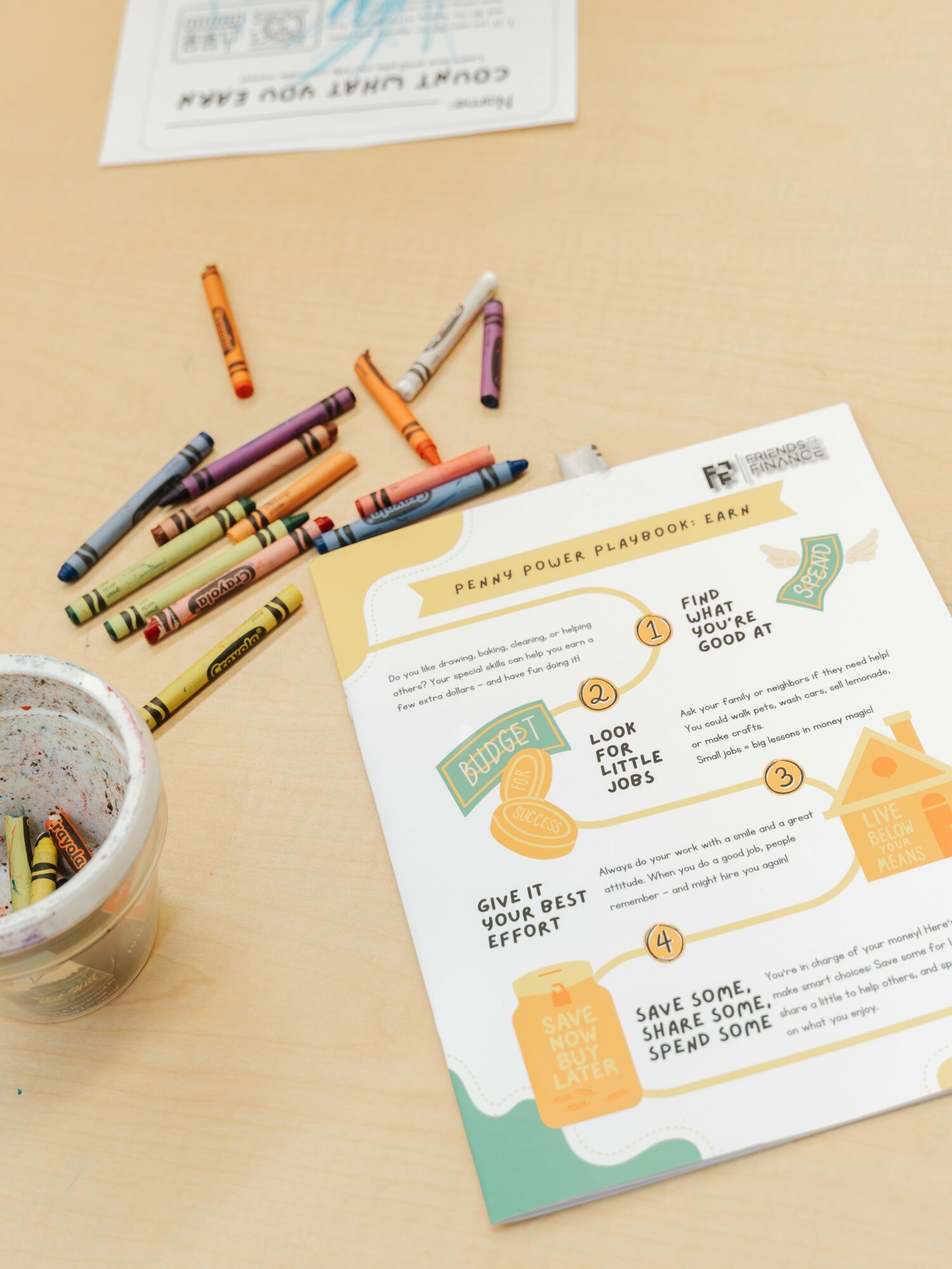
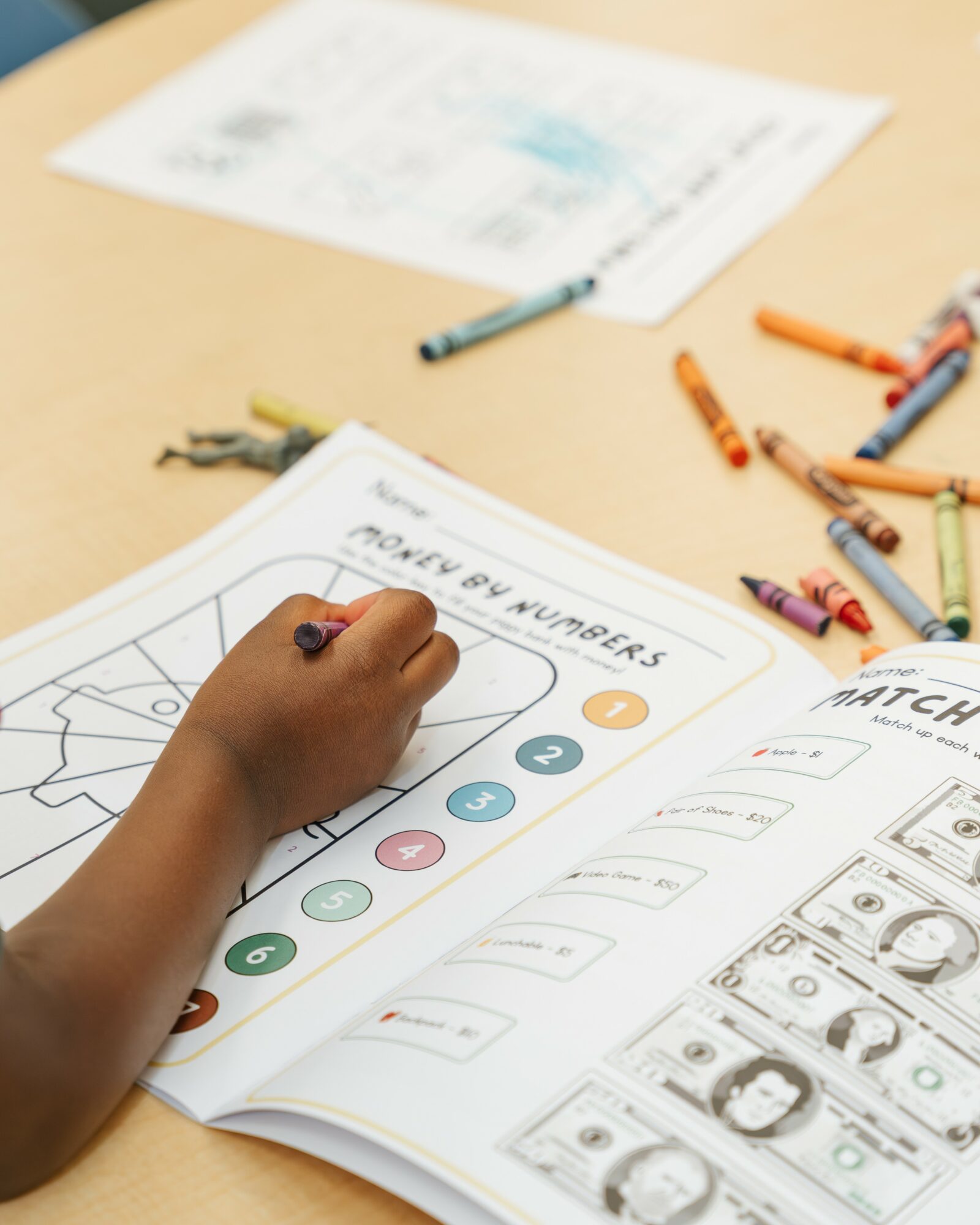
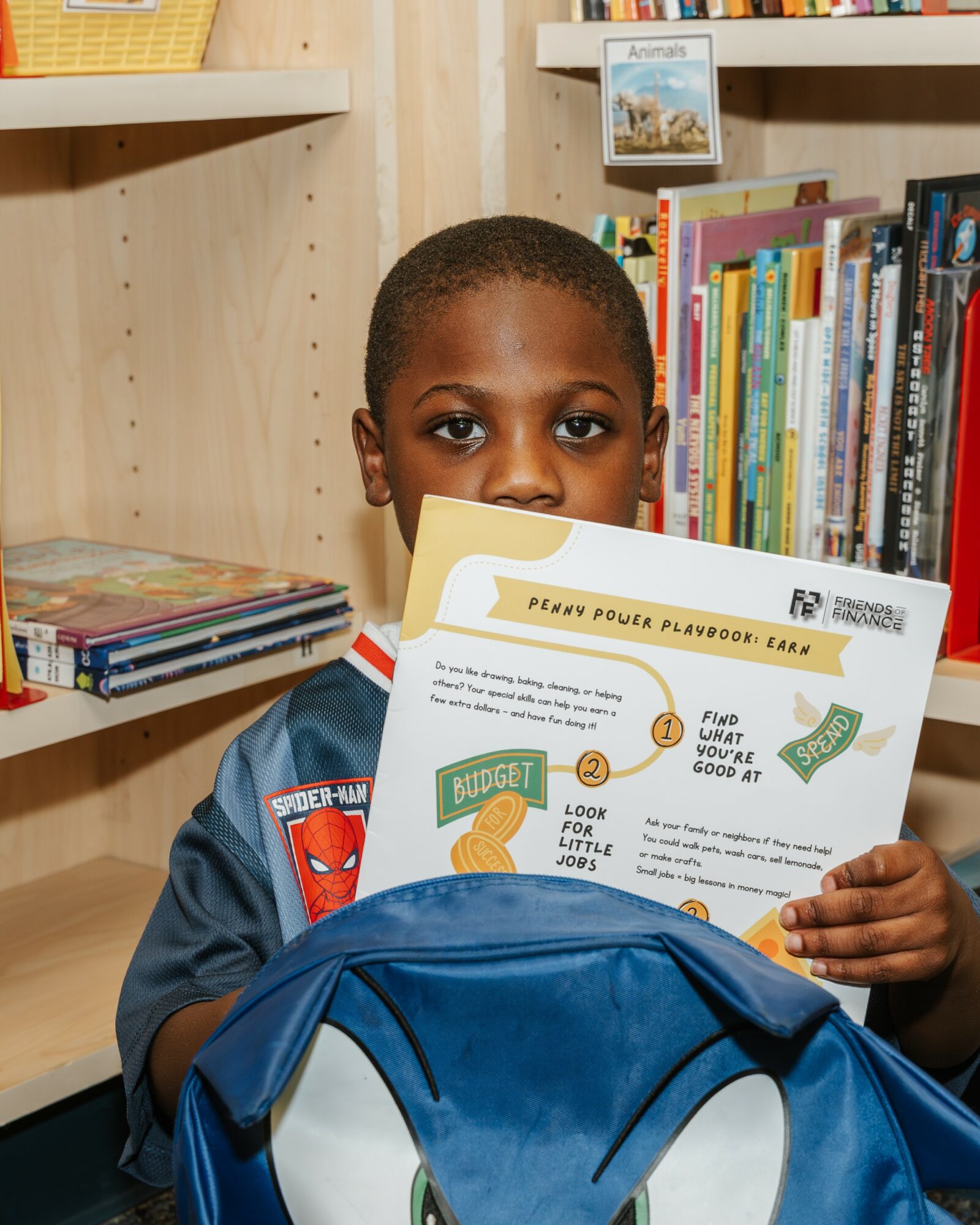
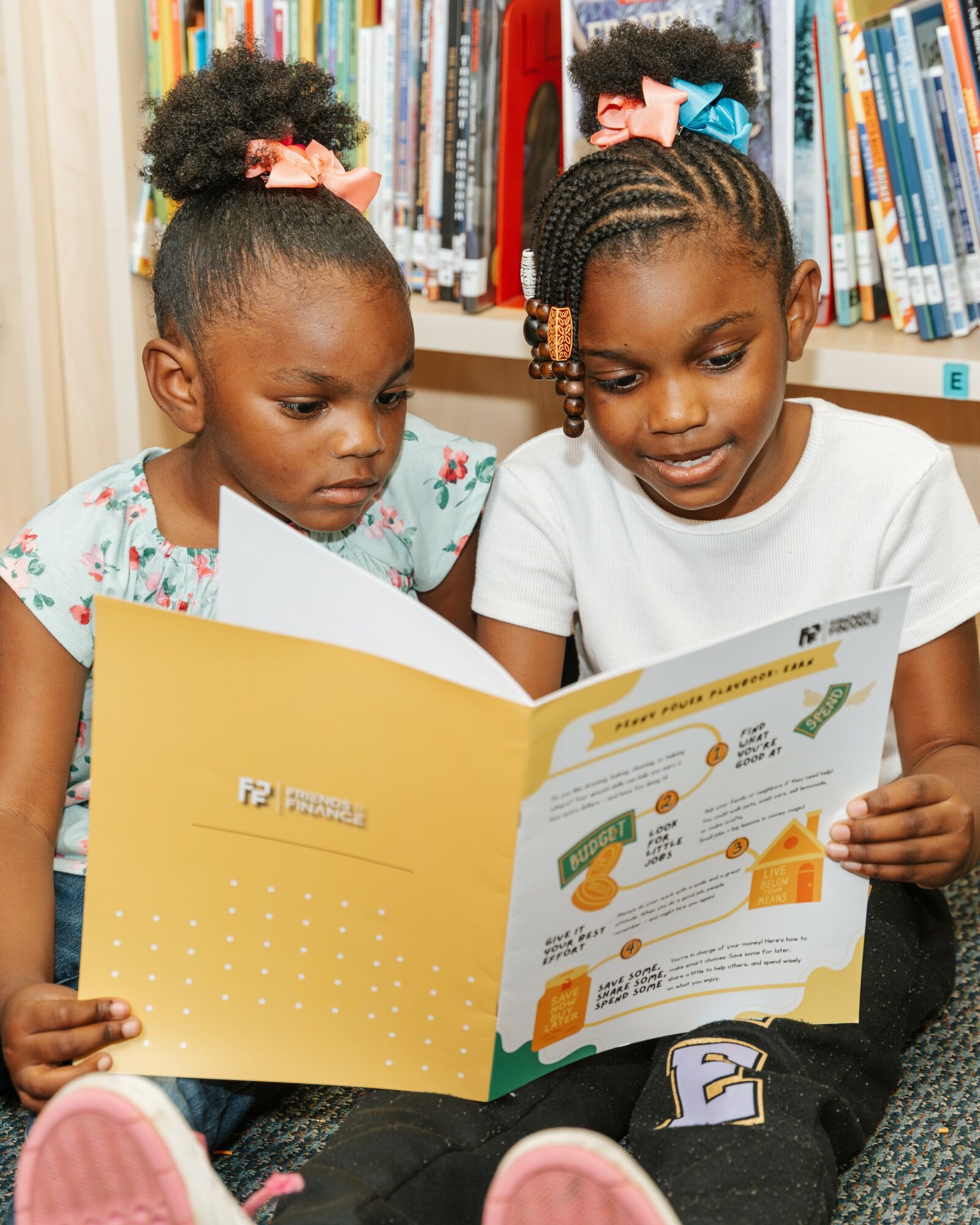
Our curriculum is organized around six essential pillars: Earn, Spend, Save, Invest, Borrow, and Protect. Our signature program, Equity in Action, combines a comprehensive financial literacy textbook with classroom-ready presentations, realistic financial documents, hands-on activities, assessments, instructor resources, and implementation guidance. We also created the Penny Power Playbook to introduce younger learners to foundational financial concepts through age-appropriate activities and application.
The Friends of Finance Learning Platform extends the experience beyond the classroom. Students can access mobile-friendly lessons, video instruction, quizzes, assignments, replays, progress tracking, and completion records. Educators and program administrators receive the structure and visibility needed to support learners, monitor engagement, and deliver the curriculum consistently.
What sets Friends of Finance apart is our instructional model: Learn, Do, Decide, Compare Outcomes, and Reflect. Participants do not simply memorize the definition of a credit report—they investigate one. They do not only learn what a paycheck is—they examine earnings, taxes, deductions, and benefits. They analyze bank statements, compare savings options, build investment portfolios, evaluate borrowing decisions, review insurance coverage, and create financial protection plans. Every experience requires participants to use financial information, make a decision, explain their reasoning, and consider the consequences.
We also focus on implementation because strong curriculum alone is not enough. Through curriculum licensing, educator training, readiness planning, implementation guides, assessments, and outcome reporting, we help organizations build financial education into their existing systems. The goal is to create a model that can be delivered with consistency and quality without depending on me to personally facilitate every lesson.
We’ve built the curriculum, tools, technology, and operational systems needed to support long-term institutional partnerships. We are also developing young fellows who contribute to our platform, research, workflows, automation, and educational resources. They are gaining practical experience while helping build the organization’s future.
Ultimately, Friends of Finance is known for making financial education practical, engaging, and actionable. We do not want participants to leave simply knowing more financial terminology. We want them to leave better prepared to make decisions that create stability, ownership, and economic opportunity.
Are there any important lessons you’ve learned that you can share with us?
The most important lesson I have learned is that vision must be converted into structure before it can scale. For a long time, I believed being fully committed meant carrying every part of the business myself—creating the curriculum, facilitating the programs, managing partnerships, solving problems, and protecting the quality of the work. That approach produced strong programs, but it was not a sustainable way to build a company.
Friends of Finance began to change when I started asking different questions: Can this be documented? Can someone else be trained to deliver it well? Is ownership clearly assigned? Can the results be measured? Can the experience remain consistent without my direct involvement in every detail? Those questions pushed me to create operating systems, implementation guides, defined team roles, instructor resources, assessment processes, and clearer standards for partnerships.
I have also learned not to confuse an opportunity with alignment. Enthusiasm and a shared mission are valuable, but they cannot replace clear expectations around scope, pricing, responsibilities, timelines, decision-making authority, and measurable outcomes. Asking those questions early protects the work, the relationship, and everyone involved.
Today, I approach growth with a simple principle: do it once, document it well, and build it so it can be repeated. That lesson has helped Friends of Finance evolve from a collection of strong programs into an organization with the infrastructure to grow.
Contact Info:
- Website: https://www.friendsoffinance.org
- Instagram: https://www.instagram.com/friendsoffinanceedu?igsi=NTc5ZnowbGlkZjFi

Popular
-

The Change-Makers: stories that inspire
-

Hidden Gems: Local Businesses & Creatives You Should Know
-

Portraits of Ohio
-

Take Flight: Lamar Thomas on Building an Inclusive Brand Rooted in Youth, Community, and Purpose
-

Cultivating Inner Clarity: Angel Inspires on Thought, Healing, and Purpose
-

Local Highlighter Series