



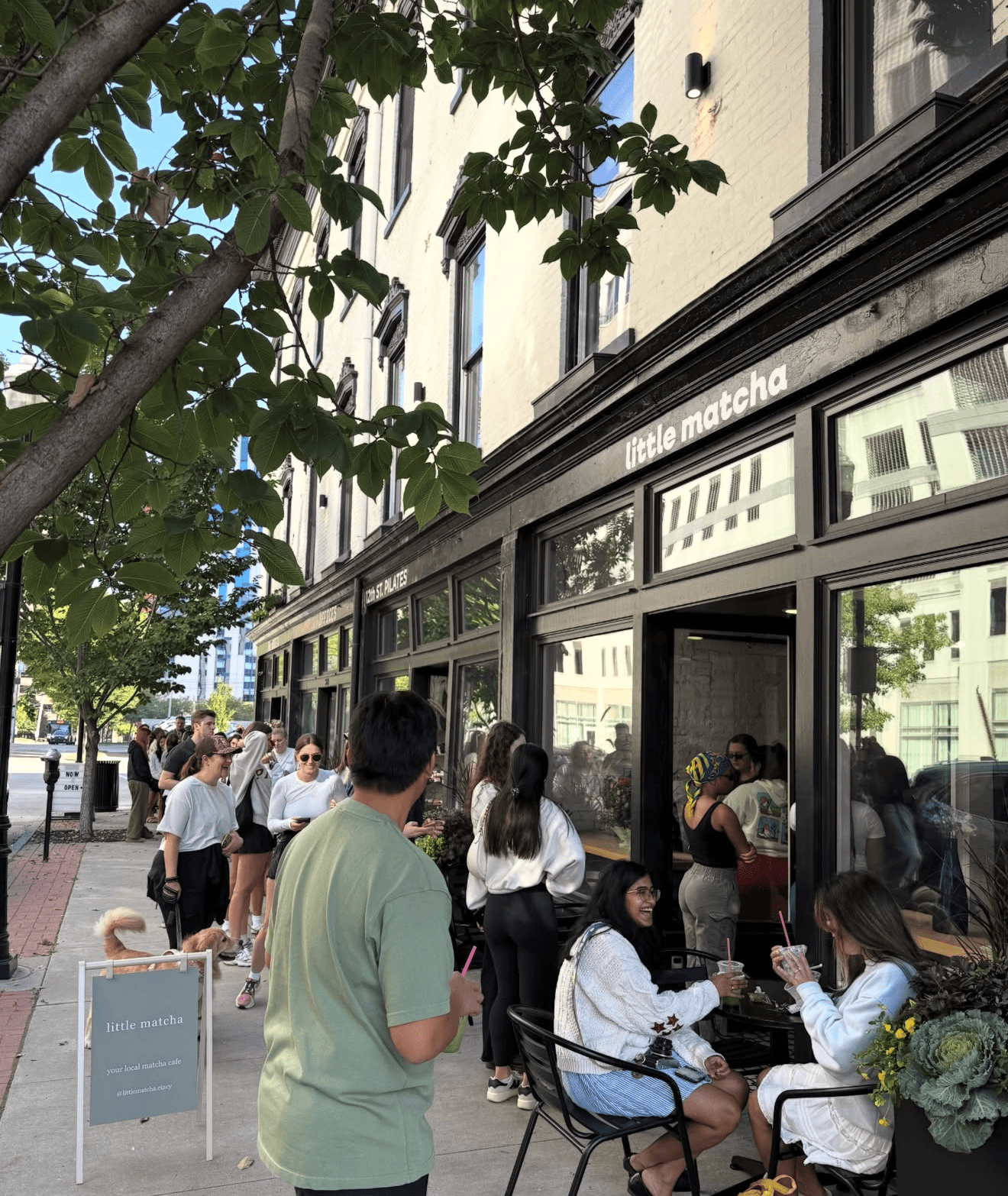
Today we’d like to introduce you to Derek Ung.
Hi Derek, thanks for sharing your story with us. To start, maybe you can tell our readers some of your backstory.
When I moved to the Cincinnati area, I noticed there wasn’t a dedicated matcha-focused café that offered both high-quality tea and an educational experience. I was an engineer at the time, but loved the community of Cincinnati in general. I felt there was an opportunity to create something that wasn’t just about serving drinks, but about building a community around them. That’s how Little Matcha began. What started as pop-ups and local events quickly grew because people were looking for a place to connect, learn, and experience matcha in an authentic way.
One thing that’s always been important to me is understanding where our tea comes from. I develop our matcha blends and work directly with small family-run farms in Japan. I regularly travel there to spend time with farmers, learn about the growing and harvesting process, and better understand the generations of knowledge that go into producing exceptional tea. For me, sourcing isn’t just about finding great ingredients. It’s about building relationships and supporting the communities that make those ingredients possible.
At Little Matcha, we try to share that story with every customer. Whether someone is trying matcha for the first time or has been drinking it for years, we want them to leave feeling like they’ve learned something and become part of our community. That’s why we host classes, collaborate with local businesses, participate in markets, and create experiences that go beyond a traditional café.
At its core, Little Matcha has never been about trends. It’s about bringing people together, supporting small businesses both locally and abroad, and creating a space where everyone feels welcome. If we’re successful, it’s because people connect with that mission. Every cup we serve is an opportunity to build community, celebrate craftsmanship, and share our love of tea with someone new.
Alright, so let’s dig a little deeper into the story – has it been an easy path overall and if not, what were the challenges you’ve had to overcome?
One of the biggest challenges early on was introducing people to matcha in a market where it wasn’t yet widely understood. When we started doing pop-ups and community events, we spent a lot of time having conversations with customers about what matcha is, where it comes from, and why it’s such a special product.
What made that challenge interesting is that we weren’t trying to tell people what they should like. A lot of the tea industry gets caught up in labels like “ceremonial grade” or “culinary grade.” While those classifications can be useful in certain contexts, I’ve always believed that tea is personal. Where descriptions become specific is when we start asking about which harvest and which cultivar the leaf is. What ultimately matters most is whether you enjoy what’s in your cup. Everyone’s palate is different, and part of our mission is helping people discover what they like rather than telling them what they should like.
Another challenge was building a business that stayed true to our values while growing. We chose to work directly with small farms in Japan and invest time into understanding the farming process, sourcing, and quality control. That’s not always the easiest path, but it allows us to build genuine relationships and support the communities behind the tea we’re serving.
Like many entrepreneurs, we also had to take risks. Going from pop-ups and markets to a permanent location required a lot of faith, long hours, and learning new skills quickly. There were plenty of moments where we had to adapt and figure things out in real time.
What kept us going was the community. From the beginning, people connected with what we were trying to build. They weren’t just buying a drink. They were becoming part of a conversation about tea, culture, and connection. Seeing customers come back, bring their friends, and support us through each stage of growth has been incredibly rewarding.
Can you tell our readers more about what you do and what you think sets you apart from others?
For three years, I worked as an engineer at GE Aerospace, solving complex technical problems and learning how to approach challenges with discipline, curiosity, and attention to detail. While I enjoyed engineering, I always had a strong desire to build something that connected people on a more personal level.
That desire led me to create Little Matcha.
What started as a passion project quickly became a way to bring people together through tea. I saw an opportunity to create something that went beyond selling a product. I wanted to build a community where people could slow down, connect with one another, learn something new, and feel welcome. I began doing that while still working full-time as an engineer, spending nights, weekends, and every spare hour growing Little Matcha from pop-ups and markets into a recognized local brand.
What I specialize in today is creating experiences around tea. I develop our matcha blends, build relationships with small tea farms in Japan, and focus on sharing the stories behind the people and traditions that make great tea possible. I regularly travel to Japan to deepen my understanding of tea production and to work directly with farming partners because I believe the best products come from strong relationships and firsthand knowledge.
What I’m most proud of isn’t a specific drink or business milestone. It’s the community that has formed around Little Matcha. Seeing customers become friends, watching people discover matcha for the first time, and creating a space where people feel connected is what motivates me every day.
I think what sets me apart is my perspective. I didn’t come from the food and beverage industry. I came from engineering. That background taught me to be analytical, process-driven, and relentlessly focused on continuous improvement. At the same time, Little Matcha is built on hospitality, relationships, and human connection. The combination of those two worlds allows me to approach the business differently.
At the end of the day, we’re not just serving tea. We’re creating opportunities for connection. My goal has always been to build something bigger than myself, something that supports local communities, supports small farming communities in Japan, and gives people a place where they feel like they belong. That’s what I’m most proud of.”
Is there anything else you’d like to share with our readers?
When people see a café, they often see the drinks first. What I see are the relationships behind every cup. I think about the farmers in Japan who dedicate their lives to growing tea. I think about the customers who stop by before work, bring in their families, or spend an afternoon catching up with friends. I think about the local businesses we’ve collaborated with and the community that believed in us long before we had a permanent space.
I genuinely care about creating something meaningful. Not just a successful business, but a place where people feel welcomed, valued, and connected. In a world that moves incredibly fast, it’s special when a simple cup of tea can create a conversation, spark a friendship, or bring a community together.
One of the lessons I’ve learned through this journey is that people are looking for authenticity. They’re looking for places that care about what they do and why they do it. That’s something I try to bring to Little Matcha every day. Whether it’s working directly with farmers, developing new blends, teaching a matcha class, or spending time talking with customers, I want people to know there’s real intention behind it.
Contact Info:
- Instagram: https://www.instagram.com/littlematcha.us/
Popular
-

The Change-Makers: stories that inspire
-

Hidden Gems: Local Businesses & Creatives You Should Know
-

Portraits of Ohio
-

Take Flight: Lamar Thomas on Building an Inclusive Brand Rooted in Youth, Community, and Purpose
-

Cultivating Inner Clarity: Angel Inspires on Thought, Healing, and Purpose
-

Local Highlighter Series