



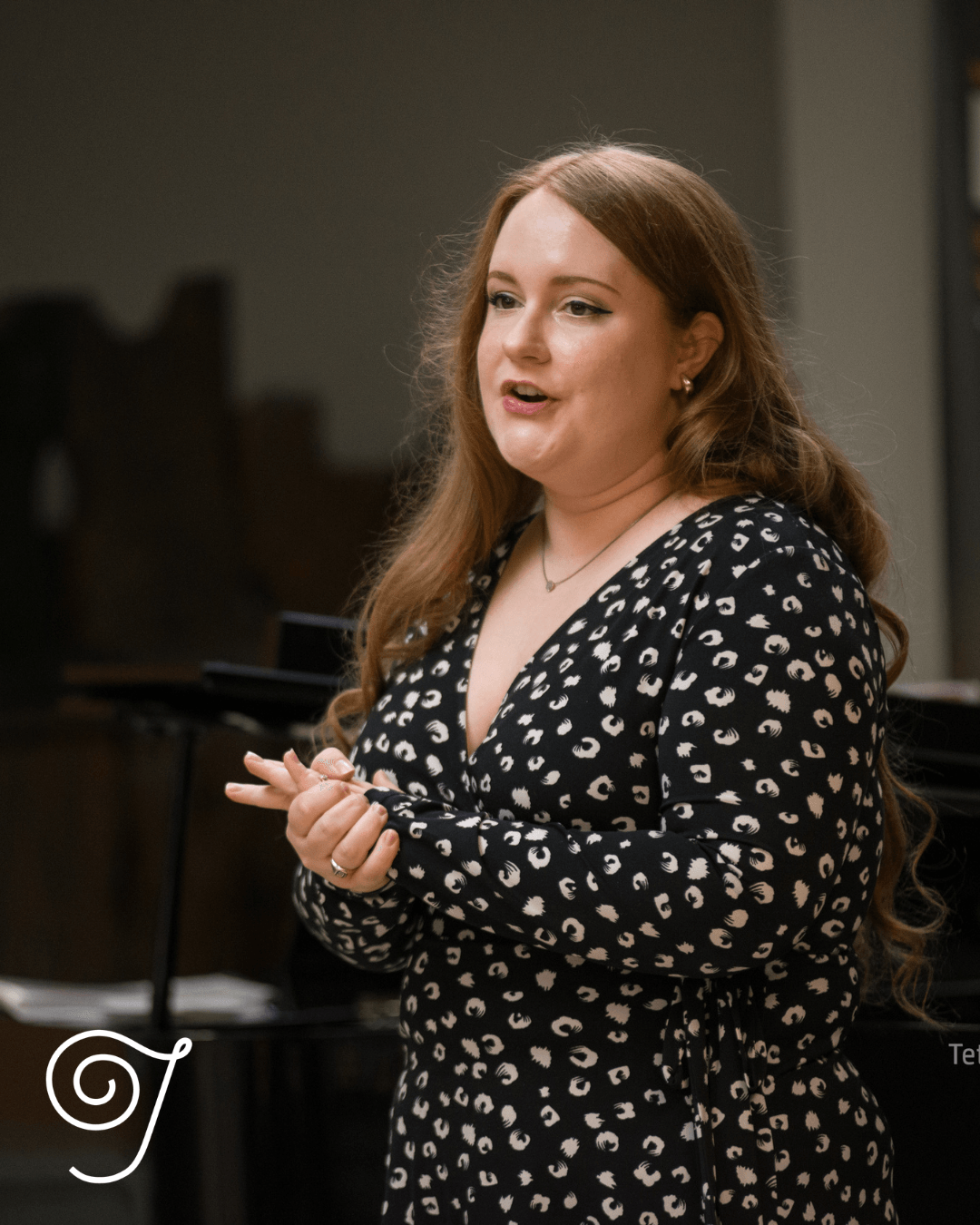
Today we’d like to introduce you to Rachael Cammarn.
Hi Rachael, thanks for sharing your story with us. To start, maybe you can tell our readers some of your backstory.
Founded in 1959, Toledo Opera remains committed to producing high-quality operas, operettas, and musicals, reaching approximately 30,000 people annually through mainstage performances, educational programs, and community outreach.
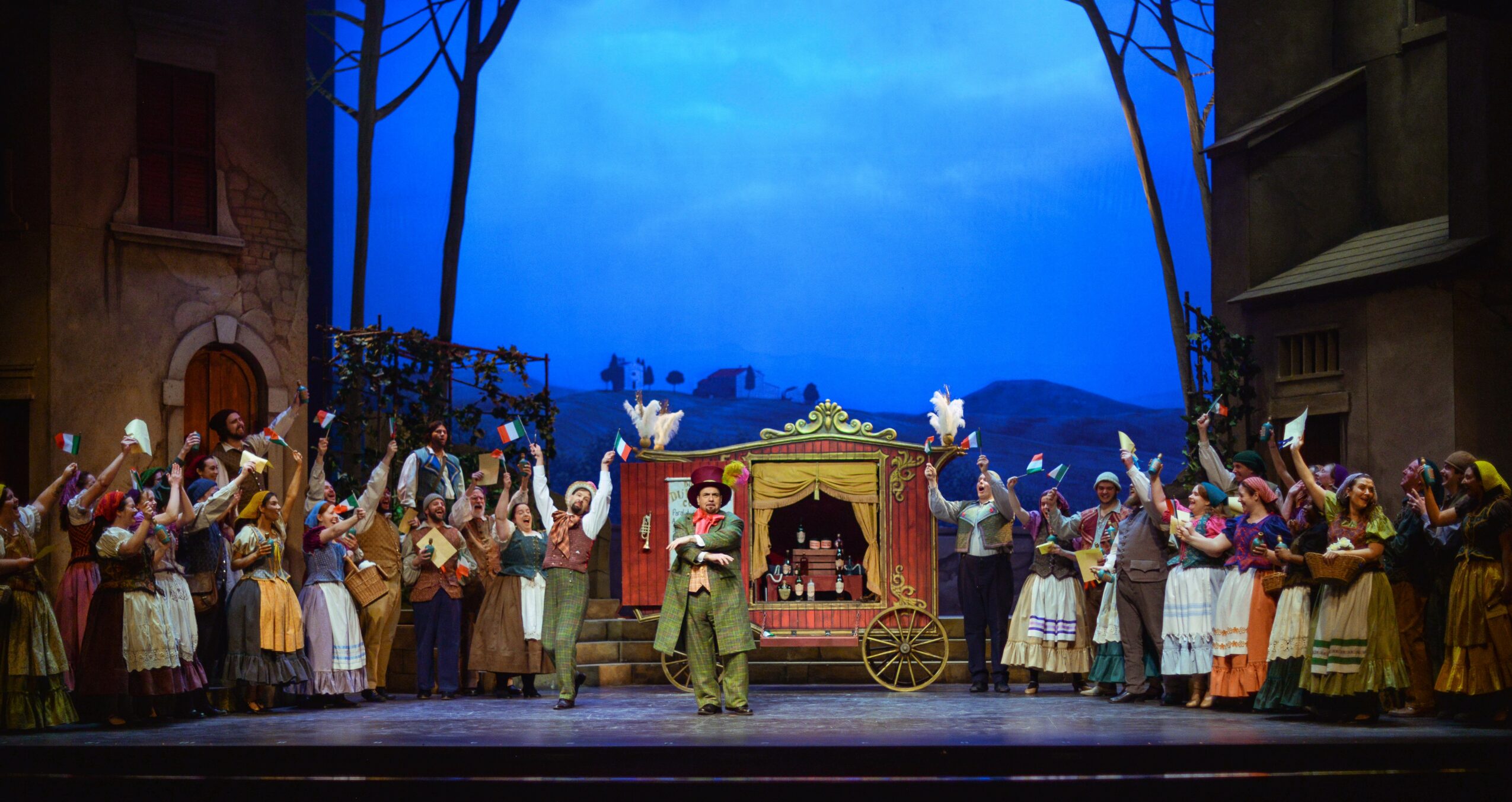
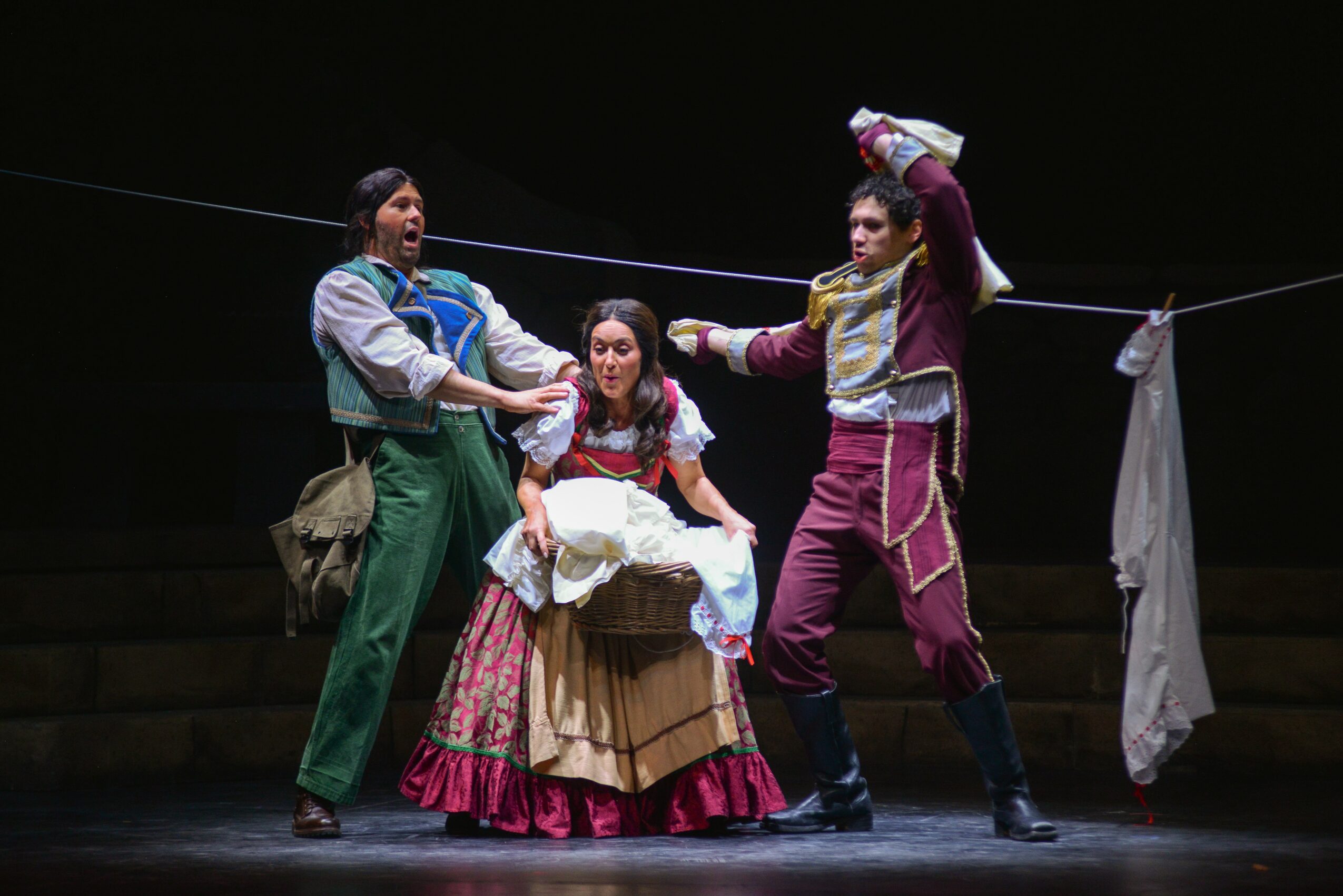
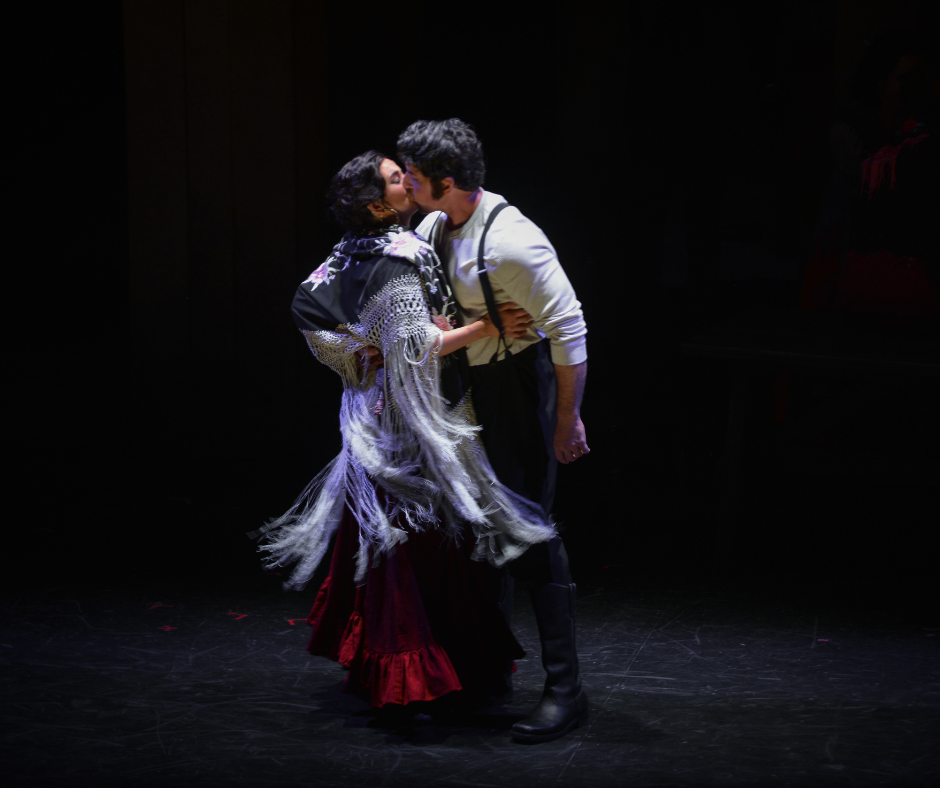
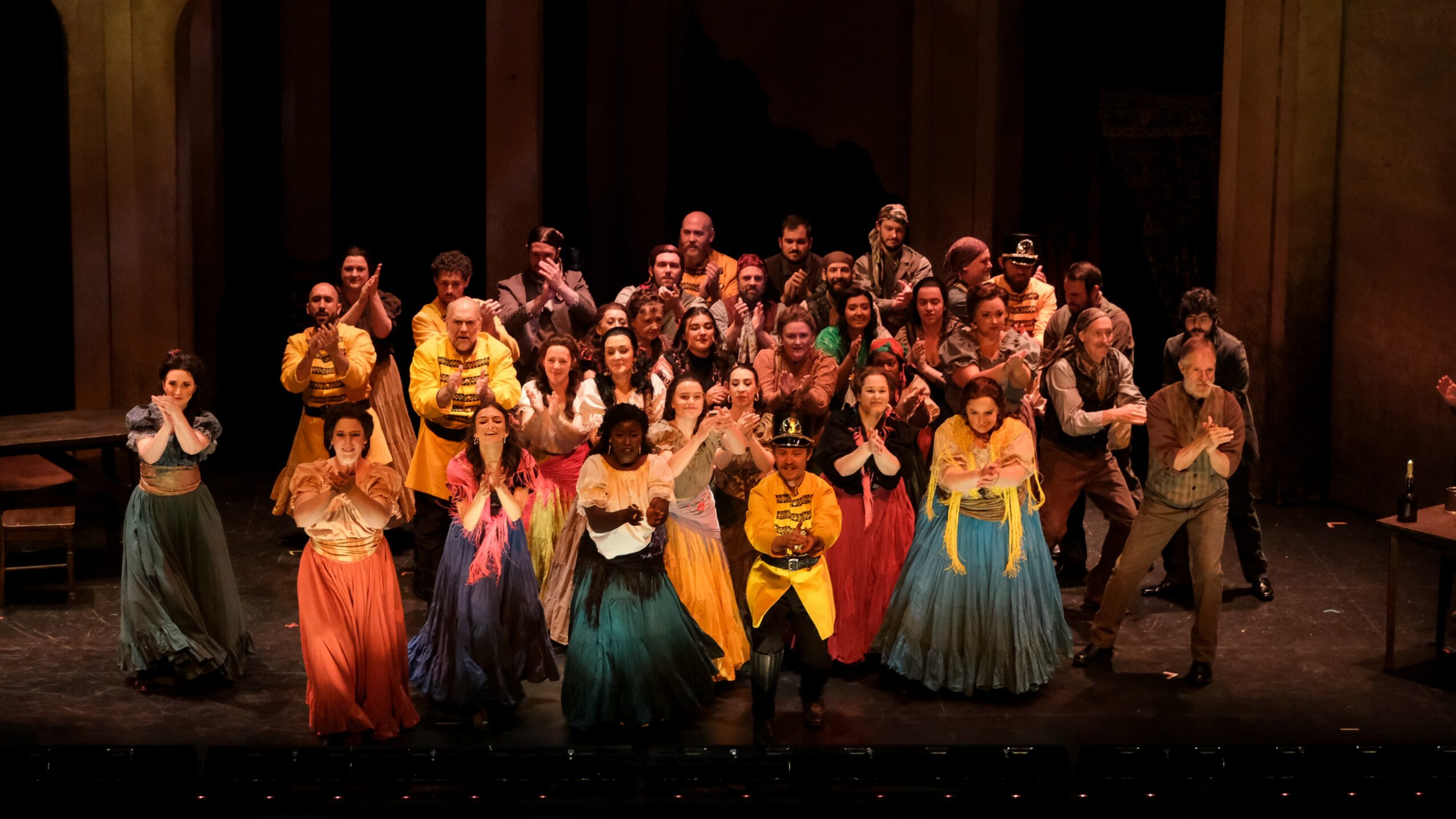
Each year, Toledo Opera presents fully-staged operas, operettas, and/or musicals at the historic 900-seat Valentine Theatre, located in the heart of downtown Toledo. These productions are presented in partnership with Toledo Symphony, with the Toledo Opera Chorus and Toledo Opera Children’s Chorus participating as needed.
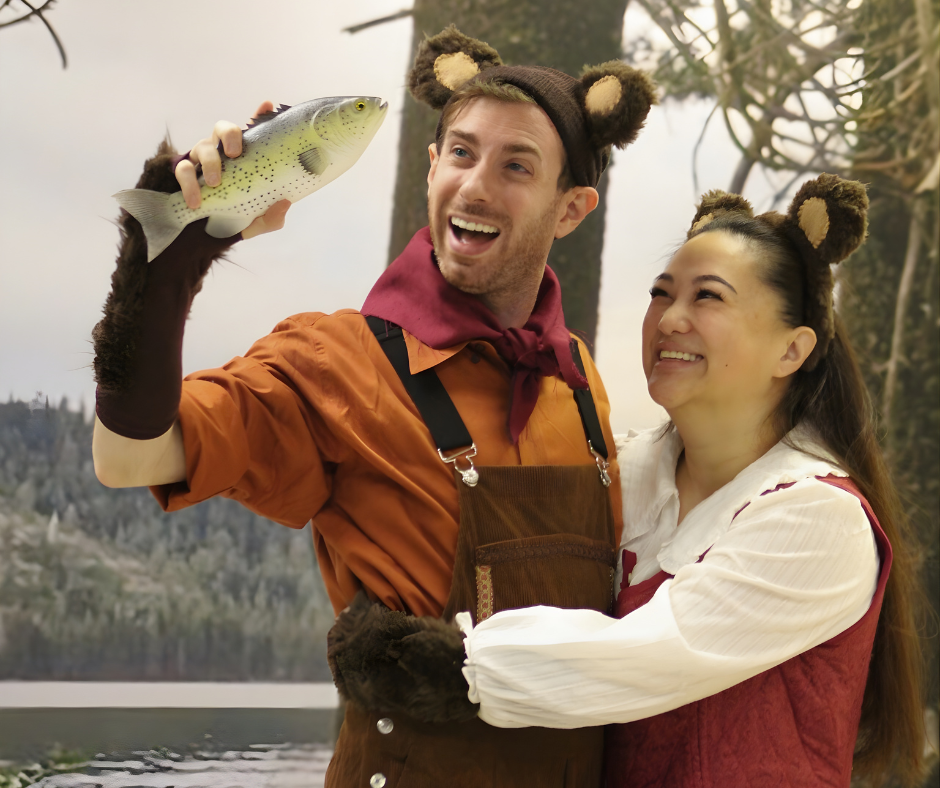
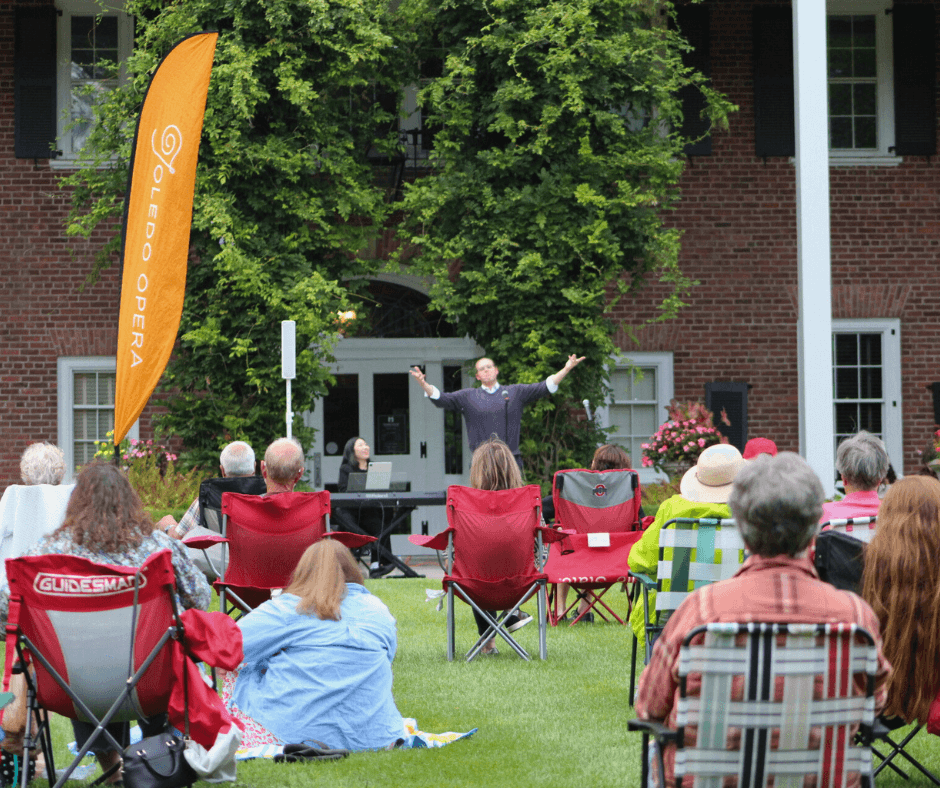
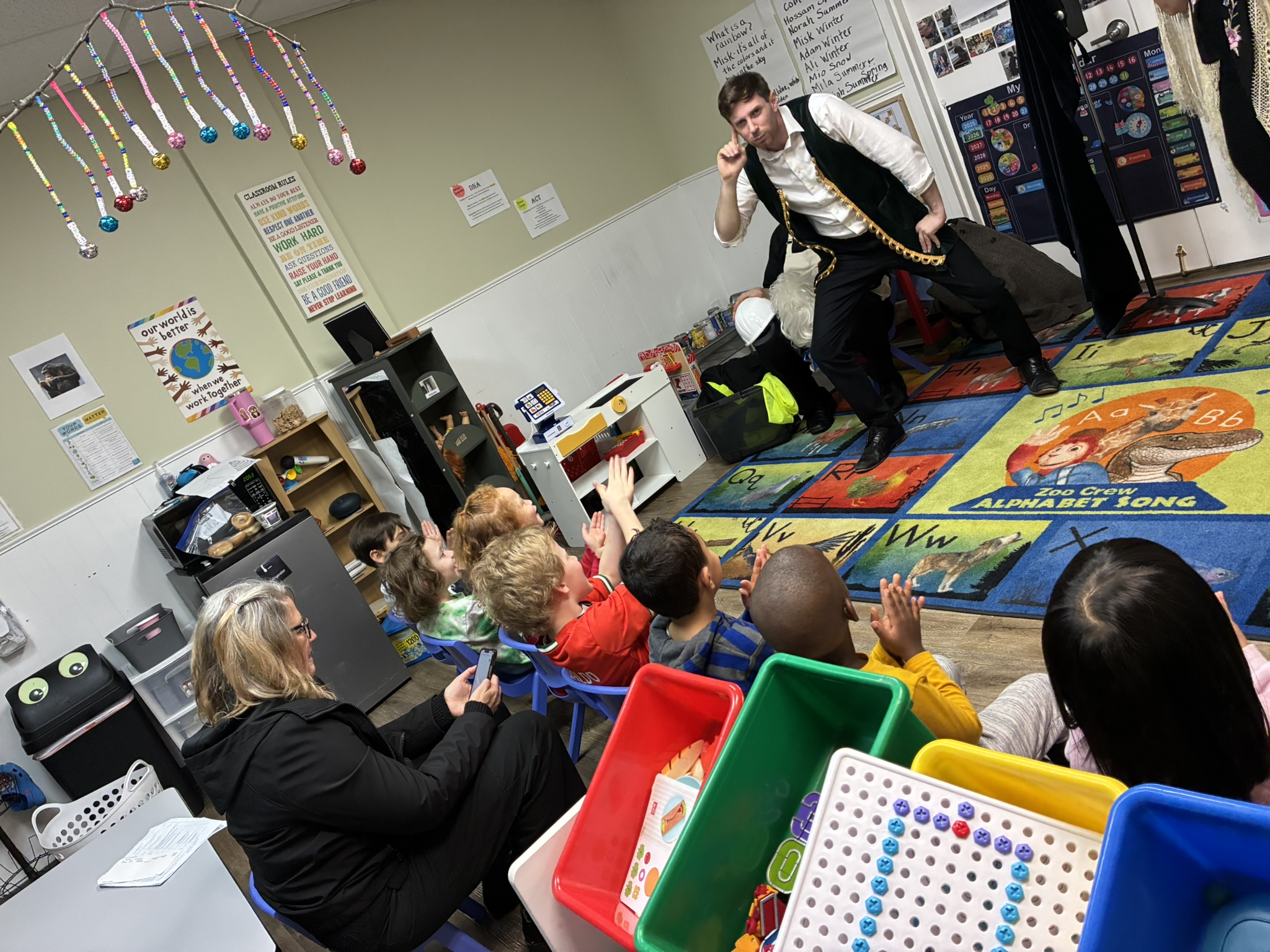
A cornerstone of Toledo Opera’s mission, the organization’s educational and community programs serve all ages and demographics. Programs like An Opera Is a Story for preschool students, Opera on Wheels for elementary students, and Student Night at the Opera for middle and high school students are key to engaging young audiences. The broader community is reached through initiatives such as Opera Outdoors, Opera Out of the Box, and mainstage companion programming, which bring the artform beyond traditional venues and into accessible, public spaces. Toledo Opera remains steadfast in its commitment to growing and expanding this program in order to meet needs within the greater Toledo community.
In 2017, Toledo Opera convened a Community Engagement Advisory Committee to engage the wider Toledo community and co-create programs that emphasize opera’s relevance to contemporary issues as experienced by Toledo-area residents. This commitment to diversity, inclusion, and community engagement has continued to evolve, influencing new projects and partnerships.
As of 2024, Toledo Opera looks to the future with excitement. Under new leadership, the Company continues its ongoing efforts to advance the operatic art form in the region through exceptional artistry and meaningful community connections.
We all face challenges, but looking back would you describe it as a relatively smooth road?
It has not always been a smooth road. Toledo Opera is one of the remaining regional opera companies in Ohio, and with that comes both a tremendous responsibility and a unique set of challenges. We strive to serve the entire region—not just audiences in the urban core, but also people in surrounding suburban and rural communities, as well as visitors and tourists who come to Toledo. Reaching and engaging such a broad audience means continually adapting how we present opera, build partnerships, and make the art form accessible to as many people as possible.
Like many opera companies across the country, funding this art form is an ongoing challenge. Rising production costs, inflation, and changes in public and private funding have made it increasingly important to be thoughtful and responsible stewards of every dollar. At the same time, we remain committed to producing high-quality opera, supporting artists, and providing meaningful education and community programs.
Those challenges have certainly shaped Toledo Opera, but they have also reinforced why our work matters. We are proud to be a regional company with a mission that extends far beyond the theater, and we continue to look for creative ways to make opera a vibrant and accessible part of life throughout Northwest Ohio and the broader region.
As you know, we’re big fans of you and your work. For our readers who might not be as familiar what can you tell them about what you do?
I am the Director of Marketing & Communications at Toledo Opera, where I work at the intersection of opera, storytelling, audience development, and community engagement. My role encompasses everything from developing marketing strategies and campaigns to shaping the organization’s voice, promoting productions and artists, building audience awareness, and finding new ways to connect people with an art form that can sometimes feel unfamiliar or inaccessible.
My relationship with opera began when I was 14 years old, and I have pursued the art form ever since. After living in Minnesota for many years, Toledo Opera was actually one of the things that first drew me to Bowling Green State University. That early connection eventually grew into a career in opera marketing and communications, giving me the opportunity to combine my longstanding passion for the art form with my interest in storytelling and audience engagement.
I am particularly proud of the experience I have built working in opera marketing and of the recognition that work has received within the field. I have been invited by OPERA America to participate as a panelist at its national conference and to present at a network roundtable, opportunities that have allowed me to share ideas and strategies with colleagues from across the country while also learning from other leaders in the field.
What sets my work apart is that I approach marketing from the perspective of someone who genuinely understands and loves the art form. I know firsthand that opera can be transformative, but I also understand that simply telling people that they should love opera isn’t enough. My goal is to help people find their own entry point—whether that’s through a familiar story, a compelling artist, a community event, a social media post, or the excitement of experiencing live opera for the first time. Ultimately, I see marketing not just as selling tickets, but as building relationships between an organization, its artists, and the community it serves.
Can you talk to us about how you think about risk?
Toledo Opera
For Toledo Opera, risk-taking is less about being risky for the sake of being bold and more about being willing to try something new when the traditional approach no longer serves the audience or the art form. As a regional opera company, we have to be thoughtful about how we use our resources, but we also have to be willing to experiment—with programming, partnerships, audience engagement, and the ways we introduce people to opera.
One of the biggest risks for any arts organization is becoming too comfortable. The landscape around us is constantly changing, and audiences are changing with it. We have embraced new formats and experiences that invite people into the world of opera in different ways, while continuing to uphold the artistic quality and traditions that define the company. Some ideas succeed immediately, others teach us something valuable, and occasionally we discover that an experiment needs to evolve. We see all of those outcomes as part of the process.
For us, responsible risk-taking is ultimately about staying relevant without losing sight of who we are. We would rather try something thoughtful and learn from it than become so focused on avoiding risk that we stop growing.
Rachael Cammarn
I don’t necessarily think of myself as a natural risk-taker, but I do think I’m comfortable with calculated risk. Working in arts marketing has taught me that sometimes the biggest risk is not taking one. If we only communicate opera in the ways it has traditionally been communicated, we’re likely to keep reaching the same people. I’m much more interested in asking, *What would happen if we tried this?* and then figuring out how to make that idea work strategically.
Coming into opera marketing was itself a significant choice for me. I was introduced to the art form at 14 and have pursued it ever since, so I knew I wanted opera to be part of my professional life. But choosing to build a career around an art form that is navigating significant financial and audience-development challenges requires a certain amount of faith. I’ve continued to make that choice because I believe deeply in the value of the work and in opera’s ability to evolve.
In my marketing work, I’ve taken risks by experimenting with new ways of talking about opera, reaching audiences outside of traditional opera circles, and treating digital and social platforms as opportunities for genuine storytelling rather than simply promotional channels. Some of the most successful ideas have come from being willing to test something that isn’t guaranteed to work.
I think the key is understanding the difference between **risk and recklessness**. Good risk-taking involves asking what you’re trying to accomplish, what you stand to gain, what you can afford to lose, and what you can learn if the idea doesn’t work. Especially in the nonprofit arts, where resources are limited, I don’t believe in taking unnecessary risks—but I do believe in taking meaningful ones when they can help an organization grow, connect with its community, or imagine a different future.
Contact Info:
- Website: https://www.toledoopera.org/
- Instagram: https://www.instagram.com/toledo_opera/
- Facebook: https://www.facebook.com/toledoopera
- LinkedIn: https://www.linkedin.com/company/toledo-opera/?viewAsMember=true
- Twitter: https://x.com/ToledoOpera
- Youtube: https://www.youtube.com/@toledoopera1823
Popular
-

The Change-Makers: stories that inspire
-

Hidden Gems: Local Businesses & Creatives You Should Know
-

Portraits of Ohio
-

Take Flight: Lamar Thomas on Building an Inclusive Brand Rooted in Youth, Community, and Purpose
-

Cultivating Inner Clarity: Angel Inspires on Thought, Healing, and Purpose
-

Local Highlighter Series