



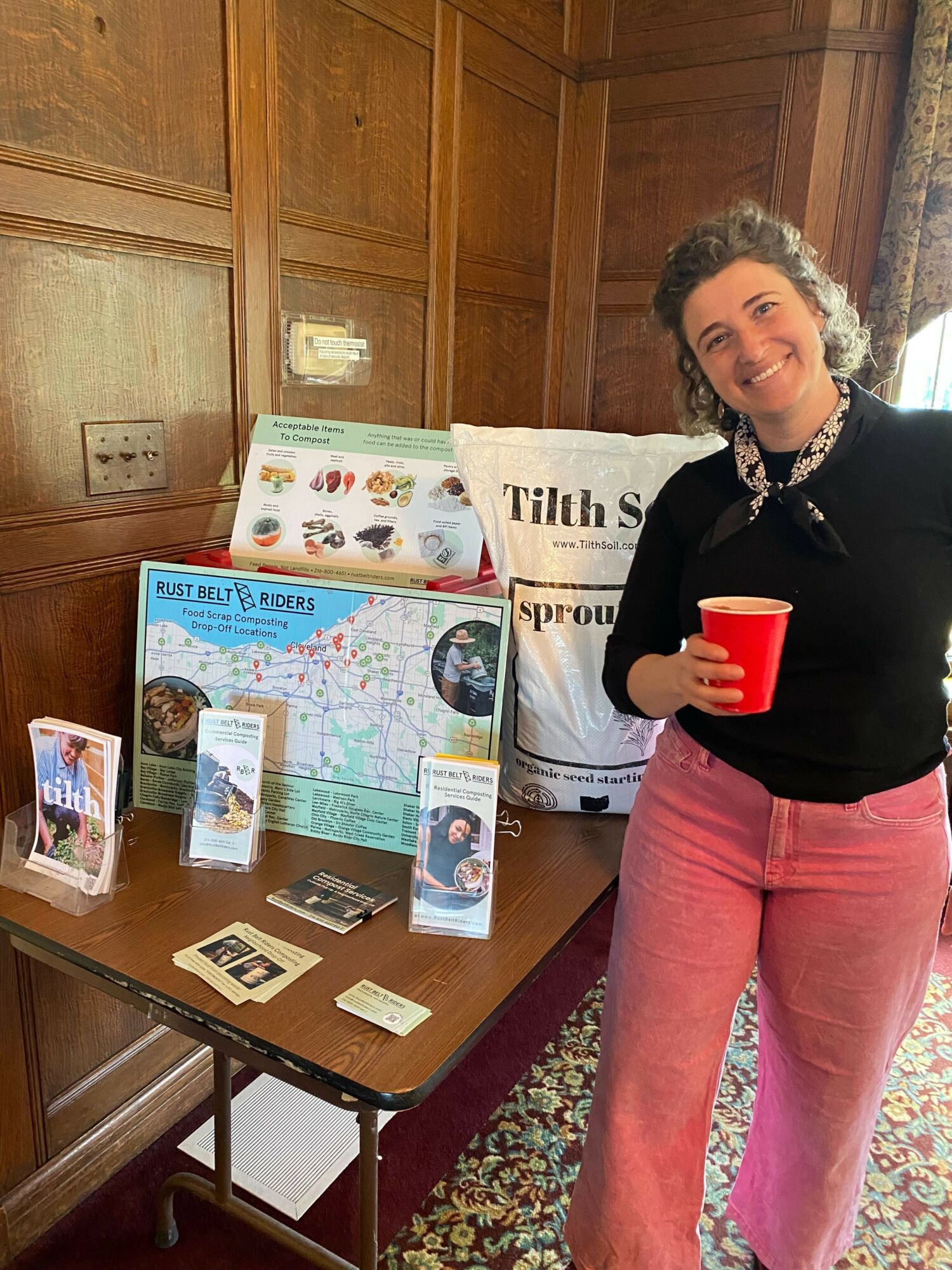
Today we’d like to introduce you to Zoe Apisdorf.
Hi Zoe, please kick things off for us with an introduction to yourself and your story.
Rust Belt Riders began with a simple idea: food scraps shouldn’t be wasted—they should be returned to the soil.
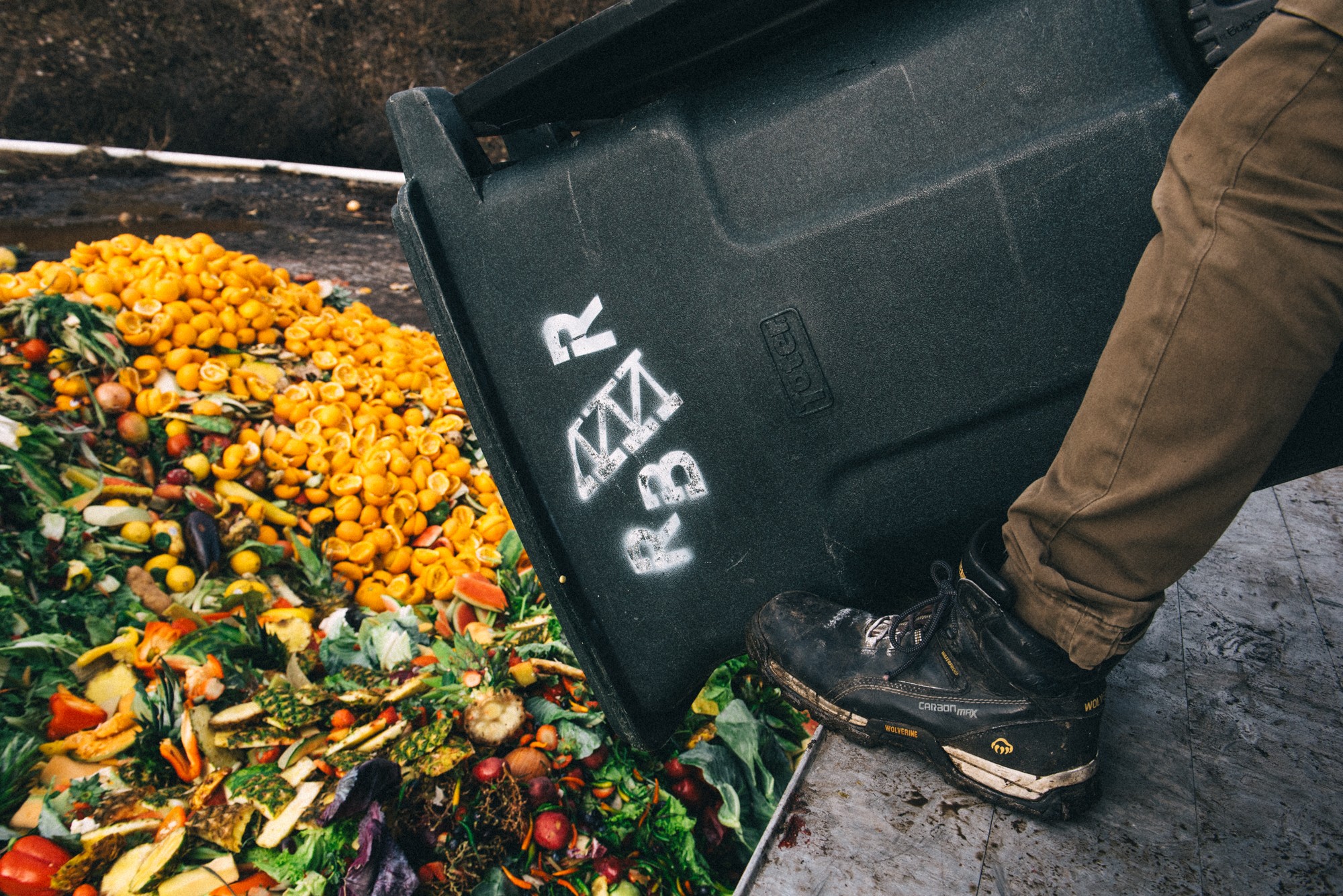
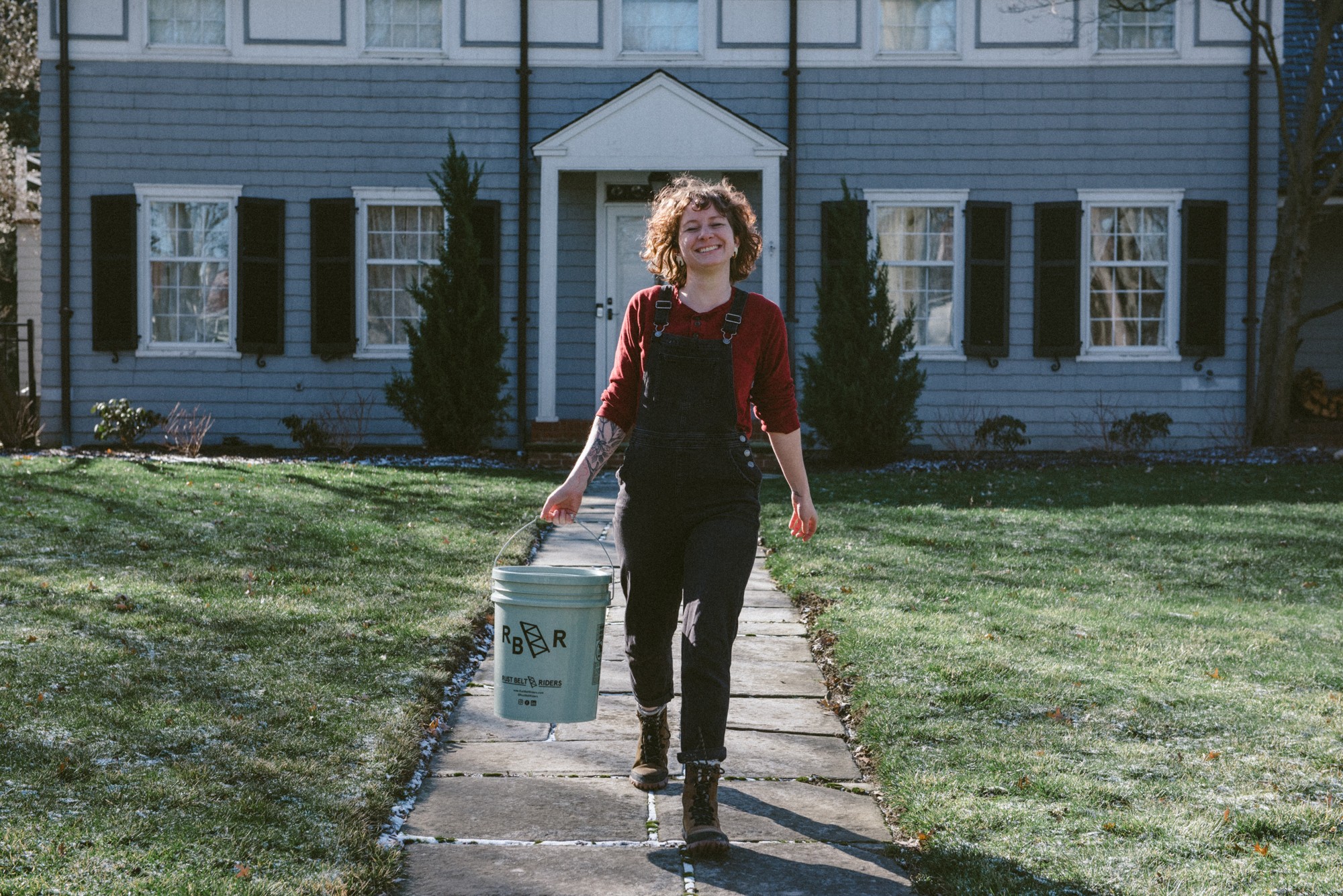
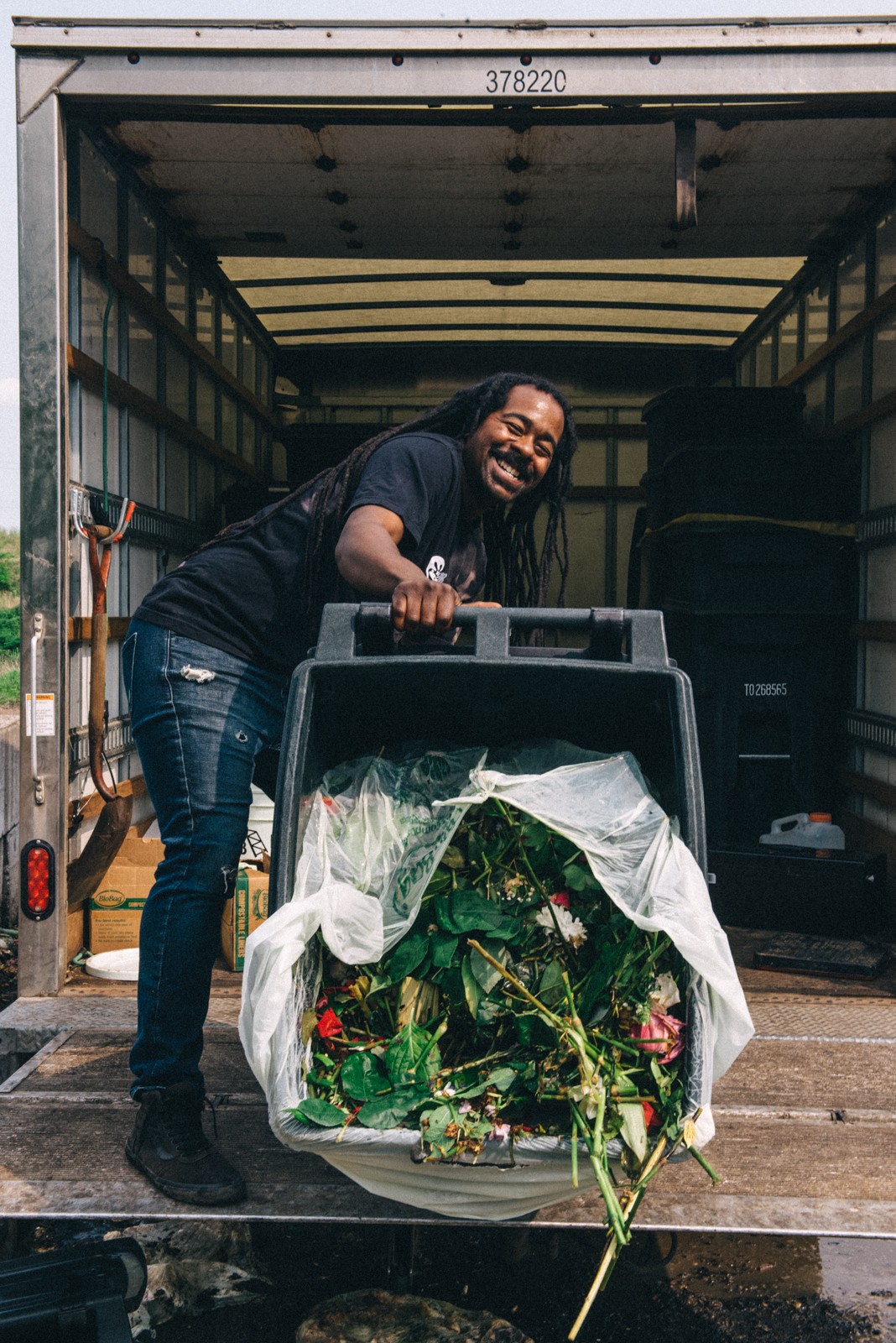
Founded in Cleveland, the organization started by collecting food scraps by bike, working directly with households, restaurants, and community partners to keep organic waste out of landfills. What began as a small, mission-driven effort grew into a regional composting cooperative serving Northeast Ohio.
From the beginning, Rust Belt Riders has been rooted in two beliefs: that composting is essential infrastructure for healthier communities, and that how the work is done matters just as much as the work itself. That’s why the organization operates as a worker-owned cooperative, building good jobs while advancing environmental solutions.
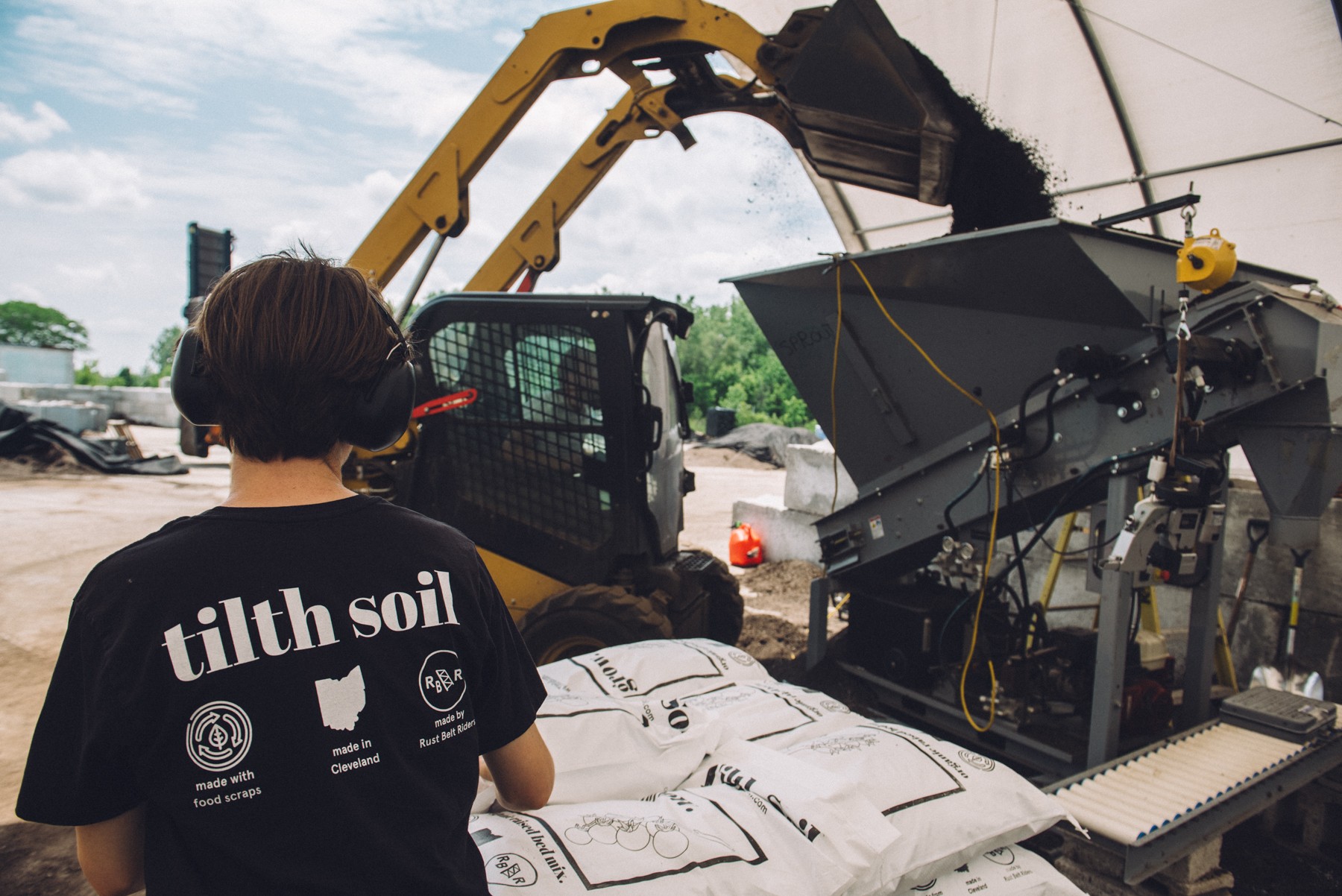
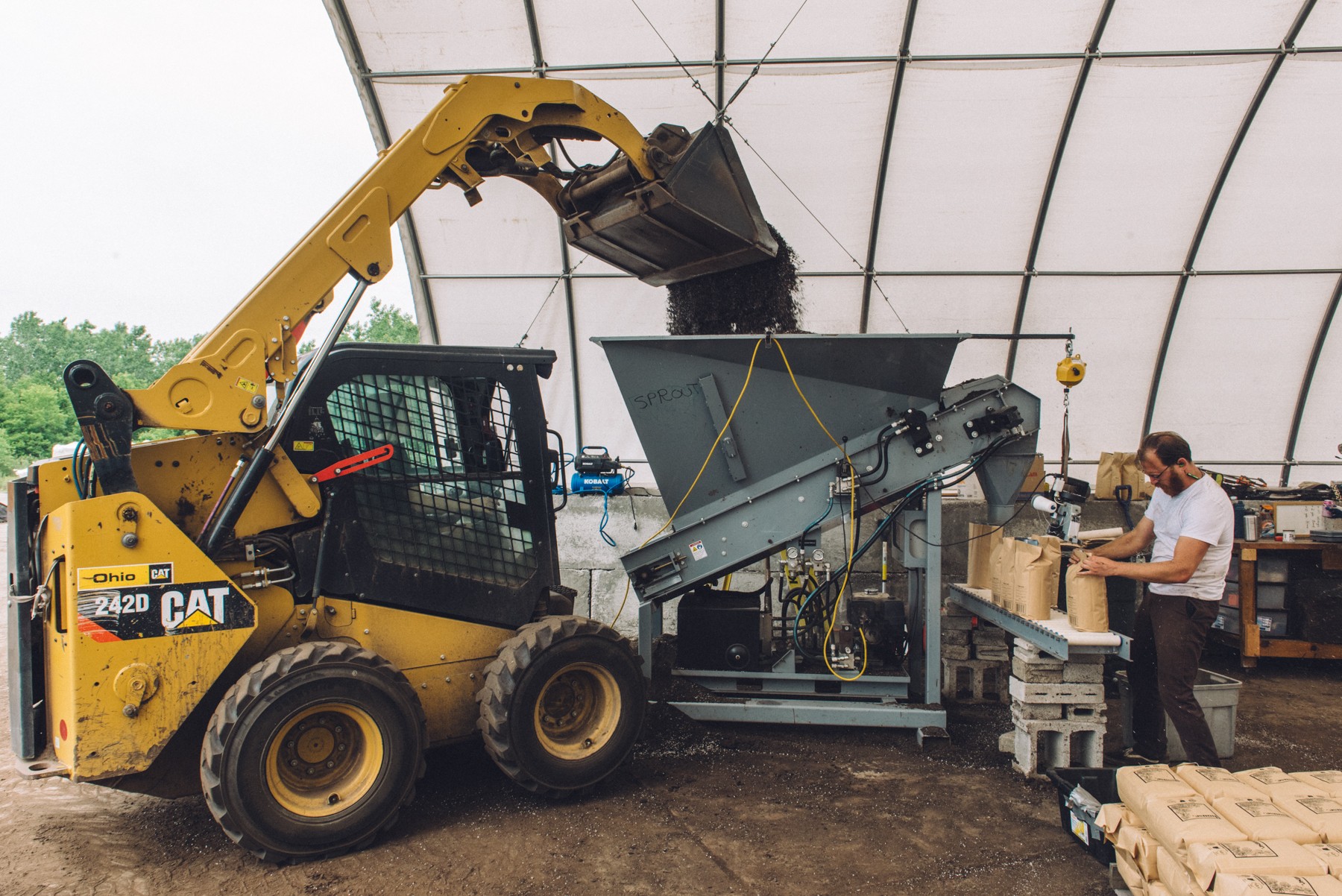
Today, Rust Belt Riders connects thousands of residents, businesses, and municipalities to composting—turning wasted food into a resource that supports local farms, strengthens soil, and helps communities reduce their environmental impact.
Can you talk to us a bit about the challenges and lessons you’ve learned along the way. Looking back would you say it’s been easy or smooth in retrospect?
The path for Rust Belt Riders has not been perfectly smooth and that is part of building something new. There have been real challenges along the way, especially during periods of growth and service expansion. Scaling composting services means building routes, educating new communities, and making sure operations can keep pace without losing quality or trust. Each step forward has required problem solving and adjustment.
COVID was another major challenge. When restaurants and institutions closed their doors, a significant portion of the food scrap stream disappeared almost overnight. That moment could have slowed everything down. Instead, it became a turning point.
Residential services had just launched right before lockdown, which created an opportunity. It gave households a way to stay engaged in a shared community effort during a time when people were isolated but looking for meaningful ways to take action. Composting became something tangible people could do from home that still contributed to something larger.
So no, it has not been a smooth road. There have been bumps tied to growth, expansion, and unexpected disruption. Those experiences have shaped the organization, strengthened its approach, and reinforced the importance of adapting while staying grounded in the mission.
What has been smooth though has been the community and peer support throughout the way.
Alright, so let’s switch gears a bit and talk business. What should we know about your work?
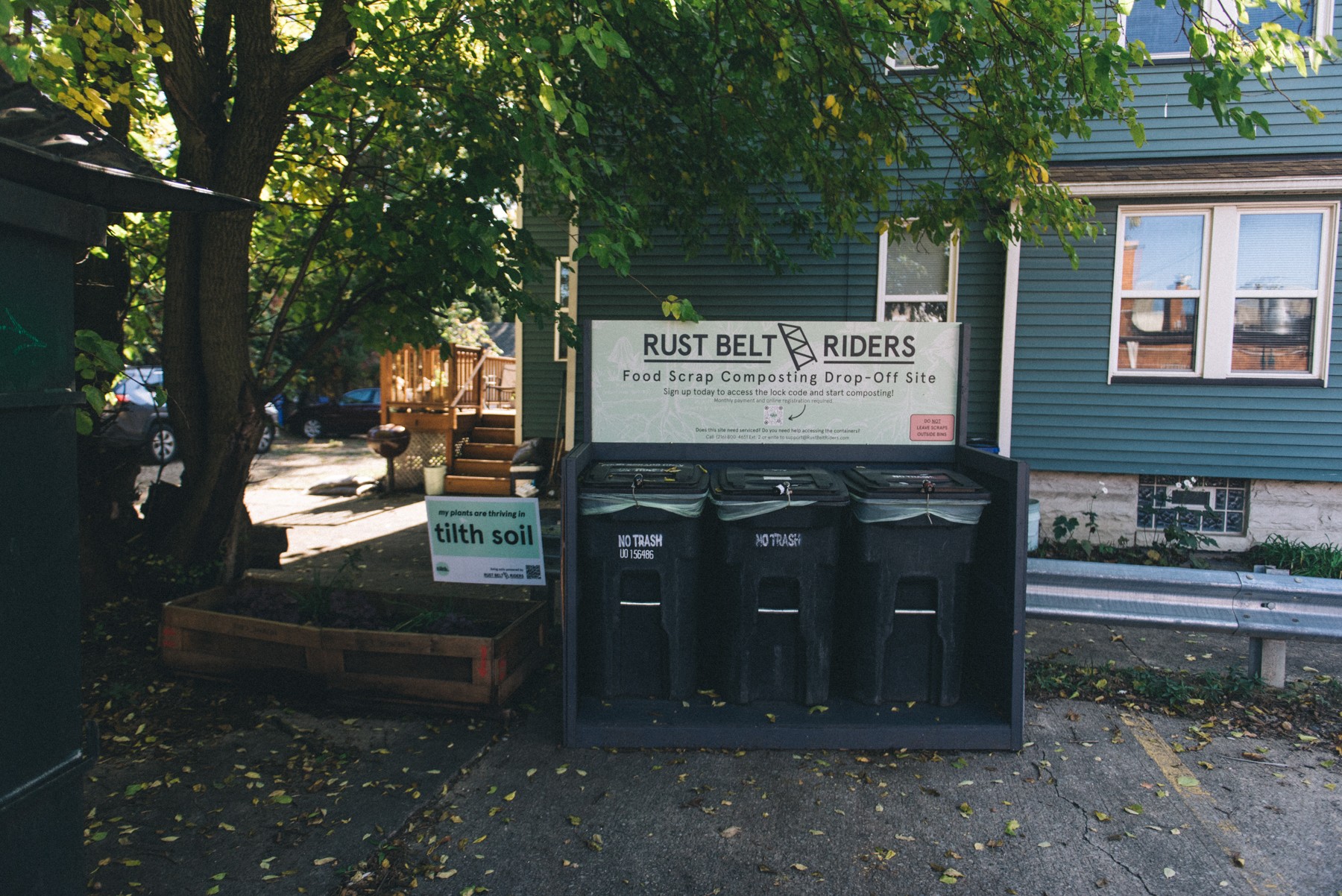
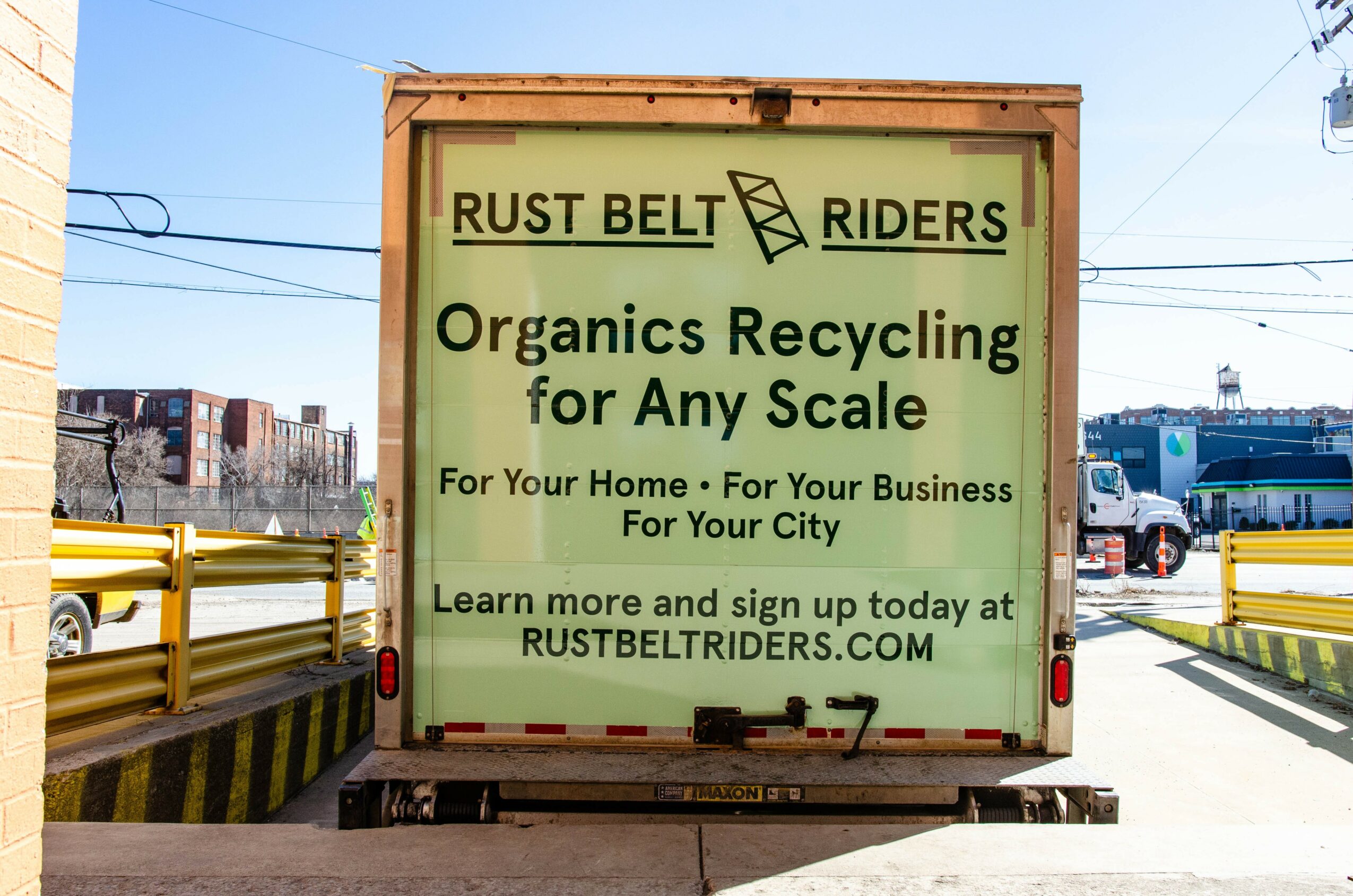
At Rust Belt Riders, our work is centered on building the infrastructure and community systems needed to keep food scraps out of landfills and return them to the soil. We provide food scrap collection services for households, businesses, schools, and municipalities, making composting accessible, reliable, and practical for everyday life. We specialize in designing programs that meet people where they are, whether that is a resident dropping off scraps, a restaurant managing high volumes, or a city launching a public program.
We are known for pairing environmental impact with community impact. Composting is the service, but the larger goal is creating a more resilient and locally rooted system. That includes education, behavior change, and making composting feel normal and easy to participate in.
What we are most proud of is helping shift how people think about waste. When someone moves from throwing food away to seeing it as a resource, that is a meaningful change. We have also built a model that supports both the environment and the people doing the work. As a worker-owned cooperative, we are committed to creating quality jobs and shared ownership alongside delivering high-quality service.
What sets us apart is that we are not just a hauler. We are building a system. That means we think about everything from user experience to soil outcomes to community partnerships. We believe how the work is done matters just as much as the work itself, and that shows up in the way we operate, the relationships we build, and the long-term solutions we are working toward.
So maybe we end on discussing what matters most to you and why?
At Rust Belt Riders, we are working to leave a lasting, positive impact on the soil that sustains our region. Our work is about keeping food scraps local and transforming them into a resource that nourishes the land, strengthens ecosystems, and supports future generations.
At the same time, we are planting the seeds for a different kind of workplace. As a worker-owned cooperative, we are building a democratic model that creates meaningful, dignified work for Clevelanders and invests in people as much as process.
What drives us is the connection between these two efforts. By returning nutrients to the soil and creating shared ownership in the work, we are helping build a system that is both environmentally and socially regenerative.
Contact Info:
- Website: https://www.rustbeltriders.com
- Instagram: @rustbeltriders
- Facebook: https://www.facebook.com/RustBeltRidersCLE
- LinkedIn: https://www.linkedin.com/company/rust-belt-riders
- Youtube: @RustBeltRiders_CLE
Popular
-

The Change-Makers: stories that inspire
-

Hidden Gems: Local Businesses & Creatives You Should Know
-

Take Flight: Lamar Thomas on Building an Inclusive Brand Rooted in Youth, Community, and Purpose
-

Cultivating Inner Clarity: Angel Inspires on Thought, Healing, and Purpose
-

Local Highlighter Series
-

Highlighting Local Gems