



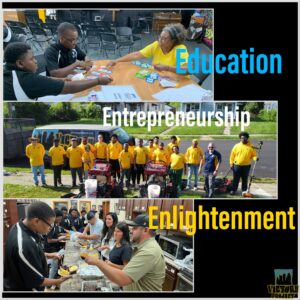
 Today we’d like to introduce you to Monnie Bush.
Alright, so thank you so much for sharing your story and insight with our readers. To kick things off, can you tell us a bit about how you got started?
I was born in the Dayton, Ohio, area. To a blue-collar family who were transplants from the Appalachian community. My paternal grandfather was a Cole minor who saw the lack of opportunities for his children and decided to move to Dayton in the 1950s. This change of environment allowed my father to go to a much better school and give a better education. He went into the Marine Corps and later became a supervisor at General Motors. As he improved his education and job opportunities, this meant when he married and didn’t have a family, we benefited from a better school system and Neighborhood. I often use this story to illustrate how important it is for people to change their environment and break from tradition to improve opportunities for their children. After getting out of the Marine Corps, I became a police officer and saw how many single parents and grandparents turn to the criminal justice system as surrogate parents trying to raise a teenage boy who may be going through a rebellious. Without a strong male role model, the teenager would often make self-destructive decisions, which could lead to criminal behavior. Comparing my childhood and the need for your father to help raise me and the lack of faith-based engagement was the Nexxus of starting The Victory Project.
I’m sure it wasn’t obstacle-free, but would you say the journey has been fairly smooth so far?
It definitely has not been a smooth road. The initial challenges came from my lack of willingness to engage in what I felt was an area I was not prepared for. I saw lots of need but, like many, believed it was someone else’s job to help. I didn’t have the education or experience people say you need to have. Only after I decided to seek God’s direction was I able to begin the process of seeing how I could make a positive impact.
Can you tell our readers more about what you do and what you think sets you apart from others?
An important first step that I took, which still provides benefits even 15 years later, was my desire to learn from people. I hope to serve. Before starting the Victory Project, I spent about 18 months talking to a young man who was in the criminal justice system and their parents. In the case of the juveniles, I would ask if you were starting a nonprofit like I was trying to do, what would you include? I heard the same thing over and over again: I need to make money, I want to work, I want a new group of friends, I want to do better in school, and I want to help my family. When I looked at the landscape of the inter and became a parent, funding entry-level work was very difficult for teenagers. I need to know the traditional pathways to employment that are not available and if adults or seniors on incomes occupy them. When I spoke to the parents who were engaged, they often would say they were trying to work and go to school to improve their economic situation or pick up a second job, which meant the son would be alone even more than he already was. For the family, they needed a place for their child to go all the time. These insights are pivotal to creating a victory project curriculum. VP focuses on breaking the pillars of poverty, which studies have shown perpetuate generational poverty in the lives of teenagers. These pillars are dropping out of high school, getting a criminal history, and having a baby prior to marriage. We address this through our 3E curriculum, education, entrepreneurship, and enlightenment. All students who attend must do so voluntarily, and we do not accept government funding. We do this so we can share our faith without restriction, and we can model self-sufficiency. We want our young men to develop. We help with tutoring, character development, and Bible Study, have dinner every weeknight, and employ the students on the weekend through our micro-business. We’re open year-round, six days a week, even on holidays, because the stresses don’t close.
What do you like best about our city? What do you like least?
Some of my favorite things about Dayton, Ohio, are the ease of access; getting around the city is pretty easy, and driving to surrounding cities is also relatively simple. I also like that our city is known for innovation and that we have a philanthropic-minded community.
My dislikes are mostly about economic opportunities; I also believe we lack the necessary incentives to recruit and retain law enforcement professionals. Without a safe community, we will continue to see businesses and residents move elsewhere.
Contact Info:
- Website: victoryproject.org
- Linkedin: linkedin.com/company/victory-project
- Youtube: https://www.youtube.com/@VictoryProject
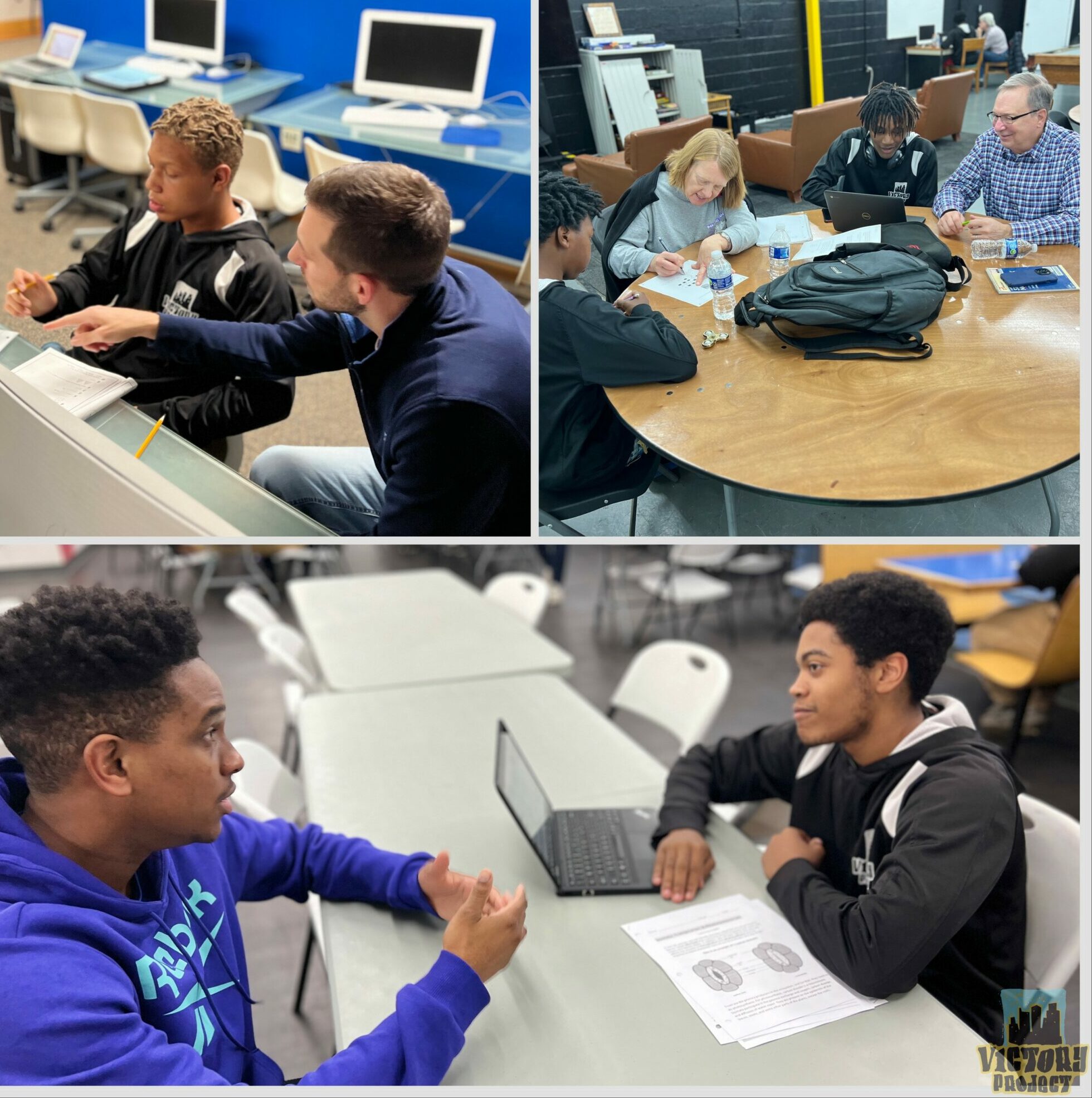
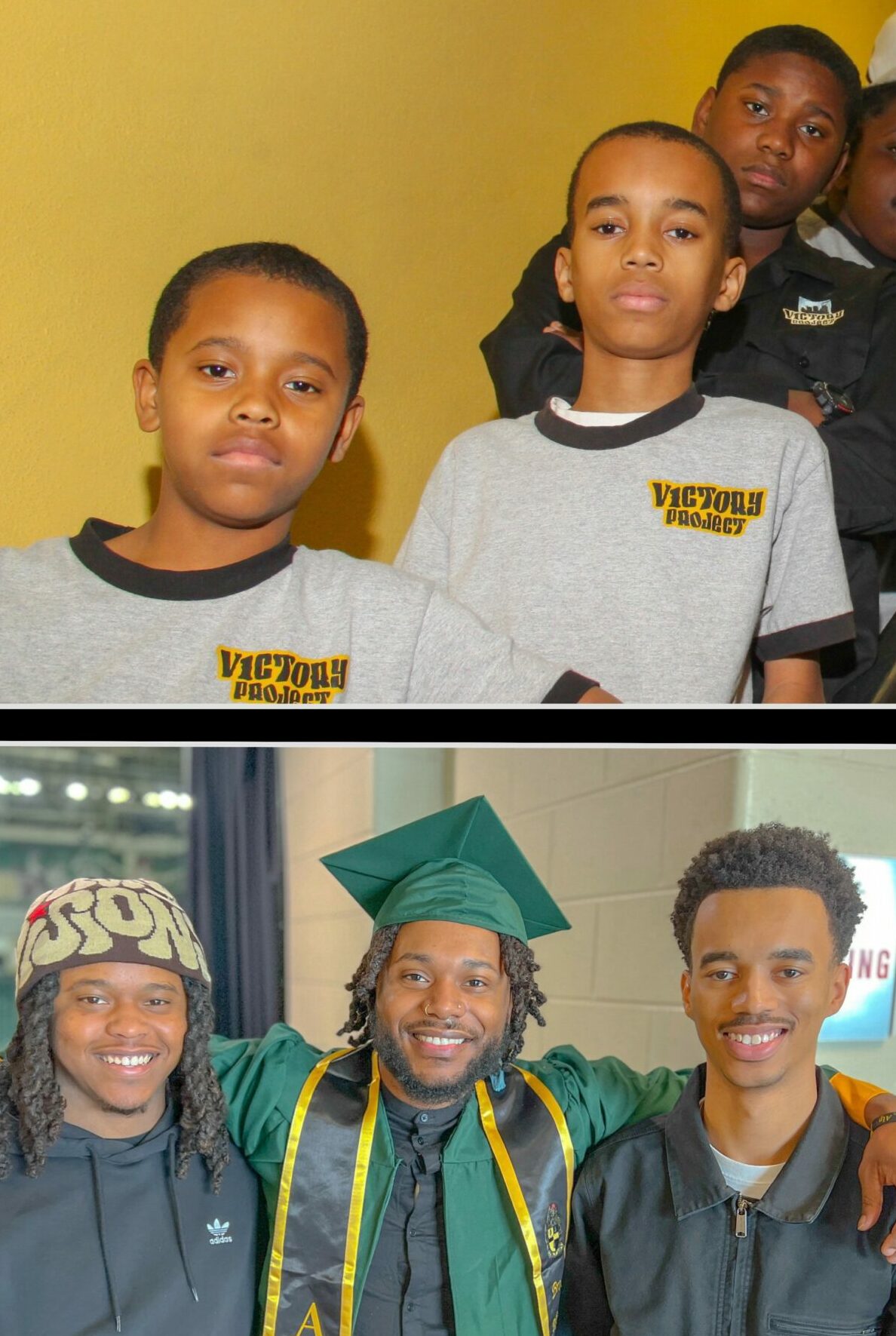
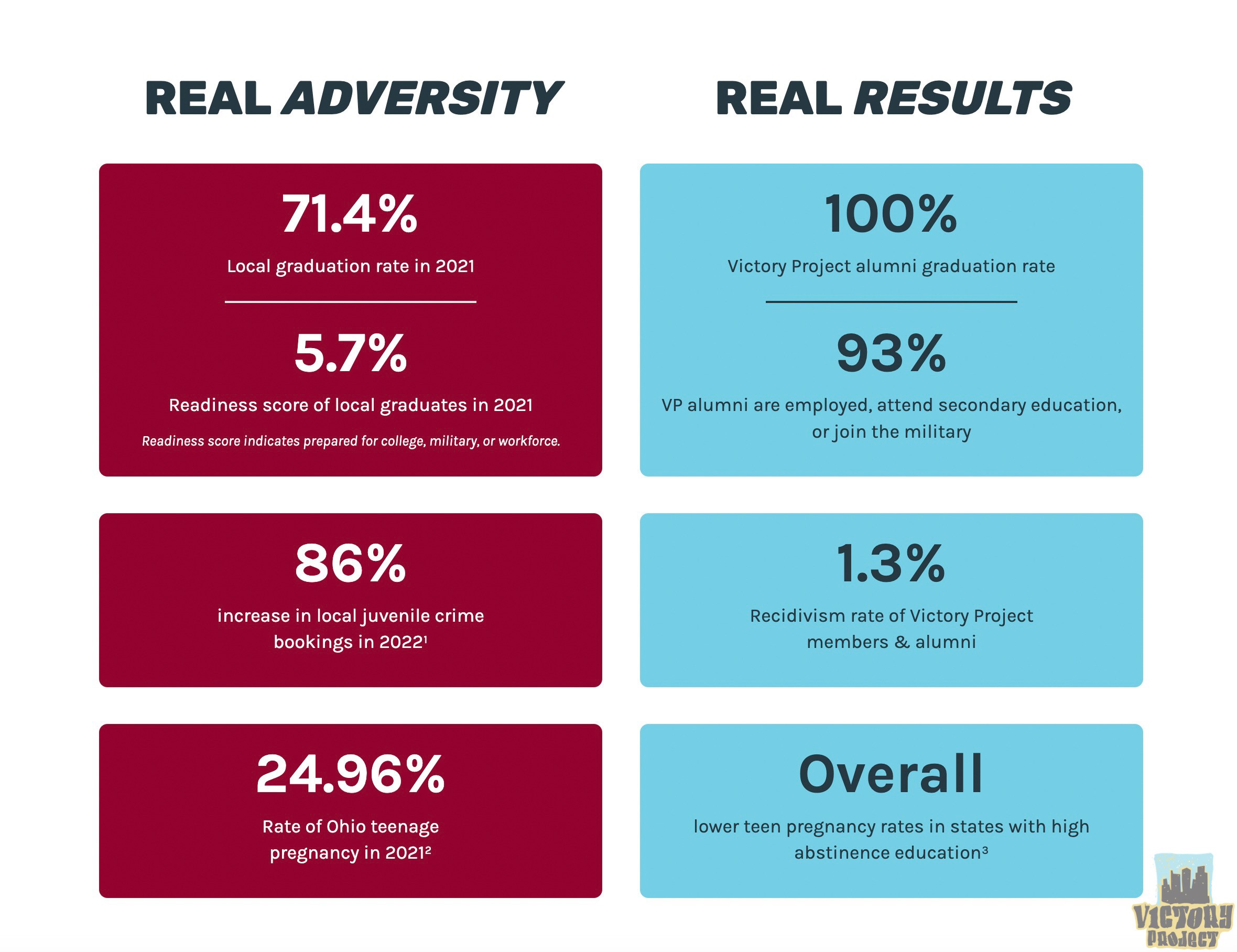
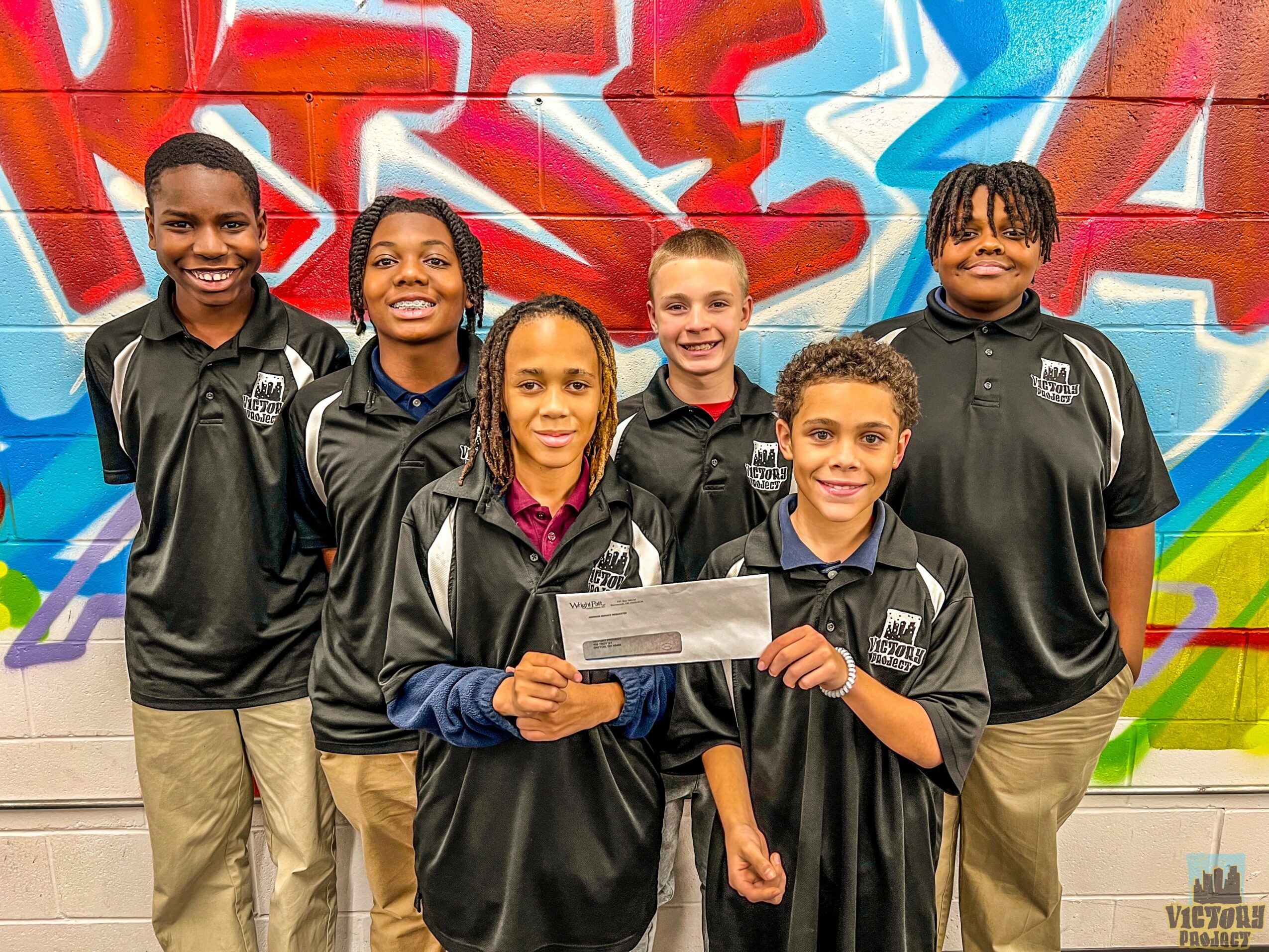
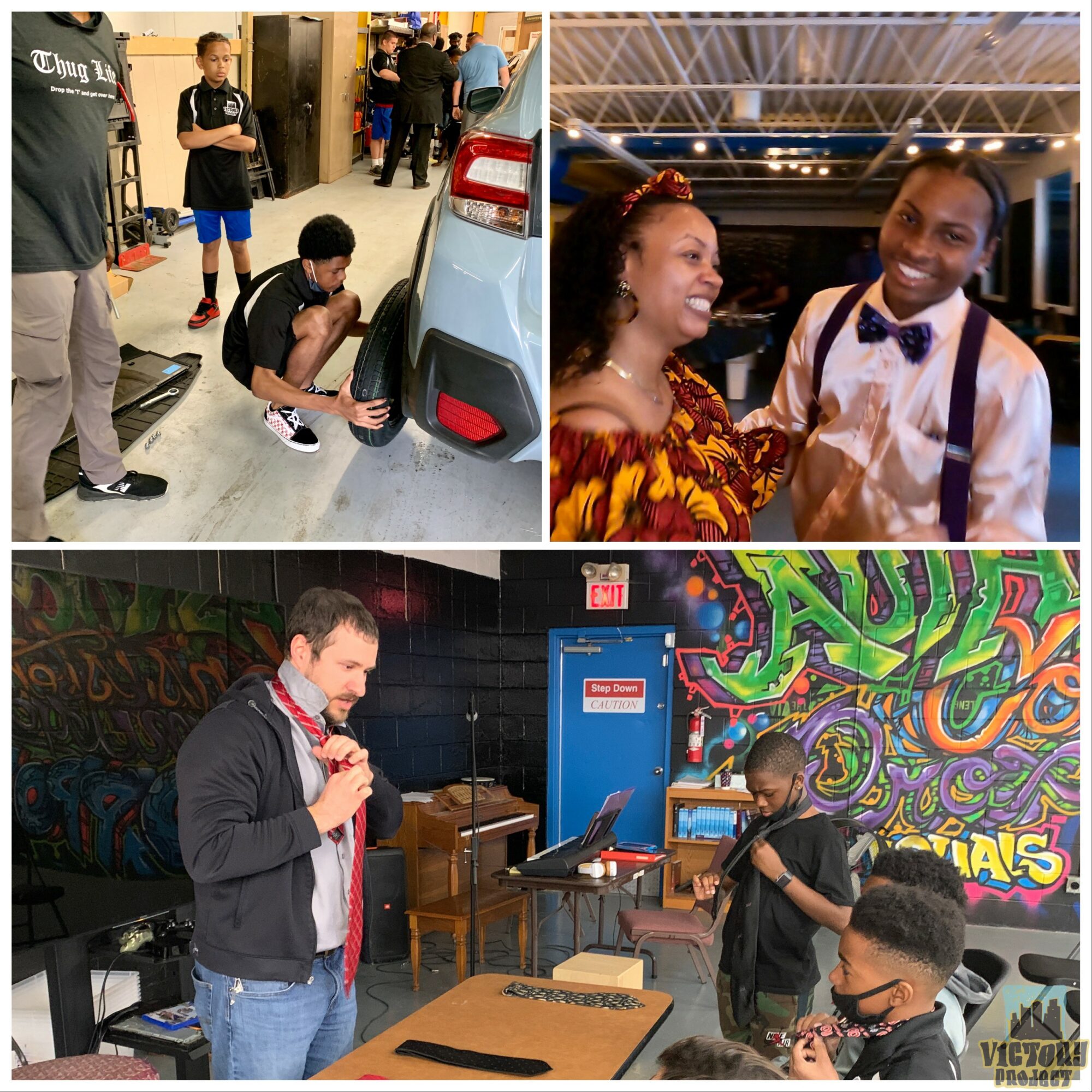
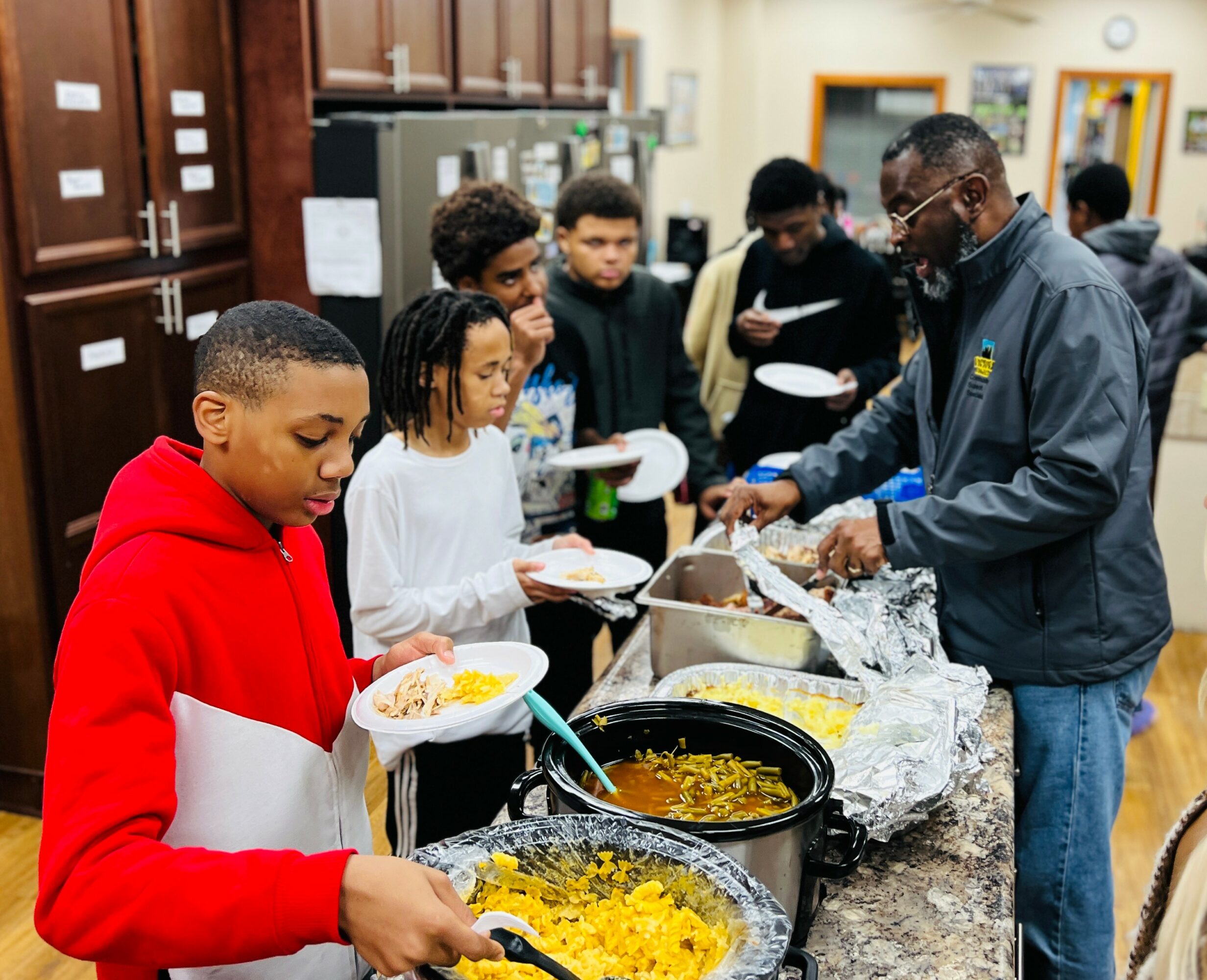
Image Credits
Monnie Bush
Victory Project, Inc.
Popular
-

The Change-Makers: stories that inspire
-

Hidden Gems: Local Businesses & Creatives You Should Know
-

Take Flight: Lamar Thomas on Building an Inclusive Brand Rooted in Youth, Community, and Purpose
-

Cultivating Inner Clarity: Angel Inspires on Thought, Healing, and Purpose
-

Local Highlighter Series
-

Highlighting Local Gems